

🇫🇷 France, planned around the train
France is a rail country with a museum culture, and those two facts plan the trip for you. Paris is the hub — the high-speed network radiates from its stations in every direction — but it is not the whole country: Lyon eats differently, Nice faces the sea, Provence runs on market towns and Roman stone, and Normandy faces the Channel and its own history. The planning problem in France is rarely distance. It is structure: which of the four layers of train you are actually booking, which Paris station your direction leaves from, and whether the museum pass in your pocket still needs a separate time-slot reservation — because at the biggest sites, it does. This page covers the train layers honestly, the bases beyond Paris, the Paris Museum Pass judgement that applies across the region, and how France differs from a US trip.
The lay of the land — four layers of train, one hub
Almost every French itinerary is built from the same four layers, all sold in one official place — SNCF Connect. The layers differ less in speed than in booking logic: the high-speed layers sell a seat on a specific train, the regional layer sells a day on a route. The table is the map; the cards below carry the detail.
| Layer | What it is | How booking works | Watch out |
|---|---|---|---|
| TGV INOUI | The main high-speed network — Paris to Lyon, the south, the west and beyond, city centre to city centre | A ticket is a seat on a specific train, booked on SNCF Connect; first and second class | The Paris station depends on your direction — there is no single Paris TGV station |
| OUIGO | The low-cost high-speed layer, running TGV trains in a simpler format | One class, two offers (Essentiel and Plus); extras are added on top of the base offer | The simpler format is the trade: fewer inclusions, stricter conditions — read them before you pay |
| INTERCITÉS | Long-distance trains on classic lines, including the night trains | Booked on SNCF Connect like the high-speed layers; some routes are the only rail link to their cities | Slower than TGV by design — it reaches the places the high-speed lines pass by |
| TER | The regional layer — the trains that connect a base city to the towns around it | Most services need no seat reservation; a ticket is generally good for another same-day train to the same destination, under its fare conditions | Each region runs its own services and rules — frequency on one corridor says nothing about the next |
The high-speed layers — a seat on a specific train
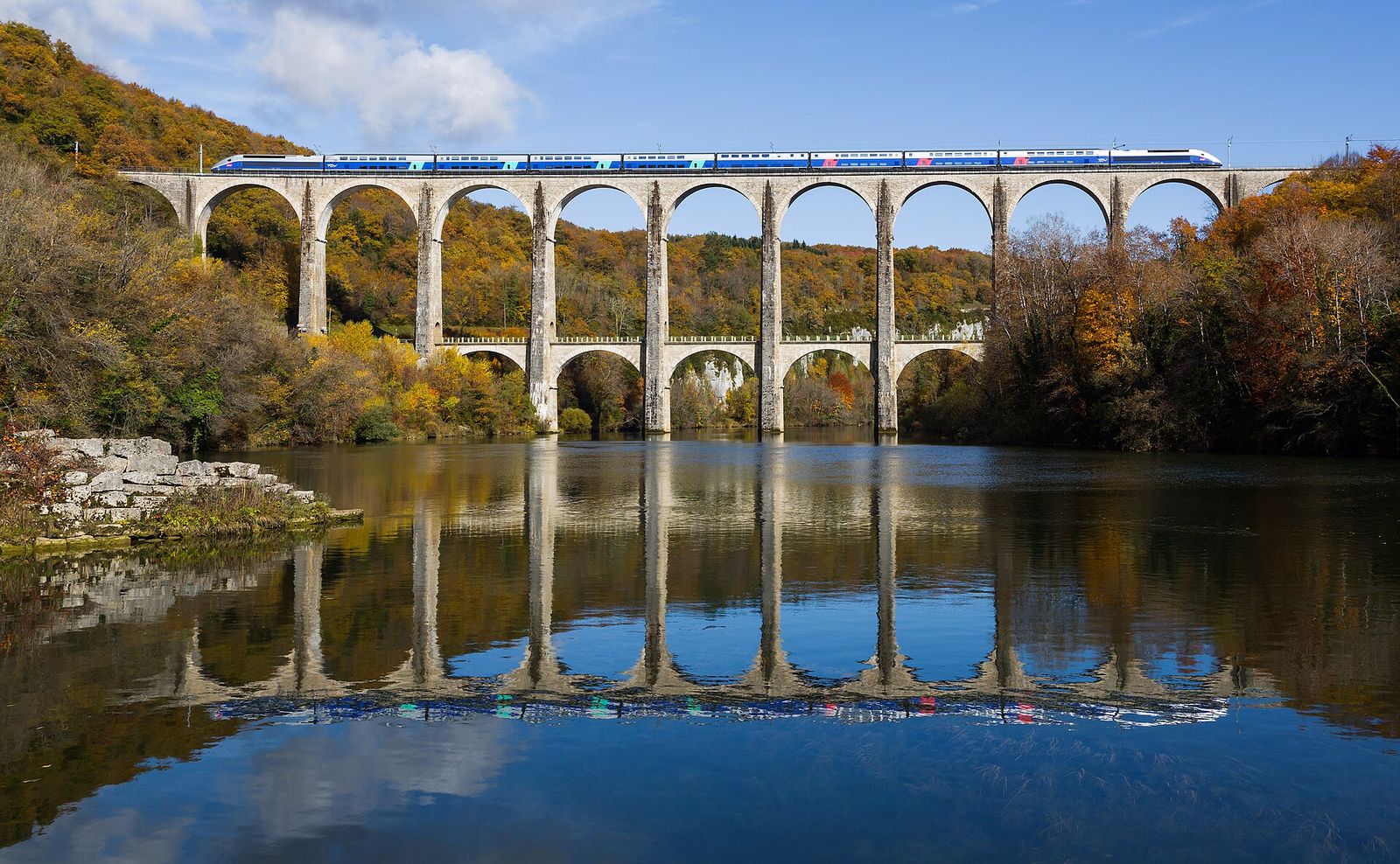
TGV INOUI High-speed — main network
Strengths
- City centre to city centre: Paris to Lyon, Marseille, Bordeaux, Rennes and Strasbourg without an airport at either end
- Two classes and the fullest on-board format of the French layers
- Sold alongside every other SNCF layer on SNCF Connect, so mixed itineraries book in one place
Watch out
- Your ticket is tied to one train and one seat — it is not a day pass for the route
- Paris has several TGV stations split by direction: Gare de Lyon for the south-east, Montparnasse for Brittany and the south-west — arrive at the wrong one and the train still leaves
- Fares move with demand like air fares; the booking page, not any guide, holds the number for your date
Best for: the long jumps between bases — Paris to Lyon, Lyon to the coast, Paris to Bordeaux.
OUIGO High-speed — low-cost layer
Strengths
- The same high-speed lines and city pairs as the main network, in a stripped-back format
- A simple two-offer structure: Essentiel for the seat, Plus when you want the extras bundled
- Booked on the same official channel, so it compares directly against TGV INOUI for your train
Watch out
- One class only, and what the main network includes is here an add-on or absent — compare what is actually in the offer
- Conditions are stricter by design; exchange and baggage terms are part of the product, not fine print
- Not every TGV route has an OUIGO twin — where there is no low-cost layer, the comparison does not exist
Best for: a fixed plan on a popular corridor, where the simpler format costs you nothing you would have used.
The layers that fill the map in
INTERCITÉS Long-distance & night trains
Strengths
- Reaches the mid-size cities the high-speed network skips, on classic lines
- The night trains are a structure of their own: board in the evening, wake in another region — the Nice to Paris night service is the classic example
- Booked through the same official channel as everything else on this page
Watch out
- Journey times are conventional-line times — do not plan them like TGV legs
- Night services run to their own pattern, not a daily metro-style rhythm; the timetable shapes the itinerary
Best for: the gaps between TGV cities — and for turning a travel day into a night instead.
TER Regional trains
Strengths
- The day-trip layer: Nice along the coast, Lyon into its region, Rouen into Normandy — no seat reservation on most services
- Forgiving tickets: if you miss a TER, the same ticket generally works on a later same-day train to the same destination, under its fare conditions
- Bikes travel free on most TER services, space permitting — some regions and times ask for a bike reservation
Watch out
- Regions set their own timetables and fare rules — the layer is national in name, regional in practice
- Rural lines can be infrequent; a missed connection there is a schedule problem, not a queue problem
Best for: everything within an hour or so of your base — the layer that turns a city stay into a region stay.
Rail passes (Eurail) Pass — read the structure first
Strengths
- One pass across many trains and borders — the natural shape for a multi-country rail trip that includes France
- Sold by Eurail itself; we link the official site and label it as such
Watch out
- A pass is not a seat: French high-speed trains run on seat reservations, and how a pass interacts with that reservation layer is a condition to read on Eurail's own pages before you buy
- We have no affiliate arrangement here and do not summarise pass prices or included-reservation terms we have not verified — the official terms are the comparison
Best for: trips where France is one country among several — judge it on the whole route, not the French legs alone.
Beyond Paris — four bases that each change the trip
France rewards a second base more than a longer Paris stay. Each base below is a different country in miniature, and each is a TGV ride from Paris and a TER web of its own. Our Paris page goes deep on the capital; this is the rest of the map.
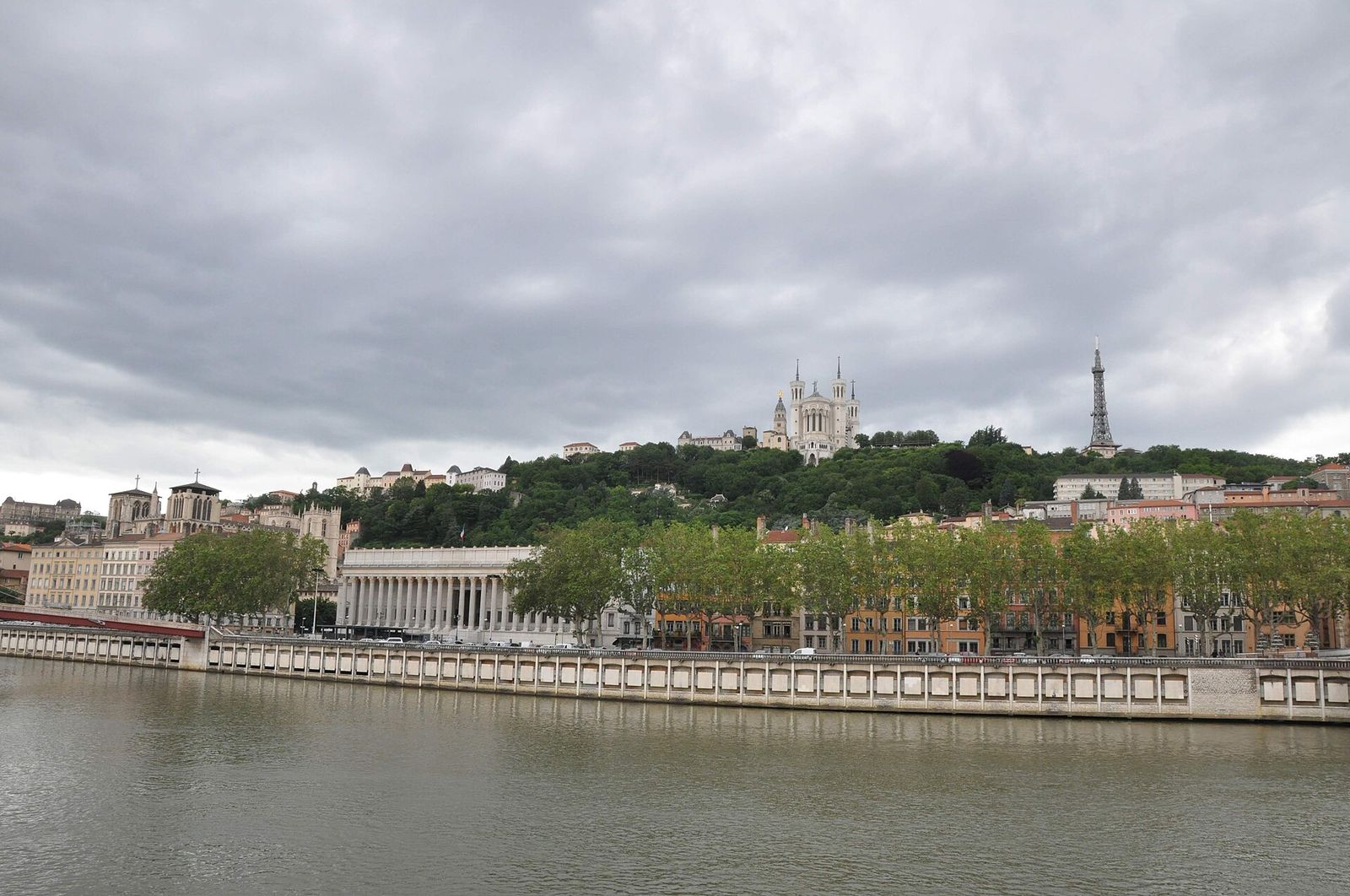
Lyon Base — food & the south-east crossroads
Strengths
- France's own tourism board calls it the capital of gastronomy — the bouchons of Vieux Lyon are the working version of that claim
- A genuine rail crossroads: Paris to the north, the Alps and the Mediterranean to the south and east
- Two rivers, a Renaissance old town and the modern Confluences district in one walkable city
Watch out
- Lyon has more than one main station, and TGV services use them differently — check which station your ticket names
- It is often treated as a pass-through on the way south; as a base it needs its own nights to pay off
Best for: the food-first trip, and as the hinge between Paris and the south.
See France.fr →Official site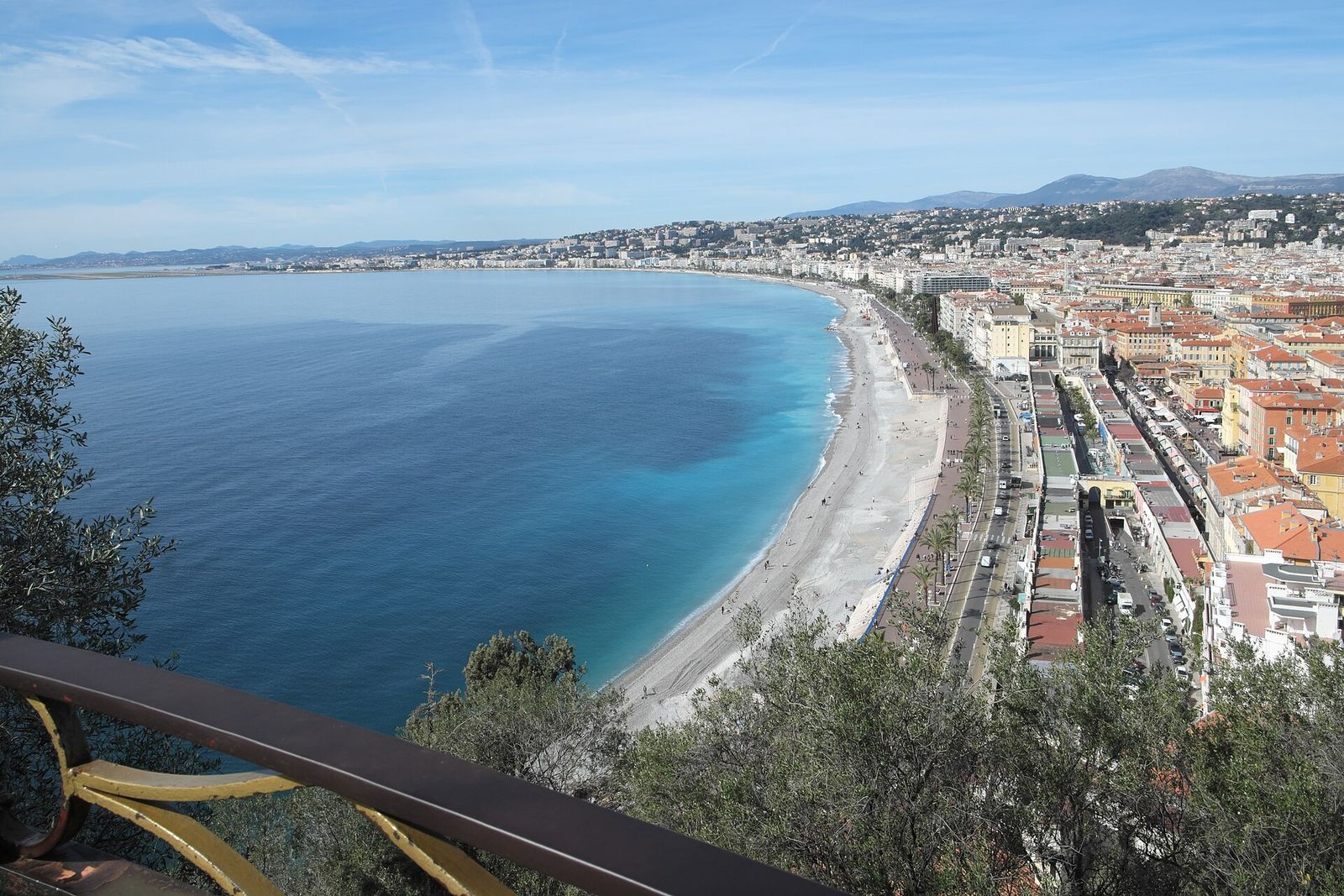
Nice & the Riviera Base — the coast
Strengths
- The Promenade des Anglais and Vieux Nice at the centre, the Matisse and Chagall museums above the city, the castle hill over the bay
- The coastal TER line strings the Riviera towns together — the coast is a train ride, not a driving itinerary
- Between mountains and sea, as the official board puts it: hill villages sit directly behind the beaches
Watch out
- Summer crowds concentrate on the same promenade and the same coastal trains
- The Riviera tempts a new hotel every night; one base and TER day trips is the calmer structure
Best for: a coast stay that still has museums and a city attached.
See France.fr →Official site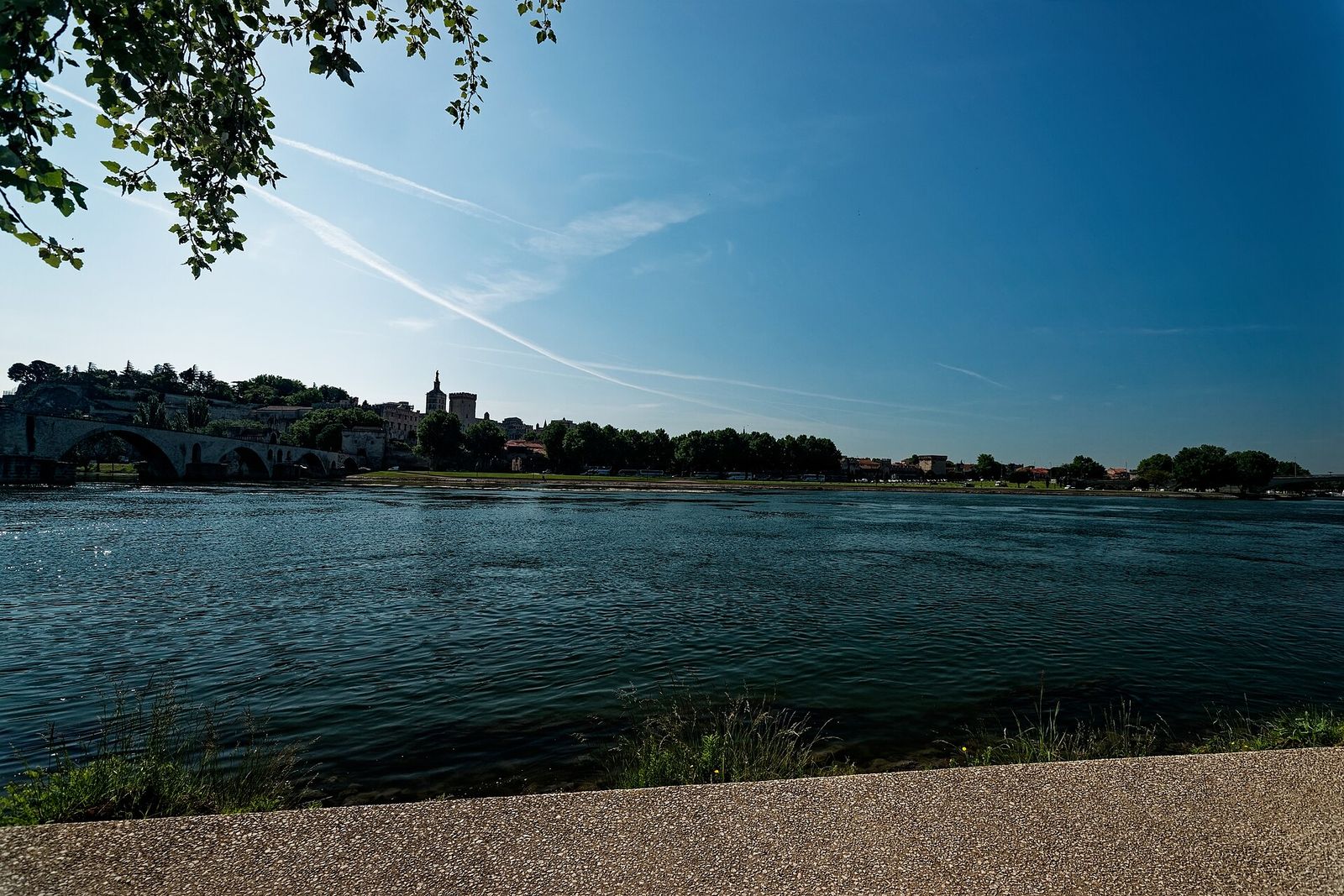
Provence — Avignon & Aix Base — market towns & Roman stone
Strengths
- Avignon and Aix-en-Provence anchor the region: papal palace walls on one side, Cézanne's studio and viewpoints on the other
- Saint-Rémy adds the Van Gogh layer — the monastery where he painted, on a marked artists' route
- TGV stations serve the region directly, with TER and local buses filling the last stretch to the smaller towns
Watch out
- Provence is a region, not a town: the villages between the anchors are where a car-free plan needs its connections checked, leg by leg
- Seasonal landscapes are seasonal — the official board lists lavender country as a place, not a promise for your dates
Best for: the slow trip — markets, old towns and art history at walking pace.
See France.fr →Official site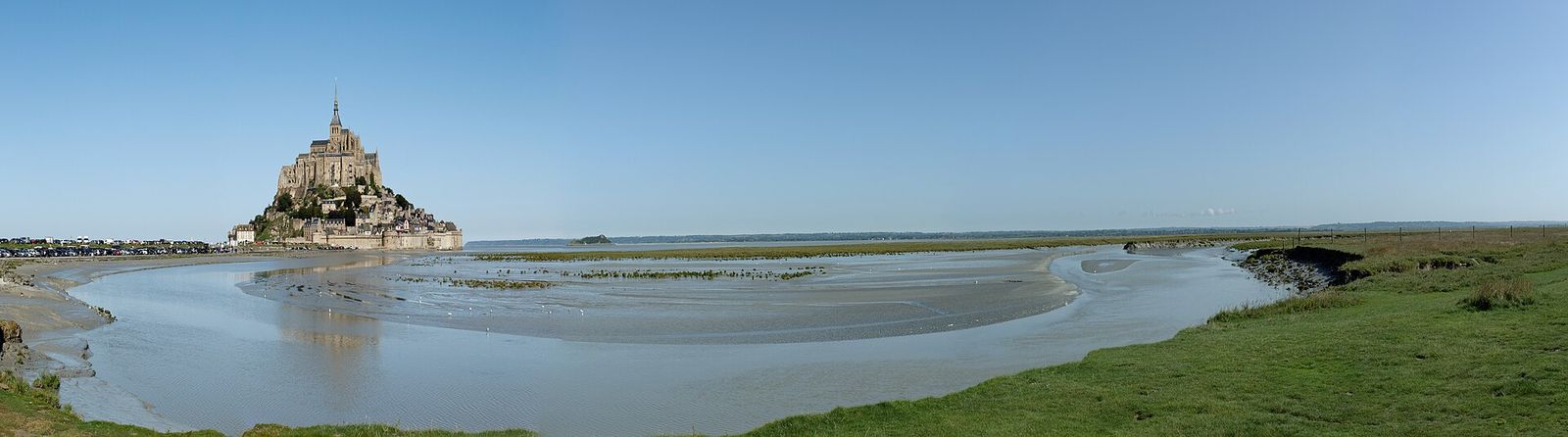
Normandy — Rouen, Bayeux & the coast Base — history facing the Channel
Strengths
- Three different Normandies in one region: Rouen's old streets, the D-Day coast, and Mont-Saint-Michel on its bay
- Giverny — Monet's house and gardens — sits on the Paris side of the region, on the same general line of travel
- The Étretat cliffs and the coastal cycle routes give the region a non-museum layer
Watch out
- The sights are spread along a coastline, not clustered in one city — this is the base where distances, not tickets, plan the day
- Mont-Saint-Michel is its own expedition from any base; treat it as a day, not a stop
Best for: history-first trips, and travellers who want a France that faces the sea and the weather.
See France.fr →Official siteThe Paris Museum Pass — the judgement that runs the whole region
One pass matters in France the way CityPASS matters in Seattle: the Paris Museum Pass, run by the museums' own network. Its structure is precise — entry to more than fifty museums and monuments in Paris and the surrounding region, one entry per site, permanent collections (temporary exhibitions are not included), in versions counted not in calendar days but in consecutive hours from your first visit. It is not refundable or exchangeable. And the part most visitors miss: at the biggest sites, the pass replaces the ticket, not the booking.
Guided tours and combined experiences on the same sights are a different product. Tour platforms sell them; our tours comparison covers how to judge those listings.
Browse France tours →Affiliate link — you pay the sameWhere to sleep — bases, not just cities
The practical layer — how France differs from a US trip
Which France is yours?
Decisions that actually matter
TGV INOUI or OUIGO — how do I choose?
Start from what is actually in the offer. Both run high-speed trains on major corridors; TGV INOUI is the full-format layer with two classes, OUIGO the single-class, simpler-conditions layer. If your plans are fixed and the simpler format covers you, OUIGO is the honest saving. If flexibility or inclusions matter, that is what the INOUI fare is buying. Compare the two for your specific train on SNCF Connect — that screen, not this page, holds the prices.
Do I need a rail pass for France?
Only the shape of your trip can answer that. Point-to-point SNCF tickets cover a Paris-plus-one-or-two-bases trip cleanly. A Eurail pass earns its consideration when the trip crosses borders or strings many long legs together — and even then, French high-speed trains run on seat reservations, so read how the pass handles that layer in Eurail's own terms before buying. We link the official site and make no claim about pass prices or reservation terms here.
Is the Paris Museum Pass worth it if I am based outside Paris?
The pass covers Paris and its region — Versailles and Fontainebleau are in that orbit; Lyon, Nice and Normandy are not. If your trip is mostly regional bases with two dense Paris days at the end, the shortest version, activated on your first Paris entry, is the version to judge. Count only the included sites you will actually enter, and remember the reservation list still applies.
Can I do France without a car?
For the trip on this page, yes — that is what the four rail layers are for. The honest exception is rural Provence and spread-out coastlines, where the last stretch between small towns is the weak link. There, judge leg by leg: a TER line, a local bus, or a single organised day tour for the one day the trains do not reach.
When should I book the trains?
When your dates are fixed. High-speed tickets are seats on specific trains and their prices move with demand, so the booking logic resembles air travel more than a metro. TER is the opposite: regional, mostly unreserved, and bought for a day and a route rather than a moment. Book the anchors — TGV legs and museum slots — as one pass over the itinerary.
Prices and terms change often — the booking site is the final word. Train timetables, museum reservation lists and disruption notices all change by season and by day; check the operator's own page for your date. Facts on this page checked against providers' official pages, November 2026.


