
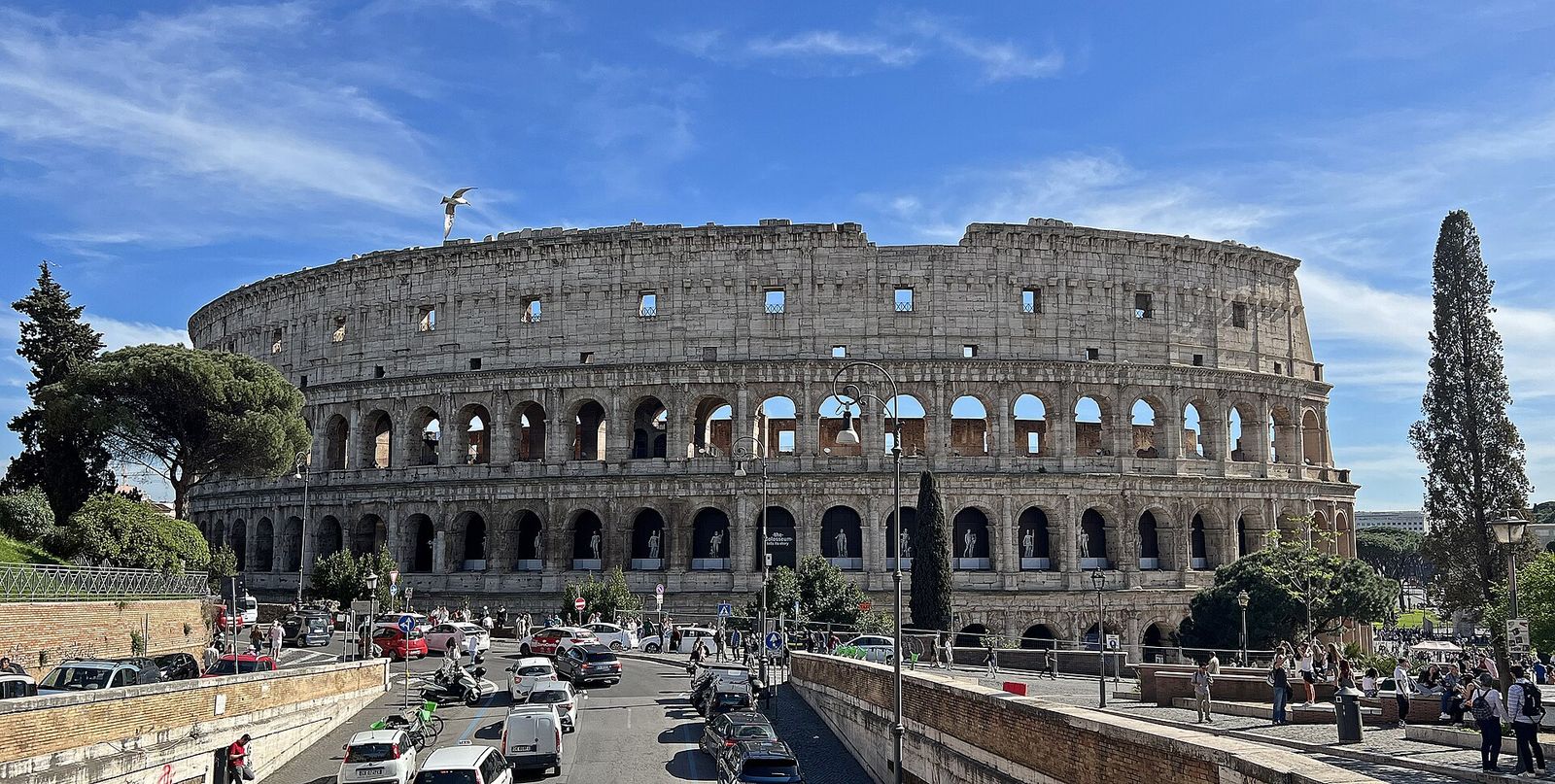
🇮🇹 Italy — by train, by timed ticket
Italy is the first country on this hub where the planning problem is not distance. Rome, Florence and Venice — the three cities most first trips combine — are strung along one high-speed rail spine, and the sights that define them run on named, timed, book-ahead tickets. So this page is built around the two systems that decide an Italian trip: how the trains divide (one state operator with three train families, one private competitor on the same tracks) and how the great sights sell entry (an official portal for each, a name on every ticket, and a dress rule at the Vatican that is published, specific and enforced). Driving, by contrast, is the trap layer — historic centres are camera-guarded permit zones. Everything below is structure, checked against official pages: this hub does not quote Italian ticket prices, because the official portals are the only honest place for a number that changes by date and slot.
The lay of the land — one spine, three cities, three ticket systems
Read the trip as a spine, not a scatter. The table is the map; the cards below carry the booking detail for each piece of it.
| Piece | What it is | How booking works | Watch out |
|---|---|---|---|
| The rail spine | Trenitalia's Le Frecce (Frecciarossa / Frecciargento / Frecciabianca) plus Intercity and Regional trains — and Italo, a private operator, on the main high-speed routes | Long-distance trains are reserved and train-specific: the ticket names one train. Regional trains follow different rules — follow the instruction on your ticket | Two operators means two websites: neither Trenitalia nor Italo shows the other's trains |
| Rome | Vatican Museums & Sistine Chapel · St Peter's Basilica (a separate visit) · Colosseum + Roman Forum + Palatine | Each has its own official portal: tickets.museivaticani.va for the Museums; ticketing.colosseo.it for the Colosseum Park | The Vatican publishes a dress rule (see the practical layer) and the Colosseum sells a named ticket with a compulsory time slot |
| Florence | Uffizi Galleries — one institution, three circuits: the Uffizi, Pitti Palace, Boboli Gardens | Named tickets via tickets.uffizi.it, the call centre, or the ticket offices; a 5-day PassePartout structure covers all three circuits | The Accademia (David) is a different institution with its own booking — there is no single "Florence museum ticket" |
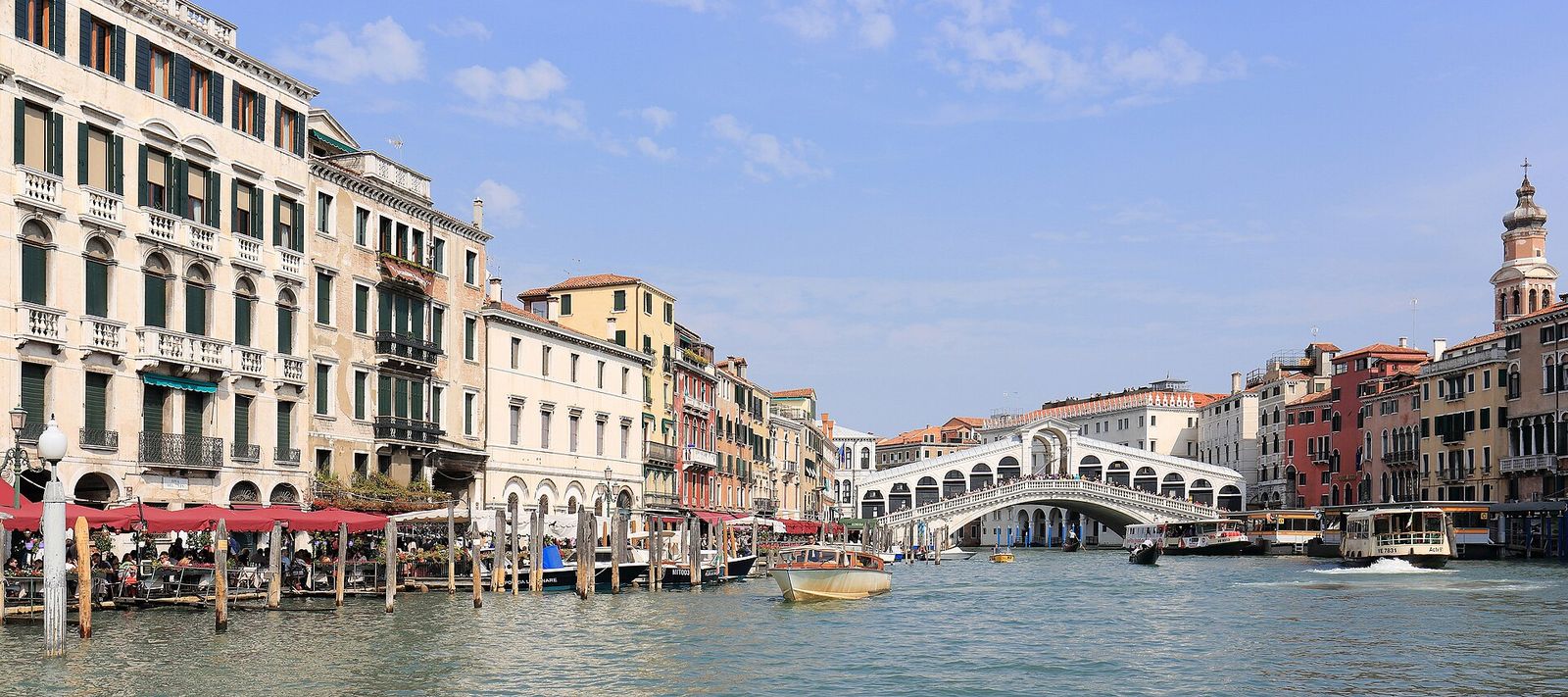
| Venice | A canal city: the historic centre is car-free by geography, reached at Venezia Santa Lucia station; Mestre is the mainland station | Water transport and any visitor access rules are run locally (ACTV / Venezia Unica) | We have not re-verified Venice's current pass and access-fee rules for this page — check Venezia Unica / ACTV directly rather than trusting any guide, including this one |
| By car | Rental cars work between regions — and meet the ZTL at every historic centre | There is no visitor pay-at-the-gate entry to a ZTL; access is by permit list | See the practical layer: the camera reads your plate whether or not you saw the sign |
The trains — two operators, one spine
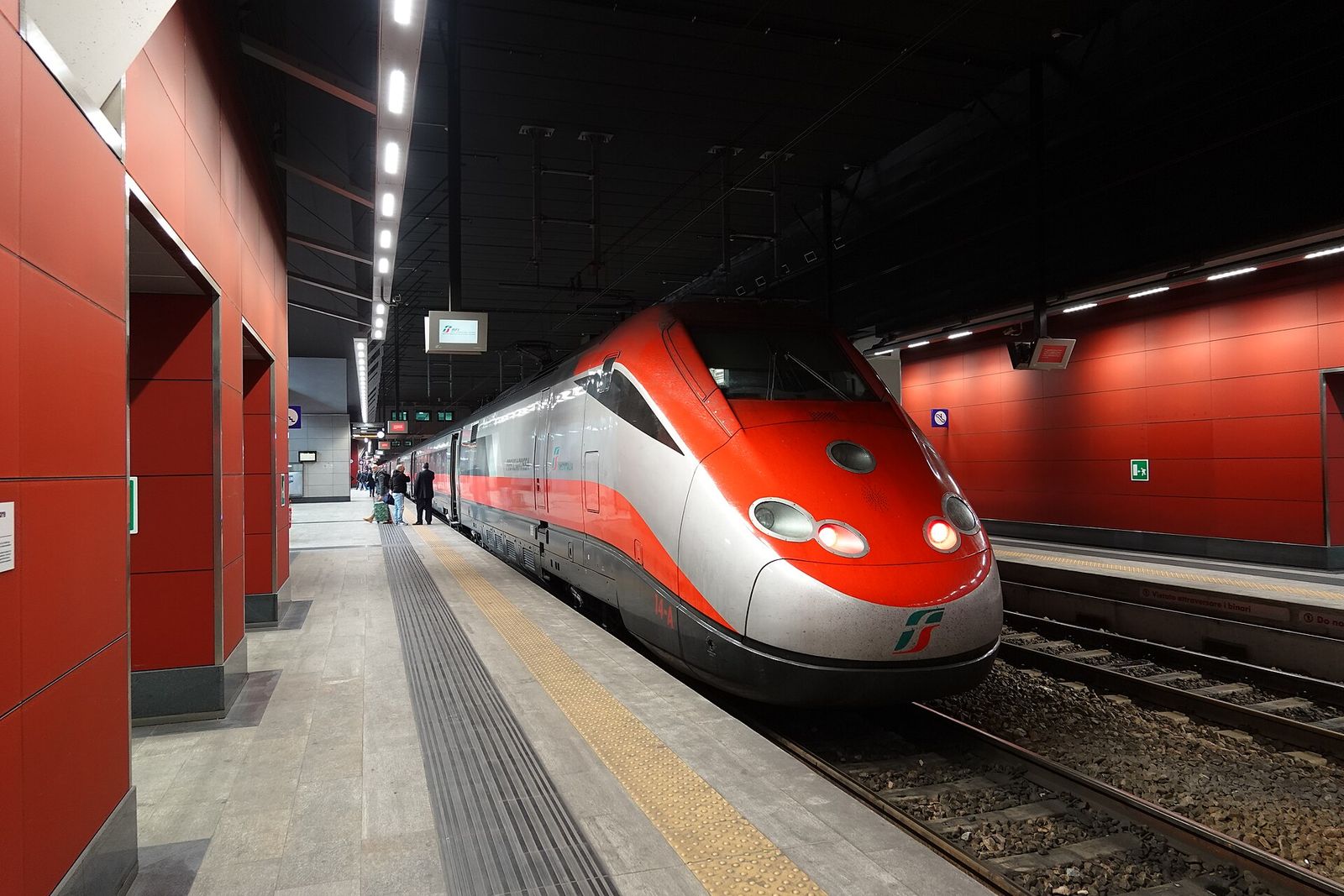
Trenitalia State operator · Frecce · Intercity · Regional
Strengths
- The full network in one shop: Le Frecce high-speed trains (Frecciarossa up to 300 km/h on Trenitalia's own description; Frecciargento mixing high-speed and traditional lines; Frecciabianca on traditional lines), plus Intercity and the Regional trains no one else sells
- The only seller for most of Italy beyond the headline corridor — regional branches, smaller cities, airport links such as the Leonardo Express between Fiumicino airport and Roma Termini
- Search can be filtered by family (Frecce only / Intercity / Regional), which is the honest first choice on any route
Watch out
- It never shows Italo's trains: on Rome–Florence–Venice type routes, checking Trenitalia alone is checking half the corridor
- Reserved-train tickets are train-specific — a missed Frecce departure is not automatically a seat on the next one; the fare's own conditions govern changes
- Regional tickets play by different rules from reserved trains; the instruction travels with the ticket and the app, and it has changed before
Best for: any itinerary — and the only starting point when the trip leaves the main corridor.
Italo Private high-speed operator
Strengths
- A genuine second timetable on the spine: Italo states its trains connect 51 major cities at 58 stations nationwide
- Through-connections beyond its own trains — regional trains, Itabus coaches and SNAV ferries are surfaced on its own site (Sorrento, Lake Como, Capri and Ischia are its examples)
- Its own site is the direct channel, marketed by Italo itself as booking with no service fee
Watch out
- High-speed only: Italo has no regional network to complete a journey the spine doesn't reach
- It never shows Trenitalia's trains — the mirror image of the Trenitalia limitation above
- Fare families and their change conditions are Italo's own; read them on the booking page, because they are not Trenitalia's
Best for: city-to-city legs on the main corridor — checked alongside Trenitalia, never instead of it.
Rome — two official portals, no shortcuts
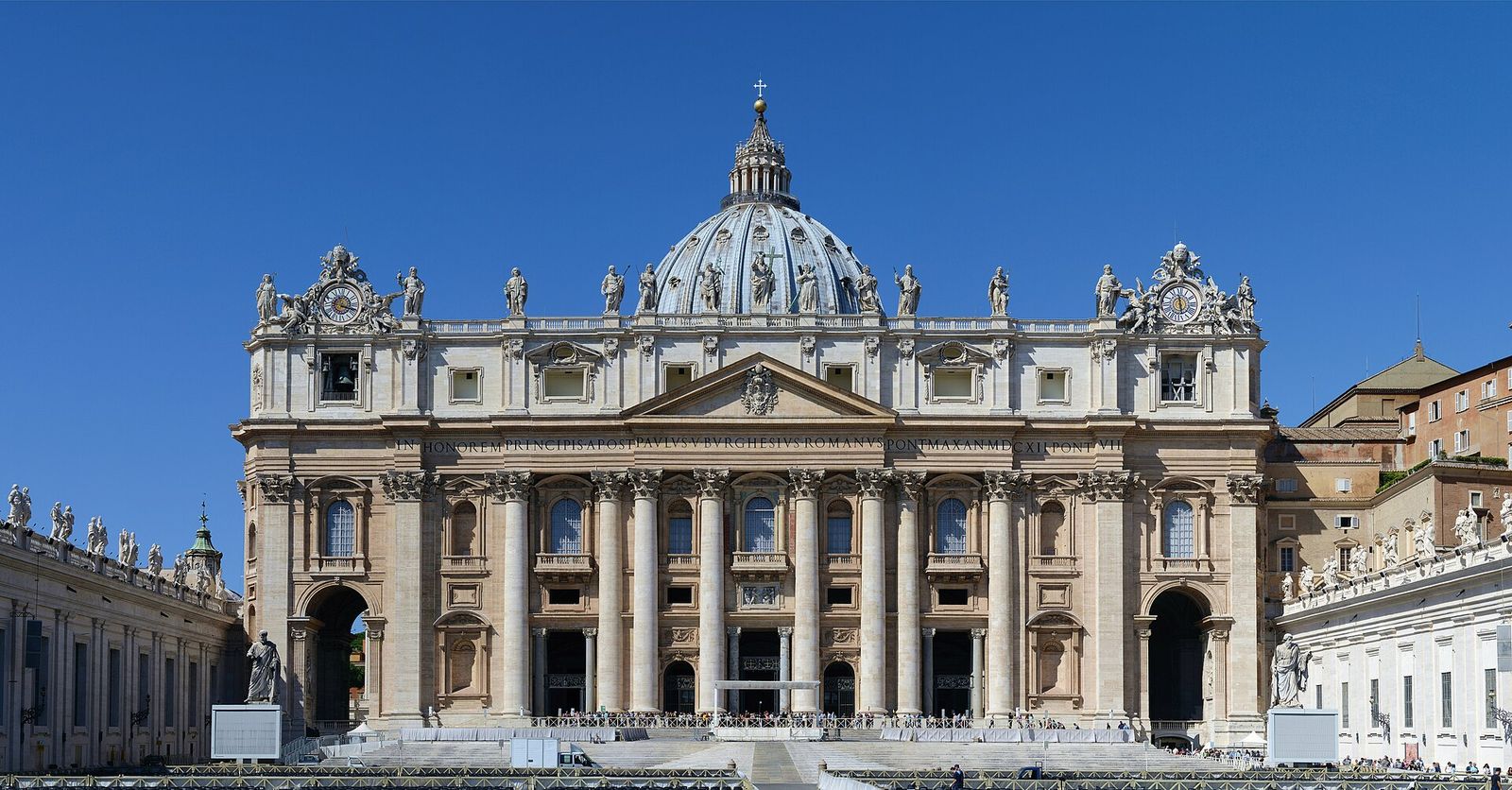
Vatican Museums & the Sistine Chapel Official portal · tickets.museivaticani.va
Strengths
- One official door: the Museums' online tickets are sold only at tickets.museivaticani.va (the .va domain is Vatican City State's own) — the Museums themselves warn against lookalike domains charging more
- Entry is by booked time slot, so a confirmed booking replaces the ticket-office queue with a security queue
- The same official visit covers the Museums and the Sistine Chapel on one route
Watch out
- St Peter's Basilica is NOT part of the Museums ticket — it is a separate visit with its own entrance and its own queue; any product implying the Museums ticket "includes the Basilica" is misdescribing the structure
- The published dress rule applies here and at the Basilica (see the practical layer) — a timed ticket does not waive it, and refusal at the door is the Museums' stated possibility for inappropriately dressed visitors
- Mobile phones are forbidden inside the Sistine Chapel, and unsuitable luggage must be left in the cloakroom before you enter the exhibition spaces (official visitor information)
Best for: everyone — book on the official portal as soon as your Rome dates are fixed, and treat reseller availability as a fallback with its own terms, not as the same ticket.
See the Vatican Museums →Official site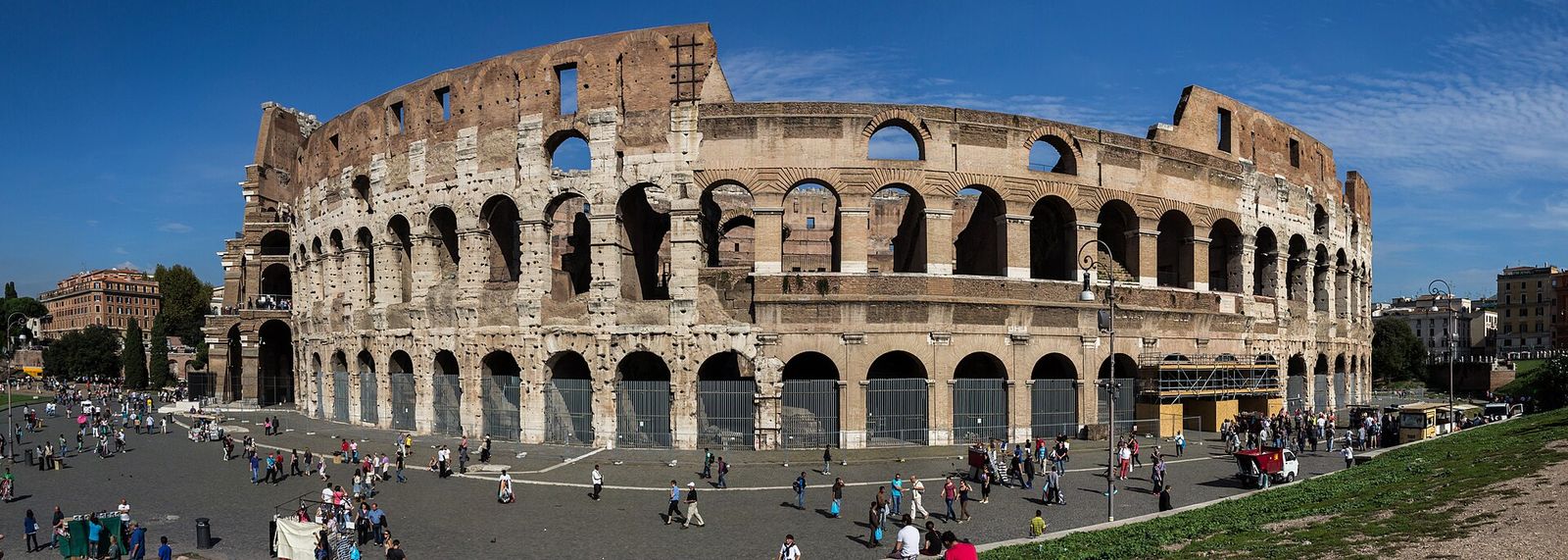
Colosseum Archaeological Park Official portal · ticketing.colosseo.it
Strengths
- The core ticket is a combined structure: one timed Colosseum entry plus the Roman Forum–Palatine area on the same ticket (the standard ticket runs 24 hours; the Full Experience family runs two consecutive days)
- The park publishes its rule plainly: ticket sales with compulsory reservation of the Colosseum time slot open 30 days before the visit date — a calendar fact you can plan around
- Full Experience variants (arena, underground, attic) are sold through the same official portal, so "special access" does not require a reseller
Watch out
- Tickets are issued in the holder's name and ID is checked at the entrances; name changes are tightly limited under the park's published rule — enter names exactly as on ID
- The time slot binds the Colosseum only; arriving outside it is not a flexible-entry situation — the park's regulation answers "a different time" with no
- Free-admission structures (including the first-Sunday initiative) follow the park's own collection rules, not the online calendar — read the park's page before building a day on them
Best for: every Rome itinerary — set a reminder for the 30-day opening rather than hoping for late availability.
See the Colosseum Park →Official siteFlorence — one institution, three circuits
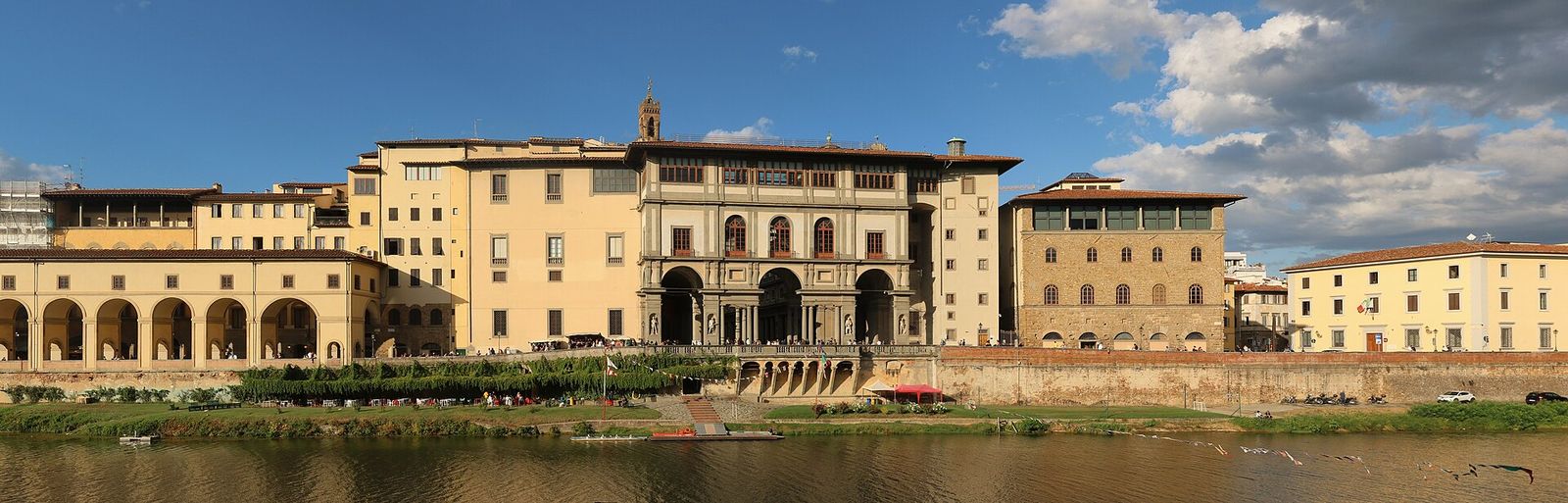
Uffizi Galleries Uffizi · Pitti Palace · Boboli Gardens
Strengths
- One institution sells all three circuits — the Uffizi, Pitti Palace and the Boboli Gardens — through one official shop (tickets.uffizi.it), one call centre and the physical ticket offices
- Tickets are named single tickets, and the institution itself publishes the distinction between a ticket bought on the day and one bought in advance — the booking page shows both structures before you pay
- The PassePartout 5 Days structure covers all three circuits over five consecutive days, with the Uffizi entry booked first — a pass whose shape you can judge against your own Florence days
Watch out
- Named means named: tickets are personal, and the Vasari Corridor is a separate ticket type with its own slot rules on top of a Uffizi ticket
- The Accademia and the Duomo complex are different institutions with different official shops — a Florence plan is three bookings, not one
- Older references to previous official sellers are stale; the current official online shop is the one linked from uffizi.it
Best for: a Florence stay of two days or more — book the Uffizi slot first, then fit Pitti and Boboli around it.
See the Uffizi Galleries →Official siteViator Marketplace · Italy tours
Strengths
- Guided tours, small-group formats and day trips beyond the three hub cities in one basket, with operator reviews to compare
- Useful where the product is a guide and a route, not just an entry ticket
Watch out
- A tour that "includes" a headline sight still draws on the same official capacity — read what entry is actually included and whether the timed slot is secured or arranged on the day
- For plain entry, the official portals above are the direct channel; a marketplace adds its own terms on top
Best for: guided days and excursions — after the official entry tickets for your fixed dates are secured.
Browse Italy tours →Affiliate link — you pay the sameGetYourGuide Marketplace · tours & tickets
Strengths
- A second marketplace basket for guided tours and activity formats across Italy
Watch out
- We have no confirmed affiliate tracking for GetYourGuide on this hub, so this link is a plain official link — we earn nothing from it
- Same caution as any reseller: the official portal is the reference for what a ticket is
Best for: comparing guided formats once you know which entries you still need.
See GetYourGuide →Affiliate link — you pay the sameThe judgement layer — passes, portals and the order to book in
The practical layer — dress, names and the camera zones
Which Italy is yours?
Decisions that actually matter
Should I book trains on Trenitalia or Italo?
Both, in the literal sense: check both. They are separate companies sharing one railway, and each site hides the other's trains. On a corridor leg, the better departure time may exist only on one of them; off the corridor, Trenitalia (with Intercity and Regional) is usually the only option at all.
Is St Peter's Basilica included in my Vatican Museums ticket?
No. The Museums ticket covers the Vatican Museums and the Sistine Chapel. The Basilica is a separate visit with its own entrance — and the same published dress rule applies to both, so one outfit decision covers the day.
How early do the big sights open for booking?
Only where an official source states a rule do we state one: the Colosseum Park publishes that sales with compulsory time-slot reservation open 30 days before the visit. For the Vatican Museums and the Uffizi, work from their official portals' live calendars rather than any guide's claimed window — including ours.
Can I drive into central Florence or Rome if I'm careful?
Care is not the criterion — the permit list is. During active ZTL hours an unauthorised plate is recorded by camera whether the driver noticed the sign or not. Park outside the zone and walk in, or have a hotel inside the zone register your plate in advance under the municipality's procedure.
Do I need to print my tickets?
The Colosseum Park's regulation states a phone receipt is sufficient there; other portals set their own presentation rules. What is universal on this page is the other half: the name on the ticket and your ID travel together, so carry the ID you booked with.
Prices and terms change often — the booking site is the final word. Timed-entry rules, ZTL hours and museum calendars change by season and by year; check the operator's own page for your date. Facts on this page checked against official pages (Italia.it, Trenitalia, Italo, Musei Vaticani, Parco archeologico del Colosseo, Gallerie degli Uffizi, Comune di Firenze / Roma Mobilità ZTL publications), November 2026. Venice pass and access-fee rules were not re-verified for this page — see the Venice note above.


