
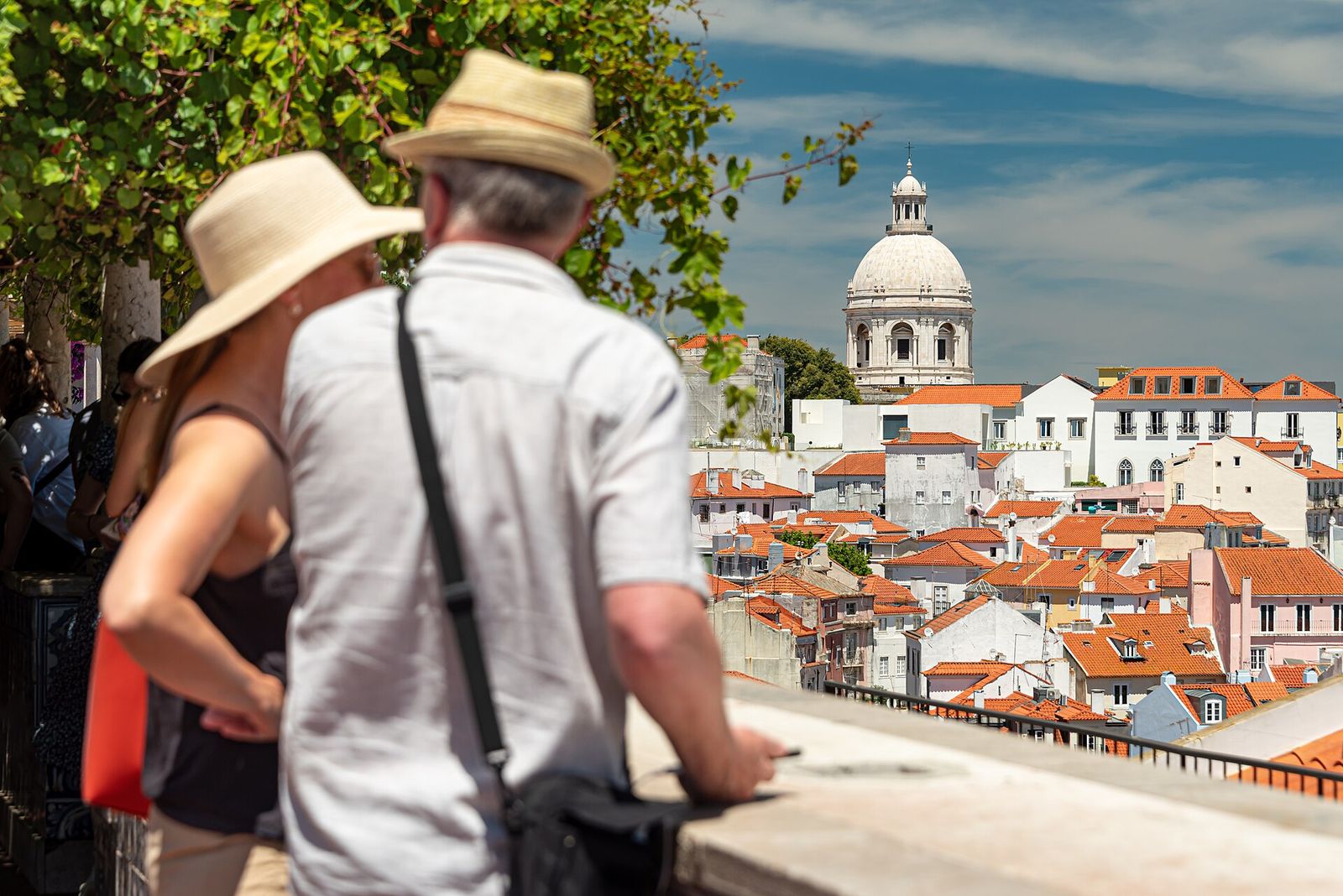
🇵🇹 Portugal — hill cities, one railway, an Atlantic edge
Portugal plays by the shared European rules that Britain opted out of — and by a topography entirely its own. It is a Schengen country and a euro country: the short-stay clock is the common one, up to 90 days in any 180-day period across the whole Schengen area, and the money is the euro our budget planner's Western Europe frame is built around. But the planning problem here is not paperwork. It is gradient. Lisbon climbs its hills in every direction, so the honest unit of effort is the climb, not the kilometre; Sintra, the great day trip, runs on palace time slots that wait for nobody; and the country beyond the capital is held together by one national railway, CP, whose best services sell a reserved seat while its city trains are simply turned up for. This page works through the entry clock, the hill-city method, the one day trip that must be booked first, and how the map widens — Porto as a second base, the Algarve as an Atlantic region rather than a town.
Entry — the Schengen clock, shared with 28 neighbours
The European Commission's definition is the whole rule: a short stay is up to 90 days in any 180-day period, counted across the Schengen area as a whole. Portugal does not issue its own separate allowance — a week in Lisbon spends the same clock as a week in Spain or France, and a trip that pairs Portugal with our United Kingdom page runs on two independent systems, because the UK sits outside this one entirely.
| Question | The structure | Watch out |
|---|---|---|
| How long can I stay? | Up to 90 days in any 180-day period, for short stays — the Commission publishes a short-stay calculator for counting your own days | The window rolls: it is not "90 days per trip" or "90 days per calendar half-year", and every Schengen country draws from the same account |
| Do I need a visa? | Depends on nationality: citizens of countries on the EU's visa-required list apply for a Schengen visa; many others travel visa-free for short stays | Where a visa is needed, the application goes to the consulate of the main destination country — the Commission's rule, not a travel agent's preference |
| What happens at the border now? | Non-EU short-stay visitors are registered in the EES at external borders — the dated box above carries the current status | EES is a border process, not something to buy in advance; ETIAS, when it starts, will be the advance step — until the EU announces it, there is nothing to apply for |
| Does a UK trip affect this clock? | No — the UK is outside Schengen, with its own ETA and visitor rules | And the reverse is also true: Schengen permission, and ETIAS when it comes, will not cover the UK |
Lisbon — plan the climbs, not the distances
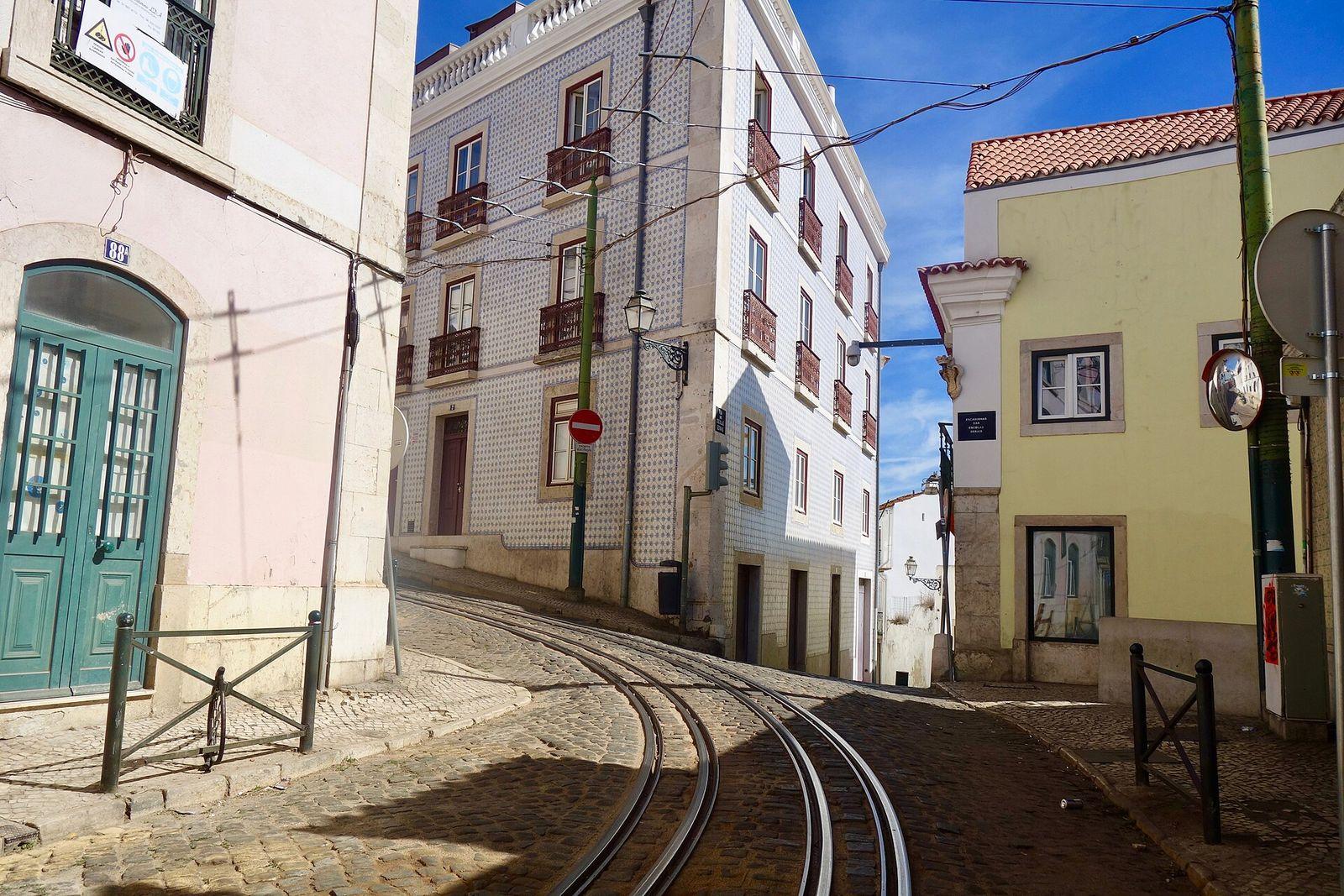
Lisbon's neighbourhoods stack vertically. Baixa, the flat rebuilt grid by the river, is the hinge; Alfama climbs east toward the castle, Chiado and Bairro Alto climb west, and the viewpoints — the miradouros — are where the city keeps stopping to look at itself. Two bases work for most first visits. Stay low in or near Baixa and Chiado if you want flat evening ground and every transport system at the door. Stay in Alfama or Graça for the old-city texture, and accept that every return home is uphill. Either way, sequence the day downhill where you can: ride up, walk down.
| Cluster | What it holds | How you move | Watch out |
|---|---|---|---|
| Baixa & Chiado | The flat centre — the hinge between the hills, the metro and tram interchanges, Rossio station for Sintra | Walk on the flat; this is the natural base for a first visit | Flat is relative: the climbs start one street back in both directions |
| Alfama & the castle hill | The oldest quarter, the cathedral, the castle above it, the eastern viewpoints | Tram 28E threads the hill; feet do the rest, mostly on cobbles and steps | Build the return climb into the plan — a dinner in Alfama ends with an ascent unless your base is up there too |
| Bairro Alto & Príncipe Real | The western hill — evening streets above Chiado | Ride up (tram or metro to the top of the hill), walk down | The hill, not the distance, is what makes this feel far from Baixa at midnight |
| Belém | The riverside monumental district to the west — Jerónimos Monastery and the Belém Tower | Tram or train along the river from the centre | Its two headline monuments are exactly the sights where the Lisboa Card does not remove the reservation step — see the pass section |
| Parque das Nações & Oriente | The modern eastern district and Lisboa Oriente, the long-distance rail gateway | Metro Red Line, the same line that serves the airport | A practical base for early trains — a different, newer city from the hill quarters |
Metro de Lisboa Metro — the airport line included
Strengths
- The airport has its own station, Aeroporto, at the end of the Red Line — arrivals step from the terminal onto the metro, and the official airport guidance presents contactless bank payment as the ticket itself
- The Red Line also serves Oriente, tying the airport, the modern district and the long-distance trains into one line
- Four colour-coded lines cover the flat and central city well
Watch out
- The metro does not climb for you: the hill quarters above the stations are still walked, on cobbles
- Airport convenience is a structure, not a fare promise — check the current fare products on the official site for your trip
Best for: arrival day and cross-town moves — the spine you combine with trams and walking.
See Metro de Lisboa →Official siteCarris — trams & the hill network Buses · trams · funiculars
Strengths
- Carris runs the surface city: buses, the historic trams and the funiculars that exist precisely because of the hills
- The 28E tram is a working route, not a tour product: Martim Moniz through Graça and Alfama, down through Baixa and Chiado, and out to Campo de Ourique — the hill city in one ride
- The navegante card system is shared across Lisbon's operators — metro, Carris and CP's city trains — so one card habit covers the city
Watch out
- A working route means working-route conditions: the 28E is small, busy and boarded by residents and visitors alike — treat it as transport with a view, not a guaranteed seat
- Routes are shortened or diverted for works and events often enough that Carris's own service notices for the day outrank any guide's route description
- Buying on board is its own, dearer structure on Lisbon transport — the card loaded in advance is the system's intended way to ride
Best for: the hills — ride the climbs, keep your walking for the descents and the flat.
See Carris →Official siteViator Marketplace · Lisbon & Sintra tours
Pros
- Lisbon tours and Sintra day trips in one basket, with reviews to compare operators
- Free cancellation on most products, like other Viator bookings
Cons
- A Sintra tour is a transport-and-guide product — read whether palace entry, and which palace product, is actually included, because the official slots belong to the palace operator's own system
- For a confident rail traveller, the CP train plus official palace tickets is the structure to beat on price and freedom
Best for: travellers who want the Sintra logistics carried for them — knowing exactly which entries the product does and does not hold.
Browse Lisbon tours →Affiliate link — you pay the sameGetYourGuide Marketplace · Lisbon tickets & tours
Pros
- A large Lisbon and Sintra catalogue in one app
Cons
- We link it as an official site only: we have no verified affiliate tracking for it on this hub, so the button earns us nothing — and the same inclusion check applies to every Sintra product on it
Best for: comparing day-trip shapes — then checking the official palace and rail doors before paying for convenience you may not need.
See GetYourGuide →Affiliate link — you pay the same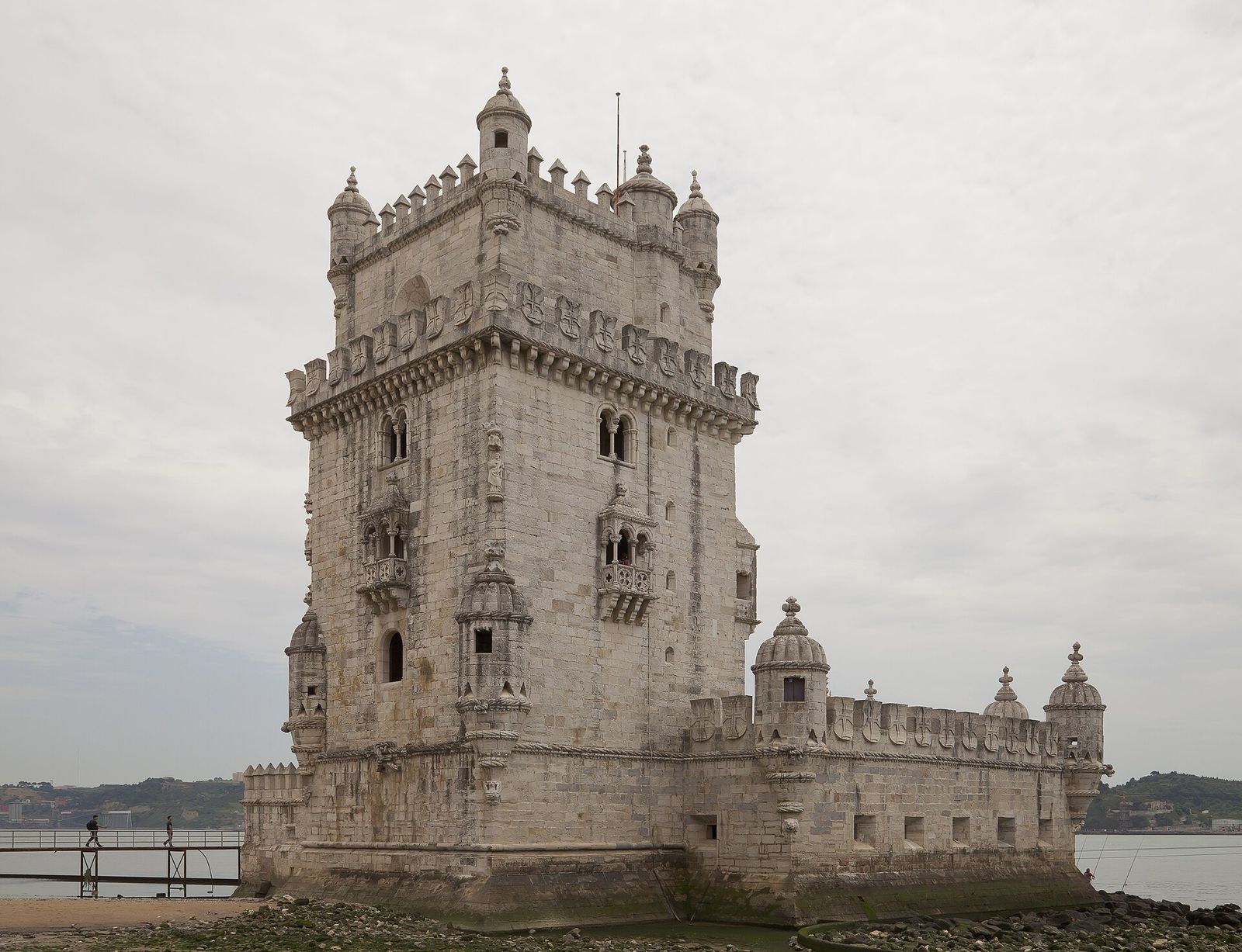
The Lisboa Card — transport and doors, with the reservation kept
Lisboa Card is the city's official tourist card, sold by Turismo de Lisboa in 24-, 48- and 72-hour versions. Two structural details decide whether it fits you, and both are easy to miss. First, it counts consecutive hours from first use, not calendar days — a card first validated in the afternoon runs into the same hour on its final day. Second, it is a physical card: bought online, it is collected at an Ask Me Lisboa desk in the city. In exchange it bundles unlimited use of the city's public transport — metro, Carris buses and trams, and CP city trains including the Sintra and Cascais lines — with free entry to a list of fifty-plus museums and monuments, plus discounts beyond them.
Sintra — the day trip that is booked, not taken
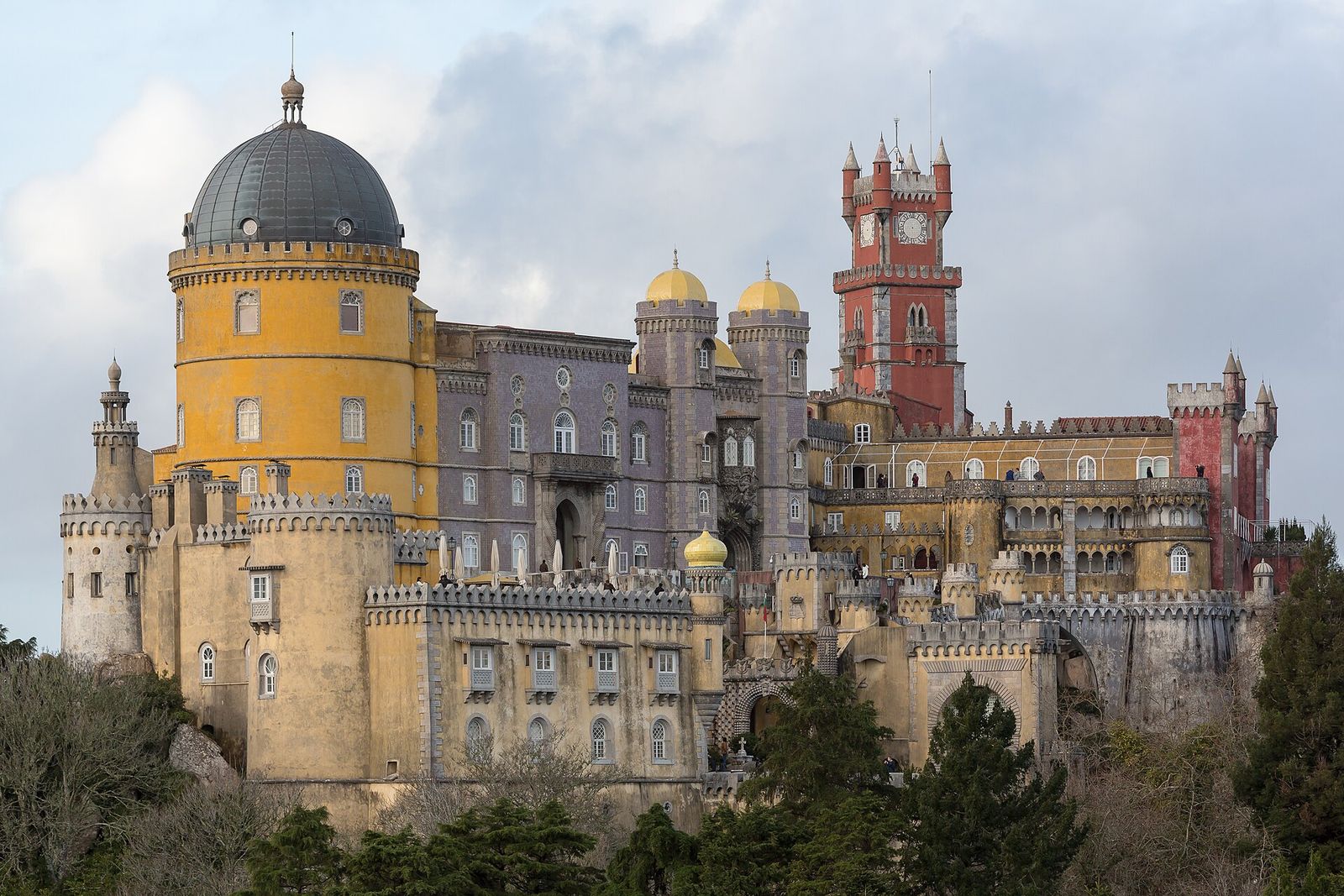
Sintra is Lisbon's palace hill town, reached by CP city trains from central Lisbon — Rossio is the classic departure — on an urban service: frequent, unreserved, and bought like any city journey. The train is the easy part. Sintra itself runs on the opposite system: its headline palace, Pena, is run by Parques de Sintra and sells timed entry to the palace, in layered products — a park-only ticket, an Essential Visit through the palace's main wing, and a Complete Visit that adds the private apartments, each at set times. And the clock that matters is not the park gate: the slot is the moment you stand at the palace door, uphill inside the park, so the walk from the entrance belongs inside your timing, not outside it.
One railway — how CP's layers fit the country
Almost every rail journey in mainland Portugal is a CP journey, and CP sells four different animals under one logo. The judgement is knowing which layer you are buying, because the rules change with the layer.
| CP layer | What it is | Booking structure | Watch out |
|---|---|---|---|
| Alfa Pendular (AP) | The flagship long-distance service on the main north–south axis | Reserved seat with every ticket; two classes, Turística and Conforto | A ticket without its assigned seat is not the product — the seat is part of what you bought |
| Intercidades (IC) | Long-distance trains reaching the wider set of cities the flagship skips | Also reserved-seat, in the same two-class structure | Slower than the flagship on shared routes — the saving is money, the cost is time; choose knowingly |
| Regional & InterRegional | The connective tissue — smaller towns, branch lines, the Algarve's coastal axis among them | Turn-up-and-ride structure, no reserved seat | Frequency, not speed, is the planning variable: build the day around the timetable, not the reverse |
| Urbanos (city trains) | Lisbon's and Porto's suburban networks — including the Sintra and Cascais lines | City fare structure on the shared card systems; no advance booking exists to make | These are commuter railways: peak hours are genuinely peaked, and the last trains are a real deadline |
CP also sells rail-pass products from time to time. We did not verify a current pass offer's terms for this page, so we make no pass recommendation for Portugal — if a pass appears on CP's site for your dates, judge it by the same rule as Britain's: count the long-distance days you will actually ride, and compare against the reserved-seat tickets themselves.
Widening the map — Porto as a base, the Algarve as a region
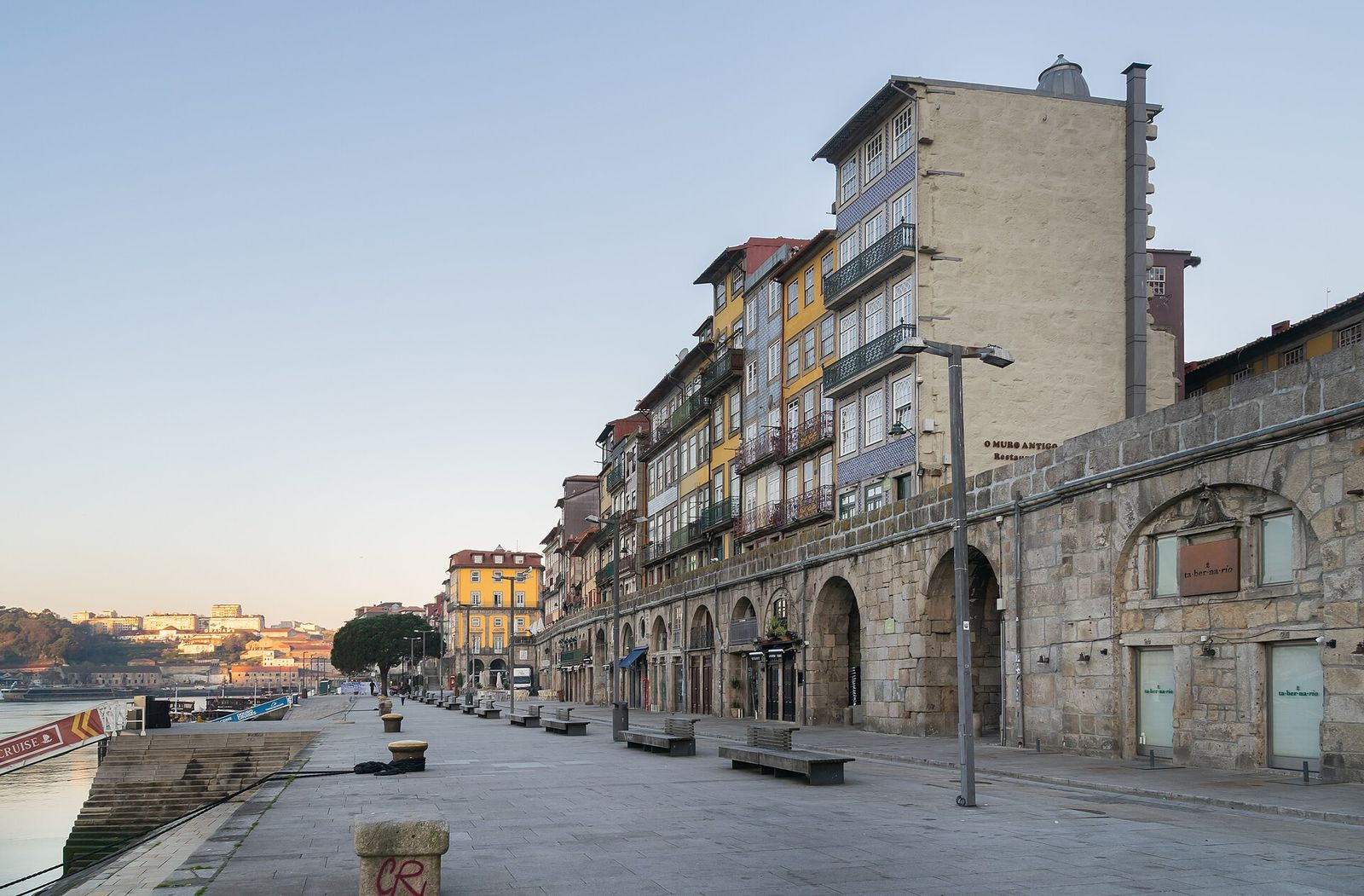 Porto, the second base: Portugal's north runs on the same grammar as Lisbon — a river, an old town that climbs from it, and views earned uphill. Give Porto its own nights rather than a day trip: the Lisbon–Porto axis is a half-day of railway in each direction once station hops are counted, and the city's evenings by the Douro are the part a day trip never sees. From Porto, the Douro valley is the natural extension — go with an operator or by regional rail, and verify the day's structure with CP or the tour's own listing rather than a guide's memory.
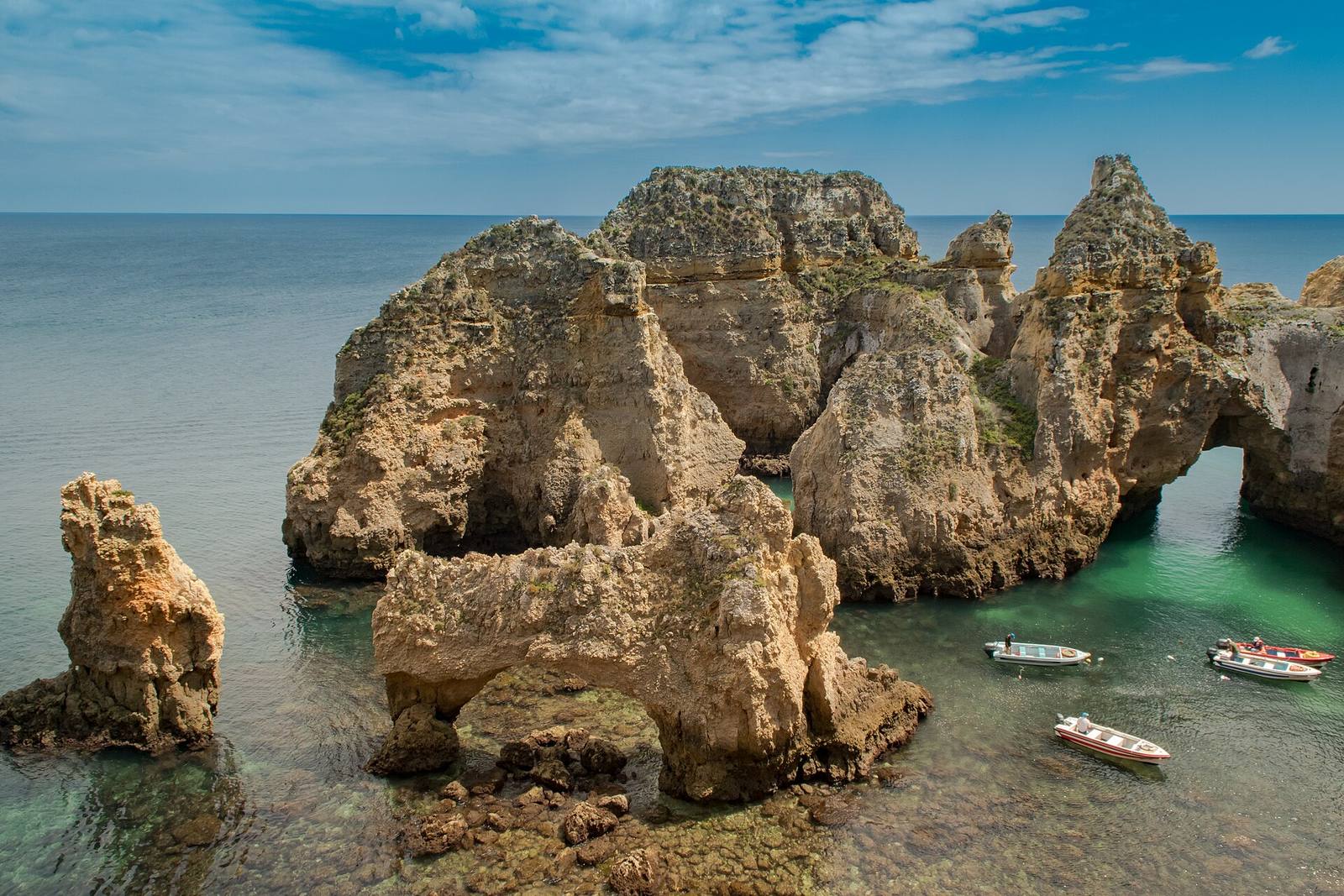 The Algarve is a coastline, not a town: Turismo de Portugal's own materials describe almost 200 kilometres of coast and more than a hundred beaches. Faro — its airport and its CP long-distance connection from Lisbon — is the gateway, not the destination: the resorts, old towns and cliff coasts spread east and west from it, a regional rail line runs along the coast, and a car earns its keep here in a way it never does in Lisbon. Choose the base town first; the region's distances will then plan themselves honestly.
Safety & practical — the unglamorous layer
Which Portugal is yours?
Decisions that actually matter
How does the 90-day rule actually count?
Up to 90 days in any 180-day period, across the whole Schengen area combined — not 90 days for Portugal alone. The European Commission publishes a short-stay calculator; use it if your trip strings several Schengen countries together.
Do I need ETIAS for Portugal now?
Not as we checked in November 2026: official EU guidance described ETIAS as scheduled for the last quarter of 2026 with the exact date still to be announced, and no applications being taken. The EES border registration, by contrast, is already phasing in. Verify both on the EU's official travel site for your dates — and never buy an "ETIAS application" from a third-party site in the meantime.
Is the Lisboa Card worth it?
It is a hours-based bundle of unlimited city transport plus free entry to fifty-plus venues. It pays when both halves are heavily used in the same stretch of hours — and it still does not remove reservations: Belém Tower needs a booked slot even for card holders, claimed with the card number after you collect the physical card.
Can I do Sintra without booking anything?
The train, yes — it is an unreserved city service. The headline palace, no, not reliably: Pena sells timed palace entry in layered products, and the slot is measured at the palace door, uphill from the park entrance. Book the slot, then plan the train backwards from it.
Alfa Pendular or Intercidades between Lisbon and Porto?
Both are reserved-seat CP long-distance services in two classes. The Alfa Pendular is the flagship and the faster shape; Intercidades trades time for a lower fare structure. There is no wrong answer — only an uninformed one, if you did not know you were choosing.
Do I need a car in Portugal?
In Lisbon, no — metro, trams and CP city trains cover the trip, and Sintra actively punishes driving. Between the cities, CP's long-distance layer is the default. The Algarve is the exception that proves the rule: along a 200-kilometre coast, a car for the coastal days is a reasonable tool.
Prices and terms change often — the booking site is the final word. Entry systems, card inclusions, palace slots and rail timetables all move; check the official page for your date. Facts on this page checked against official pages, November 2026.


