
🎸 Nashville, planned around the music
Nashville is the first Southern city in this hub, and its planning problem is not finding live music — the official visitors bureau counts more than 250 live entertainment venues — it is understanding that the music lives in two different houses and several different kinds of room. Downtown holds the honky-tonk strip on Lower Broadway, the Ryman Auditorium a short walk away, and the Country Music Hall of Fame and Museum on the SoBro side. The Grand Ole Opry's own house is not downtown at all: it sits out in the Opryland and Music Valley area, and it has to be planned as its own trip. Around those anchors sit a quiet listening room in Green Hills, a full-scale Parthenon in a West End park, and neighbourhoods across the river that locals actually live in. This page covers how the venues and tickets actually work, how to cluster the days, how getting around really functions, and why Nashville also works as the drive base for the whole state — with no prices stated, because in this city the honest answer is always on the venue's own page for your date.
The lay of the land — one downtown cluster, three outposts
Almost everything a first visit needs falls into four pieces. Downtown is a genuine walking cluster: Broadway's honky-tonks, the Ryman and the Hall of Fame sit within a few streets of each other. The Opry House, the Bluebird Cafe and Centennial Park are each a separate trip in a different direction — the mistake this page exists to prevent is treating any of them as a downtown stroll. The table is the map; the cards below carry the booking detail.
| Cluster | What is in it | How it works | Watch out |
|---|---|---|---|
| Downtown | Lower Broadway honky-tonks · Ryman Auditorium · Country Music Hall of Fame and Museum · Tennessee State Museum at Bicentennial Capitol Mall | Walkable between themselves; the daytime museum and tour layer pairs with the nighttime strip | Broadway is at its loudest at night; the museums are daytime buildings — sequence, don't stack |
| Music Valley | Grand Ole Opry House, by Opry Mills, east of downtown | Its own outing: a show night, or a daytime backstage tour, planned as a trip | It is not the Ryman, and it is not walkable from downtown |
| Green Hills | The Bluebird Cafe listening room | A small reserved-seat room outside downtown; a deliberate evening trip | It is a listening room — quiet is the house rule, and seats are booked ahead |
| West End | Centennial Park and the Parthenon | The non-music anchor: a large Metro park with the Parthenon as its centrepiece and art museum | The park is open space; the museum inside the Parthenon runs on its own hours |
Downtown — the strip, the church, the hall of fame
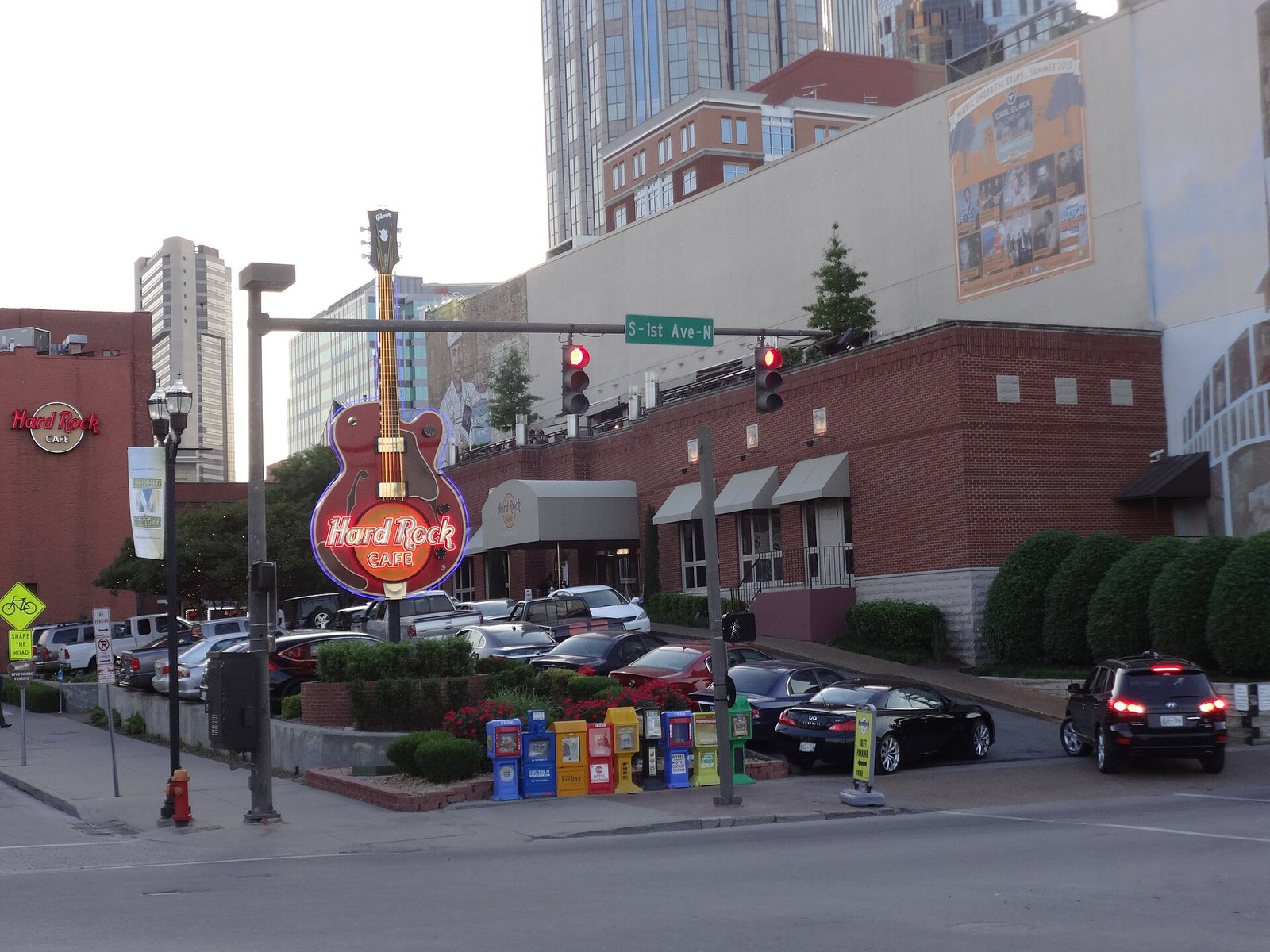
Lower Broadway — the Honky Tonk Highway Live music strip — walk-in bars
Strengths
- The densest free-form music in the city: the visitors bureau's own guidance is that most Broadway bars with live music have no cover charge, and music on the strip starts in the morning and runs into the small hours, every day
- The format is stacked and simultaneous — official listings show multi-floor, multi-stage houses on the strip, so one block holds several bands playing at once
- No booking layer at all: this is the part of Nashville you simply walk into, which makes it the flexible layer around the ticketed anchors
Watch out
- "Most bars, no cover" is a bureau-level pattern, not a promise for any single door on any single night — special events are the venue's own call
- The strip is a party district at night: loud, crowded and drink-led, which is the point for some visitors and the opposite of the point for others
- Bands work for tips in walk-in rooms — the honest cost of "free" music is what you put in the jar, and requests usually travel with one
Best for: the evening layer of a downtown day — and a daytime pass too, when the same stages are easier to hear and easier to leave.
See Visit Music City →Official site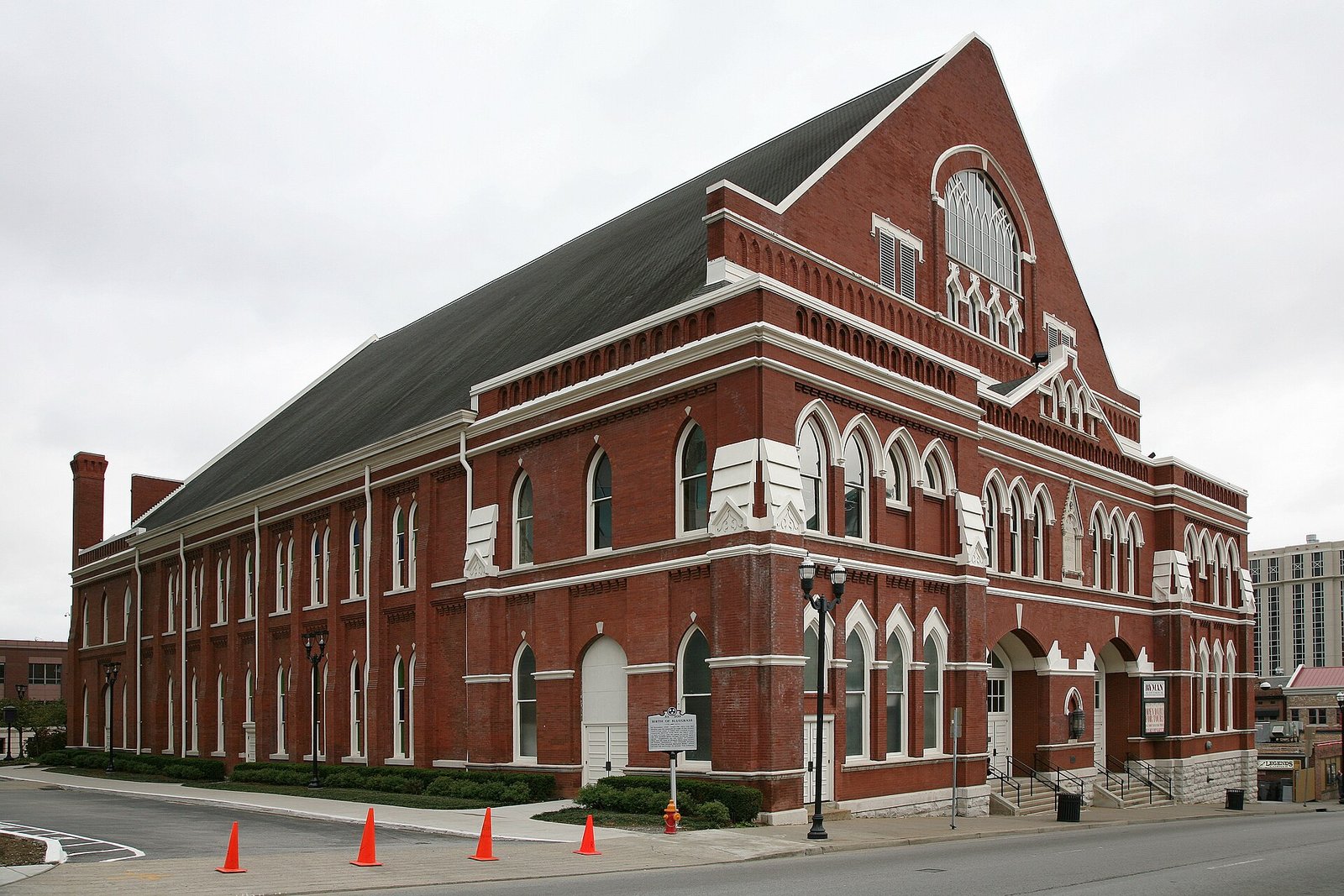
Ryman Auditorium Historic venue & museum — downtown
Strengths
- The room the Opry grew up in: a former church, known as the Mother Church, that the operator describes as the city's cultural epicentre since the building opened — and still a working stage with concerts on most nights
- Two ways in by day: a self-guided tour that opens with the Soul of Nashville theatre experience, and guided backstage tours through the dressing rooms — buy online ahead, as the operator warns events sell out
- It completes the Broadway cluster on foot: tour it by day, hear a show in it by night, and the honky-tonks are the walk home
Watch out
- It is not where the Grand Ole Opry normally plays — the Opry moved out in 1974 and returns only for special "Opry at the Ryman" nights, so a Ryman ticket and an Opry ticket are different purchases
- Tour patterns bend around the performance calendar; on a show day the daytime offer can change, which is the operator's call, not a guidebook's
- Door tickets exist, but the official advice is advance online purchase for the slot you want — treat walk-up as the fallback, not the plan
Best for: the daytime anchor of a downtown day, and the single most atmospheric room in the city for an evening show.
See Ryman Auditorium →Official site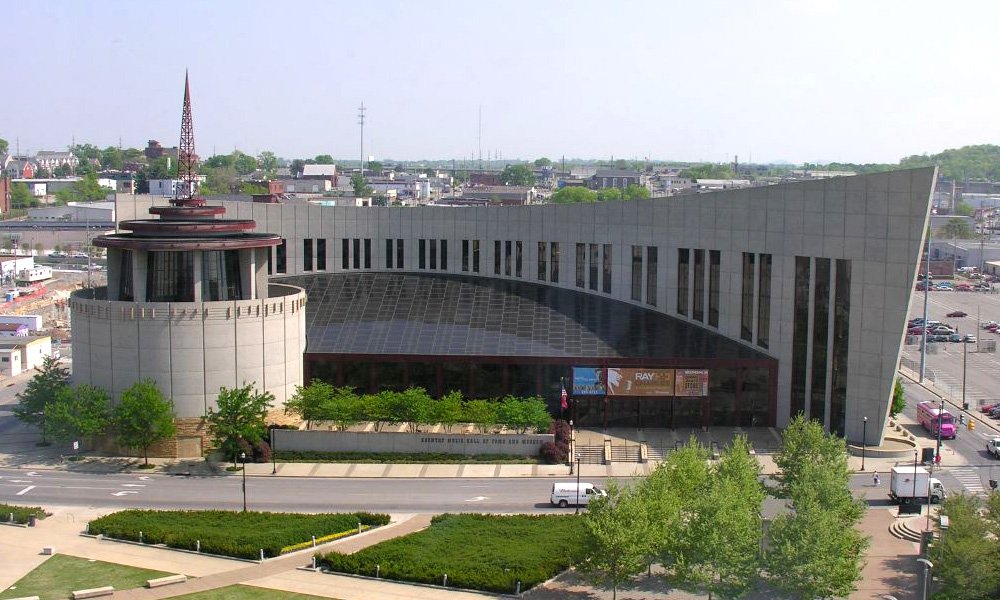
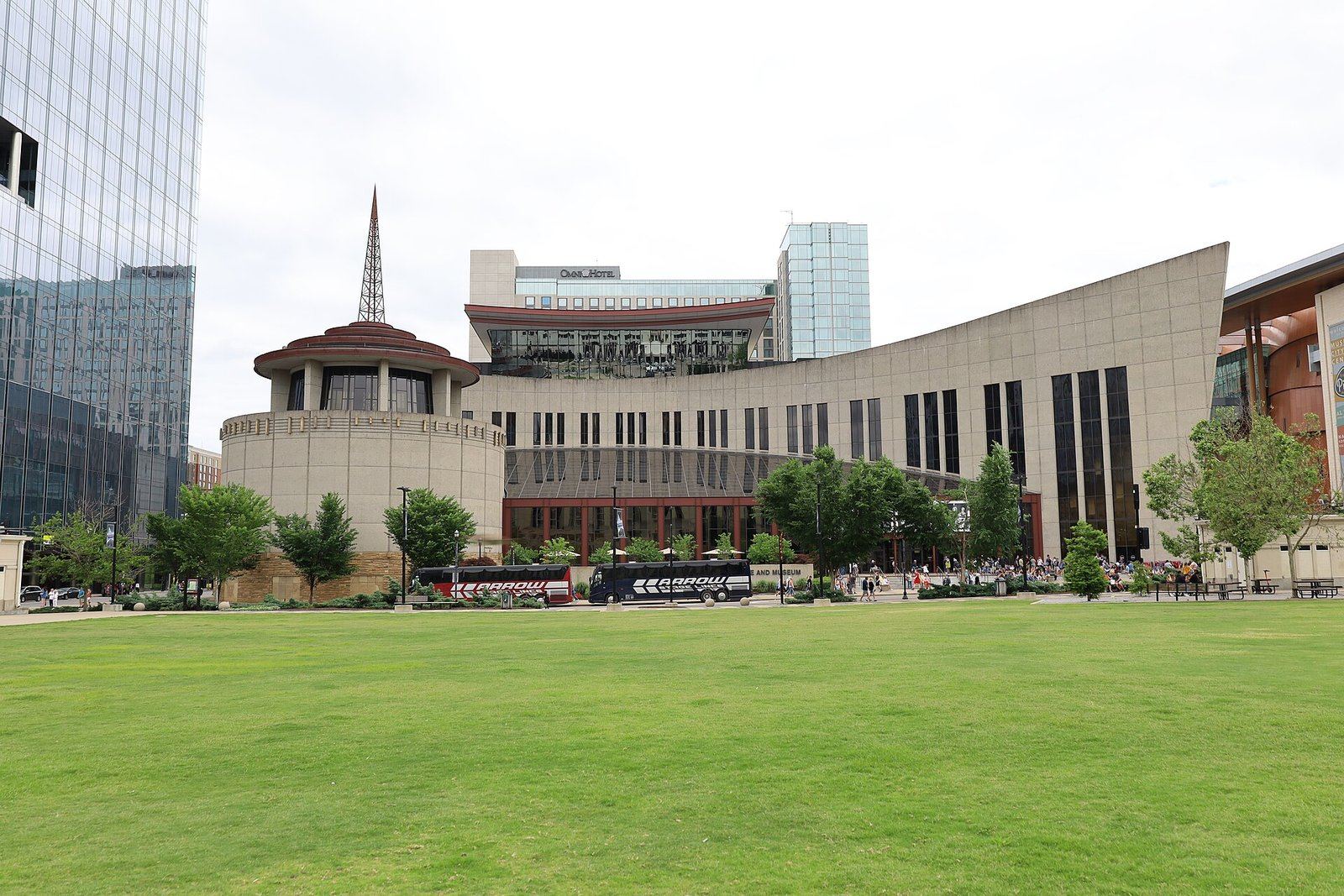
Country Music Hall of Fame and Museum Museum — downtown (SoBro)
Strengths
- The story layer the strip doesn't give you: the core exhibition, Sing Me Back Home, follows country music from its folk beginnings to a commercial art form, with rotating exhibitions alongside
- Two working pieces of music history ride along with it — the museum owns Hatch Show Print, a letterpress shop dating to 1879, and operates Historic RCA Studio B
- A nonprofit educational museum, chartered by the state in 1964 and in its downtown home since 2001 — the sober, curated counterpart to Broadway's noise
Watch out
- Studio B is not a room in this building: the tour runs from the museum out to the Music Row site, and it is a separate tour product from general admission — booking one does not include the other
- Rotating exhibitions turn over, so any specific temporary show named in older guides may simply be gone; the core exhibition is the dependable part
- It is a daytime building on the SoBro side of downtown — pair it with the Ryman and Broadway by sequence, not by expecting it to fill an evening
Best for: the morning of the downtown day — context first, honky-tonks after — and rainy-day cover that still moves the trip forward.
See the Hall of Fame →Official siteThe outposts — each one its own trip
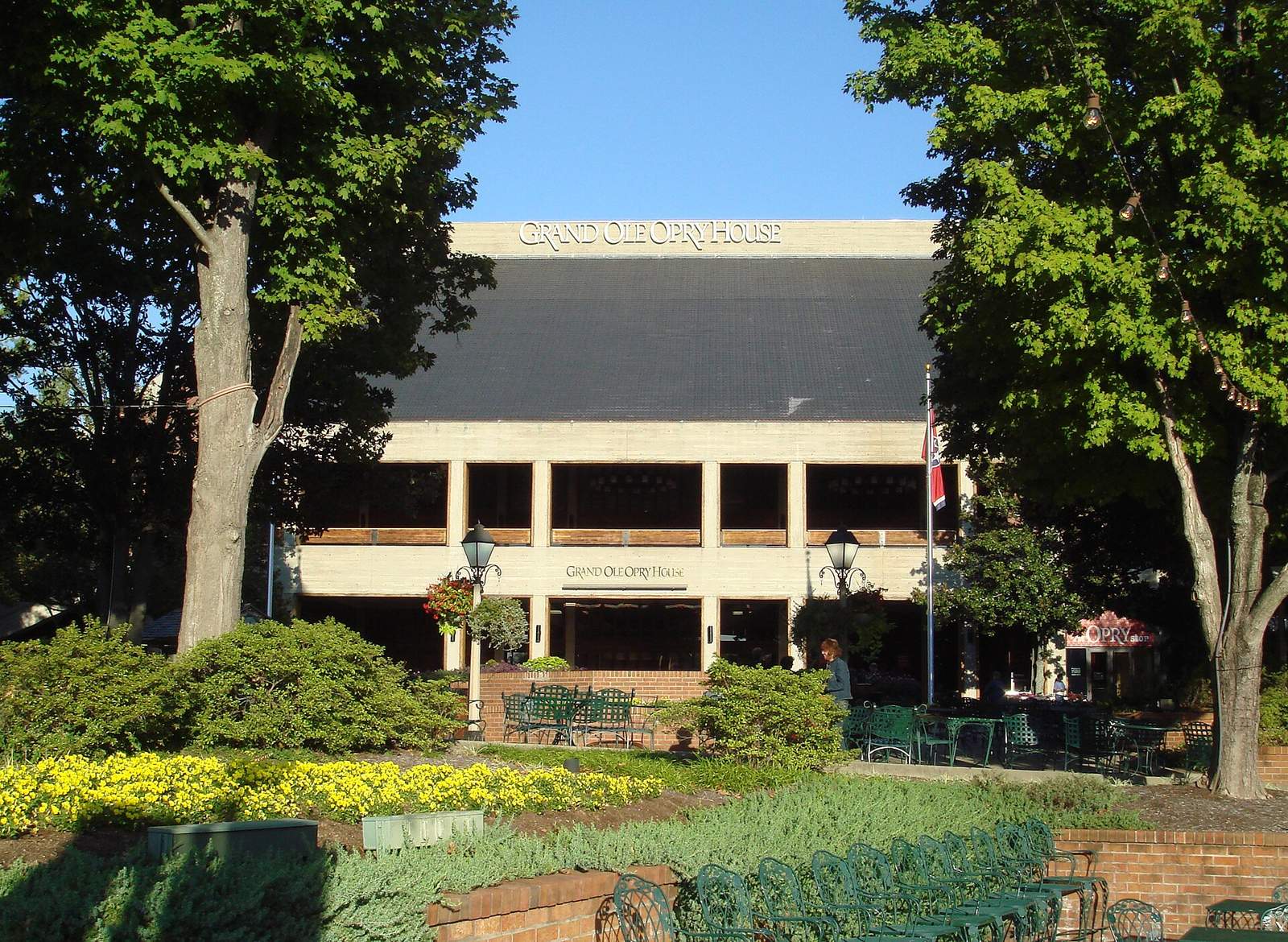
Grand Ole Opry — at the Opry House Lineup show — Music Valley
Strengths
- The Opry format is a lineup, not a headline concert: the operator bills it as the world's longest-running live radio broadcast, with eight or more artists at each show, each playing their own songs in their own style
- The centenary season is running as "OPRY 100" on the Opry's own listings — a good year to see the format at full strength
- Daytime backstage tours run at the Opry House too, and a combined ticket pairs an Opry House tour with a Ryman tour — the two houses in one purchase, on different sides of the city
Watch out
- Location is the whole trap: the Opry House is in the Opryland and Music Valley area by Opry Mills, east of downtown — an outing with transport planned, never a stroll from Broadway
- Which nights the Opry plays is seasonal and per-date; line-ups are announced show by show and filled out as dates approach, so no guide can tell you your night's cast
- Some Opry nights happen at the Ryman instead ("Opry at the Ryman") — check which house your date is actually in before you plan the evening around either
Best for: the trip's set-piece evening — booked first, with the rest of the itinerary built around whichever night and whichever house the calendar gives you.
See the Grand Ole Opry →Official site Browse Nashville tours →Affiliate link — you pay the sameThe Bluebird Cafe Listening room — Green Hills
Strengths
- The opposite end of Nashville music from Broadway: a small listening room where songwriters perform their own songs — the writers behind the hits, in the round, in a room that stays quiet for them
- The venue's own house rule is the famous one: it is a listening room, and audiences are expected to honour the quiet while performers are on stage
- Its setting is part of the story — an unassuming strip-mall room outside downtown in Green Hills, which is exactly why the performances feel the way they do
Watch out
- It is a very small room and seating is reserved through its own ticketing — this is the least walk-up-friendly music in the city, and the date has to be planned, not improvised
- It is not downtown: Green Hills is a separate trip, and an evening there does not combine with a Broadway night in the same hours
- If your Nashville is volume and neon, this room will feel like a library; if your Nashville is songs, it may be the night you remember
Best for: songwriters' night — the connoisseur evening, chosen over a second Broadway night.
See The Bluebird Cafe →Official site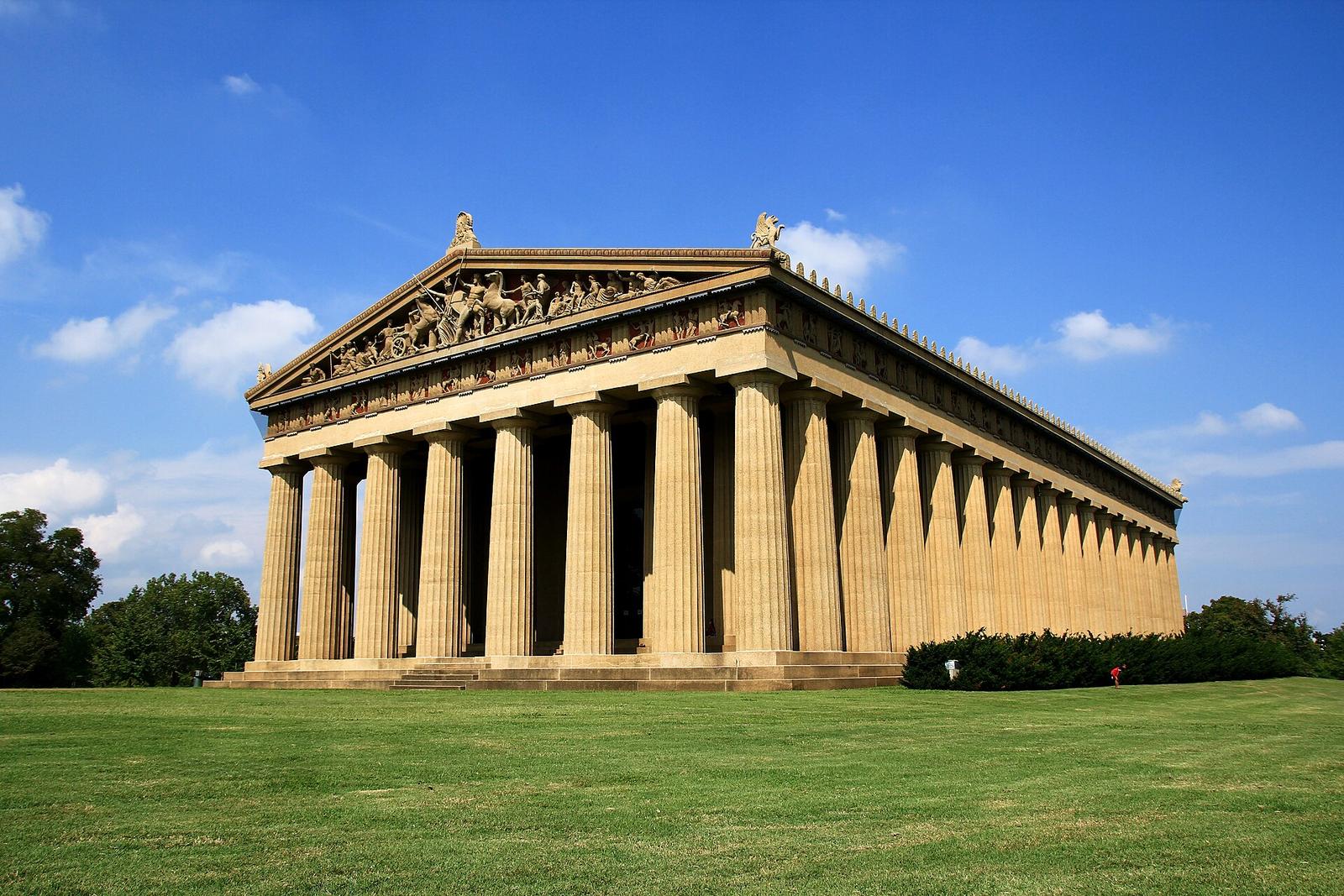
Centennial Park & the Parthenon Park & art museum — West End
Strengths
- The city's great non-music sight: a full-scale re-creation of the Athens Parthenon, first built for Tennessee's 1897 Centennial Exposition, standing as the centrepiece of a 132-acre Metro park
- It works two ways — the building serves as Nashville's art museum, with the re-created Athena statue as its focus, while the park around it offers a lake, a one-mile walking trail and open green space
- The natural counterweight in the itinerary: a morning here resets a trip that has been all stages and strips
Watch out
- The park and the museum are different offers with different rules — the grounds are a public park; entering the Parthenon museum runs on the museum's own hours and admission, checked on its official page
- West End is its own trip from downtown, on the Vanderbilt side of the city — it pairs with a Midtown or Music Row day better than with a Broadway one
Best for: the second morning — especially for travellers who came with a music fan and want one sight that is entirely theirs.
See the Nashville Parthenon →Official siteTwo houses, one show — the distinction that plans the trip
More Nashville itineraries go wrong on this one point than on any other, so it gets its own section. The Grand Ole Opry is a show — a radio-born, multi-artist lineup. The Ryman Auditorium is the downtown room that hosted it from the 1940s until the move in 1974, and is now a concert venue and museum in its own right. The Grand Ole Opry House, out by Opry Mills in Music Valley, is where the show normally lives now. Three names, two buildings, one show — and tickets, tours and transport all depend on keeping them straight.
Show tickets for Nashville's stages also surface through the general events channels covered in our shows comparison on the home page; the venues' own calendars above are the source of truth for dates and houses.
Beyond Broadway — the neighbourhoods that change the trip
Visit Music City's own neighbourhood guidance is unusually clear that downtown is only the loudest layer. Each area below is characterised the way the official bureau characterises it — as a personality, not a ranking — because which one suits you is a taste question, and the honest service is describing the difference.
Tennessee State Museum Museum — free admission
Strengths
- Genuinely free, in the museum's own words — "free and open to the public" — which makes it the easiest yes in the city on a grey day or a gap afternoon
- It anchors the Germantown half-day: museum, Farmers' Market and the Bicentennial Capitol Mall parkland in one walkable cluster, northwest of the downtown core by the Capitol
Watch out
- It keeps museum hours and museum holidays — check the day's opening on tnmuseum.org rather than assuming a daily pattern
- It is the state's story, not the music's: pair it with the Hall of Fame across the trip, not as a substitute for it
Best for: the free layer — families, wet weather, and the morning before a big Opry night.
See Tennessee State Museum →Official siteWhich Nashville day is yours?
The city course in this hub's sense: half-day modules first, then the one-day build, then what a second day honestly adds. Slots, not timetables — no start times are promised, because the ticketed anchors set the day and the venues publish those times.
Getting around — one airport funnel, a walkable core, a commuter train
Nashville as a base — the Southern drive fan
Nashville's second job in this hub is geographic. Tennessee's own transportation department makes the point officially: Nashville is one of only four US cities where six interstate legs converge — I-40 east and west, I-65 north and south, I-24 in both directions. That single fact is why a Nashville stay can honestly double as a Tennessee base, and it is also why this section names directions, not distances: how long any leg takes is a traffic-and-season question for your map on the day, and no figure is stated here.
What about money?
Deliberately, this page carries no budget table and no stated prices — that is this hub's standing rule for city courses, because Nashville's costs are set per date, per show and per seat by the venues themselves. The structure worth knowing is simple: the strip's walk-in music is the low-cost layer (most bars, no cover, by the bureau's own account — the tip jar is the honest expense), the State Museum is free, and the ticketed anchors — Opry, Ryman shows and tours, Hall of Fame, Studio B — are where the money concentrates. For worked numbers, our budget calculator builds example budgets for US trips — treat every figure there as an example to adjust, not a quote — and our travel cards comparison covers paying for it all without foreign-transaction surprises.
Decisions that actually matter
Is the Grand Ole Opry downtown?
No — and this is the question that saves trips. The Opry is a show, not a building in the downtown cluster. Its home is the Grand Ole Opry House in the Opryland and Music Valley area, east of downtown by Opry Mills. The downtown building in the story is the Ryman Auditorium, the Opry's former home, which now hosts its own concerts and tours — plus occasional special "Opry at the Ryman" nights. Always confirm which house your date is in on opry.com.
Do I need tickets in advance for Nashville?
For the anchors, yes — that is the operators' own advice, not ours. The Ryman advises buying tour tickets in advance online because events sell out, Opry shows are dated, seated events with line-ups announced per show, and the Bluebird's small room is reserved through its own ticketing. What needs no advance anything is the layer around them: Broadway's walk-in bars and the free State Museum.
Can I do Nashville without a car?
The downtown trip, yes: the core cluster walks, the Gulch extends it, WeGo buses cover the city network, and the airport funnels rideshare, taxi and the WeGo downtown bus service through one ground transportation centre. The radius is where it changes — the Opry House, the Bluebird and the Parthenon are each a transport leg, and the drive-base days by definition need wheels. The workable pattern is car-free downtown days, then a car (or booked transfers) for the days that leave the core.
Is Broadway suitable for families?
By day, the strip is a working music street — bands on stages, doors open, and our daytime module uses exactly that form. By night it is an adult, drink-led party district, and the honest family evening in this city is a seated show (the Opry's lineup format is the natural pick) rather than the strip. The free State Museum, the Parthenon park and the Hall of Fame are the family daytime spine.
How many days does Nashville need?
One full day does the classic build honestly — downtown museums and tour by day, one booked anchor by night. The second day is what turns it into Nashville rather than Broadway: a neighbourhood, the Parthenon, the other house's tour, or the Bluebird. Beyond two days, the city becomes a base — the interstate fan in the section above is the truthful menu for days three and four, not more of the strip.
Where should I sleep — downtown, the Gulch, or further out?
By walking logic, not price: downtown and the Gulch keep the core cluster and both evening patterns (strip nights and Ryman nights) on foot; Midtown shortens the Parthenon and Music Row side; a Music Valley stay only makes sense built around an Opry House night. Compare the actual properties in our hotels comparison — this page's job is the geography, and geography says the first two are the default base.
Prices and terms change often — the booking site is the final word. Show calendars, tour patterns, museum hours and transit timetables all change by season; check the operator's own page for your date. Facts on this page checked against official sources, November 2026.


