
🎺 New Orleans, beyond the Quarter
Most first visits to New Orleans never really leave a few famous streets — and the city makes that easy, because the French Quarter is dense, loud and right there. But the version of New Orleans that stays with people is wider: a green streetcar rolling under live oaks to the Garden District and Uptown, a small dark room where traditional jazz is played the way it was played generations ago, a sculpture garden under the oaks of City Park, and music spilling out of small clubs on Frenchmen Street long after the Quarter's crowds have peaked. This page is the route layer for that wider city: which cluster comes first, which streetcar ties it together, how the music nights actually sequence — and how the whole plan changes when Carnival season, summer heat or hurricane season rewrites the streets. No prices are printed here on purpose; this is the course, and the money layer lives in the planner linked at the end.
The lay of the land — four clusters and the cars that tie them
New Orleans rewards travellers who think in clusters rather than checklists. The Quarter and the riverfront are one walk. The Garden District and Uptown are one streetcar ride. City Park is one branch line away. The Warehouse District's big museum campus is the downtown counterweight. The table is the map; the cards below carry the detail — including the honest downside of each stop, because every provider and venue on this page gets its cons printed, partners included.
| Cluster | What's there | How you move | Watch out |
|---|---|---|---|
| French Quarter & riverfront | Jackson Square · St. Louis Cathedral · French Market · the riverfront itself | On foot; the Riverfront streetcar runs the length of it | Bourbon Street is one street, not the Quarter — the quieter blocks are the point |
| Garden District & Uptown | Mansion blocks · Lafayette Cemetery No. 1's setting · Audubon Park · the universities | The St. Charles streetcar, end to end | It is a ride-and-walk cluster: pick your stops, don't try to "finish" the avenue |
| City Park & Mid-City | New Orleans Museum of Art · Besthoff Sculpture Garden · the park oaks | The Canal streetcar's City Park branch | It is its own half-day — don't wedge it between Quarter plans |
| Warehouse District & CBD | The National WWII Museum campus · the downtown hotel core | Walkable from the Quarter side; streetcar and bus corridors cross it | The museum campus is a half-day minimum in planning terms — treat it as an anchor, not a filler |
| Marigny evenings | Frenchmen Street's music clubs, just downriver of the Quarter | Walk from the Quarter's edge; ride back if it's late | The music starts in the evening — a daytime visit misses the point entirely |
The Quarter first — but read it properly
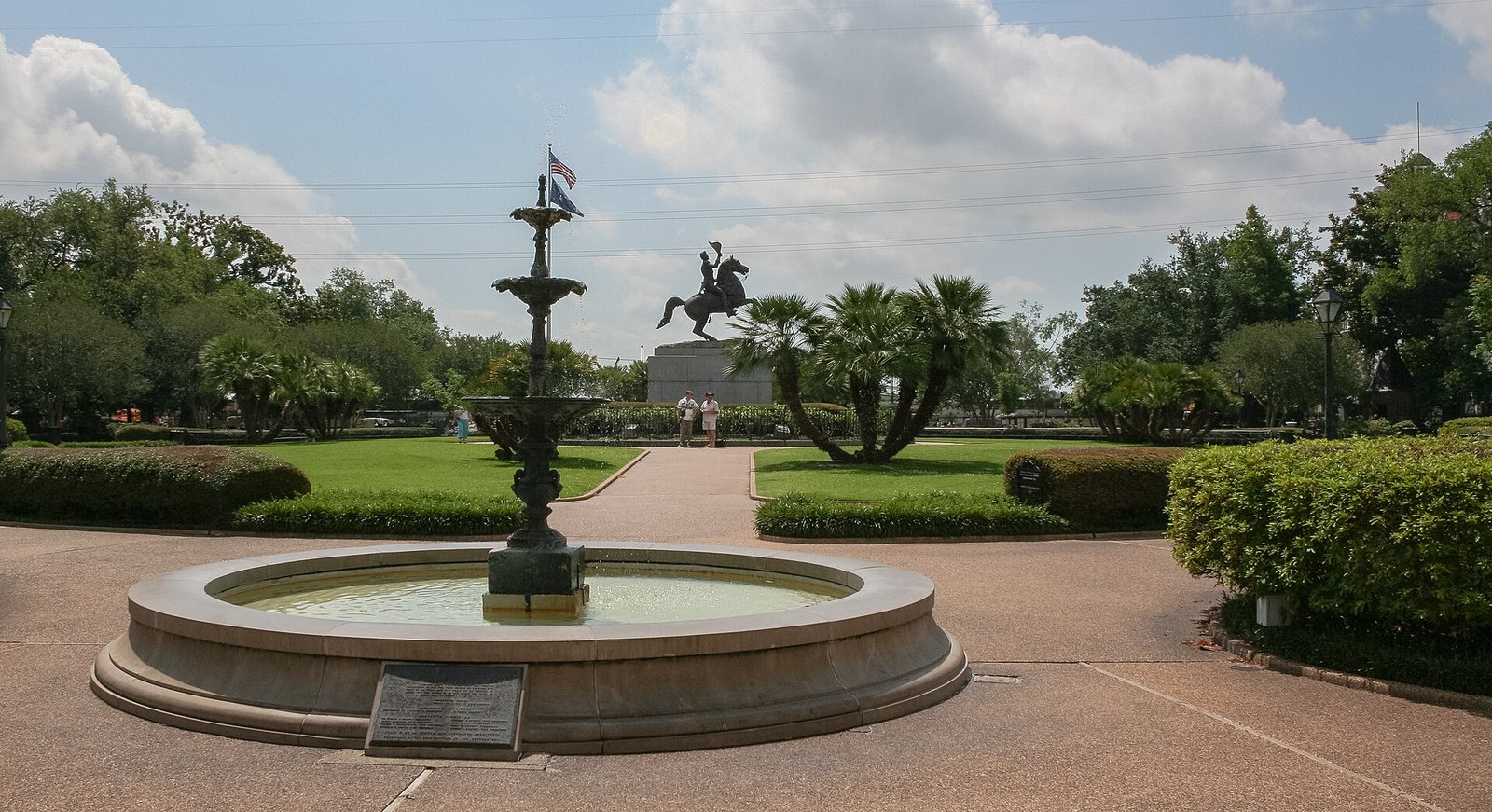
Jackson Square & the French Quarter core Historic core — no ticket
Strengths
- The square, the cathedral and the river levee sit in one walkable frame — the city's natural first morning
- The French Market end of the Quarter is a working market edge, not a staged attraction
- Nothing here needs a ticket to start: the cluster works as an unplanned wander with a map in your head
Watch out
- The famous party street is a small, loud slice of the Quarter; judging the whole neighbourhood by it undersells the rest
- Midday crowds concentrate exactly where first-timers concentrate — early mornings are a different, calmer Quarter
- Street performers and hustlers work the square's edges; enjoy the show, keep the usual city awareness
Best for: the first morning of the trip — square, cathedral, market, river — before any timed plan begins.
Browse New Orleans tours →Affiliate link — you pay the sameThe National WWII Museum Museum campus — Warehouse District
Strengths
- A multi-building campus, not a single gallery — the one downtown sight that reliably fills a half-day slot on its own
- Entirely indoors, which makes it the city's strongest rain and summer-heat anchor
- It balances the trip: one serious, structured day-part against the Quarter's wandering
Watch out
- It is emotionally and physically a lot — scheduling it as a quick add-on before a music night short-changes both
- Hours, closure days and any film or add-on structure are date-specific: the museum's own page is the word for your date
- Weekend and holiday crowds build through the day; the earlier slot is the calmer one
Best for: the anchor of a Warehouse District day — and the automatic plan B when the weather turns.
See the National WWII Museum →Official siteThe streetcar city — Garden District and Uptown
St. Charles Avenue streetcar RTA line — Garden District & Uptown
Strengths
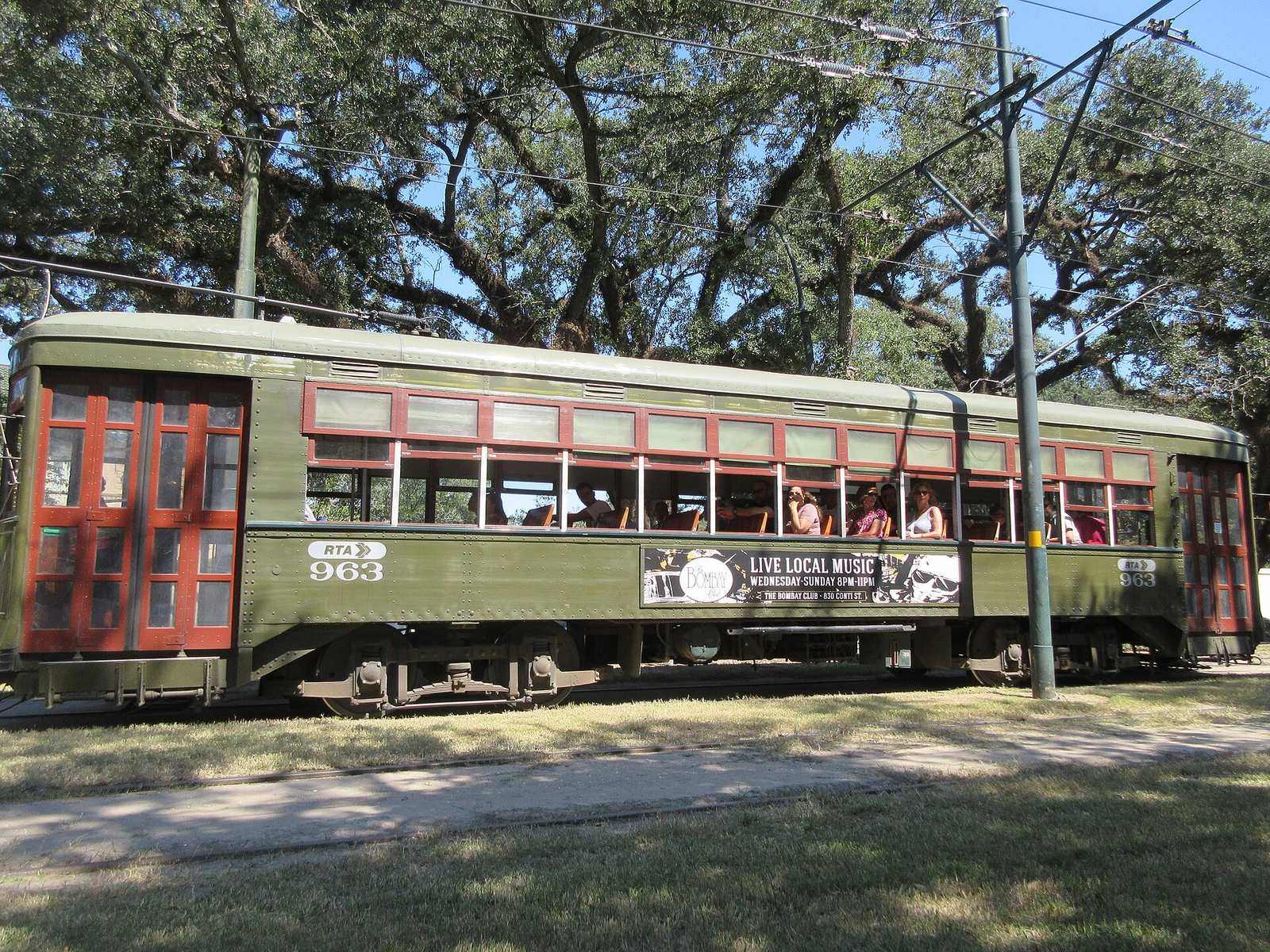
- The RTA's historic line from Canal Street through the Garden District and Uptown — the ride itself is the sight, under the oak canopy
- It strings the whole western cluster together: Garden District stops, the universities, Audubon Park, the Riverbend end
- It is working public transport, not a tour product — you ride it the way residents do
Watch out
- It is not fast, and it is not meant to be: anyone on a tight clock should treat it as a scenic ride, not a shortcut
- Parade season and construction can detour or bustitute sections — the RTA's current alerts page decides on the day
- The historic cars are the charm and the limitation at once; the other lines' newer cars are the accessible ones — check the RTA's current guidance if that matters to your group
Best for: a Garden District and Uptown half-day — ride out in the morning light, walk the mansion blocks, ride back.
See the RTA (NORTA) →Official siteGarden District & Audubon Park Neighbourhood walk — Uptown
Strengths
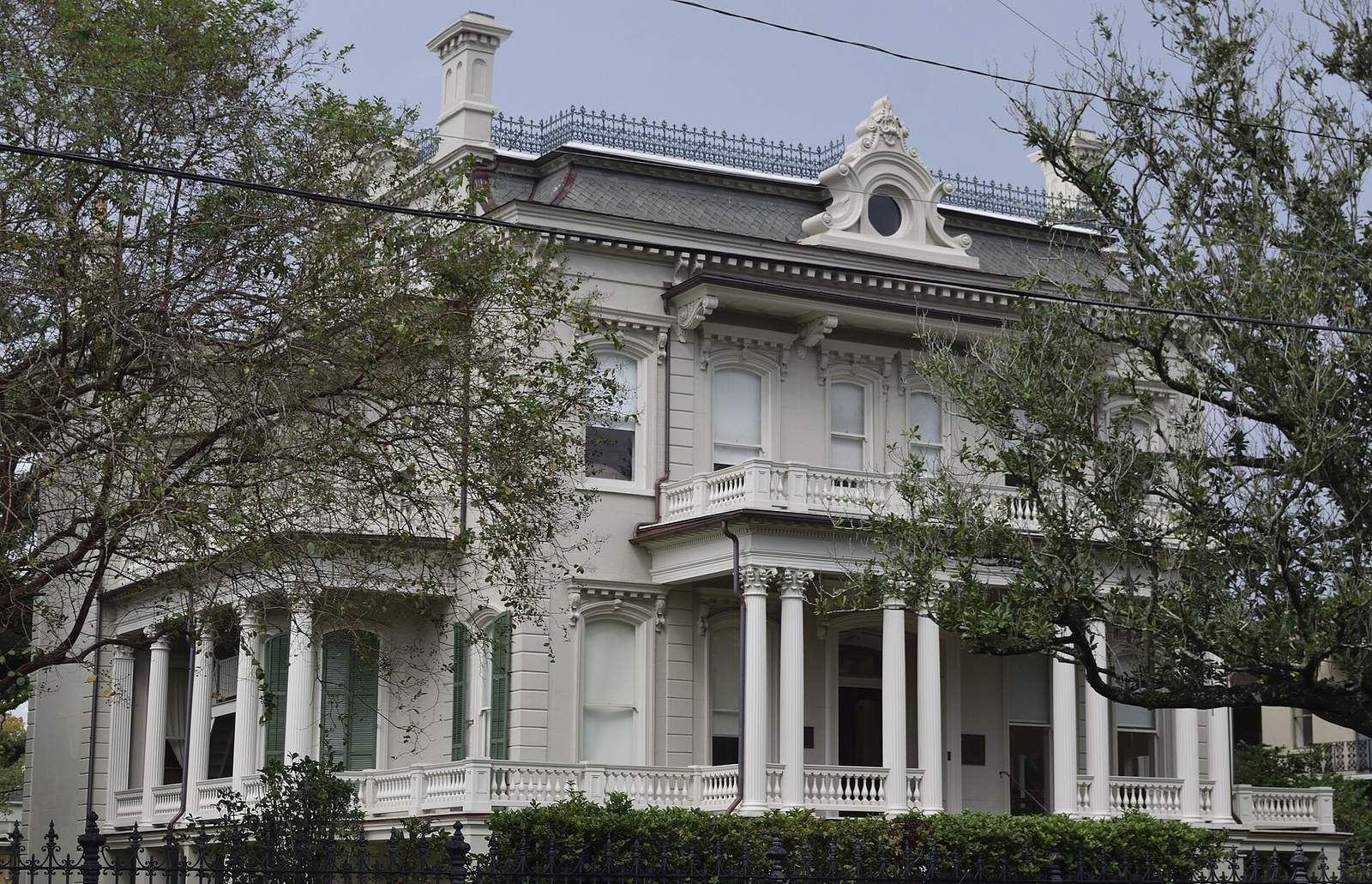
- The mansion blocks around the Washington Avenue stop are the classic walk: big houses, deep gardens, live oaks, at street pace
- Further up the same line, Audubon Park gives the cluster its green second act, across from the Tulane and Loyola campuses
- The whole cluster is free-form: no gate, no ticket, no fixed order — the streetcar sets the spine and you set the stops
Watch out
- These are real residential streets and private homes — the walk is from the pavement, and that is the correct way to do it
- Cemetery access rules in this part of the city change; don't build a plan that depends on walking into a named cemetery unannounced — check its current visiting arrangements first
- Summer heat hits this walk hard: there is shade, but the honest version of this cluster in July is an early start
Best for: the morning half of a streetcar day, paired with a City Park or museum afternoon.
Browse guided walks on GetYourGuide →Affiliate link — you pay the sameCity Park, NOMA & the sculpture garden Park & museum — Mid-City
Strengths
- The Canal streetcar's City Park branch ends the debate about how to get there — the line delivers you to the museum's park
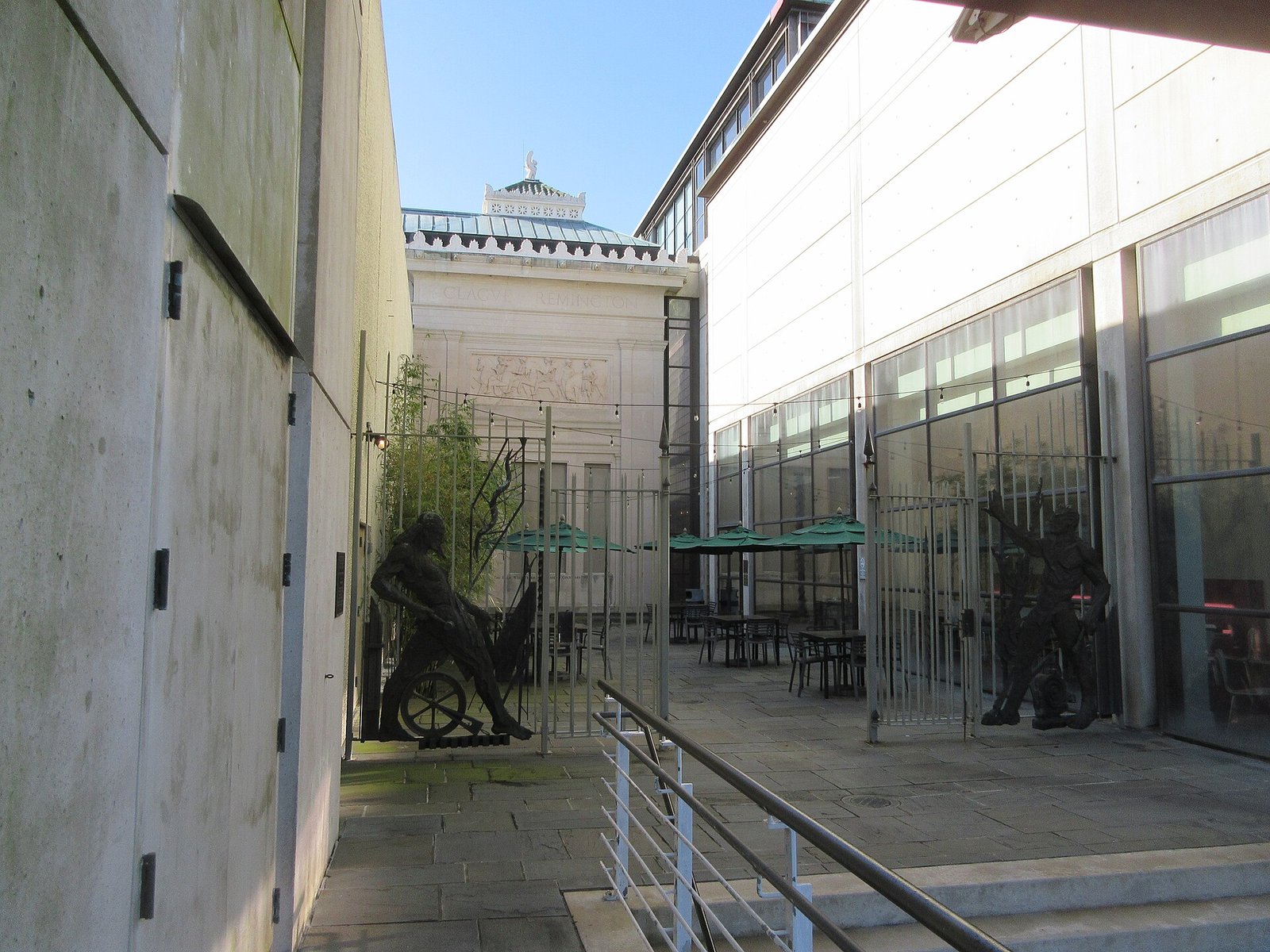
- Indoors and outdoors pair naturally: the museum's galleries and the Besthoff Sculpture Garden under the oaks in one visit
- It is the calmest of the city's big clusters — the counter-programme to a loud night before
Watch out
- The park is large and the cluster sprawls; without a chosen focus the half-day dissolves into walking between things
- Museum hours and the garden's arrangements are the venue's to set — confirm on NOMA's own page for your date
- The sculpture garden is outdoors: in peak summer it belongs early or late in the day, not at noon
Best for: day two's morning — especially the morning after a Frenchmen Street night.
See NOMA →Official siteThe music — how a New Orleans night actually sequences
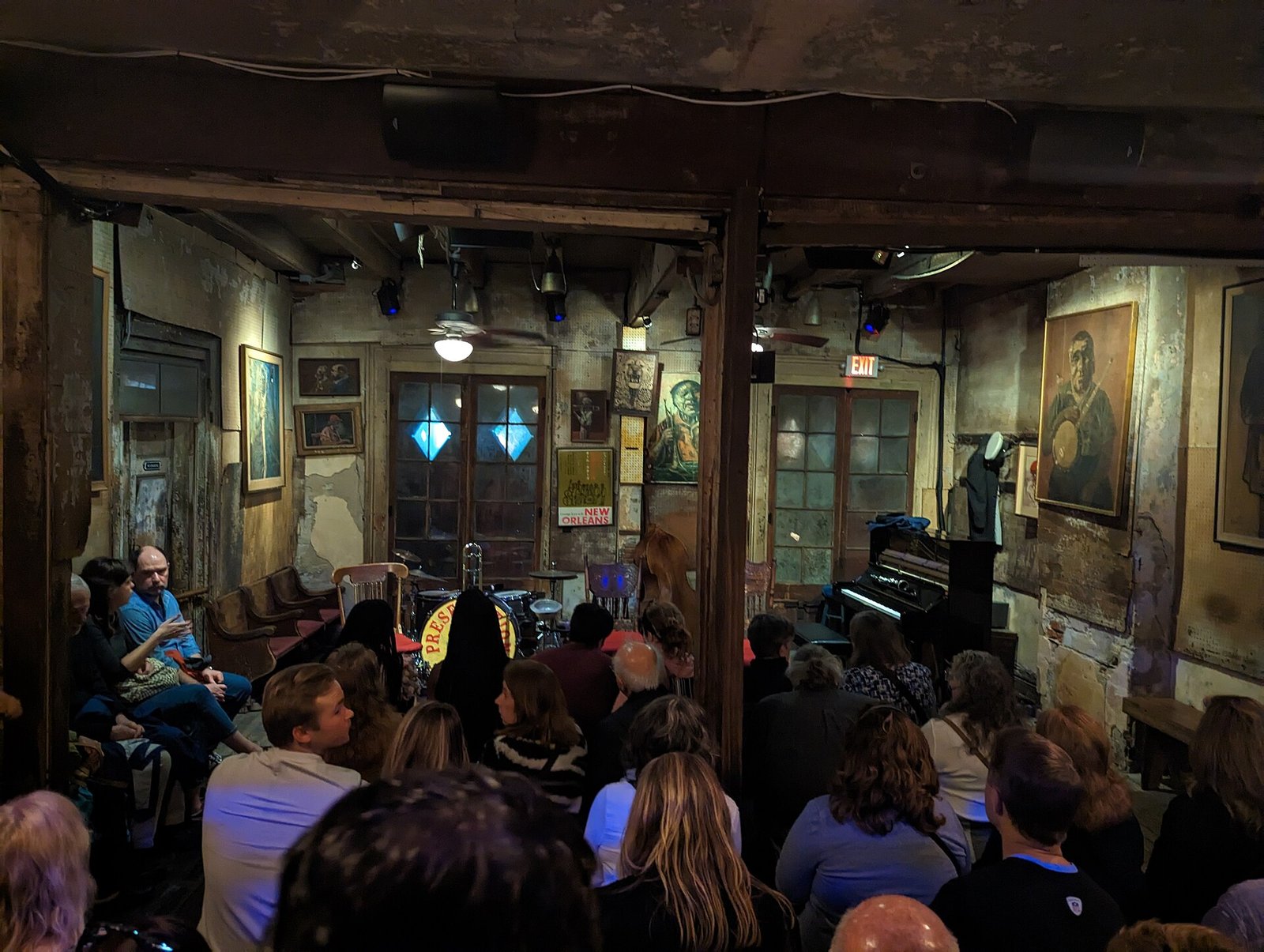
Music is not an evening activity you add to a New Orleans trip; for most visitors it is the reason the trip exists. The honest structure has two movements. Early evening belongs to the listening rooms — small, seated, quiet enough to hear a cornet breathe. Later belongs to Frenchmen Street, where the clubs sit close enough together that you choose by ear from the pavement. The National Park Service's jazz historical park programmes are the daytime primer that makes both movements mean more: rangers explain the music's history in the city where it was born, and the night's listening lands differently afterwards.
Preservation Hall Traditional jazz — French Quarter
Strengths
- A small French Quarter hall devoted to traditional New Orleans jazz — the music unamplified, close and undiluted
- It is a set, not a night: it fits before dinner plans or before a Frenchmen Street evening without consuming either
- For a first-time listener it is the clearest possible introduction to what this city's music actually is
Watch out
- Small means small: capacity is limited and popular nights fill — the venue's own current ticketing arrangements are the only reliable guide
- It is a listening room, not a bar: go to hear, not to drink, and expect the room to ask the same of everyone
- Don't stack it against a parade night or a festival evening without checking what's actually on — the city's calendar collides with itself in season
Best for: the early-evening set on your first full night — then dinner, then Frenchmen if you still have ears and legs.
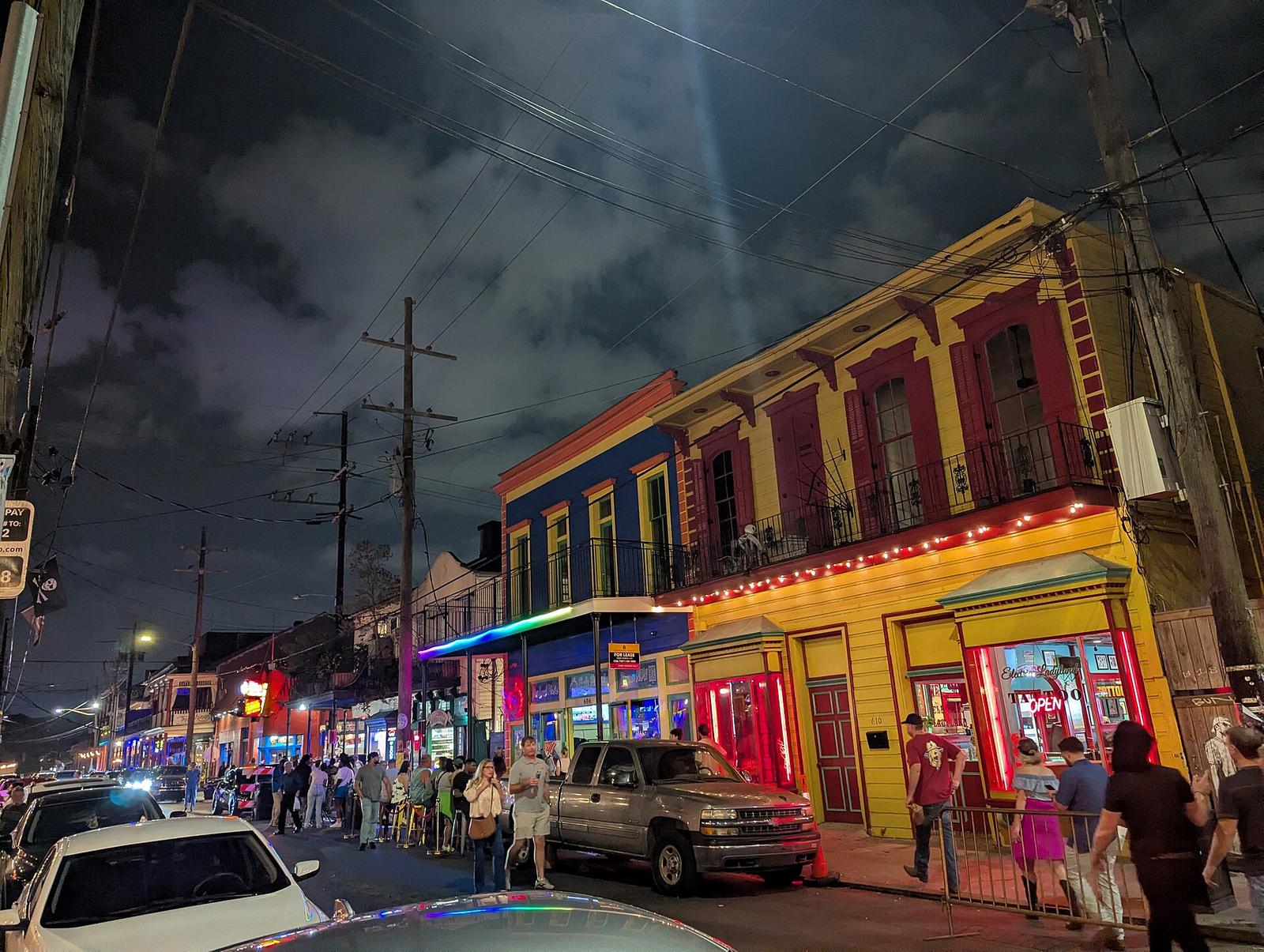
See Preservation Hall →Official siteFrenchmen Street Music clubs — Marigny
Strengths
- A compact corridor of small clubs just downriver of the Quarter — several rooms, several bands, one short street
- The choosing is the pleasure: stand outside, listen, and walk into the sound you like
- It draws a listening crowd — the contrast with the Quarter's party strip is the whole point
Watch out
- Cover and door arrangements vary by club and by night; there is no single ticket and no single rule
- It is an evening-only product — arriving in the afternoon and judging it then is a category error
- Late nights here are the trip's highlight and its tax: plan the next morning accordingly (City Park was built for it)
Best for: the main music night of the trip — unhurried, on foot, chosen by ear.
Browse New Orleans night tours →Affiliate link — you pay the sameFestival season — the city runs on a different map
New Orleans has two calendars. On the ordinary one, the courses on this page work as written. On the festival one, the same streets host a different city — and the planning skill is knowing which calendar your dates fall on before you fall in love with a route.
Weather reality — heat, humidity and the hurricane calendar
Getting in and around — the airport decision and the car question
Which New Orleans is yours?
Decisions that actually matter
Do I need a car in New Orleans?
For the city on this page, no. The Quarter, Garden District, City Park and Warehouse District chain together by streetcar and on foot, and a car adds parking cost and friction in the core. Rent only for a day that leaves the city — and give the car back when it does.
When is Mardi Gras?
It moves. Carnival season opens on January 6 every year and ends on Fat Tuesday, the day before Ash Wednesday — and because Ash Wednesday follows Easter, Mardi Gras Day lands anywhere from early February to early March depending on the year. Anyone quoting you a fixed annual date is quoting one year. Check the official calendar for the year you are travelling.
Is Bourbon Street the French Quarter?
No — it is one famous, loud street inside a much larger, older and mostly quieter neighbourhood. See the Quarter in the morning as well as at night, walk its residential blocks and the river side, and let Frenchmen Street — not Bourbon — be your music benchmark.
How do I get from the airport without a car?
By scheduled bus. The RTA's 202 Airport Express heads for downtown and the Union Passenger Terminal area; Jefferson Transit's E1 heads for City Park Avenue on a different line. Airport guidance boards them on the baggage-claim level outside Door 2. Pick by your hotel's side of the city, and confirm the current timetable with the operator — this page prints structures, not schedules.
Should I avoid hurricane season?
The season (June 1 to November 30 by NOAA's definition, peaking August to October) is a reason to plan flexibly, not automatically a reason to stay away: keep bookings changeable where you can, and watch the National Hurricane Center's forecasts in the run-up. A forecast named storm aimed at the Gulf Coast is a reason to re-time the trip — decide that from the official forecast, not from a guide written months earlier.
Why are there no prices on this page?
By design. This is the route layer — clusters, order, season, entry structure — and routes should not drift every time a fare changes. When you want these same days costed, the budget planner works from example figures that are labelled as examples, and every operator's own page holds the live figure for your date.
Prices and terms change often — the booking site is the final word. Streetcar detours, festival calendars and museum hours all change by season and by year; check the operator's own page for your date. Facts on this page checked against official pages, November 2026.


