
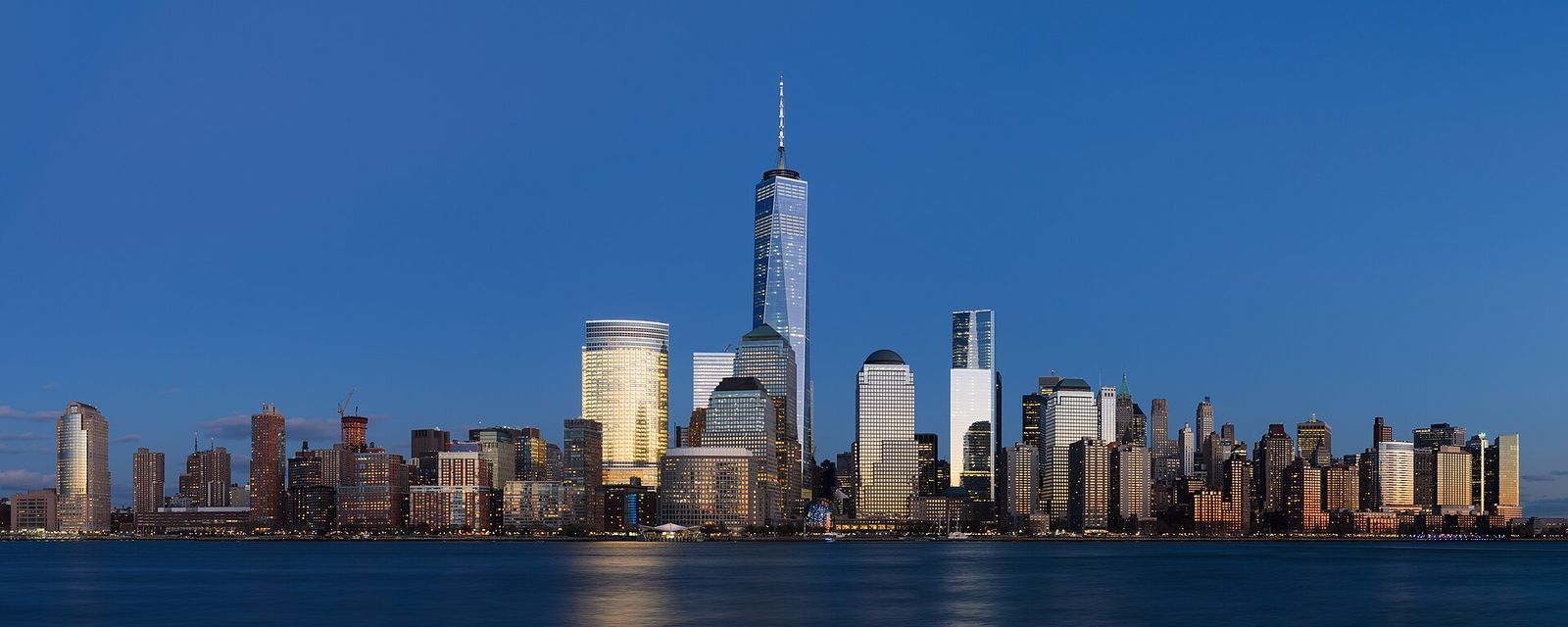
🗽 New York, planned as a routing problem
New York City is not a sightseeing list — it is a routing problem. The famous names are real, but they sit in borough-sized clusters that punish anyone who treats Manhattan like a checklist: the harbour islands at the southern tip, the Midtown towers and theatres, the museum-and-park spine up the middle, Brooklyn across its own bridge. Nobody honest "sees New York" in a day; what you can do is choose your clusters well, book the few doors that run on reservations, and let the subway — not a car — do the joining up. This page maps the clusters, the ticket structures that actually gate them, the three airports and how to judge between them, and how to build days that survive the weather.
The lay of the land — borough clusters, one subway
Plan by cluster, not by fame. Each row below is a half-day or a day that geography actually allows; the cards after the table carry the booking detail.
| Cluster | What's there | How admission works | Watch out |
|---|---|---|---|
| Harbour & Lower Manhattan | Statue of Liberty & Ellis Island ferries · 9/11 Memorial & Museum · One World Observatory · Wall Street | The island ferry is one authorised operator; pedestal and crown are separate, limited, advance-only tickets | The time on a ferry ticket is when you join the security queue, not a departure — peak waits can run an hour or more |
| Midtown | Empire State Building · Top of the Rock · Times Square & Broadway · Grand Central Terminal · MoMA | Observatories run on timed reservations; Grand Central is a working station you simply walk into | Two observatories in one trip is a choice, not a default — they sell overlapping views on different terms |
| The park & museum spine | Central Park · The Met (Fifth Avenue) · American Museum of Natural History · Guggenheim | The park is free public ground; The Met does not accept outside passes or vouchers at all | The Met is not in CityPASS, and pay-what-you-wish is a residents' policy, not a visitor discount |
| Brooklyn | Brooklyn Bridge walk · DUMBO & Brooklyn Heights · Brooklyn Museum side of the borough | The bridge walkway is public space — no ticket exists for it | Brooklyn is a cluster of its own, not an annex of Manhattan: give it its own half-day |
| Its own expedition | The Met Cloisters (Fort Tryon Park) · the far ends of Queens and the Bronx | A Met ticket covers both Met sites on the same date | These are half-day commitments with real travel at both ends — don't wedge them into a Midtown day |
The harbour — one authorised ferry, three different products
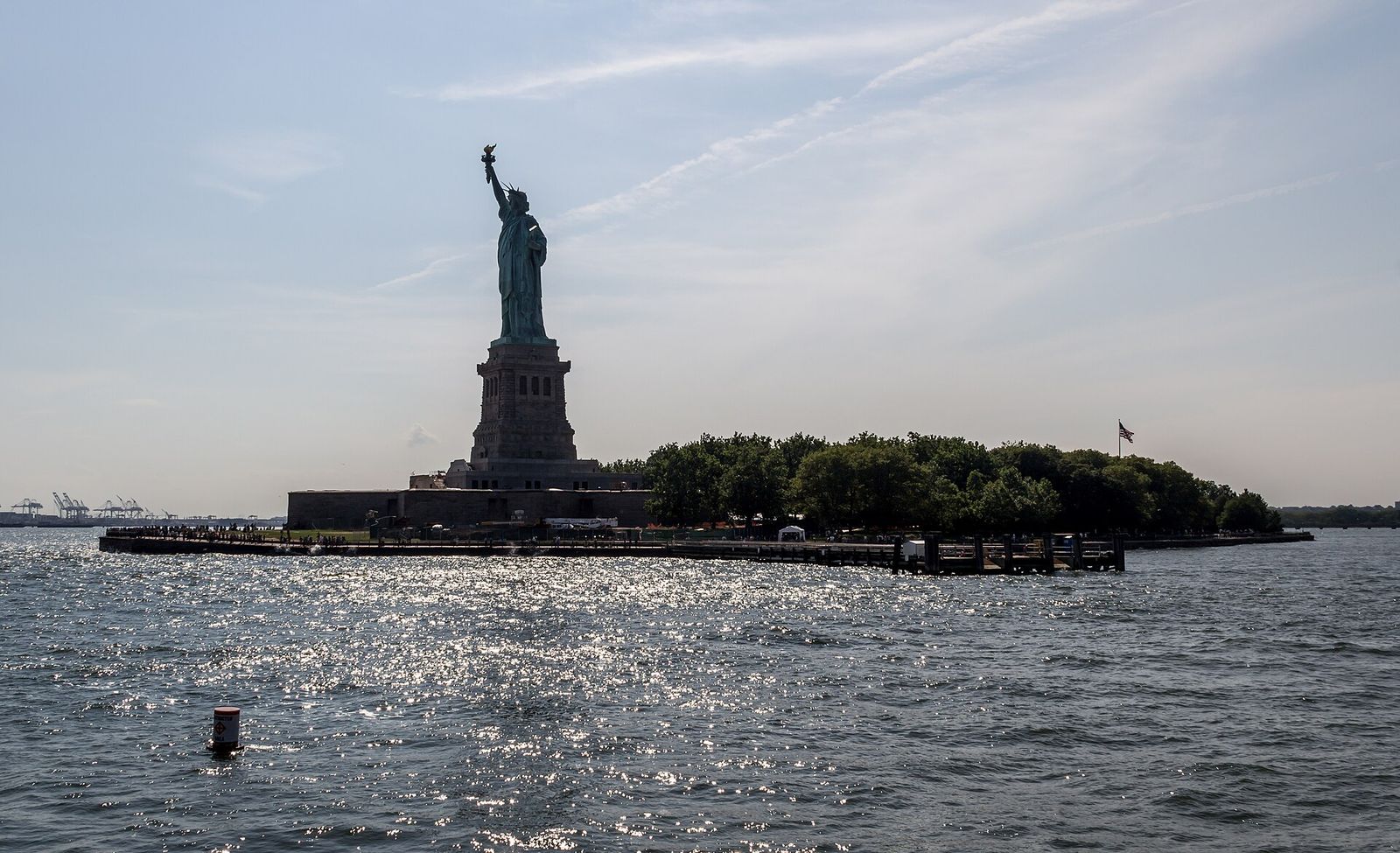
Statue of Liberty & Ellis Island National monument — ferry islands
Strengths
- One ferry ticket covers both islands and both museums — the Statue of Liberty Museum and the Ellis Island National Museum of Immigration are included in every ticket
- The National Park Service charges no separate entrance fee for the islands or the museums; what you are buying is the boat
- Two departure points — The Battery in Manhattan and Liberty State Park in New Jersey — so the Jersey-side dock can be the calmer routing
Watch out
- Statue City Cruises is the only authorised seller and the only ferry that lands on the islands — every other "Statue ticket" sold near the harbour is a different product, usually a boat that sails past
- Pedestal and crown access are separate, limited tickets sold online in advance only. The crown adds a 162-step climb above the pedestal with no elevator — it is a fitness decision as much as a booking
- The printed ticket time is your security-screening queue time, not a sailing. In peak season the Park Service warns the wait can run an hour or more
Best for: the first morning of the trip, on an early sailing — the Park Service itself recommends an early departure if you want both islands in one day.
Plan it on the Park Service site →Official siteMidtown — the towers are timed, the station is free
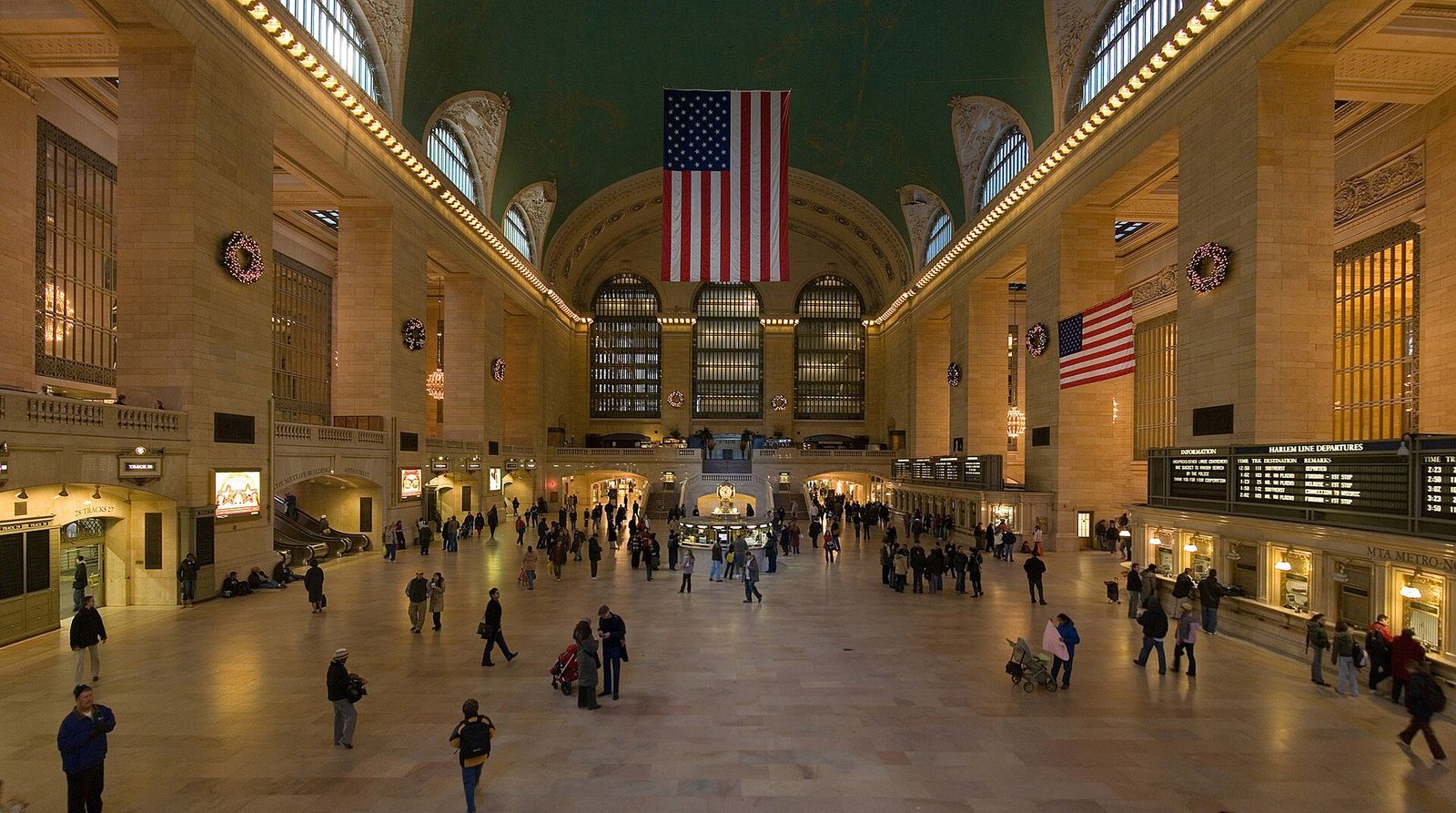
Grand Central Terminal Working station — walk in
Strengths
- No ticket, no gate, no slot: the Main Concourse is public space inside a working railway station, and the visit is simply walking in
- It anchors the Midtown cluster — the observatories, Times Square and the theatre district are all a walk or one subway stop away
Watch out
- It is transport first: rush hours are commuter tides, and the concourse rewards an off-peak wander
- Guided tours of the terminal are a separate commercial product — the building itself needs none
Best for: the free anchor of a Midtown day — pair it with one observatory, not two.
Empire State Building Observatory — timed reservation
Strengths
- Two decks with different characters: the open-air 86th floor and the enclosed, climate-controlled 102nd floor — every ticket includes the building's immersive museum experience
- Open every day of the year, in the operator's own words "rain, shine, or snow"
- Reservations can be changed through the operator's booking portal — a timed ticket here is firm but not brittle
Watch out
- All visits require a timed reservation, and tickets are non-refundable — the on-site ticket office cannot guarantee your preferred date and time
- The standard ticket fixes your hour; the operator's flexible variant, which lets you arrive any time on a chosen date, is a different product — know which one you are holding
- A low-cloud day spends the ticket without the view: of all Midtown's doors, this is the one to give to the clearest window
Best for: the classic Midtown ascent — booked for the day the forecast trusts most.
Empire State Building — visitor FAQ →Official site
The park & the museum spine
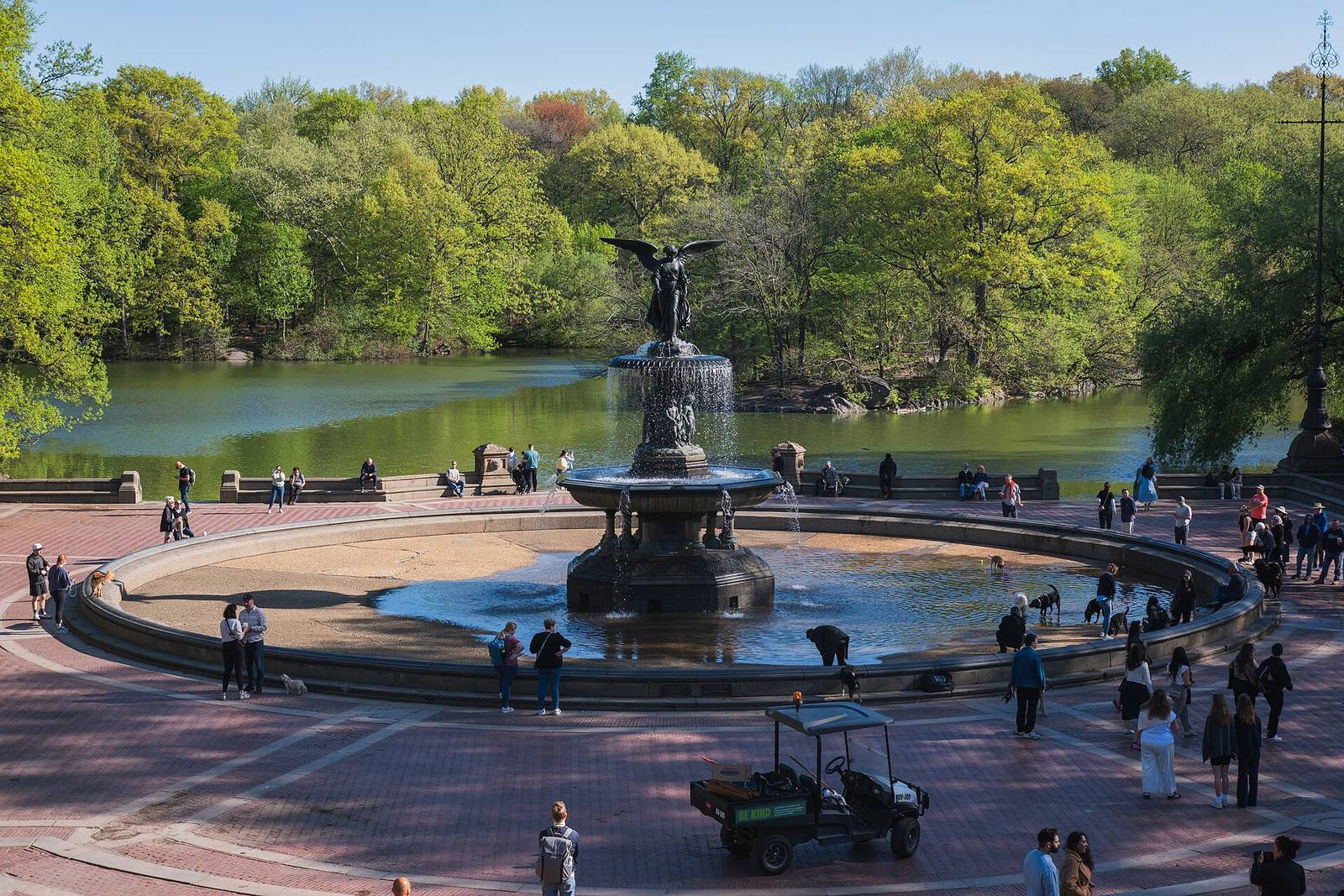
Central Park Public park — no ticket
Strengths
- 843 acres of public park owned by the city and cared for by the Central Park Conservancy, running from 59th to 110th Street between the Upper West and Upper East Sides
- It is the hinge of the museum spine: The Met sits on its Fifth Avenue edge, the Natural History Museum on its west side — the park is how you walk between them
Watch out
- There is no route across it that "does" the park: at this scale you choose a slice — the Bethesda Terrace and Lake country in the middle is the honest first slice
- The paid things inside it (the zoo, skating, boats) are separate operations with separate tickets; the ground itself is the free layer
Best for: the connective tissue of an uptown day — one museum, a park crossing, then the second museum only if energy honestly lasts.
Central Park Conservancy →Official siteThe Met — Fifth Avenue & the Cloisters Art museum — direct tickets only
Strengths
- One ticket covers exhibitions and same-day entry to both Met sites — Fifth Avenue and the Cloisters up in Fort Tryon Park — on the date printed on it
- No advance booking is required and there is no timed slot: the museum sells tickets online but states plainly that advance tickets are not required
- Children aged 12 and under are admitted free, on the museum's own published terms
Watch out
- The Met accepts no vouchers or passes from any outside ticket seller — it is in no pass, and anyone bundling it into one is selling something the museum will not honour
- Pay-what-you-wish is a residency policy, not a visitor discount: it belongs to New York State residents and to students from New York, New Jersey and Connecticut, with proof — visitors from elsewhere pay the posted admission
- A ticket is valid for its printed date only; the old multi-day validity no longer exists
Best for: a half-day minimum, planned as its own anchor — and bought direct, because direct is the only channel there is.
The Met — plan your visit →Official site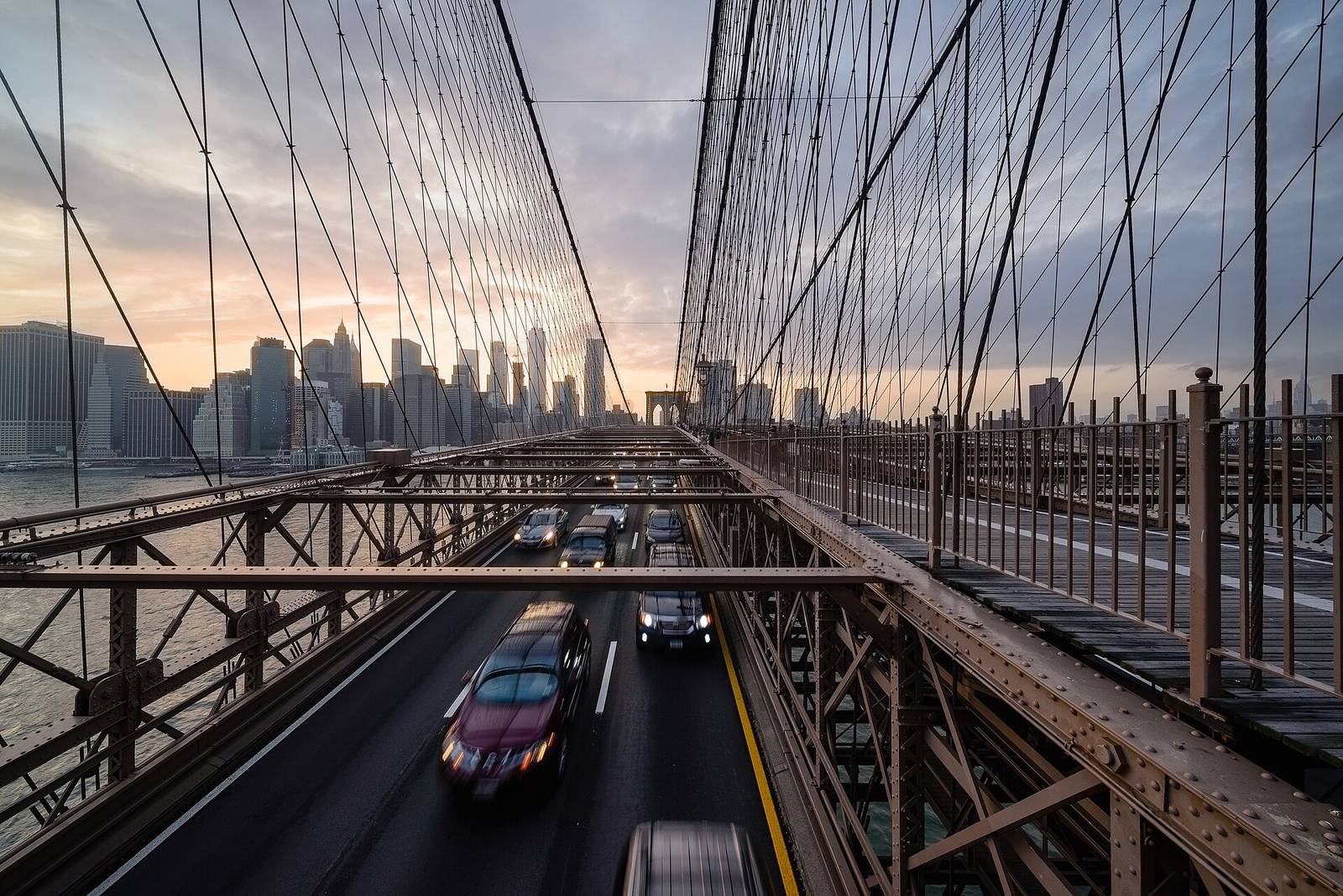
Brooklyn & the bridge Borough cluster — walk it
Strengths
- The bridge crossing itself is the sight: a public walkway over the East River that delivers you from Lower Manhattan into Brooklyn — DUMBO and Brooklyn Heights are the landing, not an afterthought
- The cluster pairs naturally with the harbour morning: ferry islands first, bridge and Brooklyn after, or the reverse on a second day
Watch out
- No ticket exists for the bridge — treat anyone selling "bridge access" the way you treat the ferry-ticket sellers
- The walkway is shared, exposed and weather-open: wind and rain are part of the crossing, and midday crowds are the tax on the famous view back
Best for: the second day's shape — proof that the trip has a geography beyond Manhattan.
CityPASS in New York — five choices, and what is not in it
New York's CityPASS is a fully flexible pick-five: one-time admission to any five of a list of ten — the Empire State Building, the American Museum of Natural History, Top of the Rock, the 9/11 Memorial & Museum, the Statue of Liberty grounds and Ellis Island ferry, Circle Line cruises, the Intrepid Museum, the Guggenheim, Edge, and the Whitney. The pass runs for nine consecutive days from first use and lives in the My CityPASS app, where the reservations several of these sights require are also made. CityPASS advertises savings of up to roughly half against buying the same five separately — that is the maker's headline for the full-price combination, and your real saving depends on which five you actually use. Two structural facts matter more than the headline.
Pass line-ups change — this structure was checked against CityPASS's own published list in November 2026. Judge any pass from its current page, and from your fixed plans, not from a savings headline.
Three airports — the arrival is the first routing decision
New York is served by three airports in two states, all run by the Port Authority, and the right one is the one whose ground transport matches where you are sleeping — not the one with the headline fare. The judgements below are structural; live prices and schedules belong to the booking page, and our flights comparison and airport transfers comparison carry the wider market.
| Airport | The shape of it | The rail way in | Watch out |
|---|---|---|---|
| JFK (Queens) | The international gateway — the default arrival for long-haul | AirTrain to Jamaica (LIRR and the E, J and Z subway lines) or to Howard Beach (the A line). Riding between terminals is free; the fare is charged at the two outer stations, on top of the rail fare | Under reconstruction — roadway and pick-up arrangements move by terminal and phase; confirm yours close to the day |
| LaGuardia (Queens) | The closest airport to Manhattan, and the domestic workhorse | There is no rail station. The official link is the bus layer — the free Q70 LaGuardia Link ties Terminals B and C to the Jackson Heights subway hub | Road is the other option, with road's timing. A "near" airport on a bus-and-subway chain is a different promise from a near airport on a train |
| Newark — EWR (New Jersey) | A full international airport in another state that functions as New York's third door | AirTrain to the airport rail station for NJ Transit and Amtrak into Penn Station | Terminal A is not directly on the AirTrain — it connects by a covered walk or shuttle from its station — and AirTrain modernisation can substitute shuttles; check the live advisory |
Getting around — tap, cap, and never a car
The weather layer — rain spread across the year, snow in the normals
New York's official climate normals (NOAA, 1991–2020, measured in Central Park) describe a city with no dry season to hide in: about 49.5 inches of precipitation a year across roughly 125 days with measurable rain or snow-melt — and, unlike Seattle's drizzle pattern, about 14 days a year bring an inch or more at once. The annual snowfall normal is close to 30 inches, concentrated in the winter months. Two planning rules follow.
Which New York is yours?
Decisions that actually matter
Which airport should I choose?
Choose by ground transport, not by the fare headline. JFK is the long-haul gateway with a real rail chain through Jamaica; LaGuardia is closest to Manhattan but reaches it by bus and subway, with no rail station; Newark lands you at Penn Station by NJ Transit from another state, with a Terminal A connection that needs a walk or shuttle. Where you sleep decides which of those is "easy".
Do I still buy a MetroCard?
No — you can't. The MTA stopped selling and refilling MetroCards at the start of 2026. Tap a contactless card, phone, watch or OMNY Card instead, always the same one, so the seven-day fare cap can accumulate. Any guide still selling you a weekly MetroCard is describing a retired product.
Can I just buy Statue of Liberty tickets when I get to the harbour?
The grounds ticket, sometimes — the visit you actually want, not reliably. Pedestal and crown tickets are limited, sold online in advance only, and in peak season they go well ahead. And buy only from the authorised seller: the Park Service names Statue City Cruises as the sole ferry that lands on the islands, and the sellers working the pavement near The Battery are selling something else.
Is the New York CityPASS worth it?
It depends entirely on your five. If the observatories, the harbour ferry and the Intrepid are your trip, the bundle buys your own plan for less. If your trip is The Met, MoMA and the park, notice that none of those is in this pass — The Met takes no outside passes at all — and buy direct instead. For a two-or-three-sight trip, the maker's shorter C3 format fits better than forcing five.
Is The Met free, or pay what you wish?
For most visitors, neither: visitors from outside New York State pay the posted admission. Pay-what-you-wish survives only for New York State residents and for students from New York, New Jersey and Connecticut, with proof of eligibility. The museum is equally blunt about channels — it accepts no vouchers or passes from outside sellers — so the ticket to buy is the museum's own.
Prices and terms change often — the booking site is the final word. Ferry rules, observatory reservation policies, airport construction arrangements and transit fares all change by season and by year; check the operator's own page for your date. Facts on this page checked against official pages, November 2026.


