
🇧🇪 Belgium, planned as a triangle
Belgium is the rare country where the map plans the trip for you. Brussels, Bruges and Ghent — capital, canal postcard and working medieval city — sit within an hour of each other by train, on one of Europe's densest domestic networks, run by a single operator, SNCB. The Belgian problem is rarely distance. It is structure: which of Brussels' three linked stations your day starts from, why the rail pass older guides send you to buy is no longer the product on sale, whether the airport supplement is already inside your ticket, and which few sights run on booked time slots while the rest stays walk-up.
The lay of the land — one operator, one triangle
Almost every Belgian itinerary is built from the same pieces, all sold in one official place — belgiantrain.be and the SNCB app. Brussels is the hinge: one through-line links its three main stations, and the two Flemish cities fan out from there, Ghent on the way to Bruges.
| Layer | What it is | How booking works | Watch out |
|---|---|---|---|
| SNCB domestic trains | The national network — InterCity and local trains linking Brussels, Ghent, Bruges and the rest of the country | One official channel: belgiantrain.be, the SNCB app, station counters and machines | Station names are bilingual — Brussels-South is Bruxelles-Midi and Brussel-Zuid |
| Brussels — North · Central · South | Three main stations on one line through the city centre; domestic trains stop at all three | Your ticket names a city, not one station — board at whichever of the three suits your stay | Central is the Grand-Place station; South (Midi) is the international terminal — they are not interchangeable for Eurostar |
| STIB city transport | Brussels' metro, tram and bus network, run by STIB/MIVB | Contactless bank card, phone or watch works across the network; the reloadable MOBIB card carries bought tickets | SNCB and STIB are separate systems with separate tickets inside the city |
| Brussels Airport-Zaventem | The airport station beneath the terminal, with direct trains to Brussels and the triangle cities | Booked like any SNCB journey — but an airport supplement rides on top of the fare | Included in most tickets, separate on a few — check yours before the gates |
The domestic network — the triangle itself
SNCB (NMBS) Domestic rail — the whole country, one operator
Strengths
- The triangle is genuinely tight: each pair of cities sits inside an hour, and Ghent lies on the Brussels–Bruges line, so the three chain in a single direction
- One operator and one official shopfront for the whole country — the fare logic learned on the first leg holds for every leg
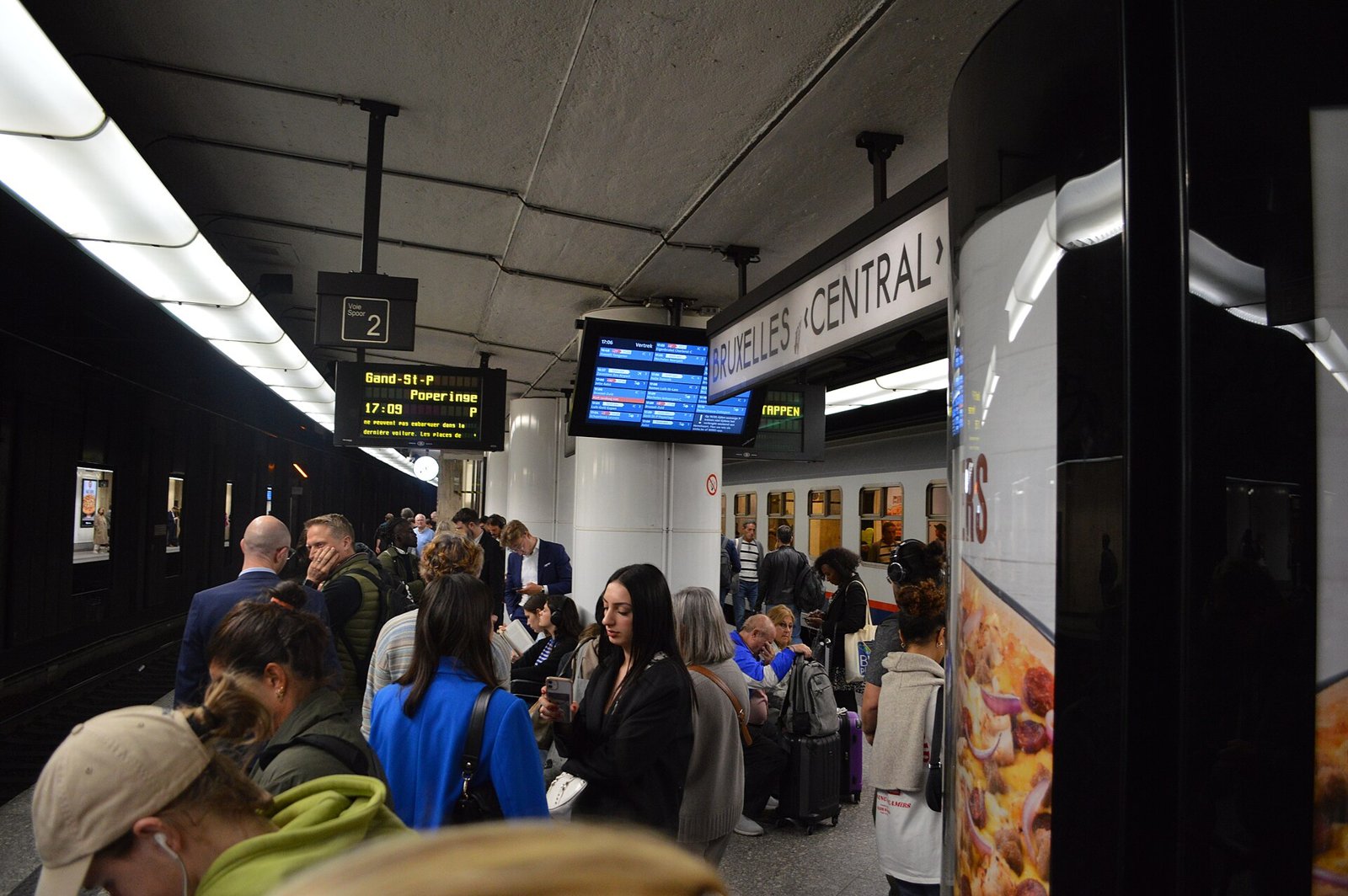
- Brussels gives you three chances to board: North, Central and South are strung on one line and domestic services call at all three
Watch out
- Bilingual naming is the daily friction: Midi is Zuid, Ghent is Gent, Bruges is Brugge — the board may not use your hotel booking's name
- The Brussels through-line is the country's spine, so disruption inside it echoes outward — check live information in the SNCB app on the day
- International services play by different rules and mostly use Brussels-South alone — do not plan a Eurostar arrival around Central
Best for: the entire shape of this trip — one Brussels base, two day trips, no car, no internal flights.
The fare system — rebuilt, and not what older guides describe
Standard fares & the automatic discounts Domestic fares — distance-based, discounts built in
Strengths
- The default is simple: a Standard fare lets you travel at any time, in either class, anywhere in Belgium
- Weekend travel is discounted automatically on Saturdays, Sundays and public holidays — on single journeys too, so a day trip is two discounted singles, not a compulsory return product
- Younger travellers and seniors are discounted automatically at any hour, and accompanied young children travel free within the official limit per adult
Watch out
- The weekend window is the weekend: Friday evening is no longer part of it, however many older pages still say otherwise
- Discounts layer by age, day and hour, so your exact fare is a booking-screen fact — this page states the structure, never the figure
Best for: most visitors — a handful of triangle legs, especially with a weekend day trip in the mix.
Train+ Discount card — a subscription layer on the fares
Strengths
- SNCB's current answer to the old multi-journey pass: a personal discount card, sold by the month or the year, that deepens the discount outside weekday peaks and adds a further layer on weekends and public holidays
- It also caps what a single journey can cost the holder — where long cross-country legs change the arithmetic
- The terms differ by age band — younger travellers and seniors hold a cheaper version of the card with a lower cap
Watch out
- It is a per-person subscription, not a shareable pass — the group arithmetic of the old ten-journey cards does not transfer
- Peak-hour weekday travel is where its extra discount does not apply, and SNCB states the card's benefits can evolve during its validity
- The airport supplement sits outside it: neither cap nor discounts touch that fee
Best for: a longer stay with repeated off-peak or weekend legs — judge it on your real journey list.
Brussels Airport-Zaventem & the supplement Airport rail — the Diabolo structure
Strengths
- The station sits directly beneath the terminal halls, with direct trains not only to Brussels but onward to Ghent and Bruges — a triangle trip can start at the airport platform
- For most ticket types the airport supplement is already included in the price you paid — nothing extra to buy
Watch out
- Every airport journey carries the Brussels Airport Supplement — the charge long known as the Diabolo fee, funding the airport rail link. It is the same for everyone; no discount reduces it
- A small set of voucher-type tickets must buy it separately, and the station is gated — you scan your ticket's QR code or MOBIB card to pass, so a missing supplement stops you at the gate
- Accompanied young children are the exception — free travel, no supplement; a child on their own kids' ticket has it included
Best for: almost everyone arriving by air — the road starts with Brussels traffic; the train starts under the terminal.
Rail passes (Eurail) Pass — read the structure first
Strengths
- One pass across many trains and borders — the natural shape for a multi-country rail trip that passes through Belgium
- Sold by Eurail itself; we link the official site and label it as such
Watch out
- For Belgium alone, judge the pass against SNCB's discounted singles first: short, frequent, weekend-discounted legs are the shape a country pass finds hardest to beat
- We have no affiliate arrangement here and do not summarise pass prices or terms we have not verified — the official terms are the comparison
Best for: trips where Belgium is one country among several — judge it on the whole route.
The triangle — three cities, three different days
Each corner earns its day differently. Brussels is the museum-and-grand-square capital, Bruges the preserved canal city that fills by midday, and Ghent — on the same line, between the two — the lived-in medieval city that rewards more than leftover hours.
Brussels Base — the capital & the hinge
Strengths
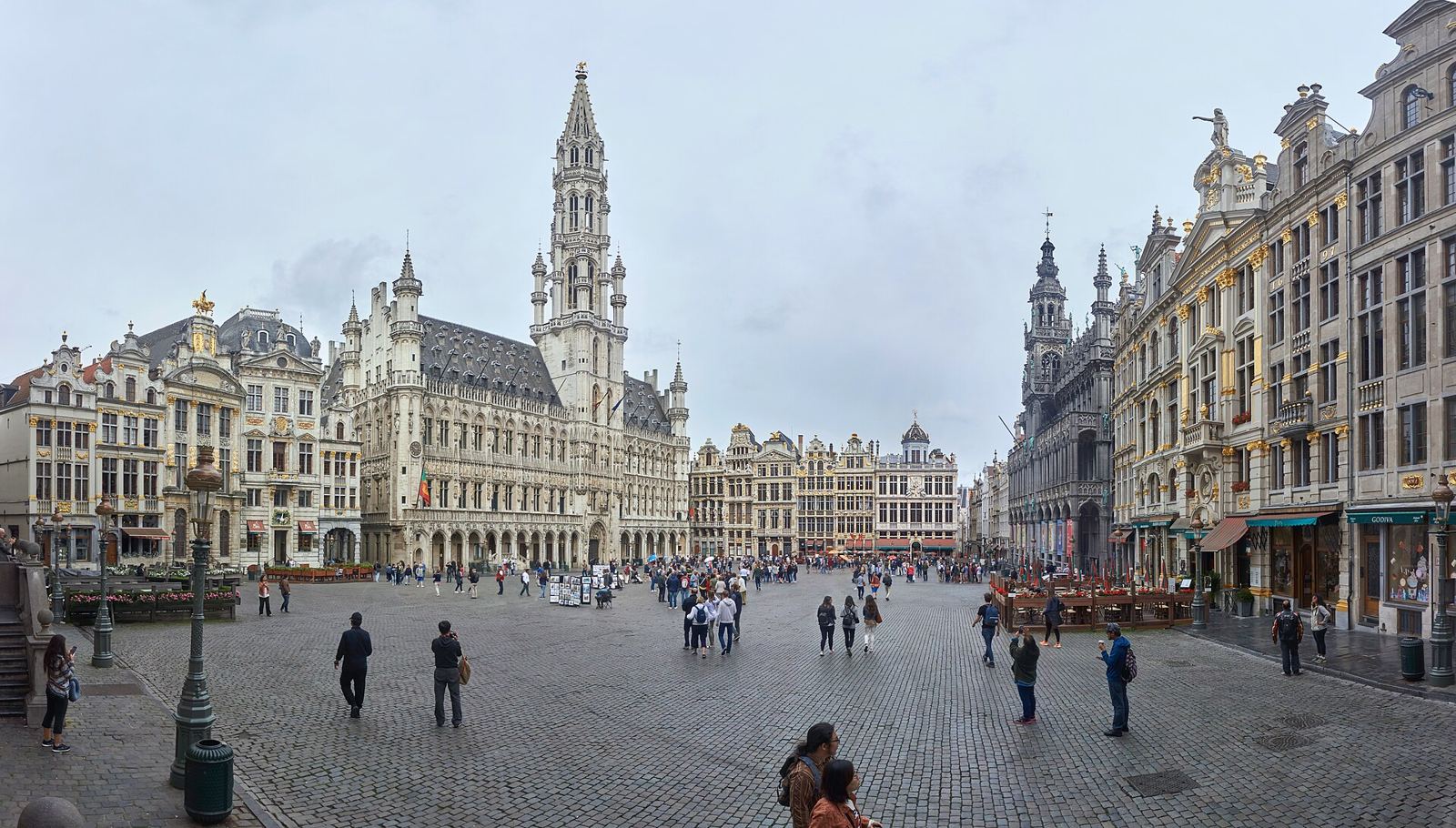
- The Grand-Place — guildhalls, Town Hall and King's House around one square — is the centre, a short walk from Brussels-Central
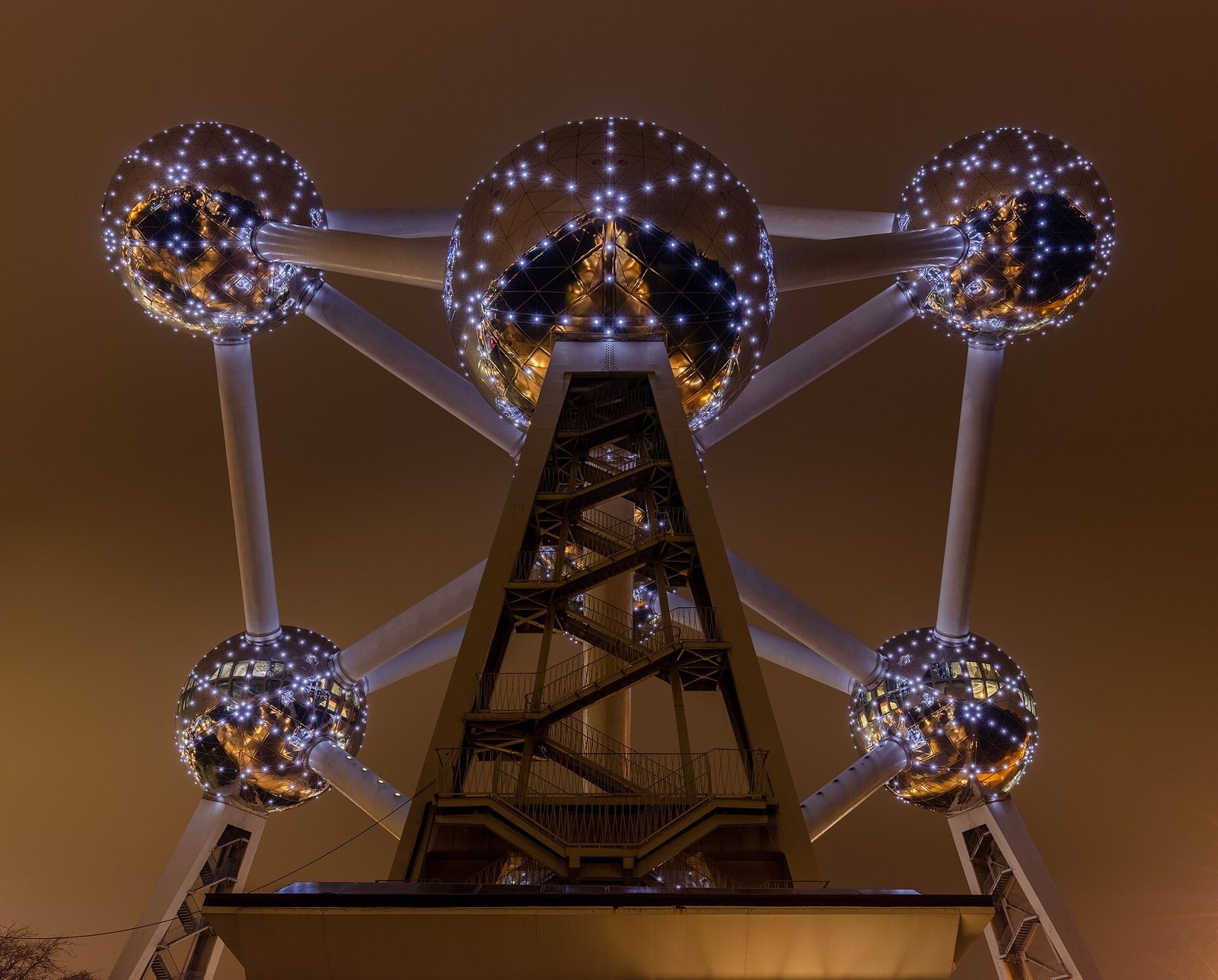
- The museum depth of the country: the Royal Museums of Fine Arts and the Magritte Museum on the Royal Quarter hill, with the Atomium out at Heysel as the city's other icon — a deliberate half-day excursion by metro, and a named add-on option on the Brussels Card
- As a base it is unbeatable on logistics: both other corners leave from whichever of its three stations is nearest your bed
Watch out
- Brussels is a working capital as much as a sight: the EU quarter and the old centre are different cities, and a base chosen for one commutes to the other
- Its biggest museums run on time slots and a weekly closing day — the capital is where this page's booking discipline bites
Best for: the base of the triangle, and the museum-first trip.
See Visit Brussels →Official site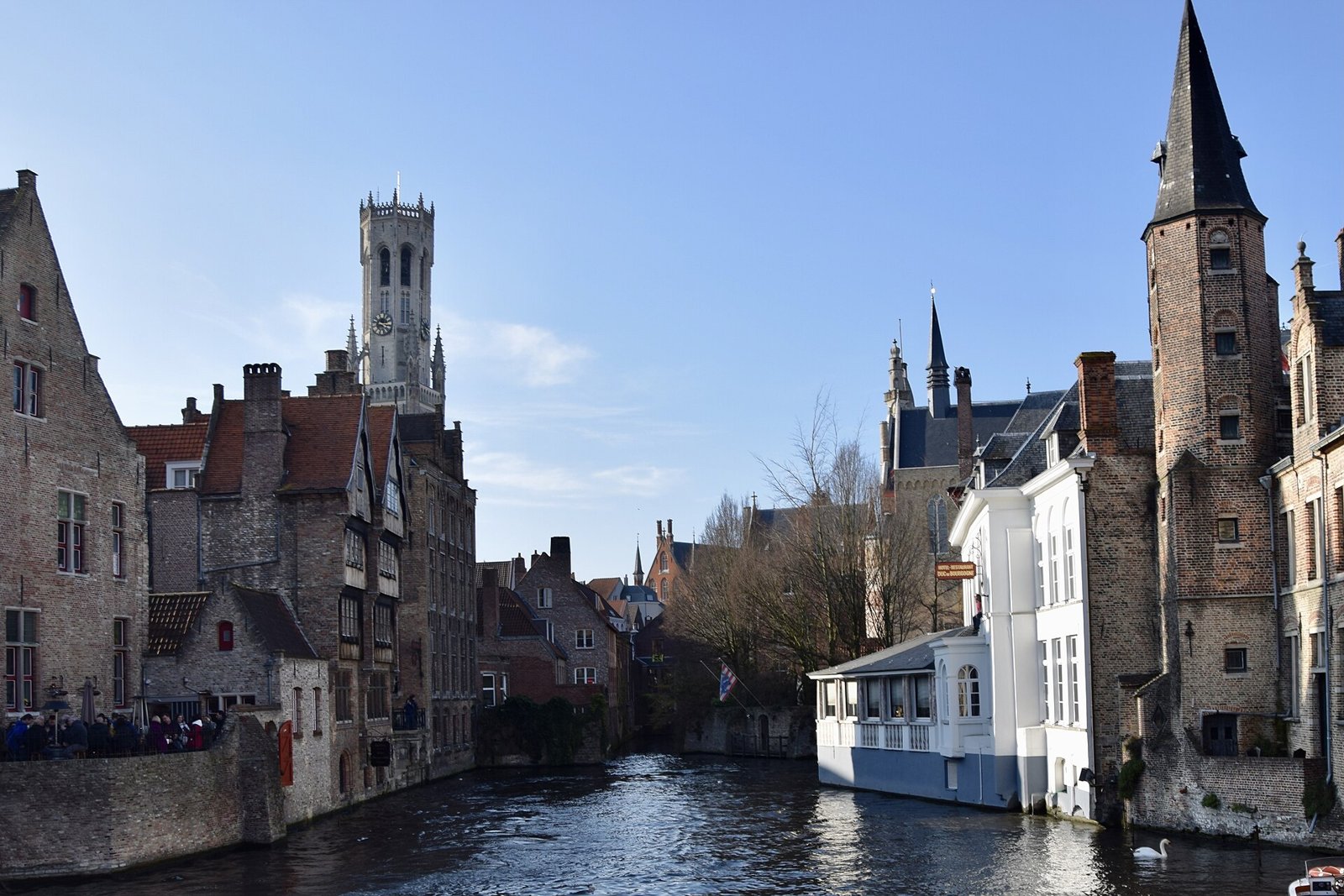
Bruges Day trip or base — the canal postcard
Strengths
- A compact UNESCO-listed historic centre: the Markt, the Belfry, the canals around Rozenhoedkaai and the quiet Beguinage, all walkable from each other
- The city museums hang together as one system — a single city museum card covers the municipal collection across a long weekend window
Watch out
- Bruges is the triangle's crowd magnet: the centre that is hushed early carries the day-trip peak by midday — the early train is not a tip, it is the product
- As a day trip it can feel complete by evening; as a base it is the quietest corner after the crowds leave — the point, or the problem
Best for: the postcard day — taken early, or slept in for the evenings.
See Visit Bruges →Official site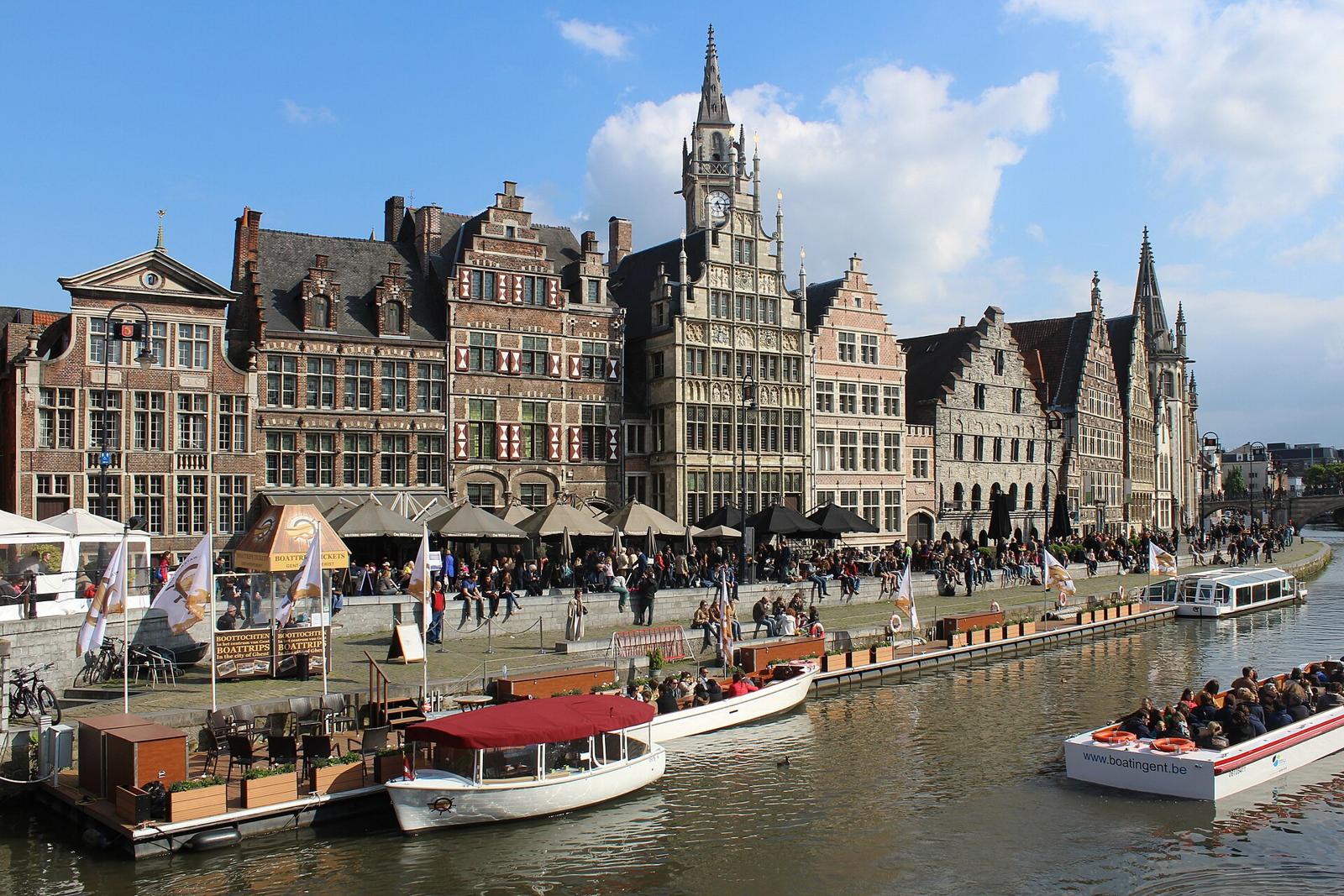
Ghent Day trip or base — the lived-in medieval city
Strengths
- The Graslei and Korenlei quays, the Gravensteen castle in the middle of the city, and St Bavo's Cathedral with the Ghent Altarpiece — a heavyweight list without Bruges' crowd pressure
- It sits on the Brussels–Bruges line, so it pairs with either city without backtracking — the easiest second day trip in the country
- A university city underneath the medieval surface: the evening city is its own, not a stage set
Watch out
- The main station, Gent-Sint-Pieters, is not in the old centre — a tram-or-walk leg sits between platform and quays, so Ghent's day starts later than the timetable suggests
- It is the corner most often squeezed into half a day en route to Bruges; its castle and cathedral are exactly the sights that punish rushing
Best for: the medieval city with residents in it — and the natural overnight alternative to Brussels.
See Visit Flanders →Official siteThe timed doors — where Belgium still runs on reservations
Belgium's default is walk-up ease: domestic trains need no seat reservation, squares need no ticket. Which makes its timed exceptions worth planning around — the museum that reserves an entrance for online bookers, the belfry climb, and the city card whose transport is an option, not a given.
Magritte Museum & Old Masters, Brussels Timed sight — time slots, booked ahead
Strengths
- One museum group on one hill: the Magritte Museum — presented by the museum itself as holding the world's largest collection of René Magritte's work — and the Old Masters Museum beside it, with a combined ticket structure for both
- Pass holders are looked after: the Brussels Card and the Belgian museum pass open the permanent collections, which also open free on the first Wednesday afternoon of the month, collected at the desk on the day
Watch out
- The museums run on time slots and a ticket is valid only on its stated date: on busy days, buying at the desk can mean waiting for a later slot — the museums themselves recommend booking online in advance
- The Magritte entrance on Place Royale is reserved for online bookers — arrive without a booking and you are redirected to the main entrance's desk
- Both museums close on Mondays, and free and pass entry covers the permanent collections, not temporary exhibitions
Best for: a booked morning on the Royal Quarter hill — Magritte first, Old Masters after.
See the Royal Museums of Fine Arts →Official siteThe Belfry, Bruges Timed sight — the climb over the Markt
Strengths
- The city's watchtower and symbol, a UNESCO-listed municipal museum over the Markt — the climb of its three hundred and sixty-six steps is the Bruges panorama
- It sits inside the city museum system: the Musea Brugge Card covers it across its validity window, and the nationwide museum pass covers it too
Watch out
- A tower has a capacity a square does not: on peak days the climb is the Bruges sight likeliest to involve a queue, so treat its official page — hours, closures, the day's arrangement — as part of the plan
- It is a climb, not a lift: the steps are the visit, which decides the question for some travellers outright
Gravensteen & St Bavo's, Ghent Sights — the castle and the altarpiece
Strengths
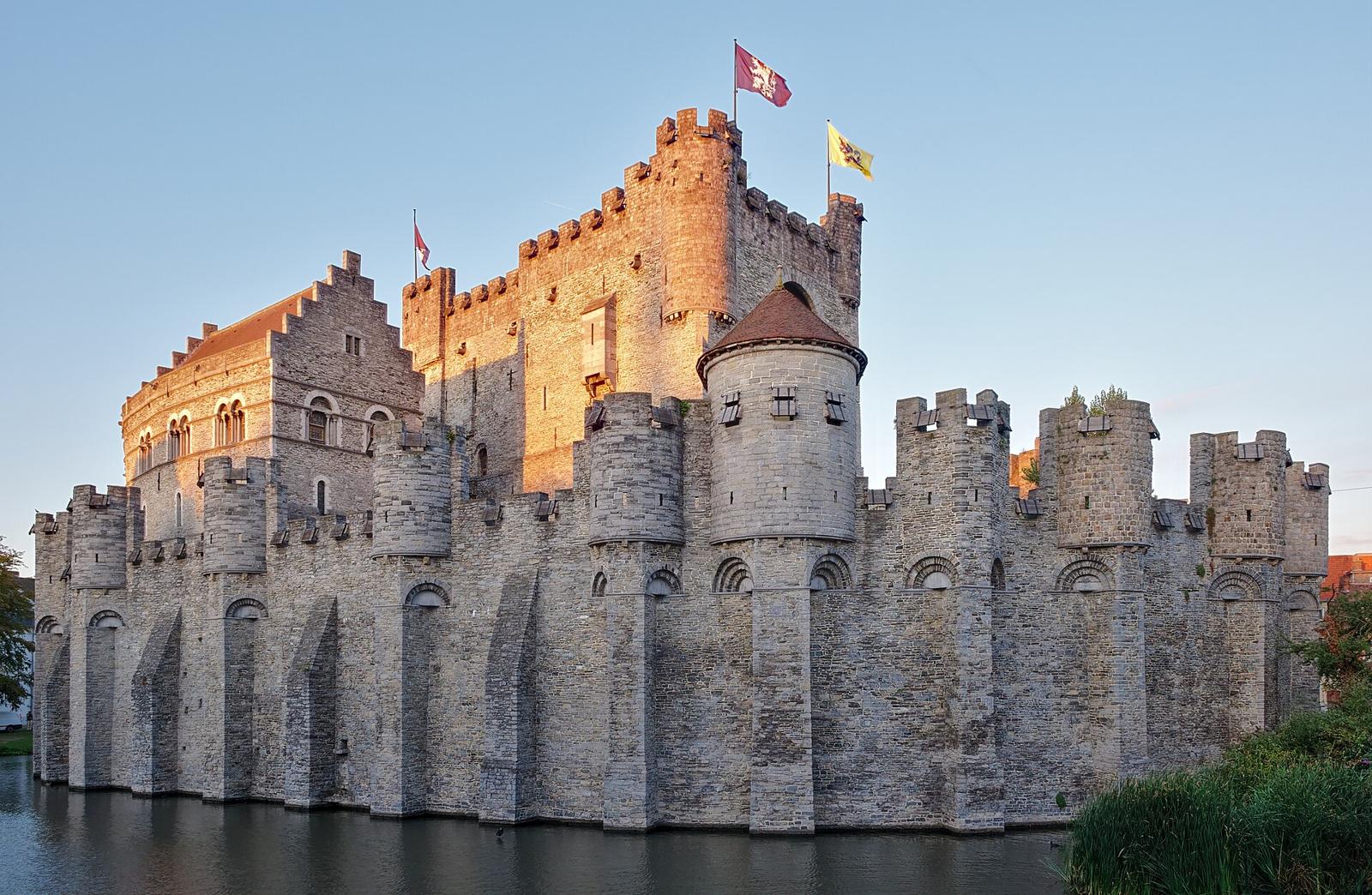
- A moated counts' castle in the city itself, and a cathedral holding the Ghent Altarpiece — the Mystic Lamb — two defining sights in one walkable centre
- Visit Flanders' own must-see list puts Ghent's cathedral and castle alongside Bruges' Belfry
Watch out
- We have not verified one official reservation rule covering both sights in every season, so we state none: check each sight's own page for its current arrangement before fixing the day around them
- The altarpiece is a working cathedral's treasure, not a gallery piece — viewing follows the cathedral's arrangements, including its services
The Brussels Card — the one pass judgement in the capital
Brussels has a city card of its own, sold by the city's official visitor organisation: the Brussels Card, in versions counted in consecutive hours, opening more than forty of the city's museums, with discounts across attractions and tours. One catch decides most purchases: transport is not in the base card.
Guided tours of the same cities are a different product from the trains and tickets above. Judge a listing on what it actually includes — your own train ticket may already cover the journey it bundles.
Browse Belgium tours on Viator →Affiliate link — you pay the same Browse Belgium tours on GetYourGuide →Affiliate link — you pay the sameWhere to sleep — one base, or sleep in the postcard
The practical layer — how Belgium differs from a US trip
Which Belgium is yours?
Decisions that actually matter
Which Brussels station should I use?
For domestic trains, whichever is most convenient — North, Central and South are on one line and domestic services call at all three. Two exceptions fix the answer: the Grand-Place belongs to Central, and international services such as Eurostar belong to South — Midi, Zuid on the boards.
Do I need the rail pass I keep reading about?
Probably not in the form older guides describe. SNCB rebuilt its fares, and the automatic weekend and age discounts now do much of the work the old multi-journey products did; passes already bought remain valid only to their expiry. Price your actual legs as discounted singles in the SNCB app first; consider Train+ only for a long list of off-peak and weekend journeys, and Eurail only if Belgium is one stop on a cross-border route.
Bruges and Ghent in one day, or one each?
They share a railway line, so one-each is the honest default: Bruges fills a day from its early, quiet start, and Ghent's castle and cathedral sit behind a station-to-centre leg that eats a combined day's margin. With truly one Flemish day, choose by appetite — Bruges for the postcard, Ghent for the city that lives there — rather than halving both.
Is the airport supplement a trap?
It is a structure, not a trap — a fixed addition on airport journeys that funds the airport rail link, unchanged by any discount, and already included in most tickets. The risk is procedural: a small set of voucher tickets must add it separately, and the station gates are where a missing supplement stops you. Check your ticket type on SNCB's airport page first.
Can I do Belgium without a car?
For the trip on this page, Belgium without a car is not a compromise — it is the design. The triangle, the airport link and the city networks cover every leg above. A car earns consideration only beyond the rail web, judged leg by leg.
Prices and terms change often — the booking site is the final word. Timetables, fare conditions and the timed sights' rules change by season and by day; check the operator's own page for your date. Facts on this page checked against providers' official pages, November 2026.


