
🌍 Europe, planned honestly
Europe looks like one trip and behaves like several different systems wearing one name. Twenty-seven of the twenty-eight countries on this page are in the EU and share a single entry clock and one dense rail network — and the twenty-eighth, the United Kingdom, runs on its own entry rules, its own money and its own rail logic. Money is the quiet exception inside the shared zone: most of them pay in euros, but Czechia still prices in koruna. Inside the shared zone, each country still plans differently: France is a rail hub with a museum-pass layer, Italy is a spine of timed tickets, Spain is three competing train companies, Portugal is hills and one railway, Greece is an ancient core plus a ferry network, Germany is a railway where the seat reservation is a choice and the pass maths decides, the Netherlands is one tap and turn-up-and-go trains, Austria is one alpine spine with a single two-railway corridor, Czechia is Prague with three railways competing out of it, and Croatia is a coast where the ferry, not the train, is the system. The seventeen added since — from Belgium and Ireland to the Nordics, the Baltics, the Balkans and the islands — follow the same rule: planned the way that country actually works, never from a template. This page is the entrance: the twenty-eight country guides, the shared judgement layer every European trip runs on, and the tools that turn the judgement into a plan.
The country guides — all twenty-eight: the EU twenty-seven, plus the UK
Each guide is built the way its country actually works — not from a template. Pick the country and the guide carries the booking detail; this page carries only the shape of the decision.
France Country guide — rail hub & the museum pass
Strengths
- The high-speed network radiates from Paris in every direction — the country is planned from its stations
- Four layers of train (TGV INOUI, OUIGO, INTERCITÉS, TER) all book in one official place
- Bases beyond Paris each change the trip: Lyon for food, Nice for the coast, Provence and Normandy beyond
Watch out
- A Paris Museum Pass is not a walk-in ticket — at the biggest sites a separate time-slot reservation is still required
- There is no single Paris TGV station: the station follows your direction, and the wrong one still lets the train leave
Best for: a first European trip built on trains — Paris plus one or two bases, with the museum days booked before you fly.
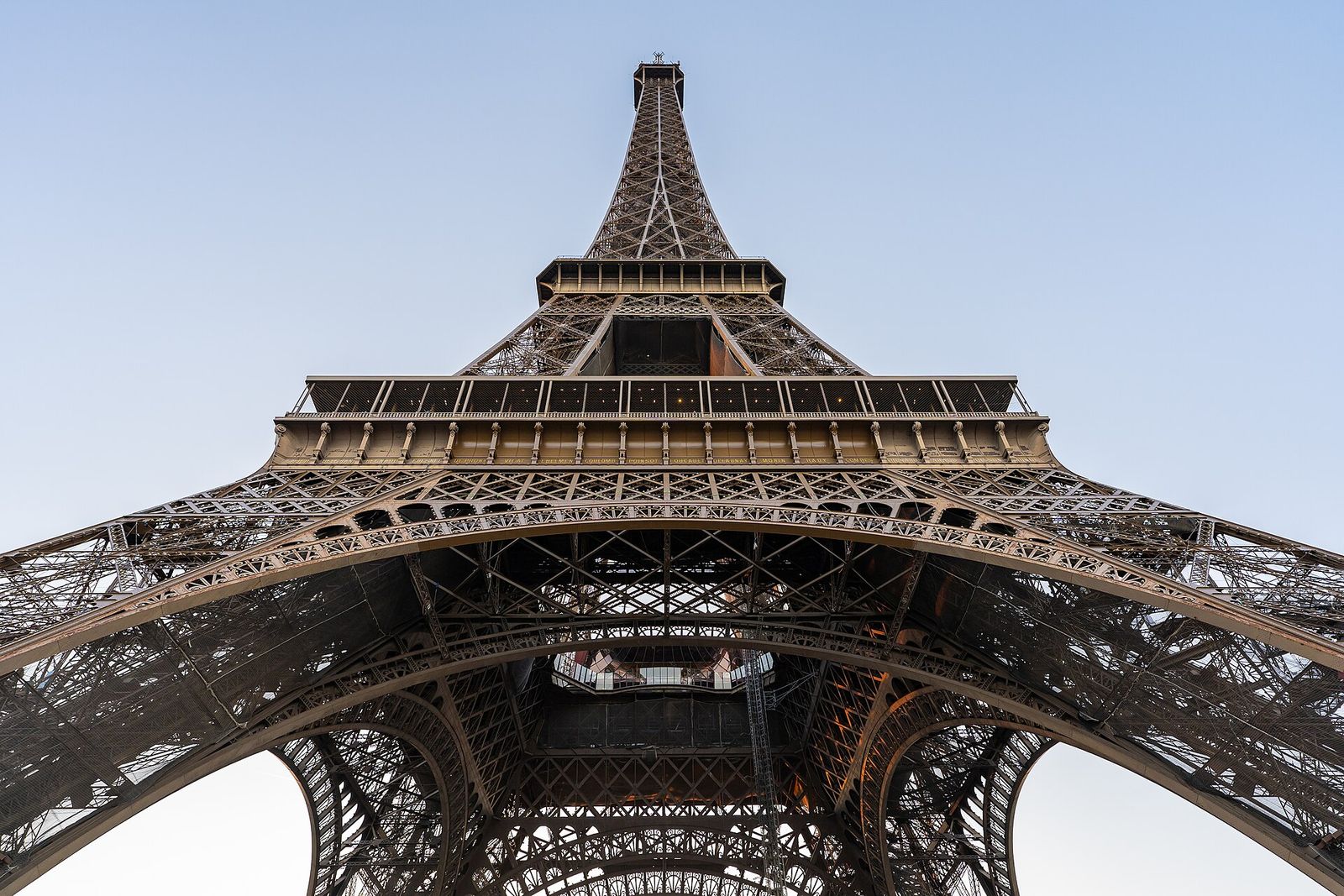
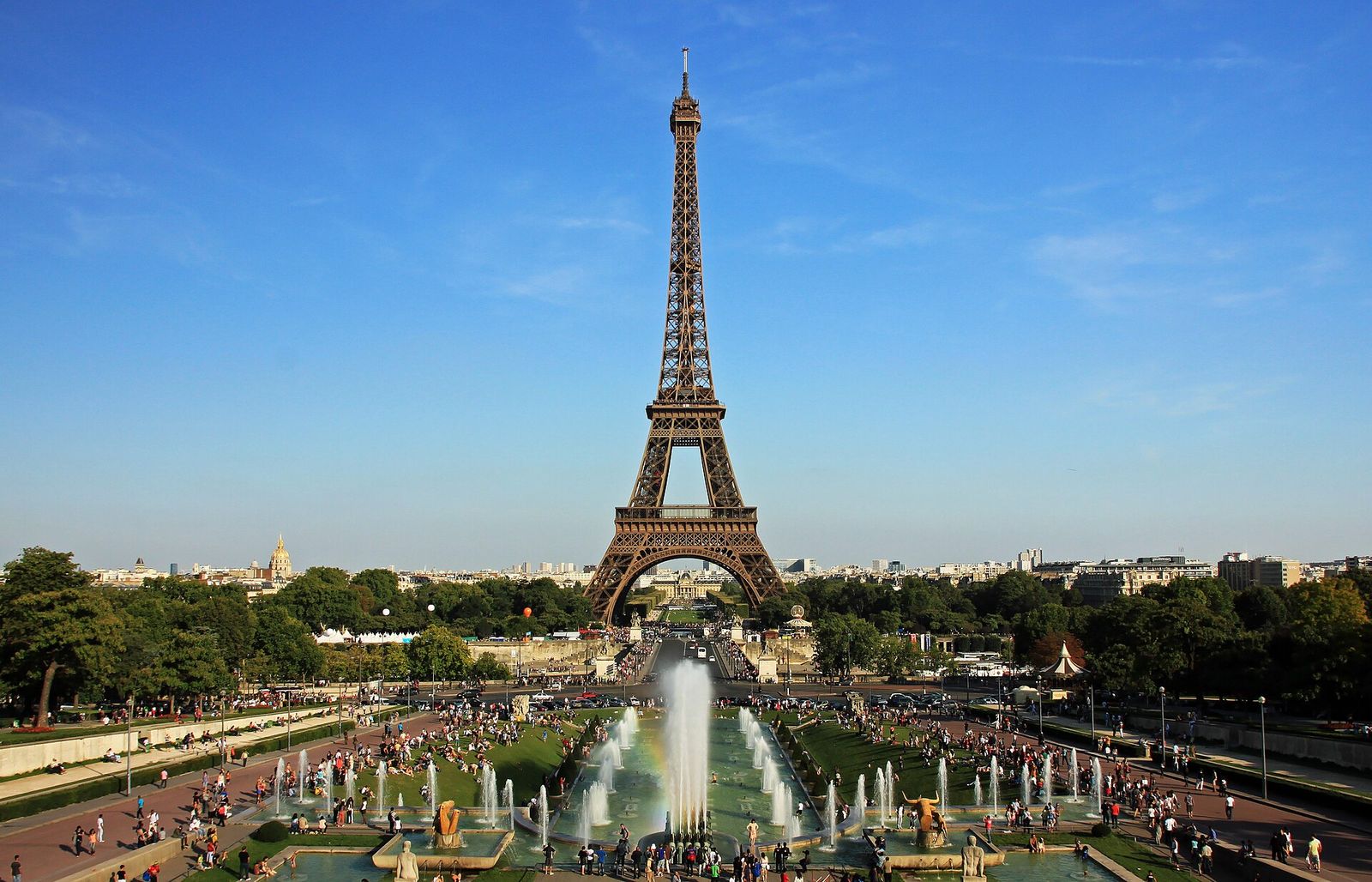
See the France guide →Going deep on the capital? Paris has its own guide — the Eiffel Tower's official-only tickets, the Louvre and Orsay time slots, the airports by rail, and the Navigo judgement.
Italy Country guide — the timed-ticket spine
Strengths
- One spine — Rome, Florence, Venice — served by two competing high-speed operators, Trenitalia and Italo
- The great sights run on official booking structures you can work through in advance, from home
Watch out
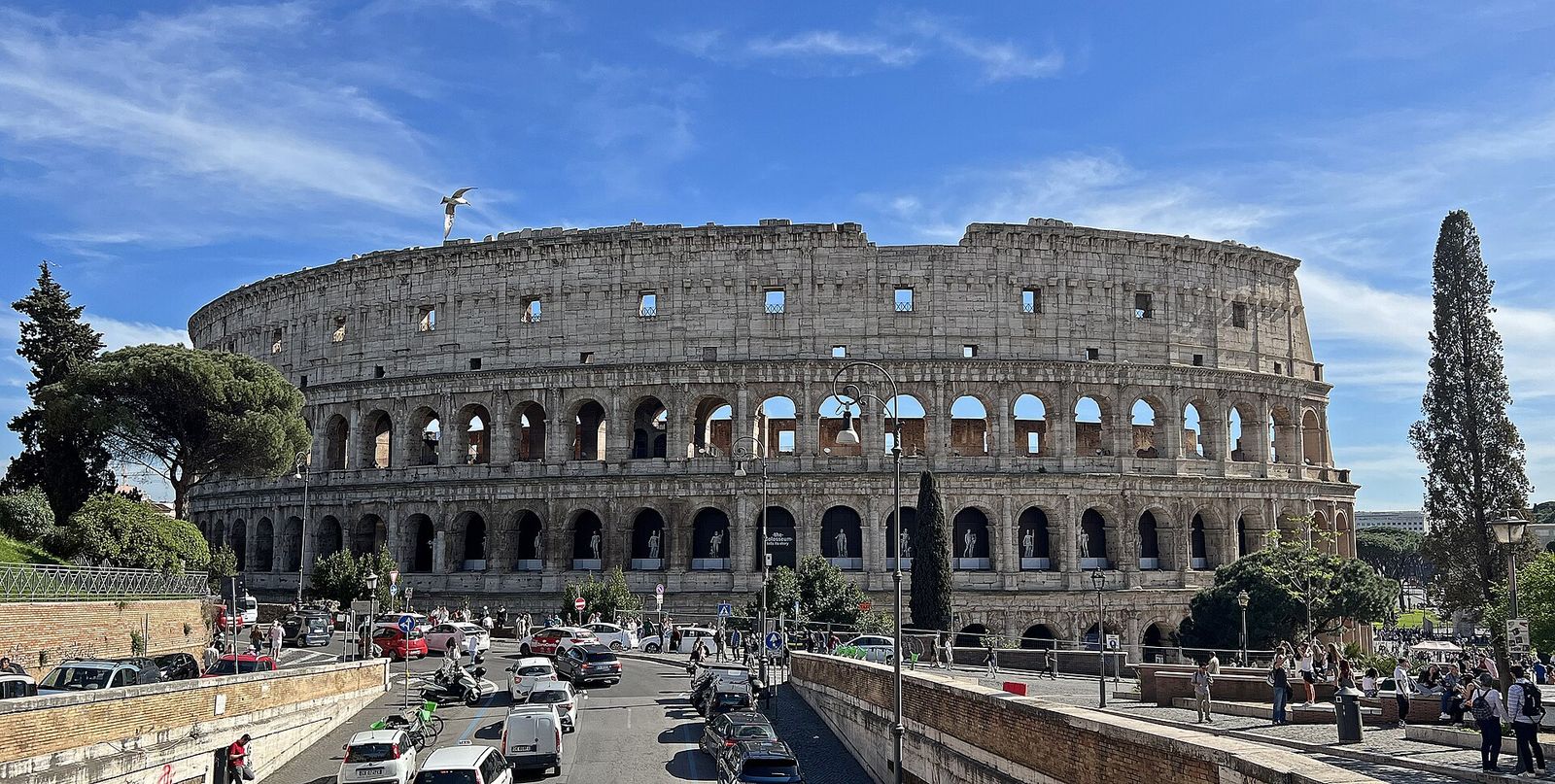
- Colosseum tickets are nominative — the name on the ticket has to be the person walking in
- The Vatican Museums publish a dress rule; it is enforced at the door, not on the website
- Driving into historic centres runs into ZTL camera zones — fines arrive by post, long after the trip
Best for: the classic first Italy — three cities by train, with the timed tickets booked in the right order.
See the Italy guide →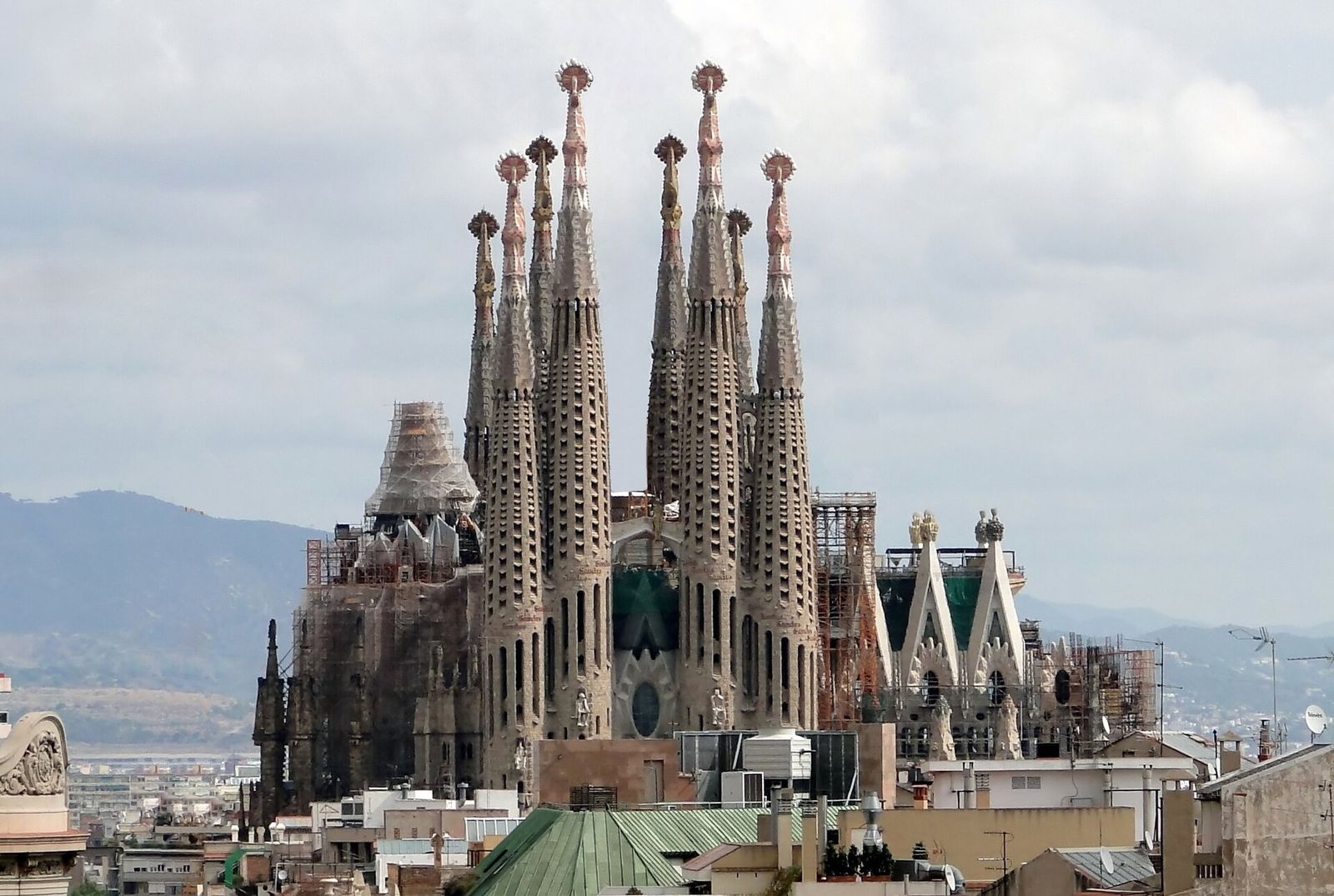
Spain Country guide — three operators, two hubs
Strengths
- Real competition on the rails: Renfe, OUIGO and iryo run the same corridors, so the traveller compares, not just books
- Madrid and Barcelona work as twin hubs, with a southern cluster — Granada above all — beyond them
Watch out
- The Sagrada Família sells online-only, nominative tickets — there is no casual ticket window plan
- At the Alhambra, the timed Nasrid Palaces slot is the whole game: miss it and the visit shrinks
- Madrid has two high-speed stations; the operator decides which one your train uses
Best for: travellers who like choice — compare the three operators route by route, then book the sights early.
See the Spain guide →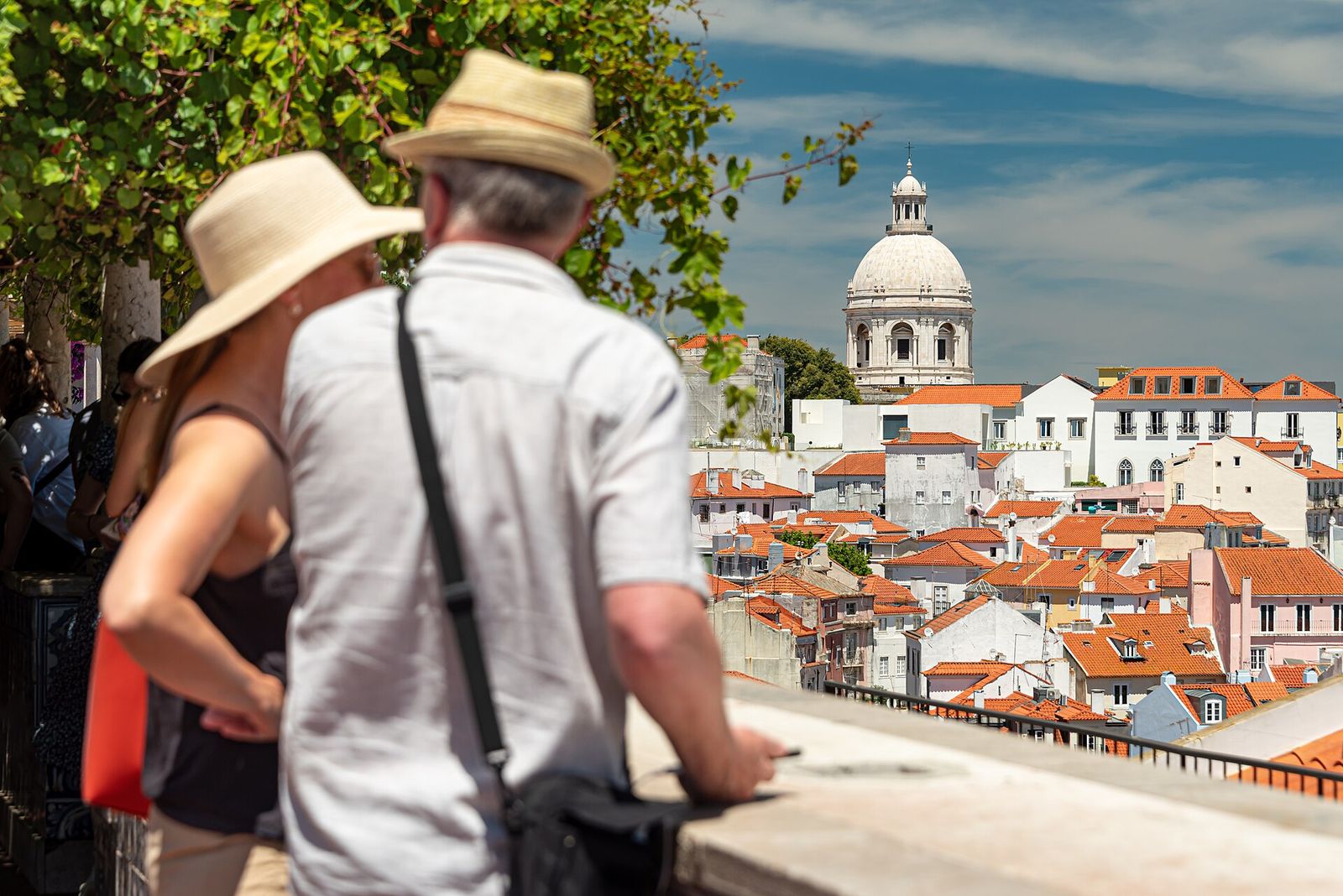
Portugal Country guide — hills, one railway, an Atlantic edge
Strengths
- A compact country on one railway: Lisbon, Porto and the Algarve connect without a car
- The Lisboa Card bundles transport and doors into one continuous-hours clock you can plan around
Watch out
- The card does not remove reservations — Belém's sights still need their own booking step
- Sintra's Pena Palace runs on timed slots: the day trip is booked, not taken
- Lisbon is planned by climbs, not distances — the map lies about effort
Best for: a slower, smaller Europe — one or two bases, long lunches, and the month-stay option below.
See the Portugal guide →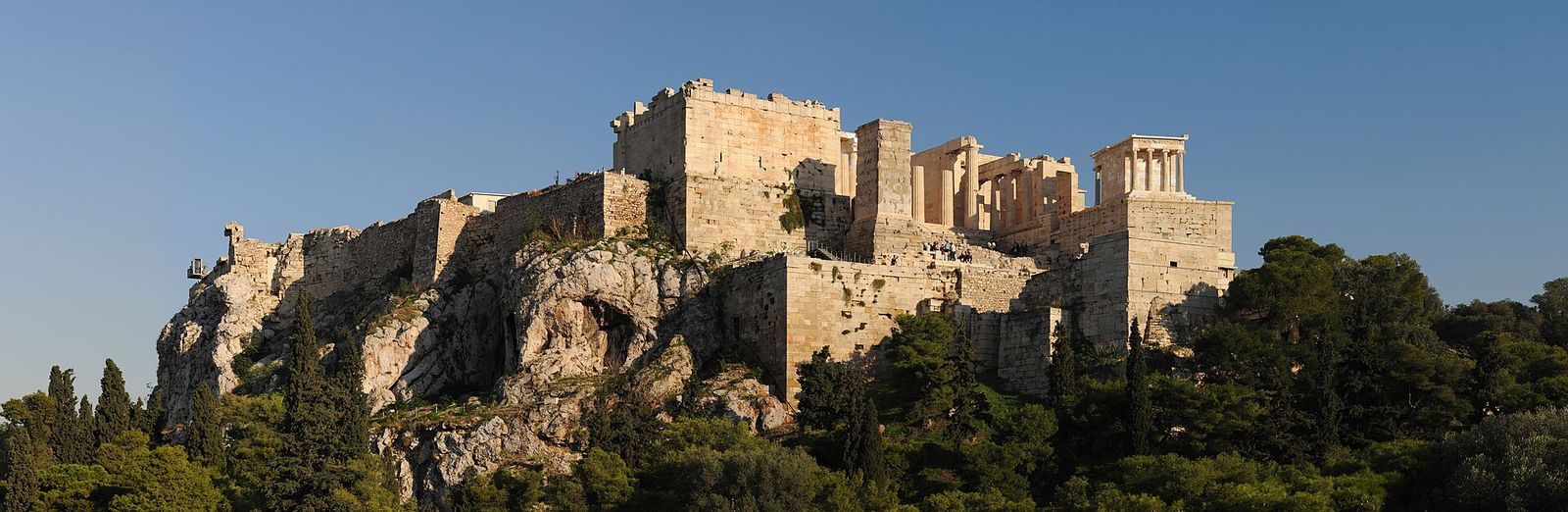
Greece Country guide — the ruins first, then the ferry decides
Strengths
- Athens concentrates the ancient core — the Acropolis above it all — within a walkable centre
- The ferry system is real infrastructure: three Athens-area ports string the island groups together
Watch out
- The Acropolis runs on time-designated tickets — the slot is chosen before you climb
- There is no single combined ticket doing the Acropolis and its museum in one step — plan them as separate purchases
- Ferries are transport, not tours: gates, ports and seasons decide what is possible, not posters
Best for: Athens done properly, then one island group chosen by season and sailing logic.
See the Greece guide →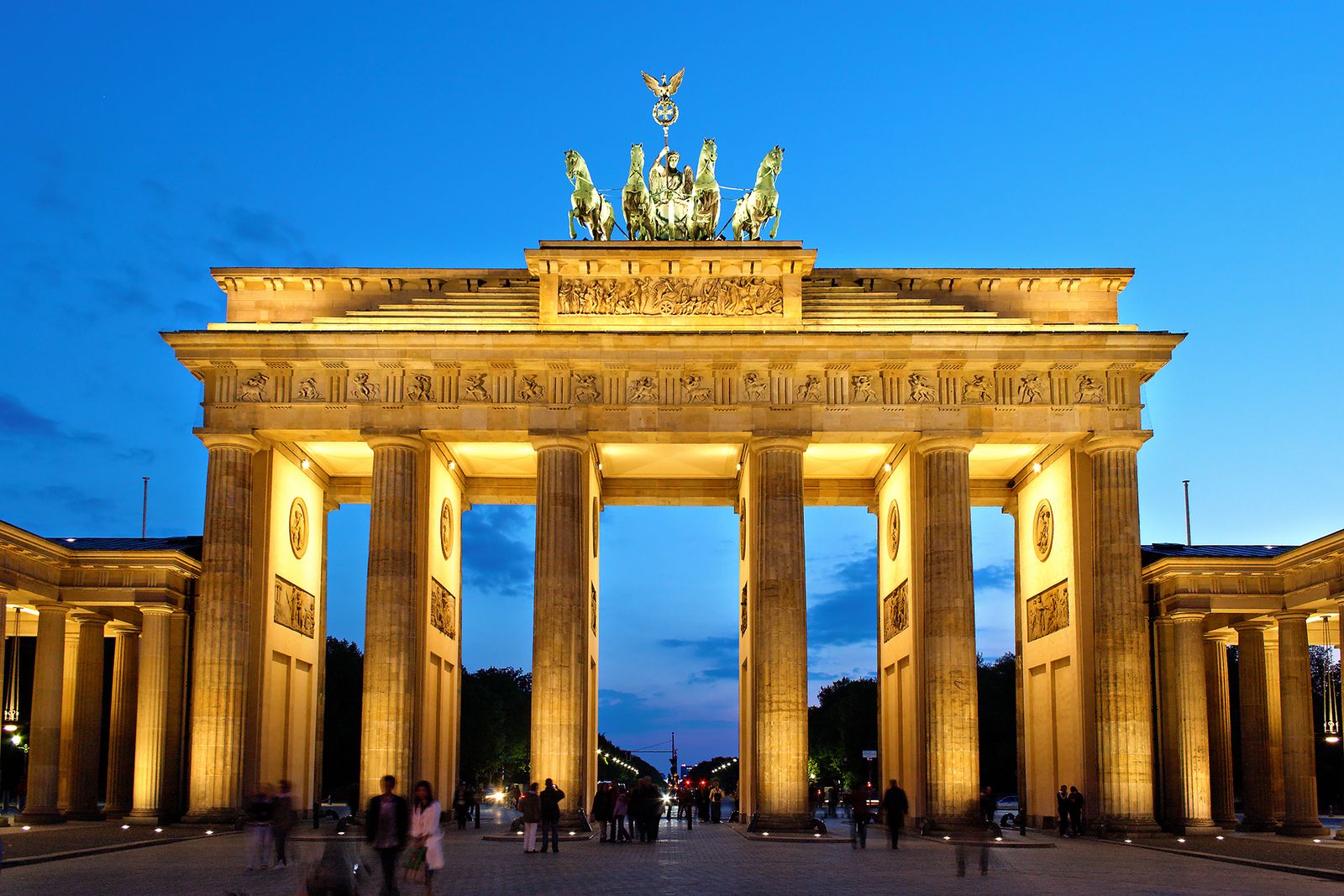
Germany Country guide — the optional-reservation railway & the pass maths
Strengths
- One of Europe's densest rail networks — long-distance ICE, IC and EC and the regional layers sit in one timetable
- A seat reservation is a separate, optional decision: an ICE ticket buys the journey, not a named seat on one named train
- The Deutschlandticket covers regional trains and city transport end to end in a single monthly subscription
- Four bases plan the country between them: Berlin, Munich, Hamburg and Cologne, with regional day trips off each
Watch out
- The Deutschlandticket stops, absolutely, at the door of every long-distance train — each ICE leg still needs its own ticket
- Split tickets break the connection: a delayed regional train that makes you miss a separately ticketed long-distance leg is not protected
- The anchors are few but fixed — Neuschwanstein and the Reichstag dome still run on fixed entry times
Best for: a rail trip planned by arithmetic — one region slowly on regional trains, or Berlin plus Munich with saver fares fixed early.
See the Germany guide →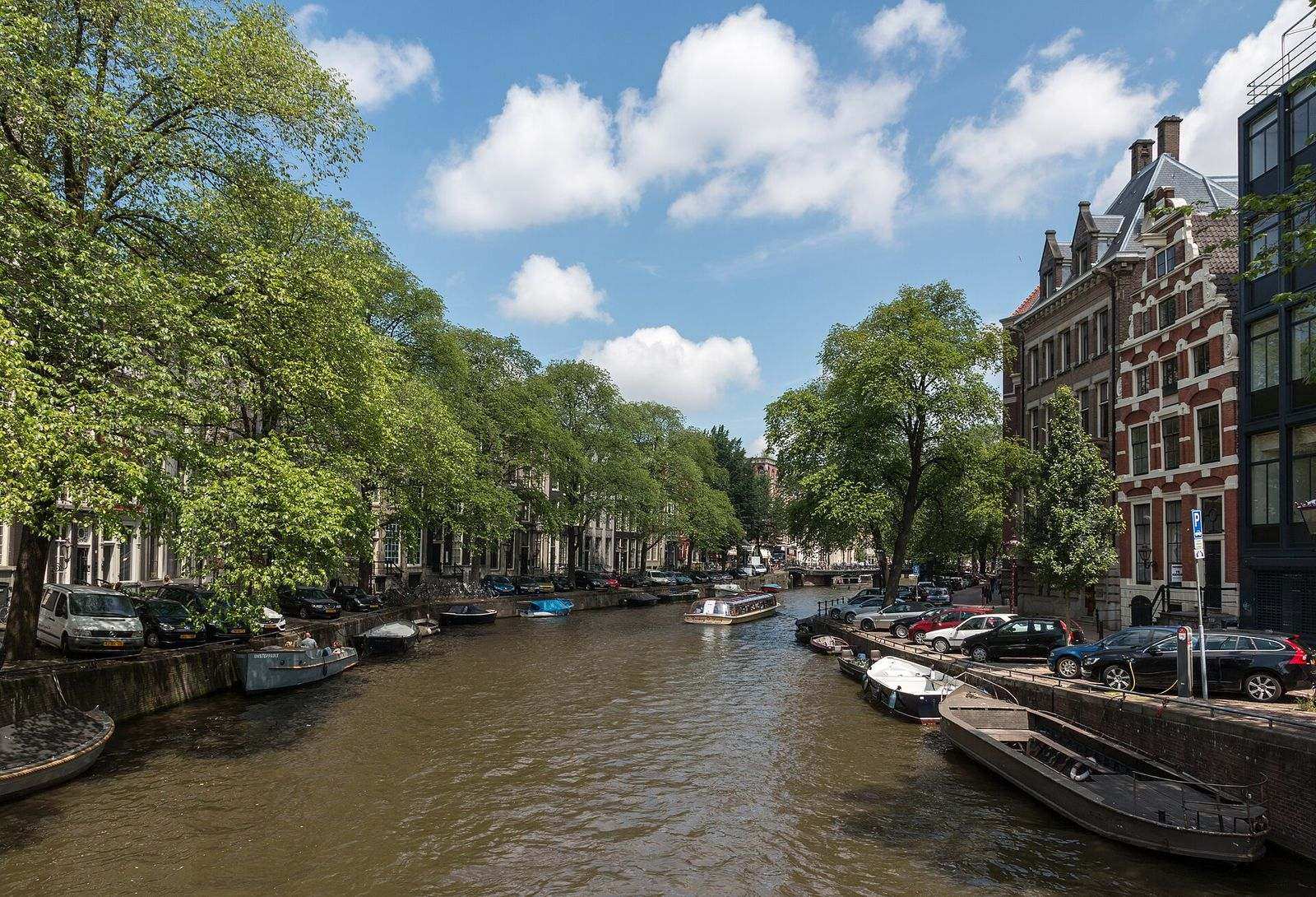
Netherlands Country guide — one tap & turn-up-and-go trains
Strengths
- One tap runs the country: OVpay lets you tap your own bank card in and out across trains, trams and buses
- NS Intercity and Sprinter trains are turn-up-and-go frequent — the timetable rarely plans the day
- The rail web makes bases beyond Amsterdam easy: Utrecht, Rotterdam and The Hague each change the trip
Watch out
- The payment system is mid-transition — the anonymous OV-chipkaart stopped being sold on 1 July 2026 as OVpay becomes the default
- Two museums, one rule: the Rijksmuseum and the Van Gogh Museum run on booked start times
- Keukenhof is spring-only — its season plans itself, and outside it there is no tulip visit to improvise
Best for: a short, dense trip where transport disappears — one tap, frequent trains, and the museum start times booked first.
See the Netherlands guide →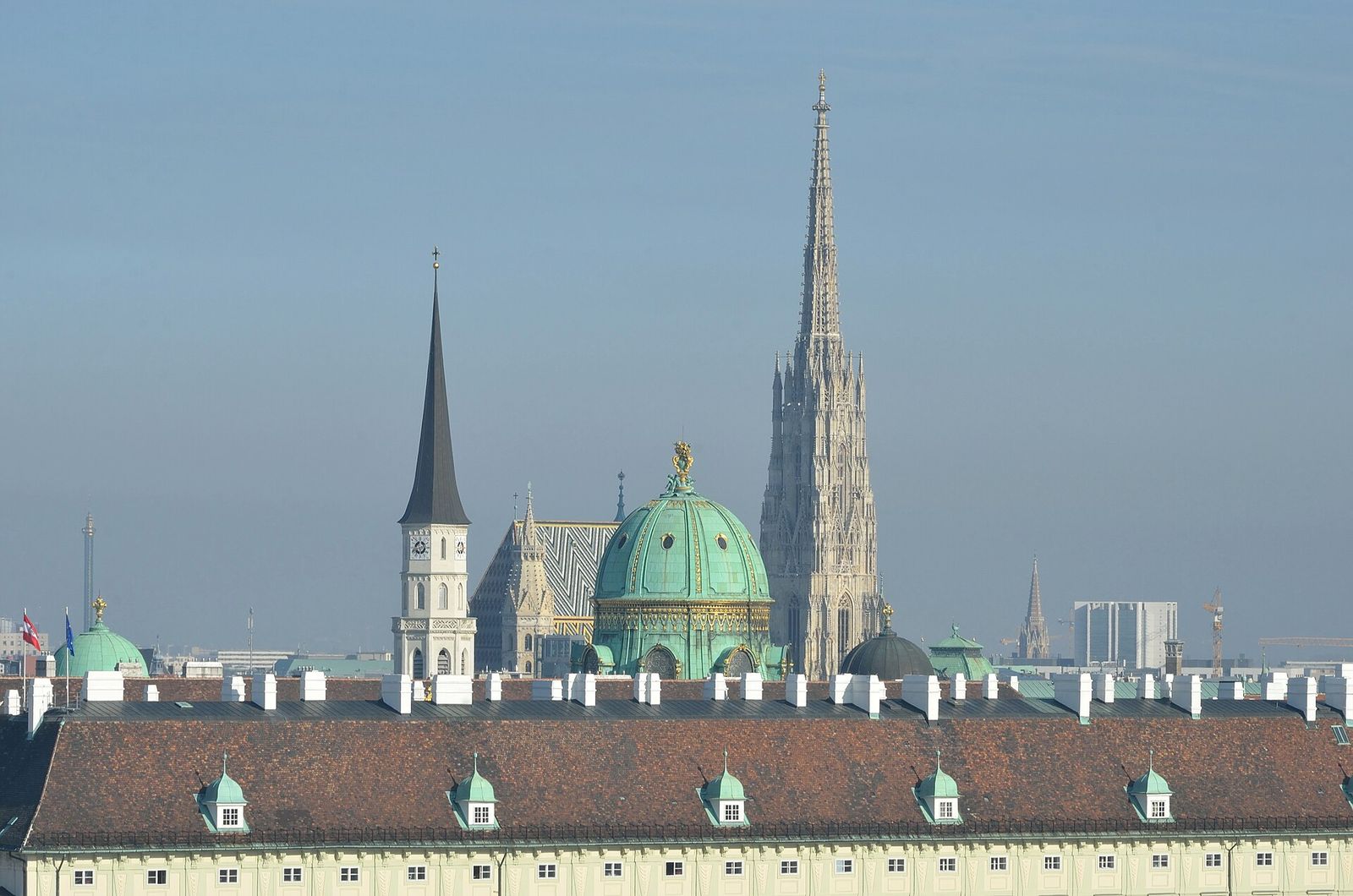
Austria Country guide — one alpine spine, one contested corridor
Strengths
- One alpine spine does the planning: ÖBB Railjet and Nightjet tie Vienna, Salzburg and Innsbruck together
- Vienna–Salzburg is a genuine choice — two competing railways run the same corridor
- Three bases, three different Austrias along the spine, with Hallstatt as the lakeside detour
Watch out
- On Vienna–Salzburg the two railways' tickets do not cross — the operator you bought is the train you take
- Schönbrunn runs on fixed admission times: the palace anchors the Vienna stay, not the other way round
- The KlimaTicket is a resident's pass, judged honestly in the guide — and the Vienna City Card is a discount card, not a free-entry pass
Best for: Vienna plus Salzburg — or Innsbruck beyond it — along one spine, with the palace time booked before the trains.
See the Austria guide →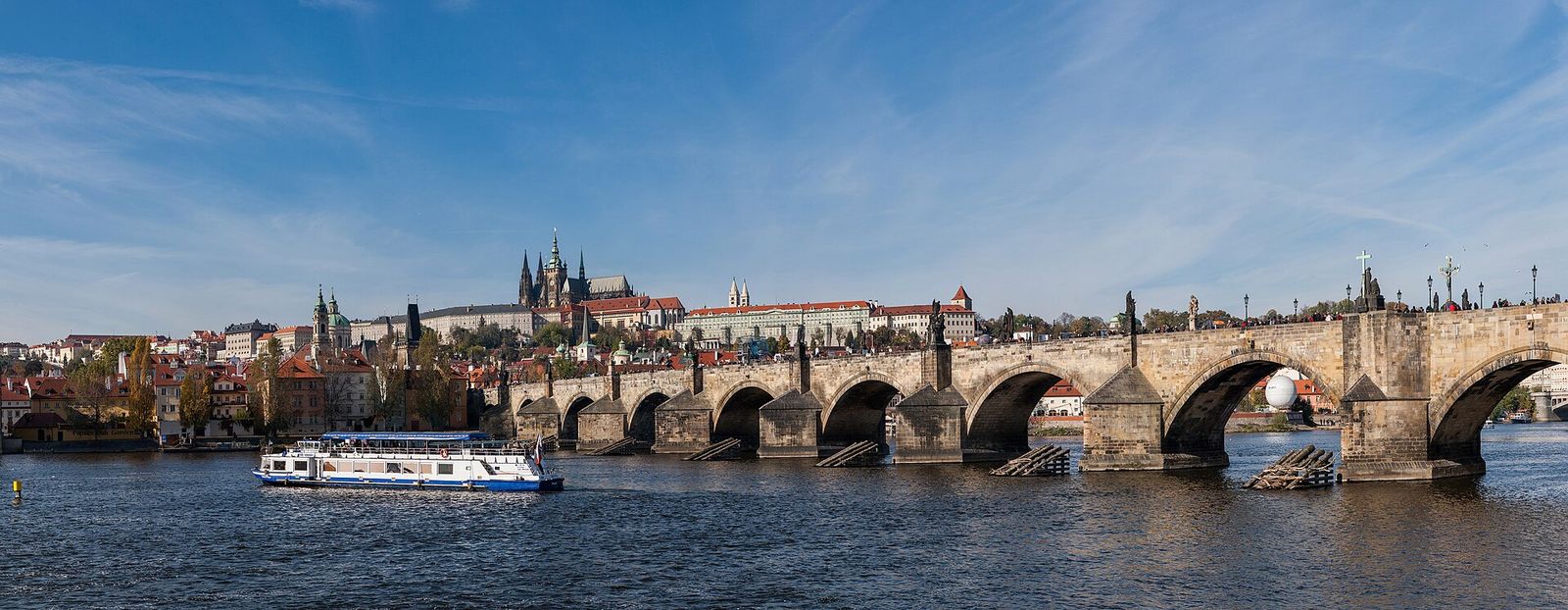
Czechia Country guide — Prague, three railways & the koruna
Strengths
- One capital is the country: Prague's sights sit in one walkable core, with one integrated transport system underneath
- Three railways compete out of the hub — ČD, RegioJet and Leo Express — so the traveller compares, not just books
- Beyond Prague is real, not filler: Český Krumlov above all, reached from the same hub
Watch out
- Czechia prices in koruna (CZK), not euros — every official price, from castle to city pass, is quoted in crowns
- You don't buy a ticket to "the castle" — Prague Castle sells circuits, and the circuit is the decision
- The Prague Visitor Pass only pays on your actual list, and the old core's crowd is a planning problem, not a surprise
Best for: one base chosen well — Prague done properly, its pass judged on your list, plus one day or base beyond it.
See the Czechia guide →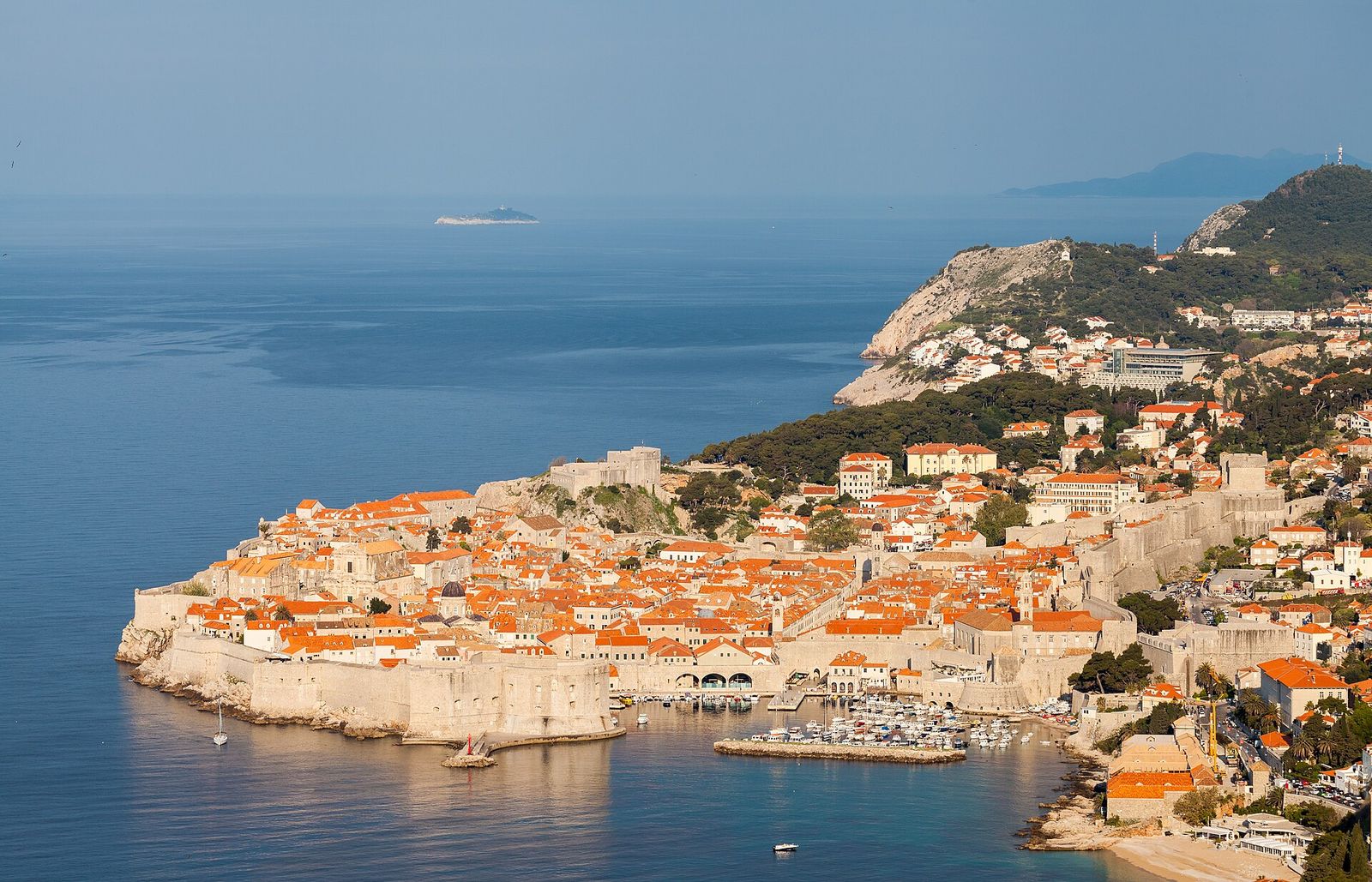
Croatia Country guide — the coast decides, the ferry connects
Strengths
- Jadrolinija's ferry districts string the coast and islands together — car ferries for drivers, catamarans on top for foot passengers
- The bases plan themselves along the arc: Split and Dubrovnik on the coast, Zagreb as the inland contrast
- Plitvice Lakes is a genuine inland anchor — a timed-entry detour that justifies leaving the coast
Watch out
- The train is an ingredient, never the recipe — build the coast on ferries, buses and the road, and judge Zagreb-to-coast rail as one leg
- Islands are chosen by district and by boat, not by photograph: a car ferry and a catamaran can land on the same island in different places
- The Dubrovnik Pass only pays if your days actually use the City Walls plus its museums and buses — the walls alone are sold separately
Best for: a coastal arc by ferry — two islands inside one district, Split and Dubrovnik as bases, Plitvice as the planned detour.
See the Croatia guide →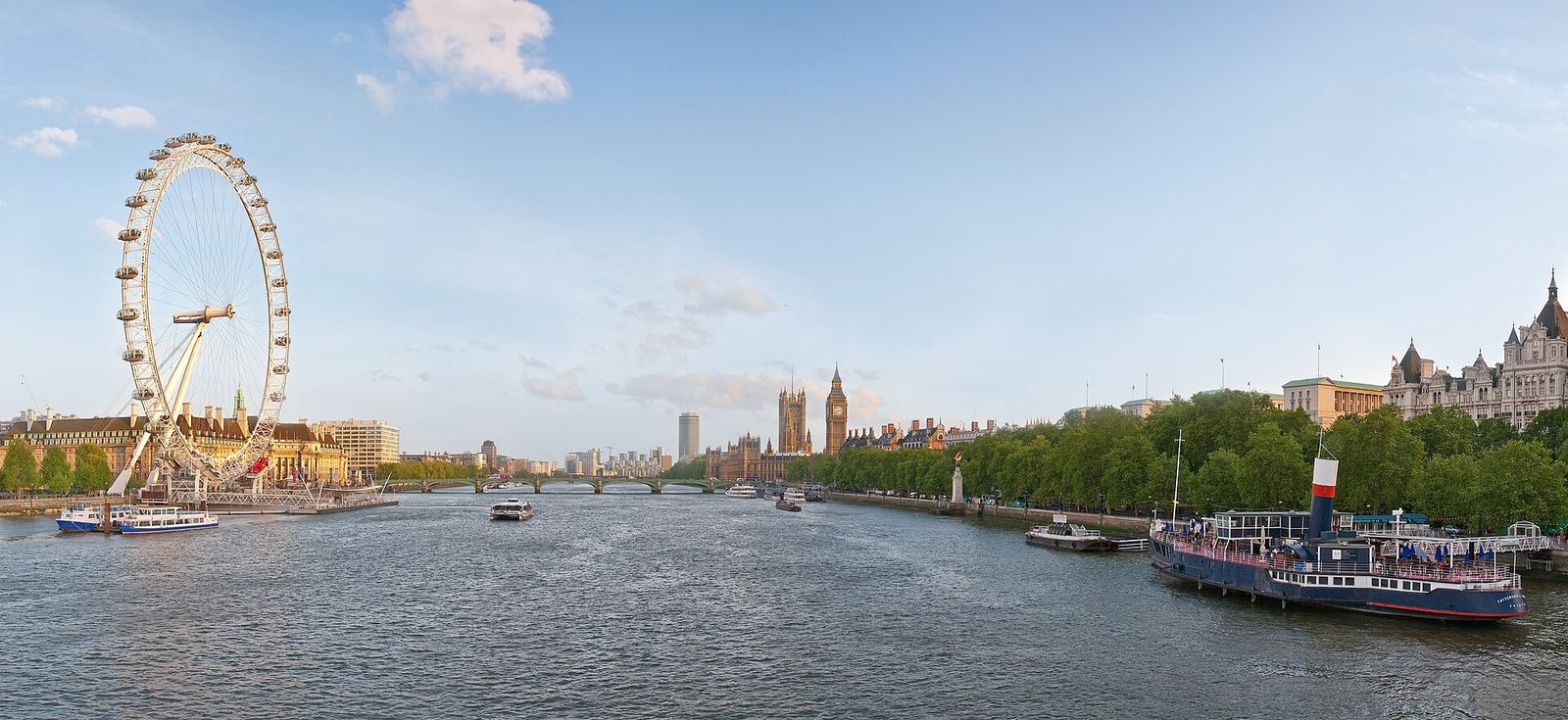
United Kingdom Country guide — its own rules
Strengths
- London's great national museums are free — the paid layer of the trip is smaller than visitors expect
- Contactless and Oyster fares cap themselves: you pay as you go and the total stops at the cap
Watch out
- The UK is not in Schengen: the 90-in-180 clock does not apply, and no Schengen document opens the UK
- Entry runs on GOV.UK's own system — an ETA for visa-free nationalities, checked before you travel
- City passes are judged against a free museum layer: a pass only earns on the paid sights you actually use
Best for: London first, on its own terms — then the BritRail-versus-Railcard judgement if the trip widens.
See the United Kingdom guide →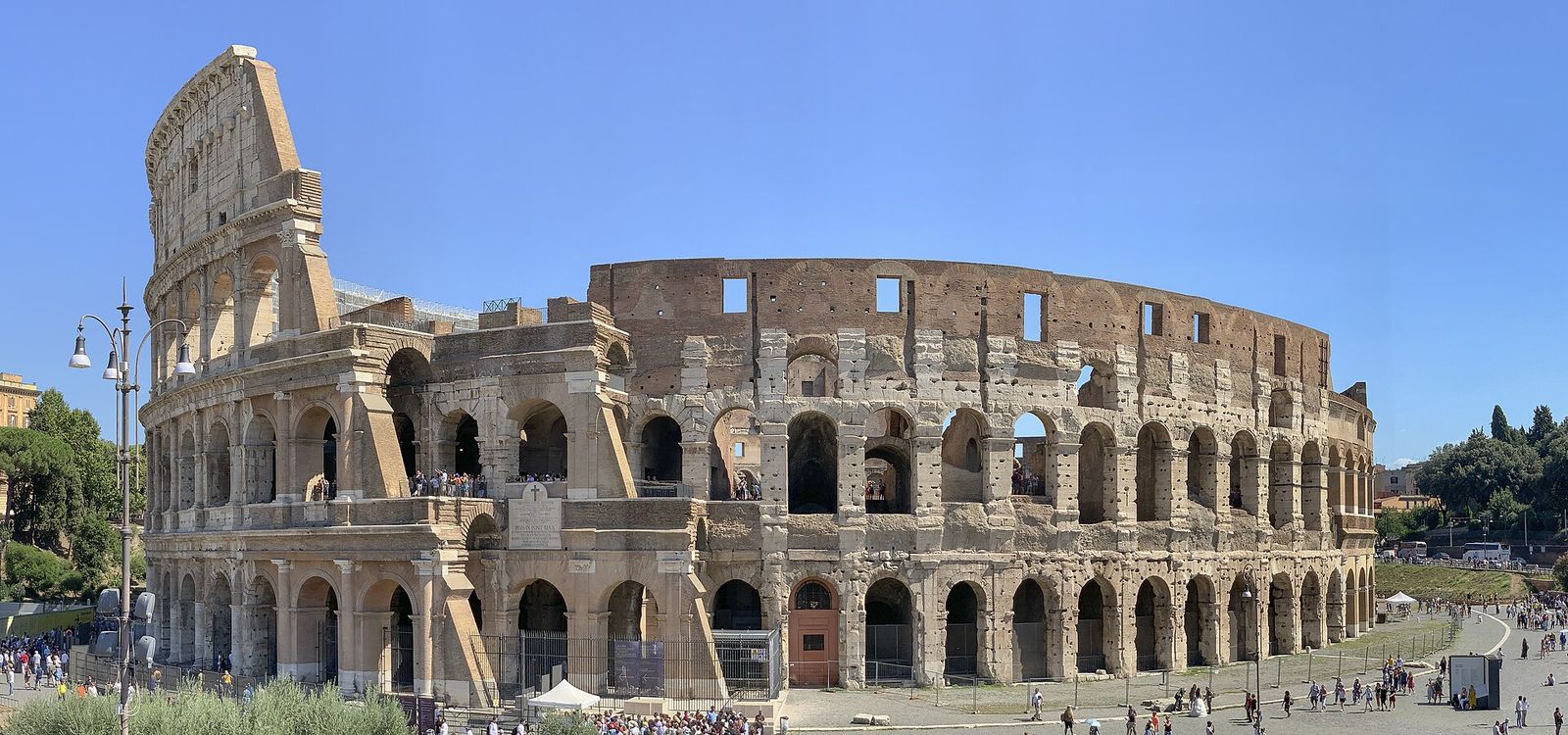
The full set — the other seventeen country guides, each built the same way:
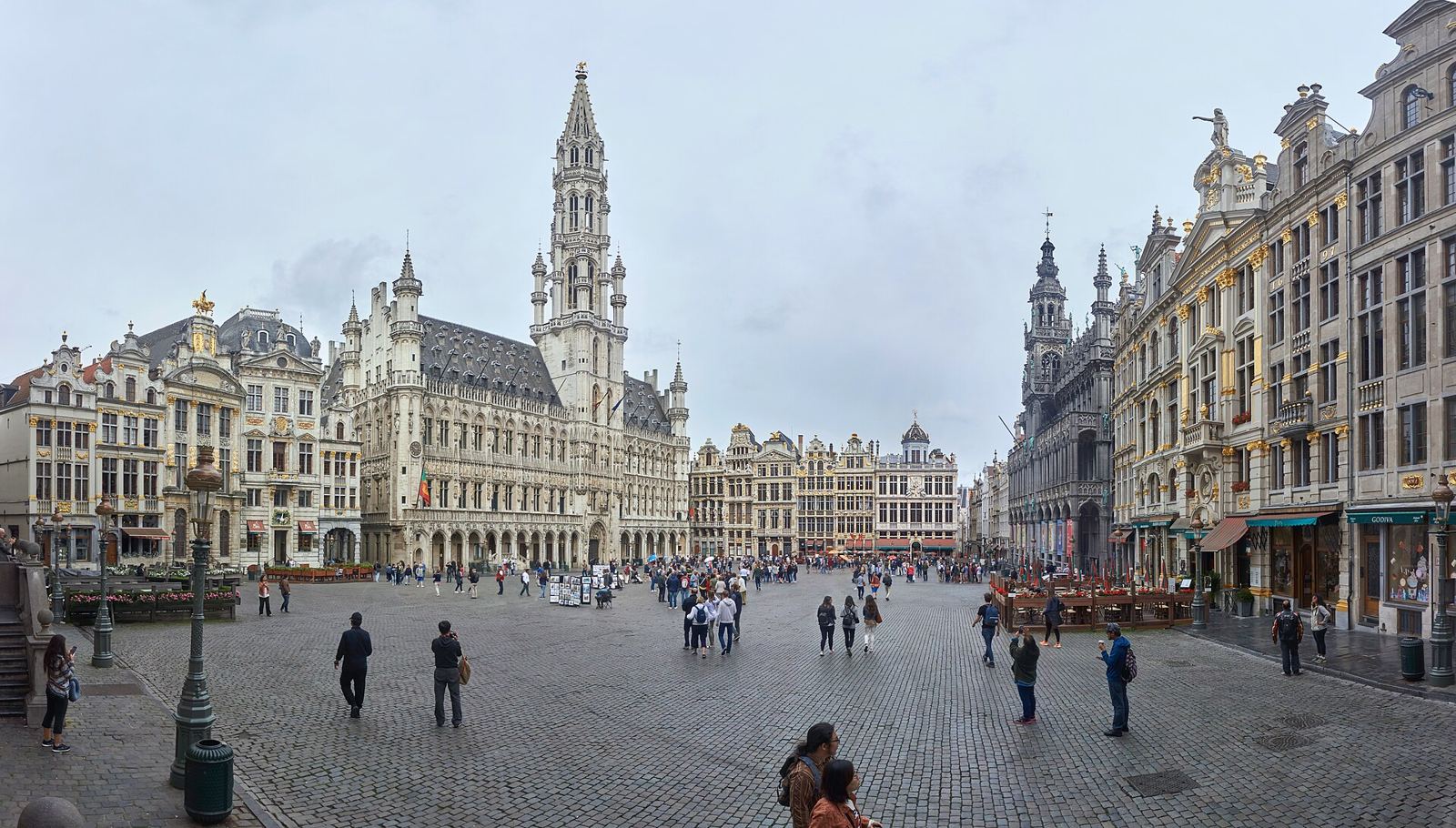
Belgium Country guide
Belgium is the rare country where the map plans the trip for you.
See the Belgium guide →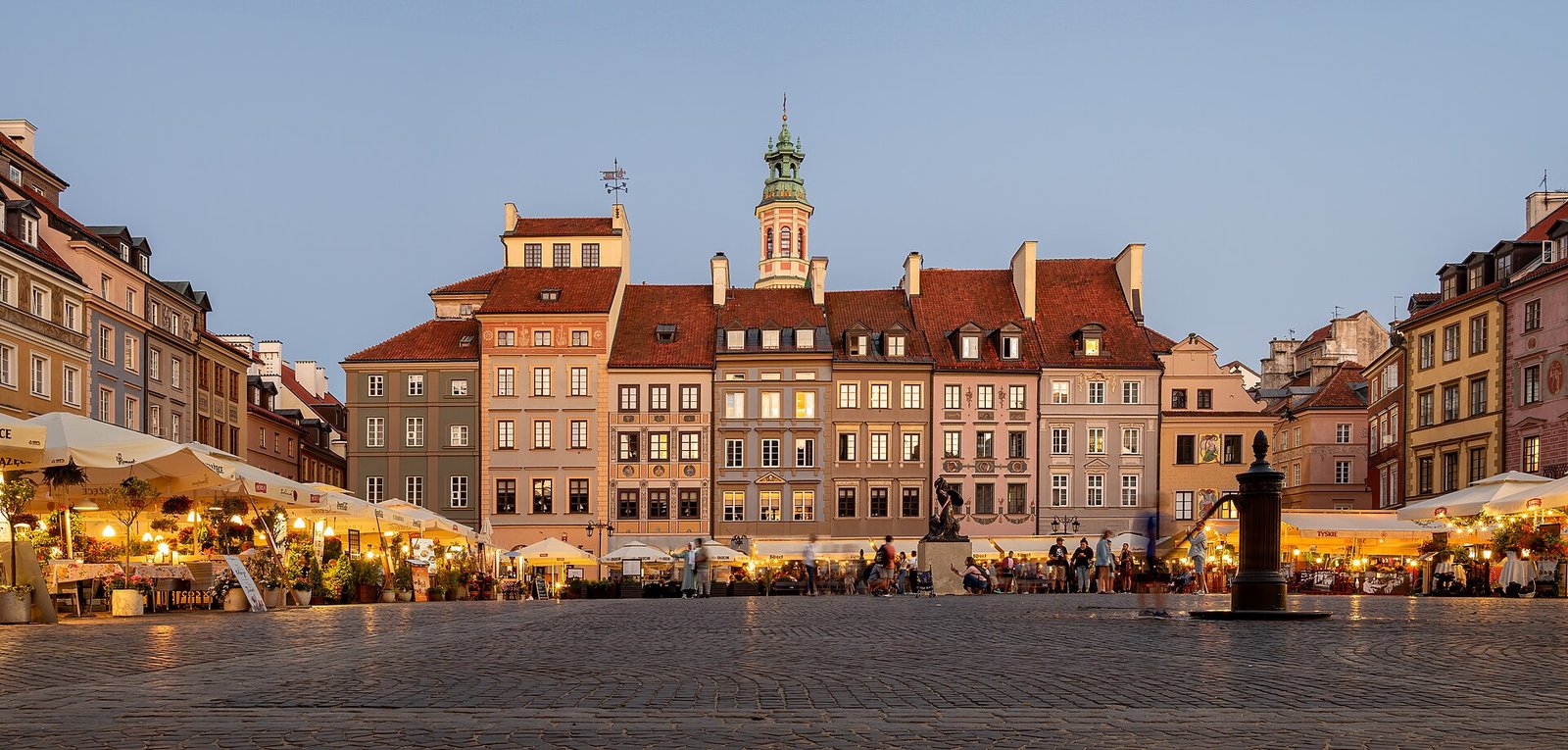
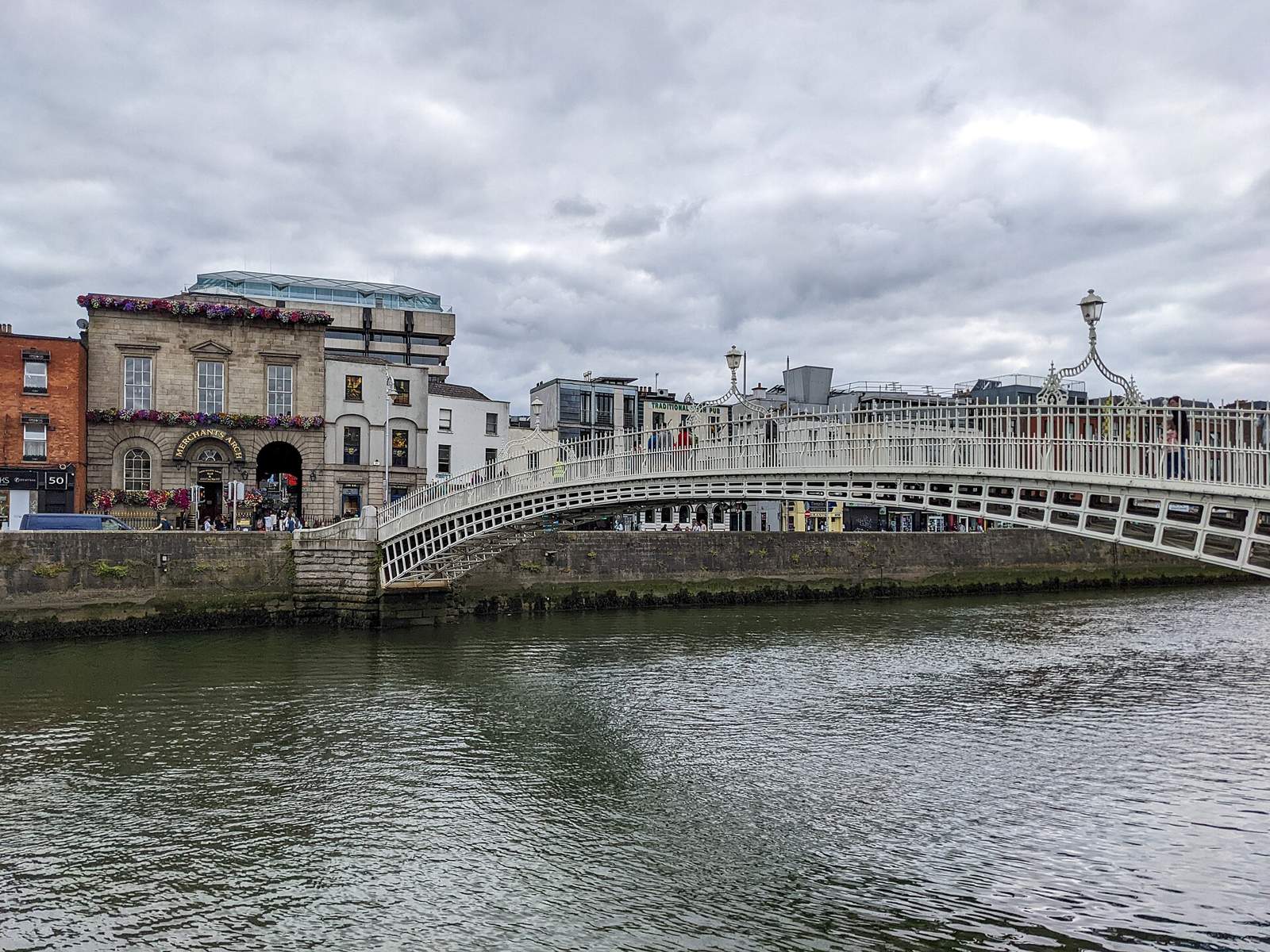
Ireland — Dublin first Country guide
Ireland breaks the pattern of the other pages in this hub, twice over.
See the Ireland — Dublin first guide →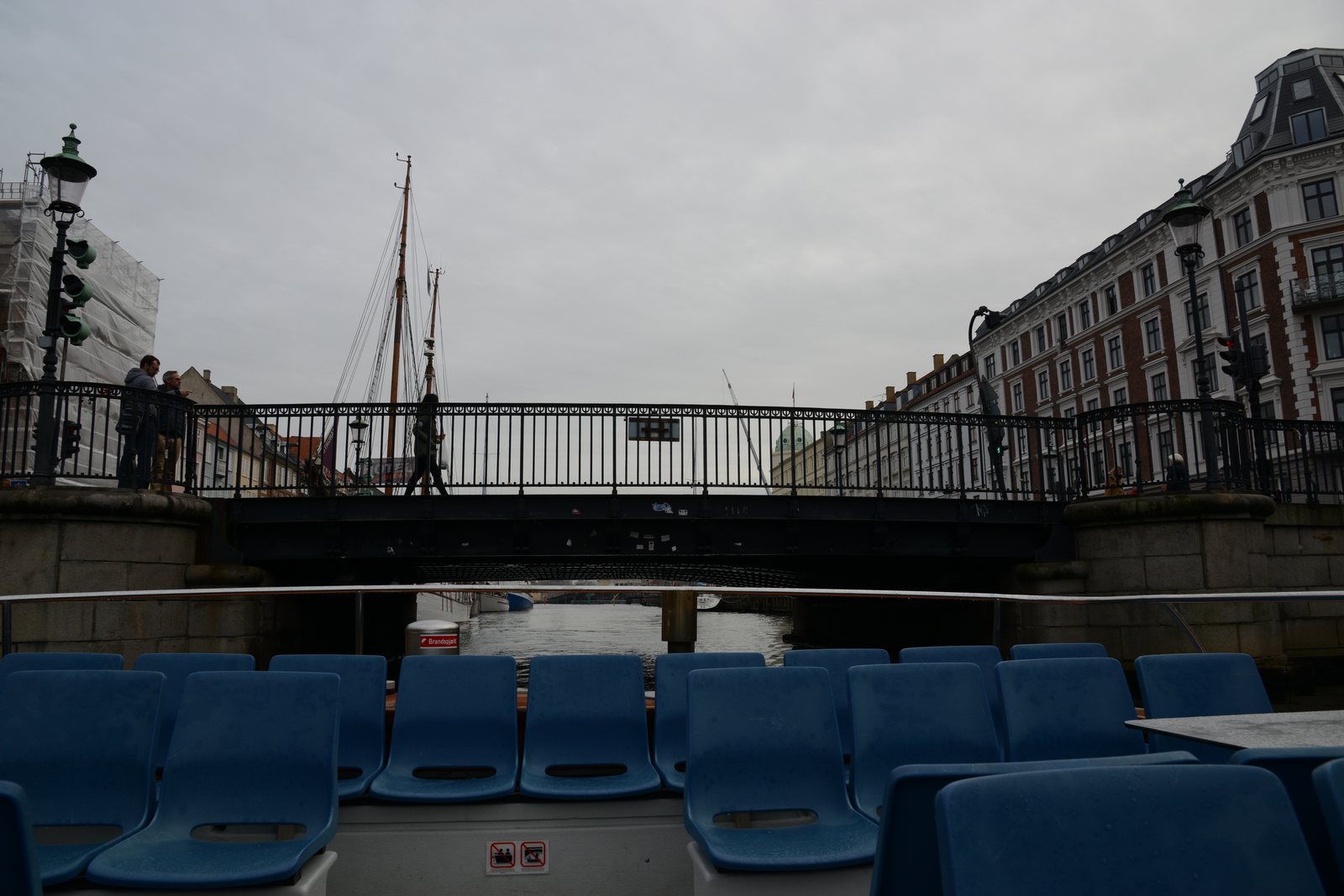
Denmark Country guide
Denmark is a capital-first country with one extraordinary extra.
See the Denmark guide →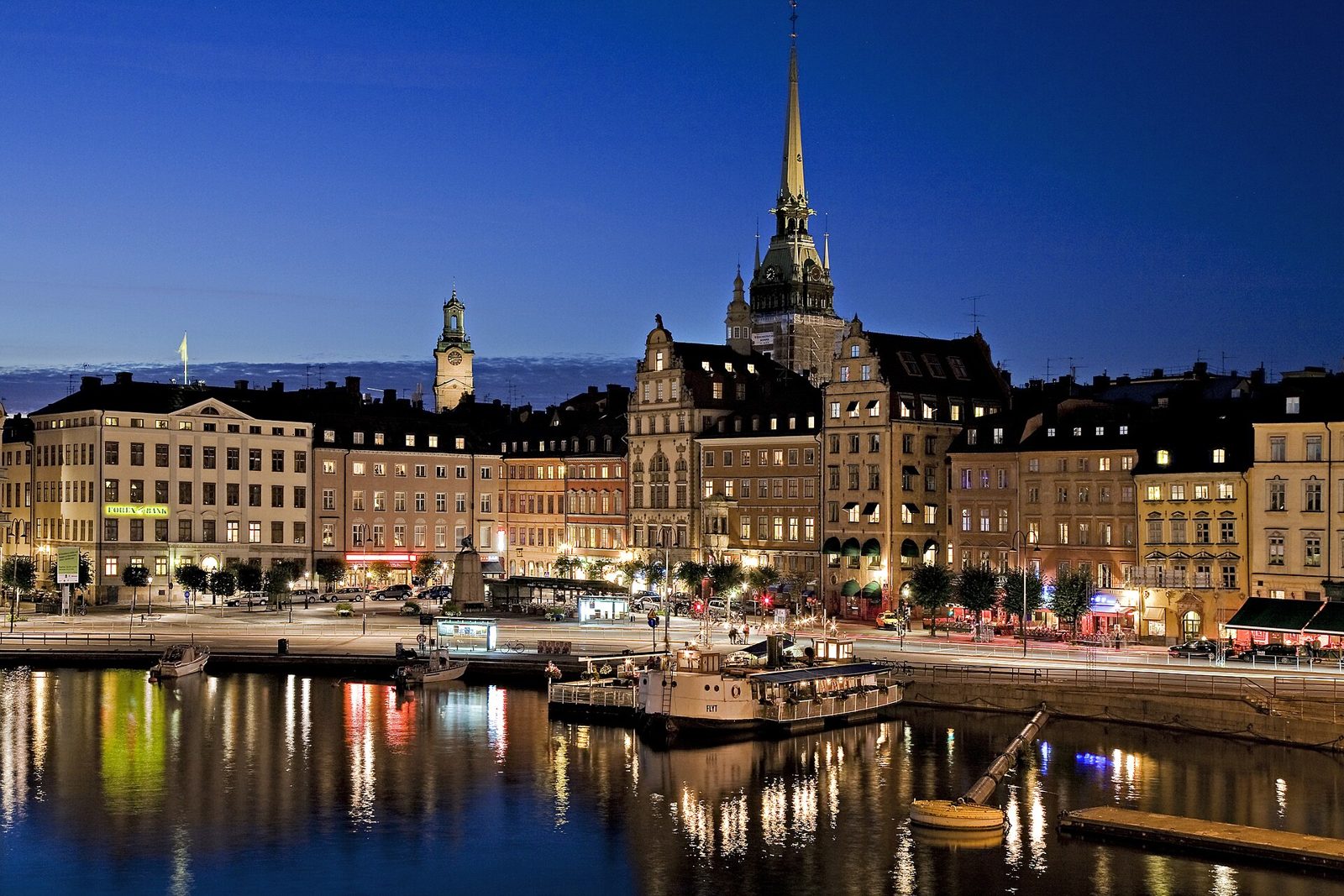
Sweden Country guide
Sweden is the European country where distance itself is the variable.
See the Sweden guide →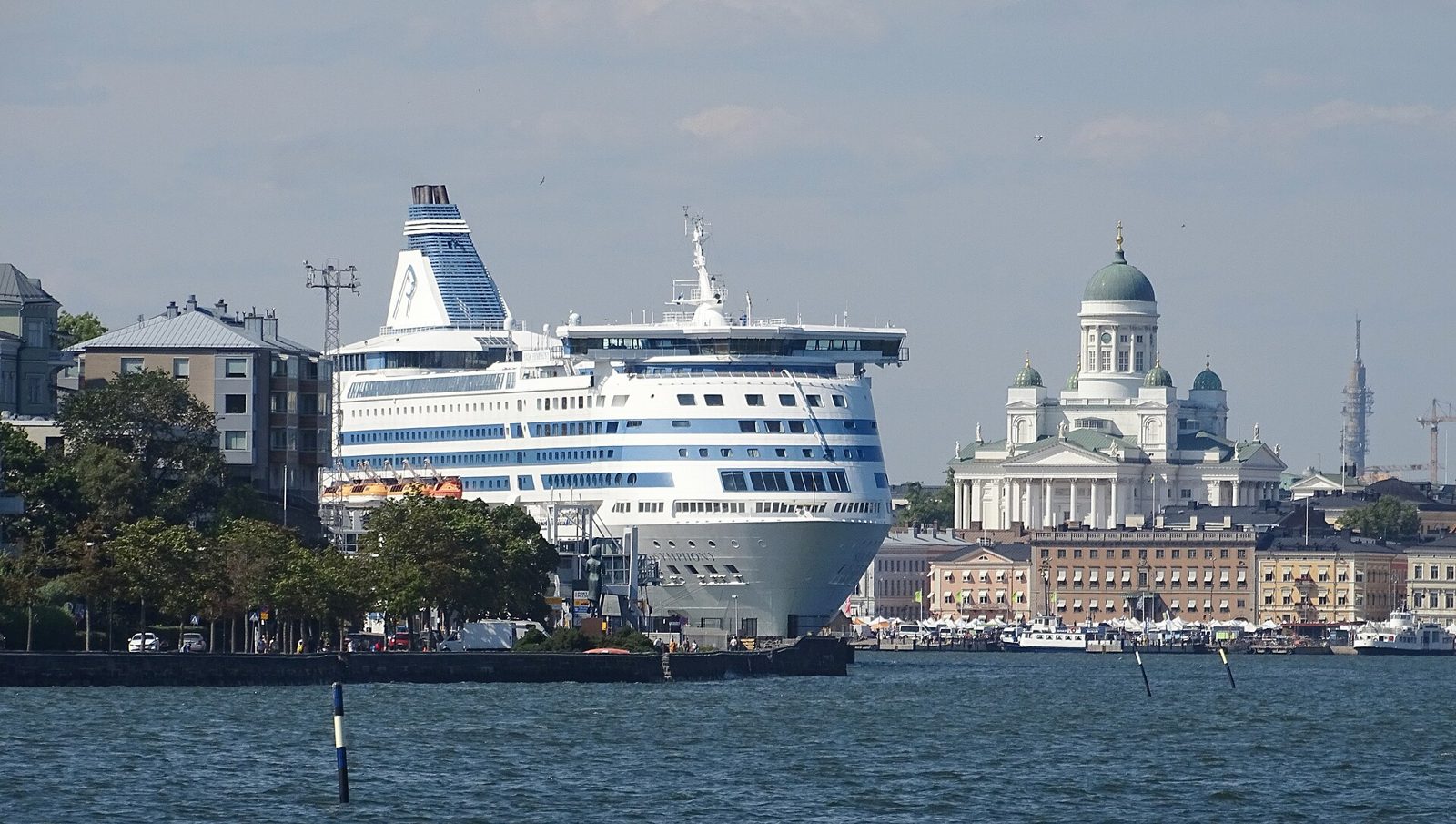
Finland Country guide
Finland is the rare country where one city genuinely is the whole plan's hinge.
See the Finland guide →
Slovenia Country guide
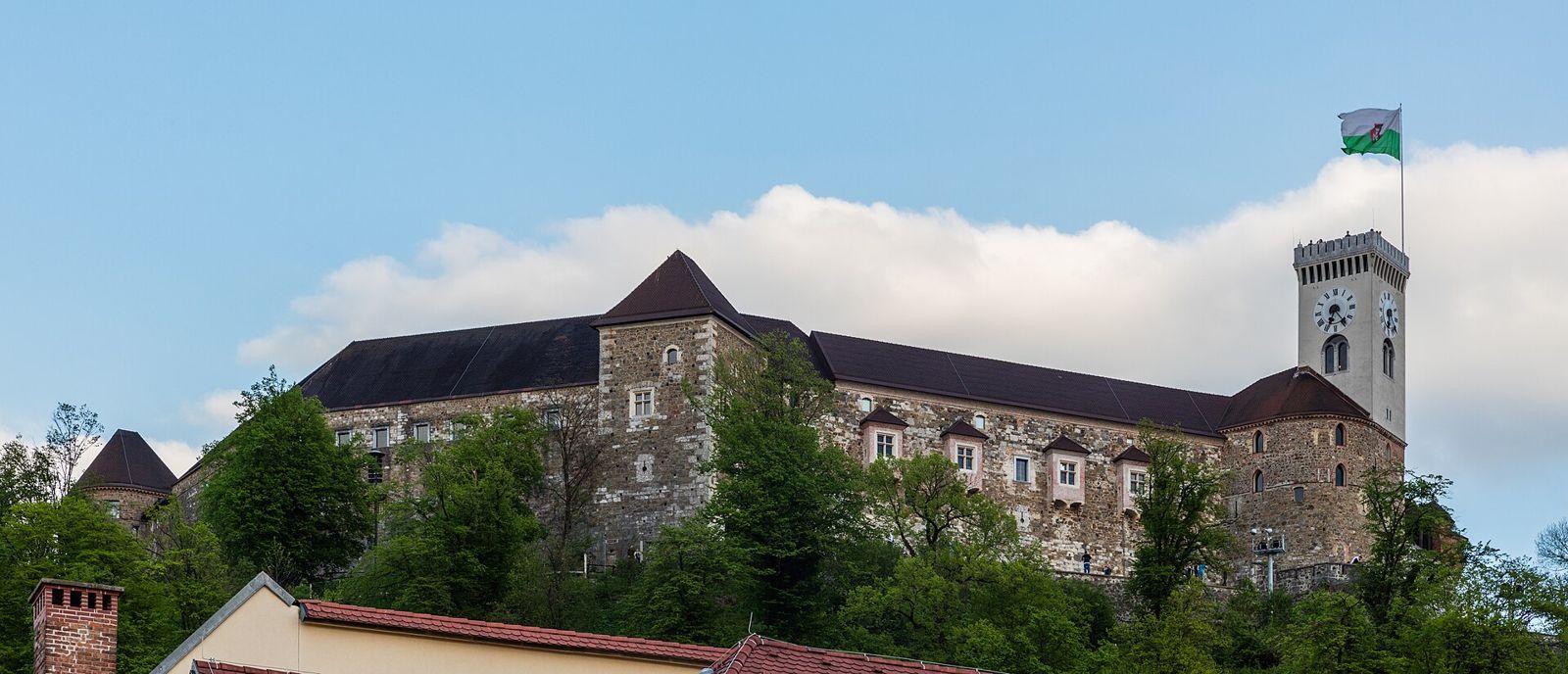
Slovenia is the rare country where one bed can honestly hold the whole trip.
See the Slovenia guide →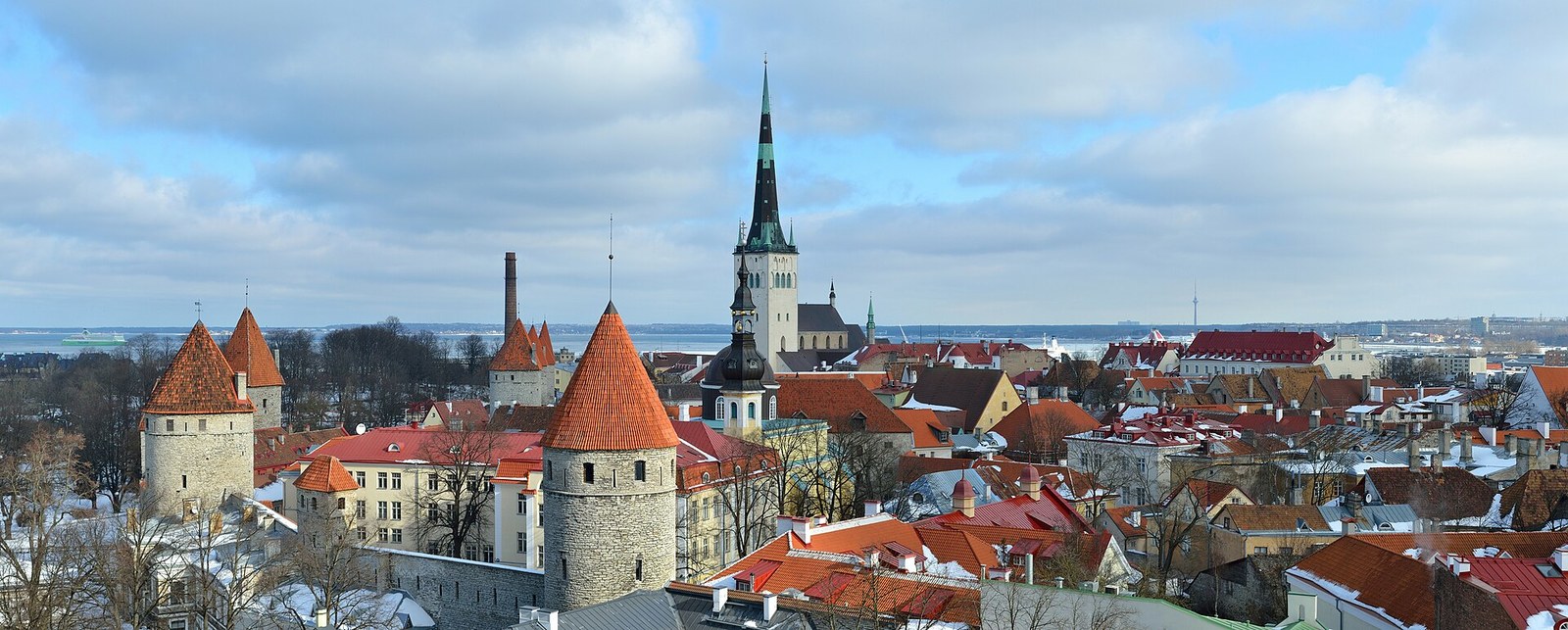
Estonia Country guide
Estonia is where a Baltic trip most naturally begins — or ends.
See the Estonia guide →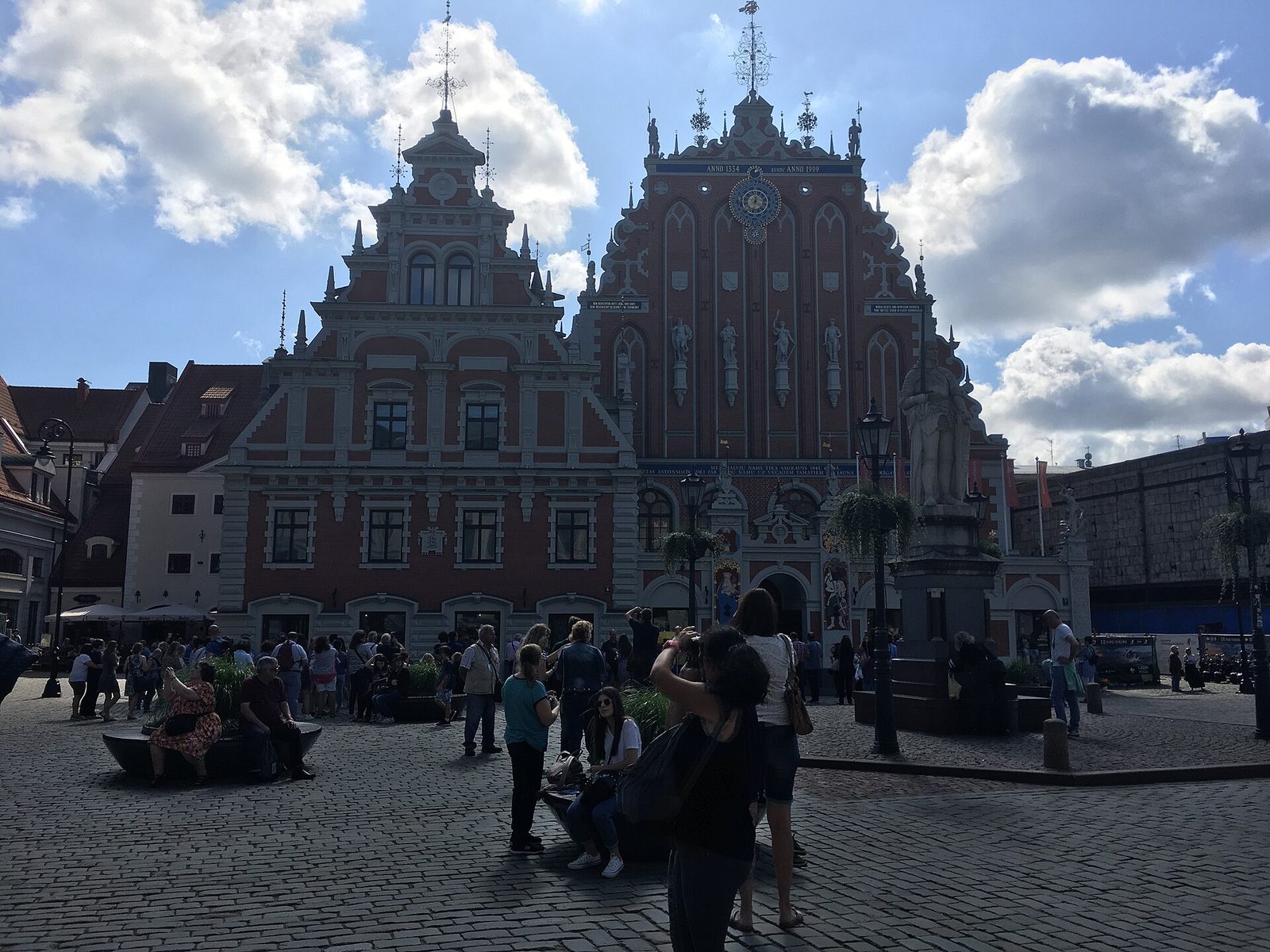
Latvia Country guide
Latvia is the middle country of the Baltic chain, and Riga is its whole argument in one city: a medieval old town on the Daugava, the densest streets of Art Nouveau in Europe a short walk beyond it, and a great market in old airship hangars beside the station where every journey starts.
See the Latvia guide →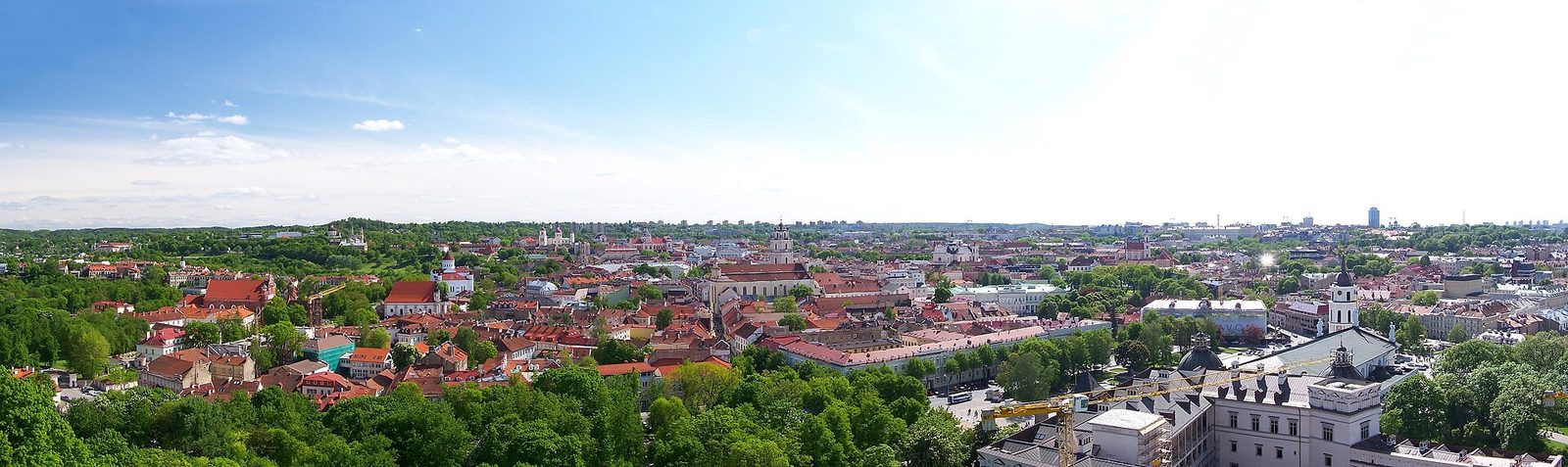
Lithuania Country guide
Lithuania is the southern anchor of the Baltics, and almost every way of travelling it starts from the same forecourt: Vilnius, a baroque capital whose old town is a UNESCO World Heritage site, with its railway station and bus station standing side by side at the old town's southern edge.
See the Lithuania guide →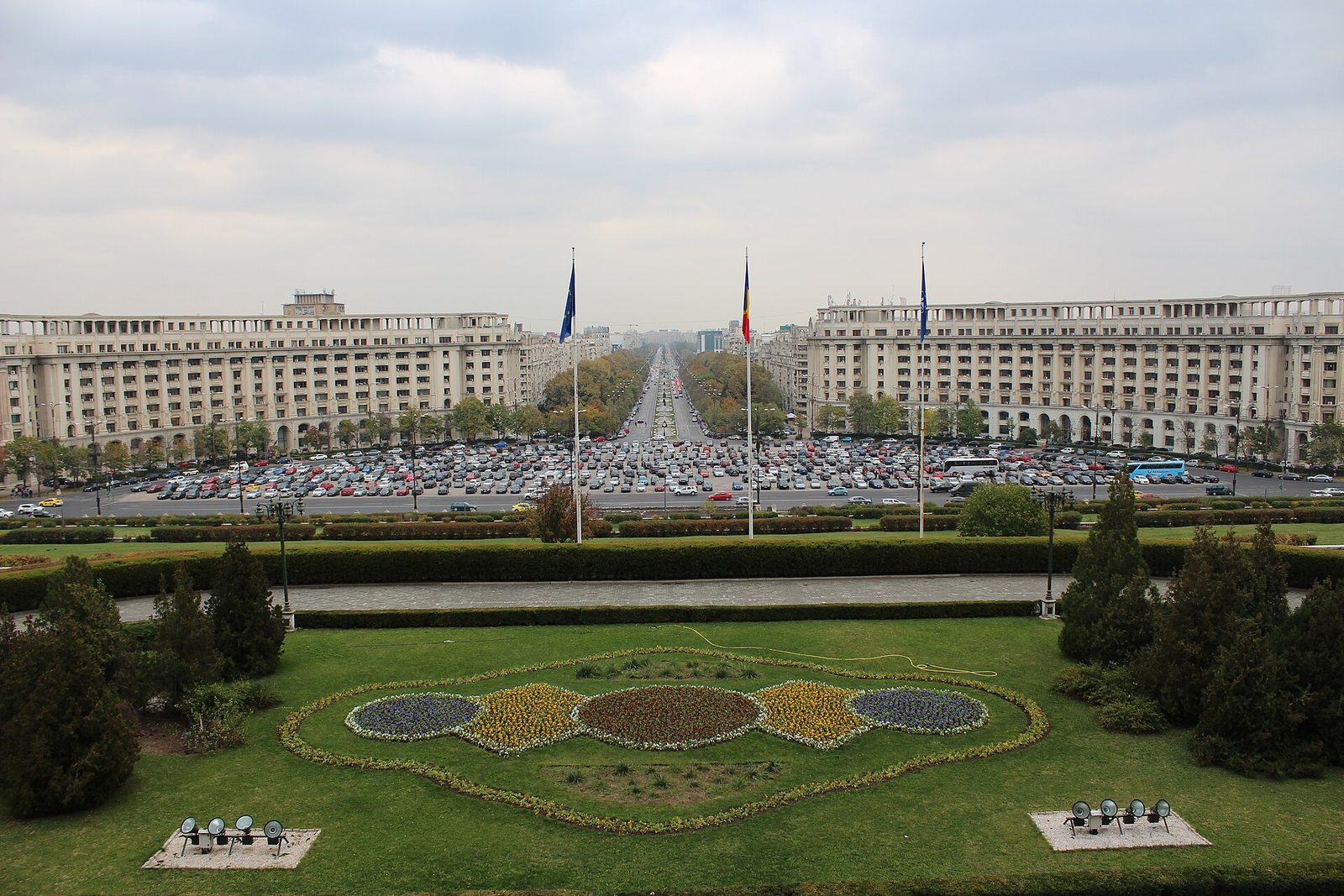
Romania — capital or mountains? Country guide
Romania is really two trips sharing one flag, and the first decision is which of them leads.
See the Romania — capital or mountains? guide →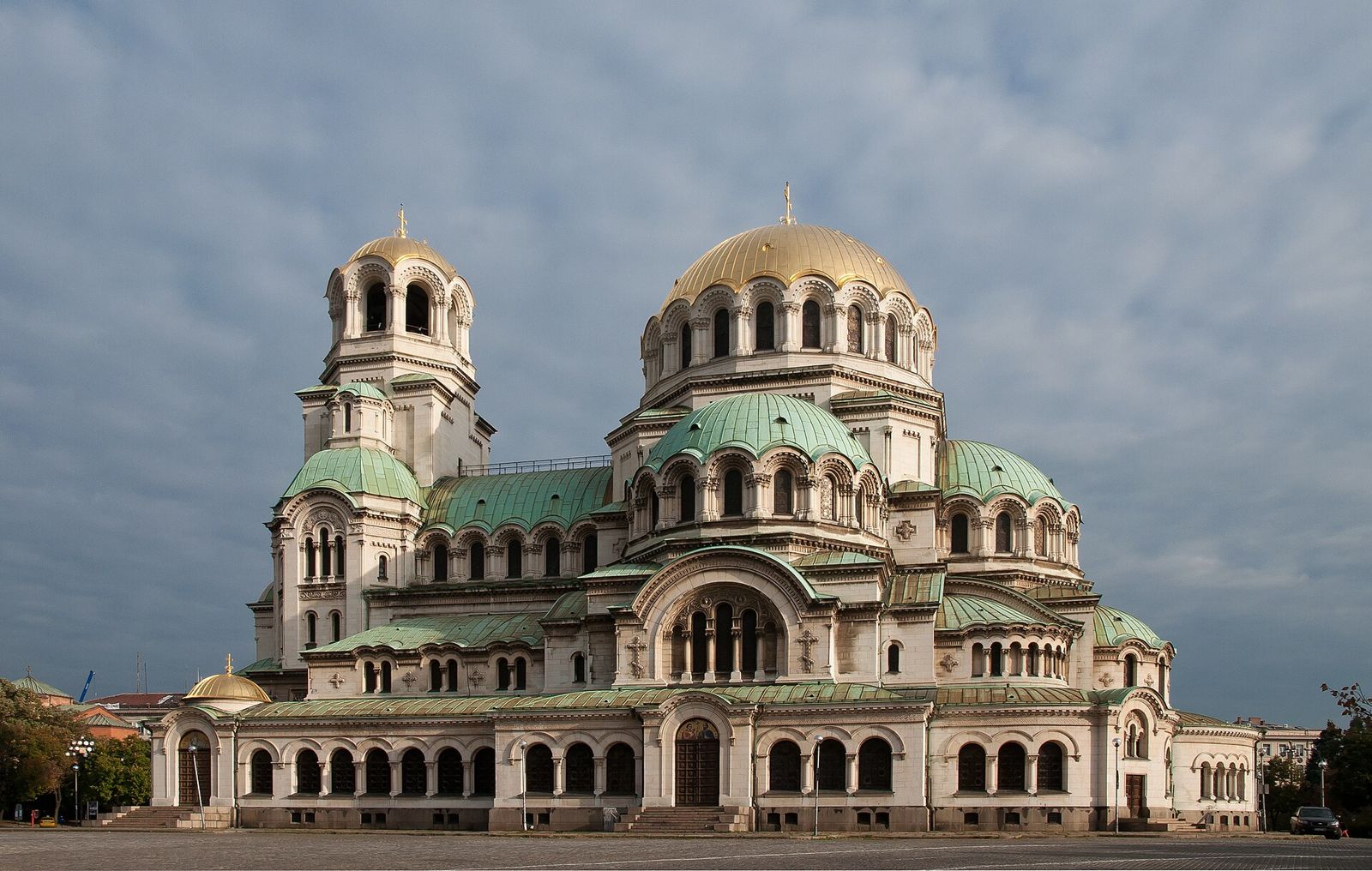
Bulgaria Country guide
Bulgaria rewards the traveller who stops assuming the train is the default.
See the Bulgaria guide →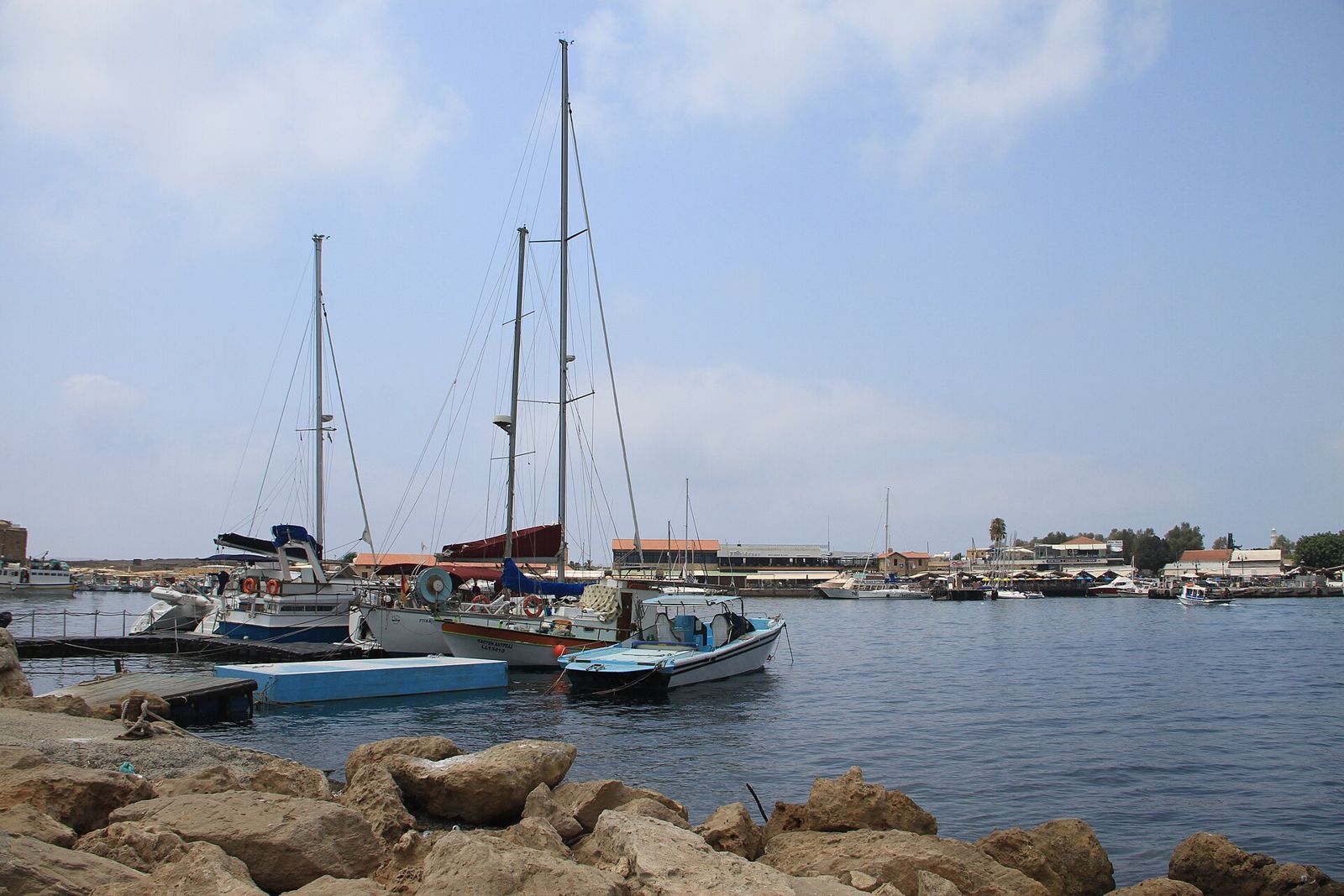
Cyprus Country guide
Cyprus deletes the first page of the usual European playbook: there is no railway here, no metro, no tram — every journey is a road journey.
See the Cyprus guide →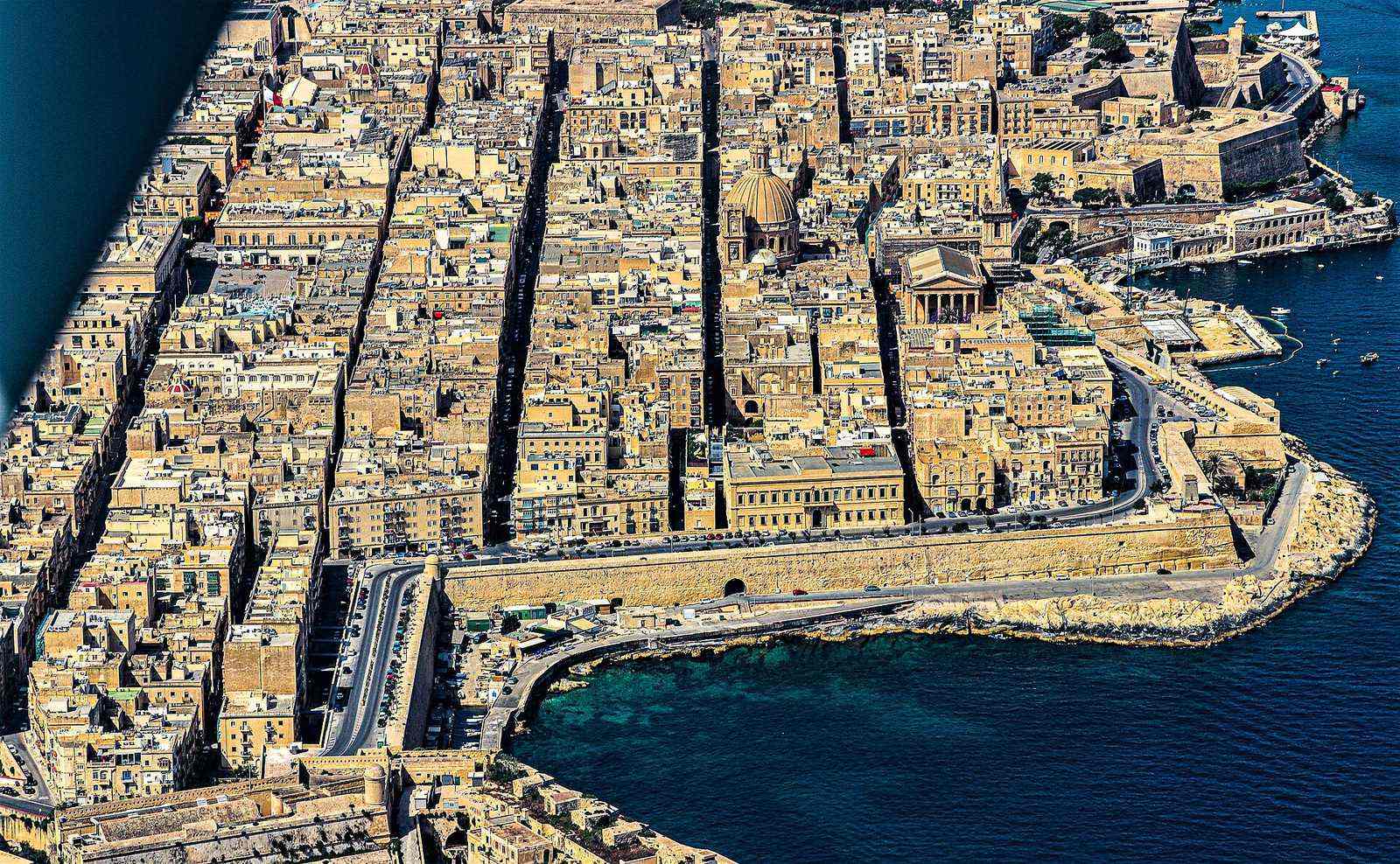
Malta Country guide
Malta is an island country small enough that the transport question answers itself — and that is exactly the trap.
See the Malta guide →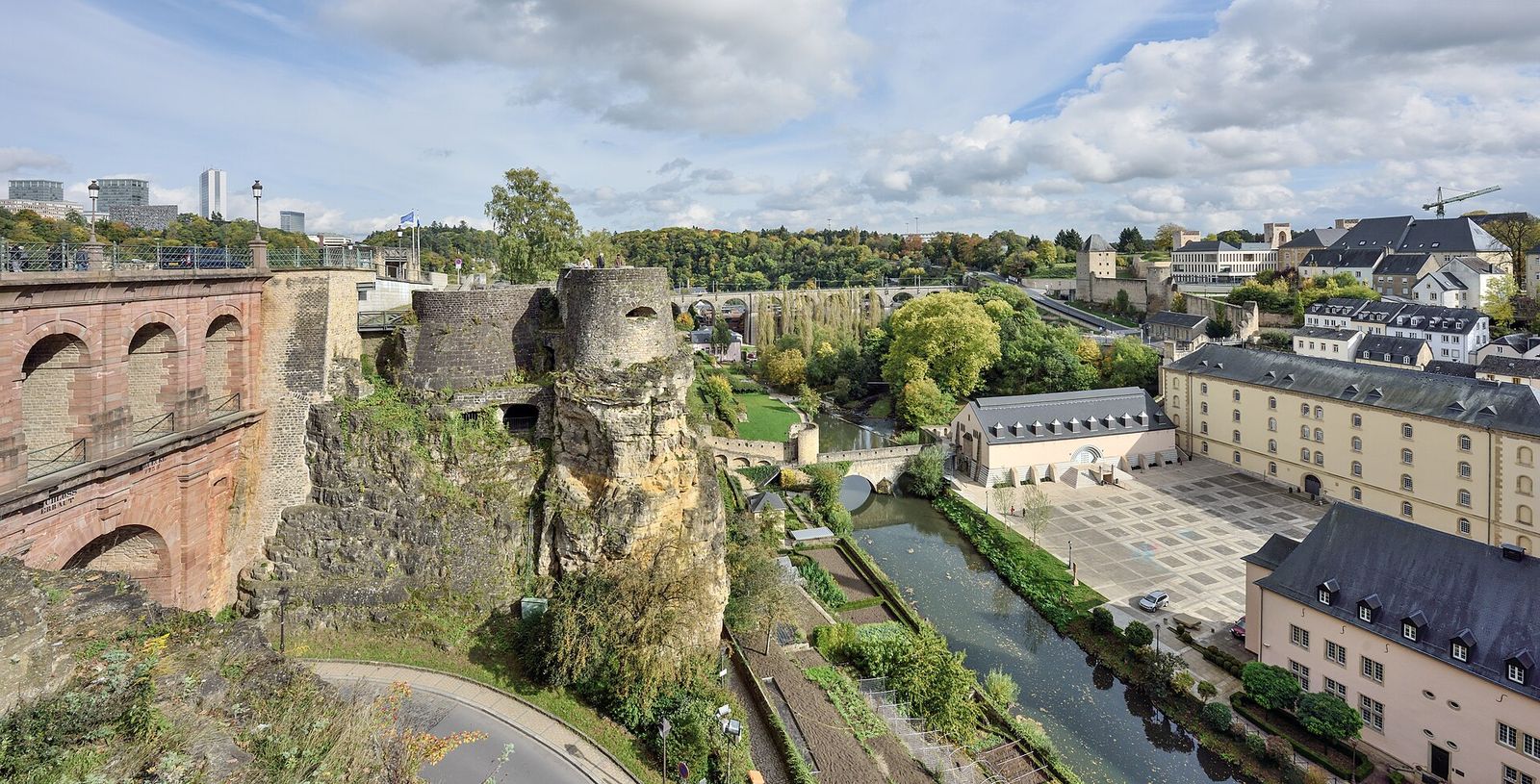
Luxembourg Country guide
Luxembourg is the one country in Europe where the transport budget line can be deleted — and the one where deleting it teaches you the least about planning the trip.
See the Luxembourg guide →The shared layer — one clock, one outsider, one rail question
Before the country detail, three judgements apply to almost every European trip from the US. Get these right and the country guides become execution; get them wrong and no itinerary fixes it.
The Schengen clock — 90 days in any 180
Rail passes — judged per trip, not per continent
Greek rail is the exception that proves the structure: in Greece the ferry network, not the train, is the intercity system — the Greece guide plans it that way, and Croatia's coast runs on the same logic.
Book before you fly — the reservation-first sights
Europe's headline sights have quietly become a reservations system. These are the ones our country guides treat as book-first — the guide for each country carries the how.
| Sight | How admission works | Where the detail lives |
|---|---|---|
| Eiffel Tower, Paris | Tickets sell through the tower's official channel; popular slots go first | Paris guide |
| Louvre & Musée d'Orsay, Paris | Timed entry — and a museum pass does not remove the reservation step | Paris guide · France guide |
| Colosseum, Rome | Nominative tickets released in advance; the name must match the visitor | Italy guide |
| Vatican Museums | Official booking ahead; the published dress rule applies at entry | Italy guide |
| Sagrada Família, Barcelona | Online-only, nominative tickets with a chosen time | Spain guide |
| Alhambra, Granada | The Nasrid Palaces carry their own timed slot inside the visit | Spain guide |
| Pena Palace, Sintra | Timed slots; the day trip from Lisbon is booked, not taken | Portugal guide |
| Acropolis, Athens | Time-designated tickets; the museum is a separate ticket | Greece guide |
| Neuschwanstein & the Reichstag dome, Germany | Among Germany's few fixed points: the castle runs on tour times and the dome on a registered slot — most of the rest of a German trip stays flexible | Germany guide |
| Rijksmuseum & Van Gogh Museum, Amsterdam | Booked start times — the museum day is fixed by the slot, not by arrival | Netherlands guide |
| Schönbrunn Palace, Vienna | Fixed admission times; the palace anchors the Vienna stay | Austria guide |
| Prague Castle | Admission is by circuit, not a single castle ticket — choose the circuit before the day | Czechia guide |
| Plitvice Lakes, Croatia | Timed entry on the inland detour — the lakes day is booked, then the coast is built around it | Croatia guide |
| London's national museums | Permanent collections are free; the British Museum advises booking a free timed ticket ahead | UK guide |
Staying longer — a month in Europe
A month is a different structure from a holiday: the same Schengen clock, but housing on monthly terms, living costs instead of daily budgets, and — for travellers who work remotely — digital-nomad visas with official income thresholds that differ by country. Our long-stay line works through it country by country, honestly: the entrance compares the structures, and Portugal is the first completed country file, D8 visa maths included.

Long stays in Europe Month stays — structures & nomad visas
Strengths
- The Schengen maths worked once, in the open — including the bilateral-agreement layer most guides skip
- Nomad-visa figures are official thresholds only, checked against government sources
Watch out
- Visa-free entry is not permission to work remotely — the two questions are separate in every country
- Only Portugal's country file is complete; the other countries follow in order, and the entrance says so plainly
Best for: anyone sketching a month — or a season — rather than a fortnight.
See long stays in Europe →First country file: a month in Portugal — Lisbon, Porto, the Algarve and Madeira compared as bases.
Plan it with the tools
The country guides carry the judgement; these carry the arithmetic and the assembly.
 🧮 Budget planner
Build the trip budget from destination multipliers and party composition — European regions included, every figure labelled as an example to check, not a quote.
 🧳 Trip builder
Assemble cities, days and party size into an itinerary skeleton with a budget attached — the plan the country guides then refine.
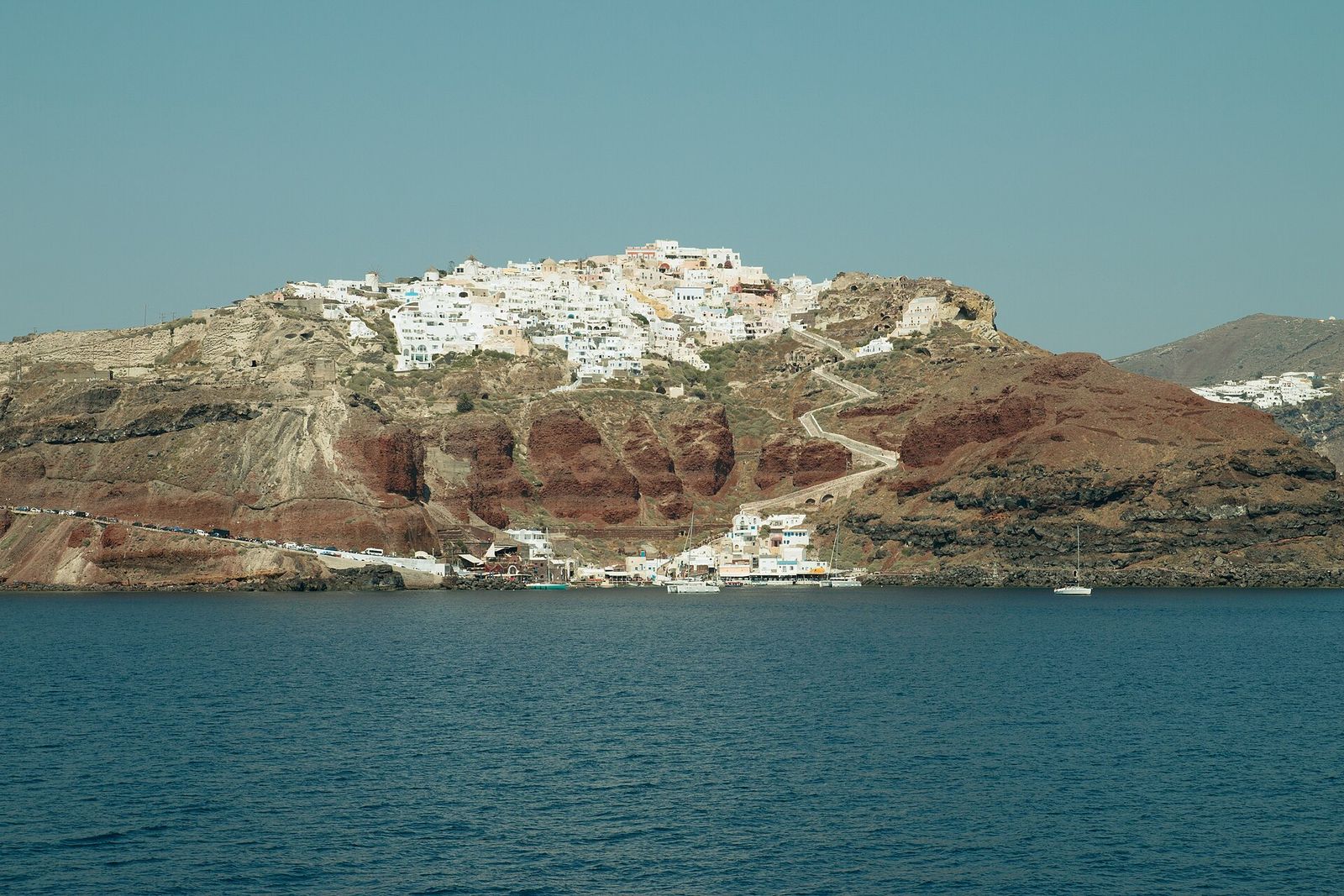 📱 Guide & Trip Record app
Carry the plan, mark what you actually did, photograph receipts and score the trip afterwards — on your device, offline.
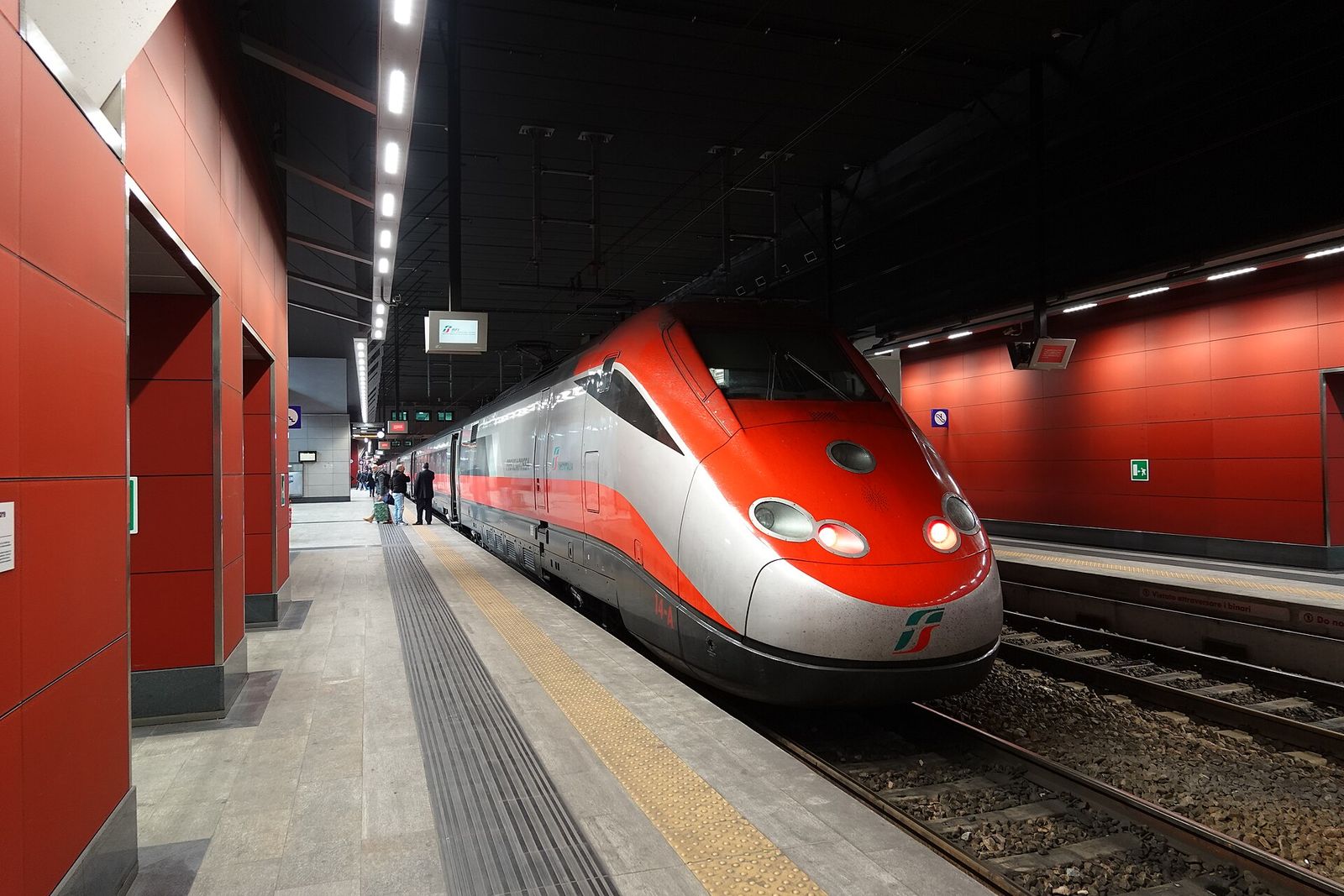 🚆 Trains & Ferries
The hub-wide comparison of rail and ferry booking routes — the wider frame for the pass judgement above.
Decisions that actually matter
How many Schengen days do I actually have?
Ninety, in any rolling 180-day window, shared across the whole Schengen zone — France, Italy, Spain, Portugal, Greece, Germany, the Netherlands, Austria, Czechia and Croatia all draw from the same budget. Count back 180 days from each planned day and add up every day already spent inside the zone in that window. The UK is outside the system entirely: its days neither consume nor extend the Schengen allowance.
Do I need ETIAS or an ETA for this trip?
They are different systems for different places. The ETA is the UK's, live through GOV.UK's official channels — check whether your nationality needs one before travelling. ETIAS is the EU's planned authorisation for visa-free visitors to the Schengen zone, being introduced in phases; its exact start and steps have shifted, so confirm the current position on the EU's official travel site before booking — and use only official sites for either.
Is a Eurail pass worth it?
Only when the trip is genuinely rail-heavy and multi-country: several long rail days, dates you want to keep flexible. For a single country with two or three fixed jumps, advance point-to-point tickets on the operators' own sites are the benchmark the pass has to beat — and seat reservations can still apply on top of a pass on high-speed services. In the UK, run the BritRail-versus-Railcard comparison instead.
What genuinely has to be booked before I fly?
The reservation-first sights in the table above — the Eiffel Tower, the Colosseum, the Sagrada Família, the Alhambra's Nasrid slot, the Acropolis — plus any sight where your country guide says a pass still needs a separate time slot. Everything else can usually be arranged from the base; those cannot be improvised at the door.
Can I work remotely on a visa-free stay?
Not by default. Visa-free entry covers visiting; remote work sits under each country's own rules, which is why the long-stay line treats stay permission and work permission as two separate layers and compares the official nomad-visa routes country by country.
Prices and terms change often — the booking site is the final word. Entry rules, border-system start dates and reservation policies all move; check the official source for your nationality and your date. Facts on this page checked against official sources, November 2026.


