
🇭🇷 Croatia — the coast decides, the ferry connects
Croatia is a coastline country, not a rail country — and that single fact plans the trip for you. The country runs in a long Adriatic arc: Zagreb sits inland as the capital and arrival hub, but the journey most visitors come for is decided by ferries, coastal buses and the Adriatic road, with the railway a side note rather than the spine. Split is the ferry crossroads for the central islands, Dubrovnik anchors the far south, and the one great inland detour — Plitvice Lakes — runs on pre-booked time slots. The planning problem is structure: which Jadrolinija district your island belongs to, whether your boat takes cars or only feet, which entrance and hour your Plitvice ticket names, and whether the Dubrovnik Pass matches the museums you will actually enter. This page covers that structure honestly — the ferry system as the operator itself organises it, the bases along the arc, and the Plitvice and Dubrovnik judgements.
⏱️ As of November 2026 — the time-sensitive facts, kept in one box
Money and borders. Croatia has used the euro as its official currency since 1 January 2023, and joined the Schengen area on the same day (Ministry of Foreign and European Affairs). Travel from other Schengen states no longer passes internal border checks.
ETIAS is not running yet. The EU's official portal states that ETIAS is currently not in operation and that no applications for travel authorisations are being collected. No start date has been officially announced — the EU says it will be announced several months in advance. Any website offering to sell you an ETIAS authorisation today is not the official system; the only official address is travel-europe.europa.eu.
Ferry timetables are seasonal and changeable. Jadrolinija publishes schedules by season period, every one subject to change. The high-summer pattern is not the winter pattern — the timetable for your exact date, on the operator's own site, is the only one that counts.
The lay of the land — five ferry districts, one road south, one inland detour
Almost every Croatian itinerary is built from the same pieces. Jadrolinija organises its domestic lines into five districts — Rijeka, Zadar, Šibenik, Split and Dubrovnik — each a mainland port serving the islands off its own stretch of coast. The Adriatic road and its coastal buses run the arc between those ports, and Plitvice sits inland, reached by road. The table is the map; the cards below carry the detail.
| Layer | What it is | How booking works | Watch out |
|---|---|---|---|
| Jadrolinija car ferries | The vehicle-carrying backbone — the only Jadrolinija services that take cars | Some ferry lines take reservations; many do not — there, boarding is in arrival order | A ticket on a non-reservation line is not a seat on a specific sailing — in peak season, the queue is the timetable |
| Catamarans & passenger ships | The foot-passenger layer — high-speed catamarans and classic passenger ships on the same district map | Reservations are available on all local catamaran lines; tickets are tied to the chosen departure | Foot passengers only: no cars, and bicycles are not carried on catamarans |
| The Adriatic road & coastal buses | The landside arc — Zagreb down to the coast, then port to port, crossing the Pelješac Bridge (opened 2022) to Dubrovnik without a border detour | Road legs are planned port by port; the bridge itself removed the old double border crossing through the Neum corridor | The coast road is one arc, not a motorway grid — a base change is a half-day decision, not a hop |
| Plitvice Lakes | The inland exception — a UNESCO-listed national park in the centre of the country, visited on marked programmes from two entrances | Online tickets with a chosen entrance and entry time slot; one-day and two-day structures; boat and panoramic train inside the park are included within your programme | Your ticket is validated at the entrance you selected, in the window you bought |
| The railway (HŽPP) | A side note, not the spine — the national passenger operator, publishing domestic, Zagreb suburban and international timetables as separate documents | Judge any rail leg from the current HŽPP timetable; it is amended several times a year | Do not import a French or Italian rail mindset: the coastal trip on this page is not built around trains |
The ferry system — districts first, routes second
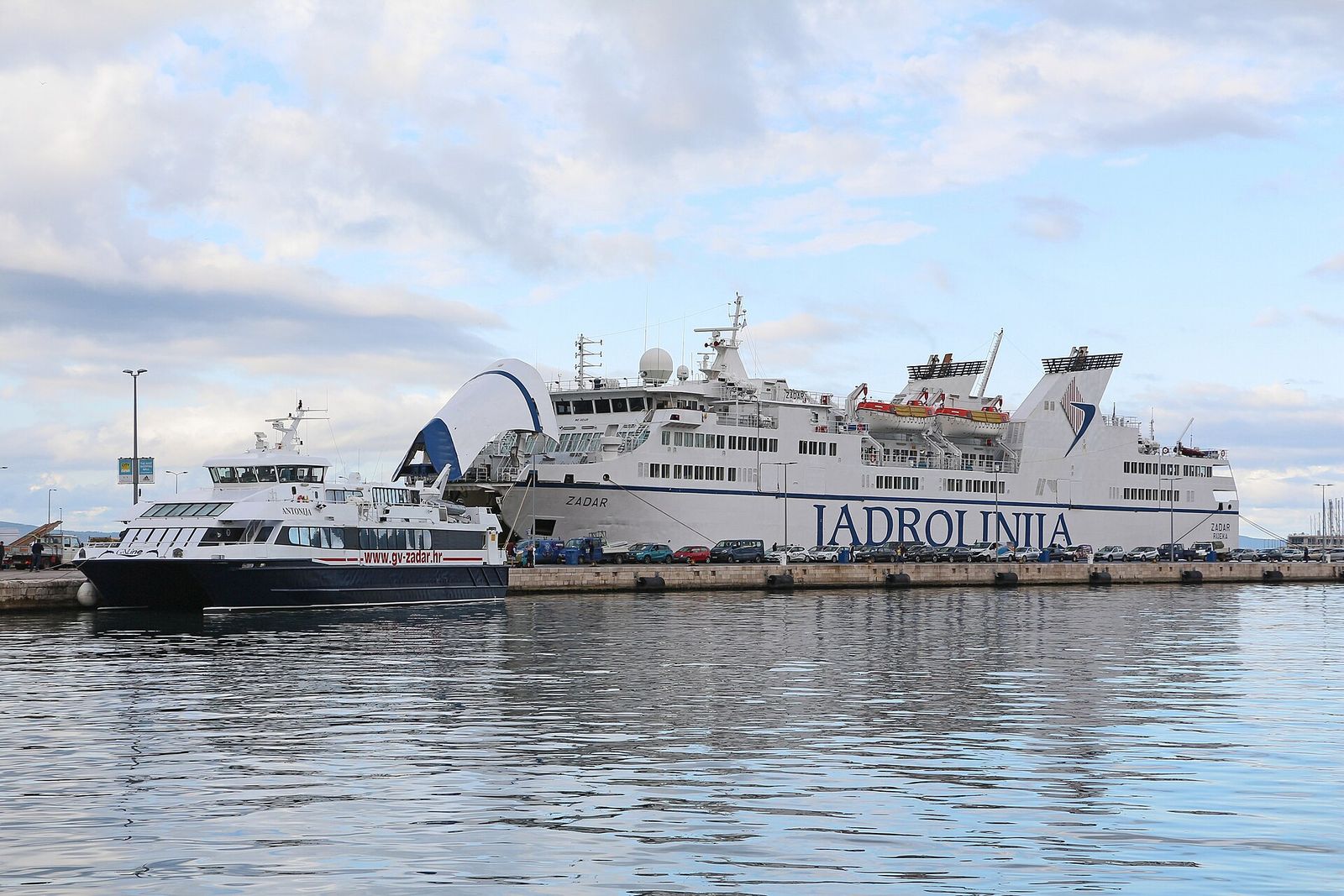
Jadrolinija Ferry operator — the coastal backbone
Strengths
- One official network in five districts — Rijeka, Zadar, Šibenik, Split and Dubrovnik — so any island question starts with: which district is it in?
- Three separated products: car ferries, passenger ships and high-speed catamarans, each with its own booking logic in the operator's FAQ
- Electronic tickets need no printing — show the ticket on a mobile device, prepared before boarding
Watch out
- The reservation system is split: catamarans and a listed set of ferry lines take reservations, while many ferry lines are first-come boarding where the departure time you picked at purchase is not binding
- On non-reservation lines the operator advises arriving well ahead — 45 minutes as a floor, one to two hours in high peak season on some lines
- Local tickets cannot be changed, only cancelled under the operator's terms — check line, district and date twice before you pay
Best for: every island leg of the trip — this is the infrastructure the coast runs on.
Four bases along the arc — and one inland contrast
Croatia rewards choosing bases by district and by road. Split and Dubrovnik are the two coastal anchors, Zagreb is the inland counterweight, and Zadar and Rijeka serve the northern coast on their own terms.
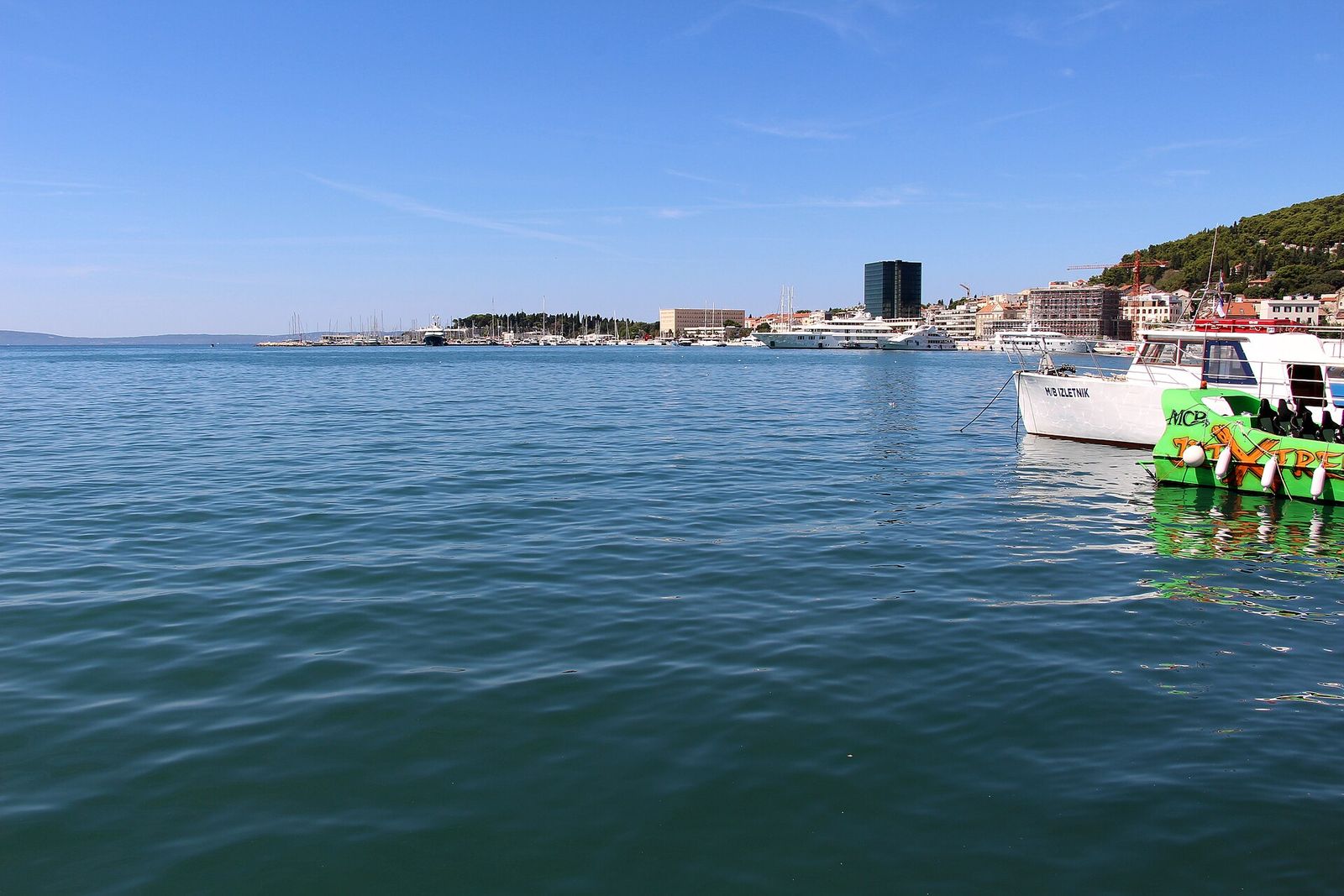
Split Base — the ferry crossroads
Strengths
- The practical capital of island Croatia: the Split district's ferries and catamarans fan out to Brač, Hvar, Vis, Šolta, Korčula and Lastovo from one port
- A real city underneath the port — the historic core grew inside and around Diocletian's Roman palace, so the base itself is a sight
- The natural hinge of the whole coast: road north to Zadar and the Plitvice turn-off, road south toward Dubrovnik, sea in every direction
Watch out
- In peak season the port is the bottleneck of the central coast — ferry-day mornings need the operator's arrival advice taken seriously, not as a suggestion
- Split tempts a different island every day; two or three islands stayed on properly beat a daily commute
Best for: the island trip itself — one mainland base, several island nights, ferries as the daily rhythm.

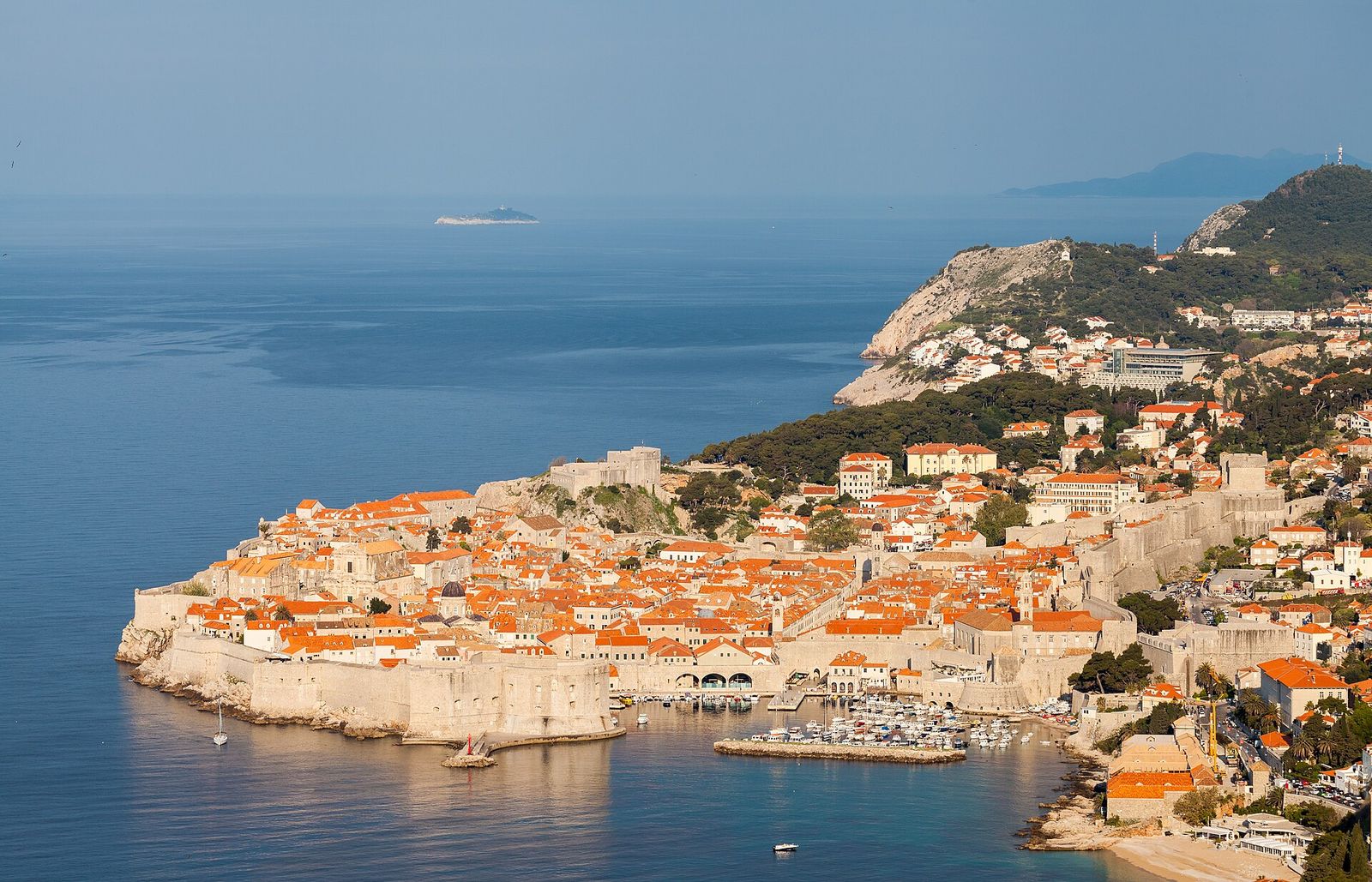
Dubrovnik Base — the walled south
Strengths
- The Old Town is ringed by 1,940 metres of medieval walls, preserved in their original form and open to visitors as the city's flagship attraction, inside a UNESCO World Heritage listing held since 1979 (Dubrovnik Tourist Board)
- Its own small sea world on the doorstep: Lokrum just offshore — 600 metres from the walls at the closest point — and the Elaphiti islands reached by the district's passenger services
- The Pelješac Bridge has changed its landside logic: Dubrovnik is now joined to the rest of Croatia by an all-Croatian road, with no border crossing in the middle of the drive
Watch out
- Dubrovnik is the end of the arc, not its middle — it punishes use as a nightly return point for the central islands
- The walled core concentrates the crowds the whole coast sends south; the walls and the headline museums are the places to book and time deliberately
Best for: the southern stay — walls, near islands and the Pelješac wine country, given its own block of days.
Browse Croatia tours →Affiliate link — you pay the same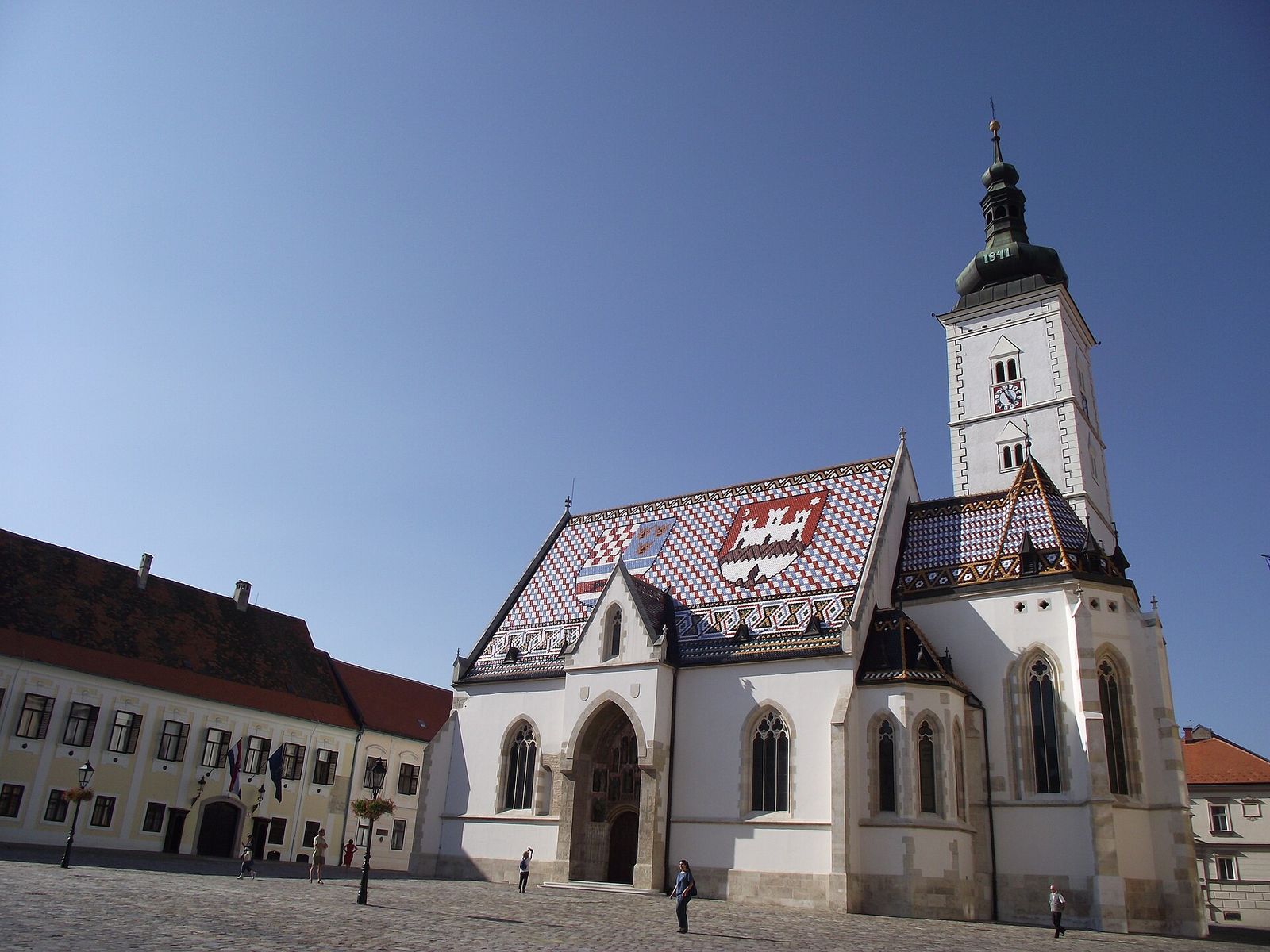
Zagreb Base — the inland capital
Strengths
- A different Croatia entirely: the Tourist Board's route runs from Dolac Market through Kaptol and Tkalčićeva up to the Upper Town, then down by funicular to the Lower Town's Lenuci Horseshoe
- The year-round city — café streets, markets and museums that do not depend on the coastal season, and the natural first or last nights of a trip that enters or leaves the country here
- South of the Sava, the Tourist Board adds Novi Zagreb's Museum of Contemporary Art and the Maksimir and Jarun green spaces
Watch out
- Zagreb is inland: treating it as a day trip from the coast, or the coast as a day trip from Zagreb, shrinks both into a road journey with a walk in the middle
- The Zagreb Card bundles public transport with admissions and discounts — judge it the way you judge any city card, from the list you will actually use, on the card's own current terms
Best for: the bookends of the trip — and for travellers who want the capital's café-and-museum Croatia alongside the coast, not instead of it.
See Zagreb Tourist Board →Official sitePlitvice Lakes — the inland judgement that runs the detour
One inland site matters in Croatia the way the Paris Museum Pass matters in France: Plitvice Lakes National Park, a UNESCO-listed protected area in the centre of the country, run by its own public institution. Its structure is precise — an online ticketing system built to reduce crowding, in which you select an entry time slot and a specific entrance, on a one-day or two-day ticket. The ticket includes the park's electric boat and panoramic train within your chosen programme, visitor insurance and tax. There are eight marked tour programmes: four start at Entrance 1, four at Entrance 2 — A, B and F cover the Lower Lakes, E crosses Lake Kozjak by boat, C and H combine both lake systems, and K is the long walk. Tickets are also sold at the entrances unless sold out, and the park itself encourages buying in advance.
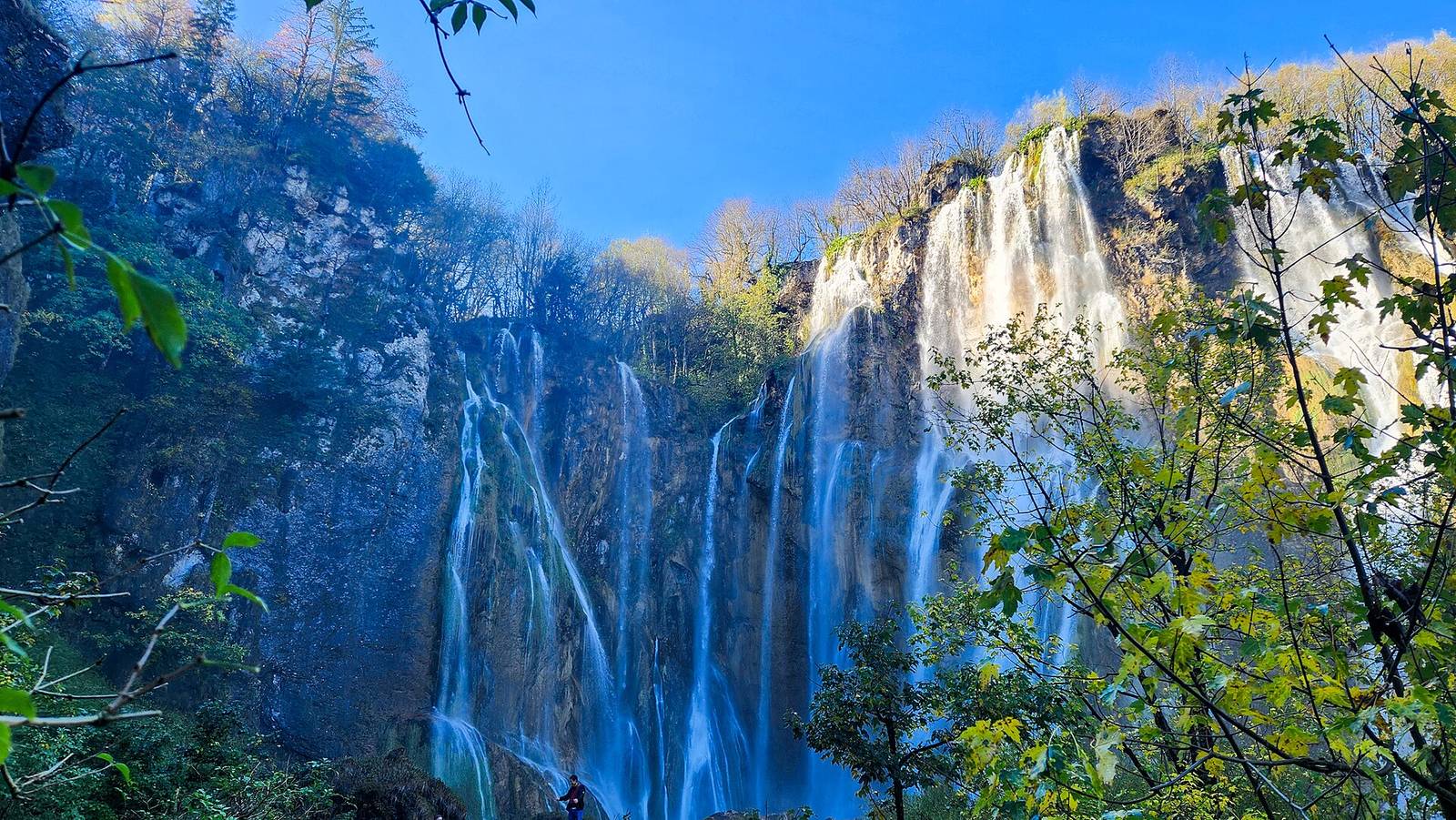
Plitvice Lakes National Park National park — timed entry, two entrances
Strengths
- One official system sells the real ticket: date, entrance, time slot and programme chosen before you travel, the crowd spread by design
- The programme system is real planning information — Lower Lakes only, both systems, or the full circuit are different days, labelled for you
- The two-day ticket exists for the honest version of the visit: a park this size, reached by road from any base, repays an overnight nearby
Watch out
- The webshop ticket must be validated at the entrance you selected, within the time period you bought — an Entrance 1 ticket is not an Entrance 2 ticket
- "Unless sold out" is the operative phrase for gate sales: in busy periods the advance online purchase is the plan, the desk the fallback
- Weather in the park changes fast, and the institution warns that individual trails can close and park vehicles can be suspended — check the park's own notices close to your day
Best for: a dedicated day — or two — placed between Zagreb and the coast, booked before the rest of the itinerary hardens around it.
See Plitvice official tickets & price list →Official siteThe Dubrovnik Pass — the judgement at the south end
Dubrovnik runs the south's one headline city-pass judgement: the official Dubrovnik Pass, sold through its official pass site. Its structure bundles the expensive centre of the Old Town visit — the City Walls above all — with a set of museums and galleries and the city bus network, in day-based versions of different lengths. Inclusion lists change between seasons, so judge the structure here, then verify the live list on the official pass site before you pay.
Where to sleep — bases, not just cities
The practical layer — how Croatia differs from a rail-country trip
Which Croatia is yours?
Decisions that actually matter
Do I need a car in Croatia?
Not for the trip on this page — and the ferry system is the reason. Foot passengers get the catamaran web on top of the car ferries, Plitvice is a road-coach or organised-day question from the bases, and the coastal arc is served by road. A car earns its place for rural Pelješac and island interiors — and converts every ferry into a reservation-or-queue problem. Decide by itinerary, not by habit.
How do I choose between islands that all look beautiful?
By district and by boat, not by photograph. Ask first which district serves the island and from which mainland port, then whether the sailing that fits your dates is a car ferry or a catamaran, and where on the island it lands — Hvar town and Stari Grad are the same island and different trips. Two islands inside one district beat four assembled across districts on assumed connections.
Is the Dubrovnik Pass worth it?
Only your list can answer it. The pass is built around the City Walls plus museums, galleries and city buses, in day-based versions. If your days include the walls and one or two included museums, the structure is on your side; if the walls are your only paid entry, buy them alone. Verify the current inclusion list on the official pass site before paying.
Should I take the train from Zagreb to the coast?
Judge it as one leg, not as a system. HŽPP's official timetable — amended several times a year, so check your exact date — is the only honest source for what runs, and a rail leg can suit a slow start or finish to a trip. But build the coastal part of the itinerary on ferries, buses and the road regardless: in Croatia the train is a possible ingredient, never the recipe.
Prices and terms change often — the booking site is the final word. Ferry timetables, Plitvice time slots and pass inclusion lists all change by season and by day; check the operator's own page for your date. Facts on this page checked against providers' official pages, November 2026.


