
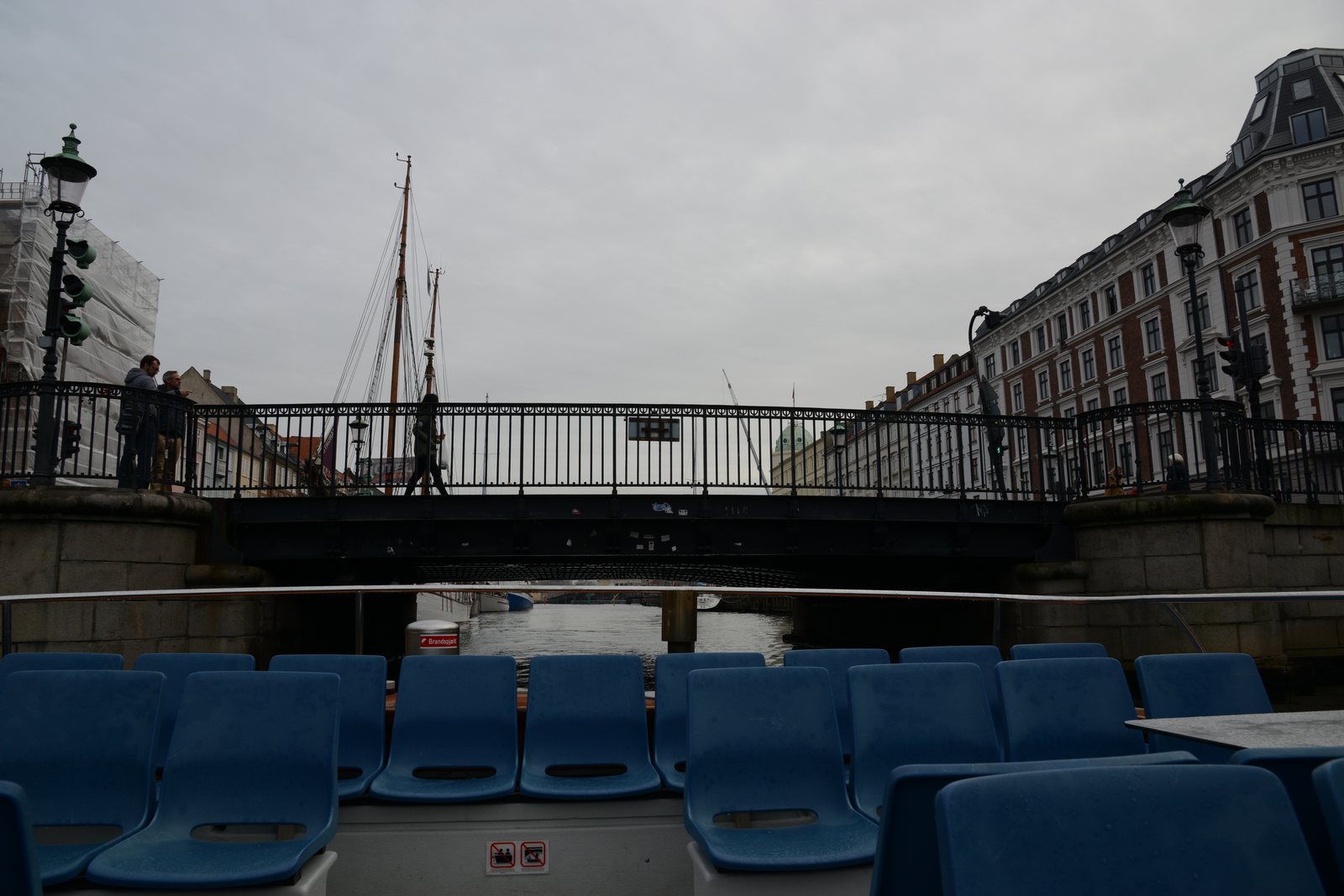
🇩🇰 Denmark, planned from Copenhagen
Denmark is a capital-first country with one extraordinary extra. Copenhagen holds the airport, the main station and most first trips; the railway west crosses to Funen and Jutland; and a bridge-and-tunnel link east turns Malmö, in Sweden, into a day trip. The Danish problems are rarely distance. They are structure: the plastic travel card older guides tell you to buy has been discontinued, the cheap and flexible train tickets behave oppositely, the airport sits inside the city-pass zones while Sweden does not, and children are free to one age inside Denmark and a younger age across the water.
The lay of the land — one capital, one bridge, one railway west
Almost every Danish itinerary is built from the same pieces. Copenhagen Central Station — København H — is the hinge: S-trains and the Metro fan out across the capital, DSB intercity trains run west to Odense and Aarhus, and Øresund trains run east across to Malmö.
| Layer | What it is | How booking works | Watch out |
|---|---|---|---|
| DSB domestic trains | The national network — InterCity, InterCityLyn, regional trains and Copenhagen's S-trains | One official shopfront: dsb.dk, the DSB app, station machines and DSB counters | Self-service principle — your valid ticket must exist before you board |
| Rejsekort, Rejsebillet & Basiskort | The pay-as-you-go and ticket-app layer for bus, train, Metro and light rail | Rejsekort app for check-in travel, Rejsebillet for prepaid tickets, Basiskort for a physical card | The old plastic Rejsekort is discontinued — do not build a plan around buying one |
| Copenhagen Airport (CPH) | Terminal 3 holds both the Metro station and the train station | Metro M2 into the centre, or trains to Copenhagen Central and onward — including direct trains to Malmö | Airport ticket machines take cards and coins, not banknotes |
| The Øresund link | Bridge, artificial island and tunnel between Copenhagen and Malmö, Sweden | Trains from Copenhagen Central and the airport; the Øresund Ticket is sold at DSB machines in Greater Copenhagen | A different country and a different child age rule sit at the other end |
The national network — DSB and the self-service rule
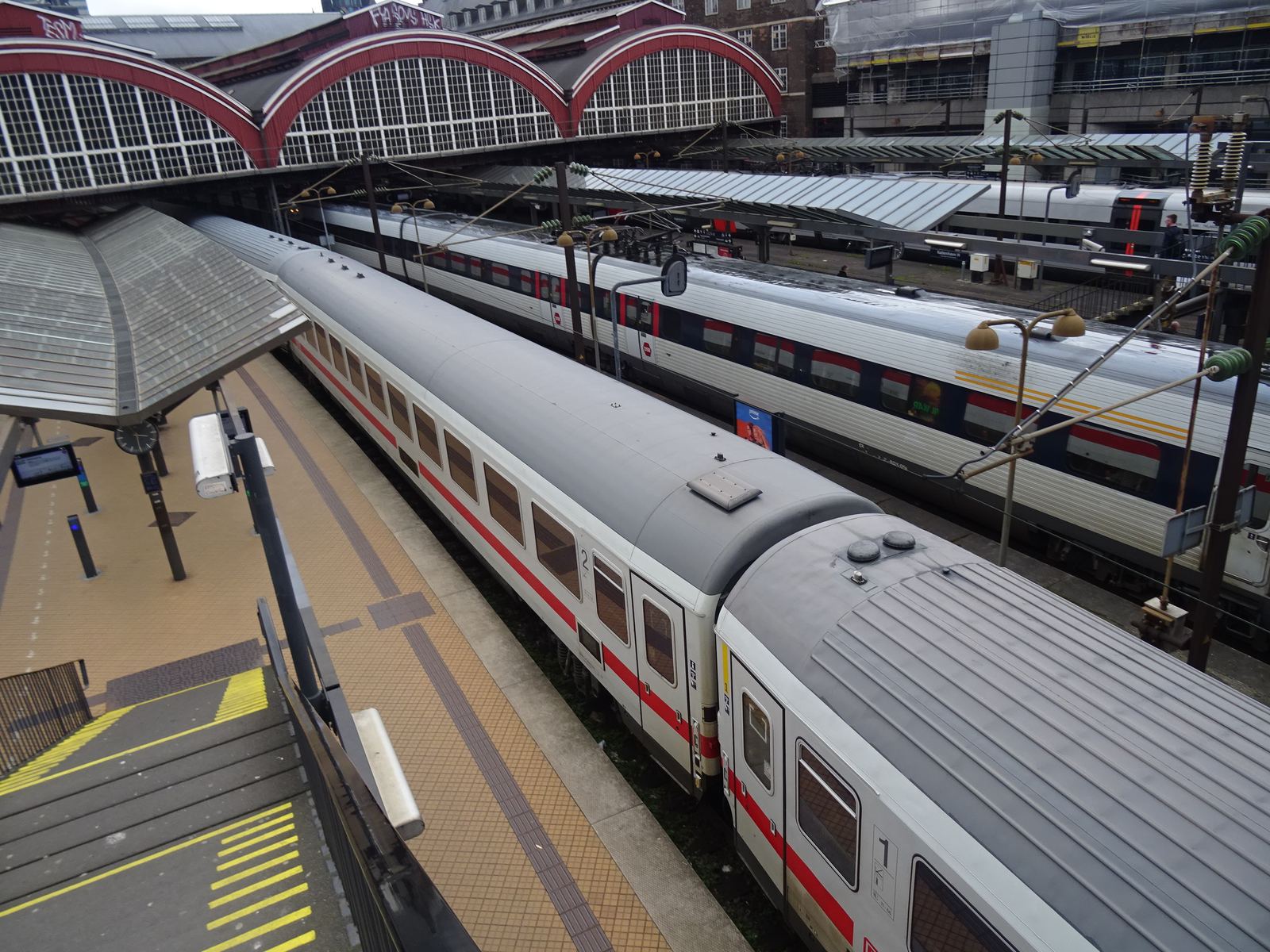
DSB Domestic rail — the spine west and the S-trains at home
Strengths
- One operator's logic covers the trip: intercity trains west to Funen and Jutland, regional trains, and the S-train web inside Copenhagen
- The geography is kind — DSB's own guide frames Odense at about an hour and a half and Aarhus at about three hours from Copenhagen: one line west, capital at its end
- Children are built into the fare structure: an adult ticket carries young children free, with older children at a reduced fare
Watch out
- Boarding is self-service: platforms are open, tickets are checked on board, and travelling without a valid ticket means a penalty fare — buy before you board
- A seat is not part of the ticket: reservations on InterCity and InterCityLyn are a separate, optional add-on tied to one departure — add one early on busy cross-country departures
- Station names are Danish: København H is Copenhagen Central — the boards will not translate for you
Best for: the whole shape of this trip — capital base, one line west, one bridge east.
The fare system — flexible Standard against train-bound Orange
Standard & Orange tickets Domestic fares — flexibility is the fork
Strengths
- The Standard ticket DSB recommends is fully flexible and refundable: valid on its date, but not tied to one departure — leave earlier or later that day and the ticket still works
- Orange tickets are the advance-purchase layer for travellers whose departure is truly fixed — the saving is bought with commitment
- Both sit in the same official shop, so the choice is made side by side on your real departure, not between websites
Watch out
- Orange conditions are the strict end: bought together with its seat reservation, that reservation cannot be changed or refunded — the Orange Fri variant exists because plain Orange is not flexible
- Standard's freedom is the day, not the week: it is a date ticket, and any seat reservation added to it is still bound to one departure
Best for: Standard for almost everyone — Orange only when the departure is truly fixed.
Rejsekort as an app, Rejsebillet & Basiskort City & nationwide travel — the card that became an app
Strengths
- The Rejsekort app carries the old card's logic onto your phone: check in with one swipe across bus, train, Metro and light rail, and the fare and any discount are calculated for you — no zone arithmetic at the platform
- Off-peak travel is discounted automatically inside the system, and fellow travellers, a bicycle or a dog can be checked in with you
- Basiskort keeps a physical option alive for travellers who do not want an app, and Rejsebillet — the nationwide prepaid ticket app that has taken over from the old DOT tickets app — sells ordinary tickets in advance without any check-in habit at all
Watch out
- The physical Rejsekort older guides describe is discontinued: there is no anonymous plastic card to buy at the airport and top up — that whole routine is over
- Check-in travel is a discipline: one check-in per journey in the app, a fresh check-out and check-in at each change on Basiskort — a forgotten check-out is the classic own goal
- Coverage stops at Bornholm, and a Basiskort is ordered through Rejsekort self-service and posted to you — a resident's arrangement, not an arrivals-hall purchase
Best for: longer stays and repeat visits — most short city trips are simpler on Rejsebillet singles or a City Pass.
See Rejsekort →Official site See DOT tickets →Official siteCopenhagen Airport — two stations under one terminal Airport rail & Metro — Terminal 3
Strengths
- The Metro station sits in direct extension of Terminal 3: line M2 runs into the centre around the clock, frequently by day — the airport's own page times Nørreport at fifteen minutes
- The train station is in the same terminal: InterCity trains to Copenhagen Central, and direct trains to Malmö — a Sweden day trip can start at arrivals
- Both modes sit inside the city ticket zones, covered by both City Pass sizes and the Copenhagen Card
Watch out
- You cannot buy a ticket on the train — the airport's own page warns that boarding without a valid ticket risks a fine, so the machine or app comes before the platform
- The airport ticket machines do not accept banknotes — cards and coins only, in a country where the card was already the plan
- Metro and trains leave Terminal 3 for different centres: M2 for Nørreport and the old town, trains for Central Station — choose by where you sleep
Best for: almost everyone arriving by air — this is one of Europe's shortest airport-to-centre problems, solved two ways in one terminal.
See Copenhagen Airport →Official siteRail passes (Eurail) Pass — read the structure first
Strengths
- One pass across many trains and borders — the natural shape for a multi-country rail trip that passes through Denmark
- Sold by Eurail itself; we link the official site and label it as such
Watch out
- For Denmark alone, judge the pass against DSB's own tickets first: a Copenhagen base with one line west is a short list of legs to beat, and a pass holds no seat — reservations stay separate on busy departures
- We have no affiliate arrangement here and do not summarise pass prices or terms we have not verified — the official terms are the comparison
Best for: trips where Denmark is one country among several — judge it whole.
Across the water — Øresund and the Malmö day trip
The link east is three structures in one crossing: a bridge to the artificial island of Peberholm, where road and rail drop from two levels to one, then a tunnel under the strait into Copenhagen. By train it turns a second country into Copenhagen's easiest day trip — on its own ticket, sold on the Danish side.
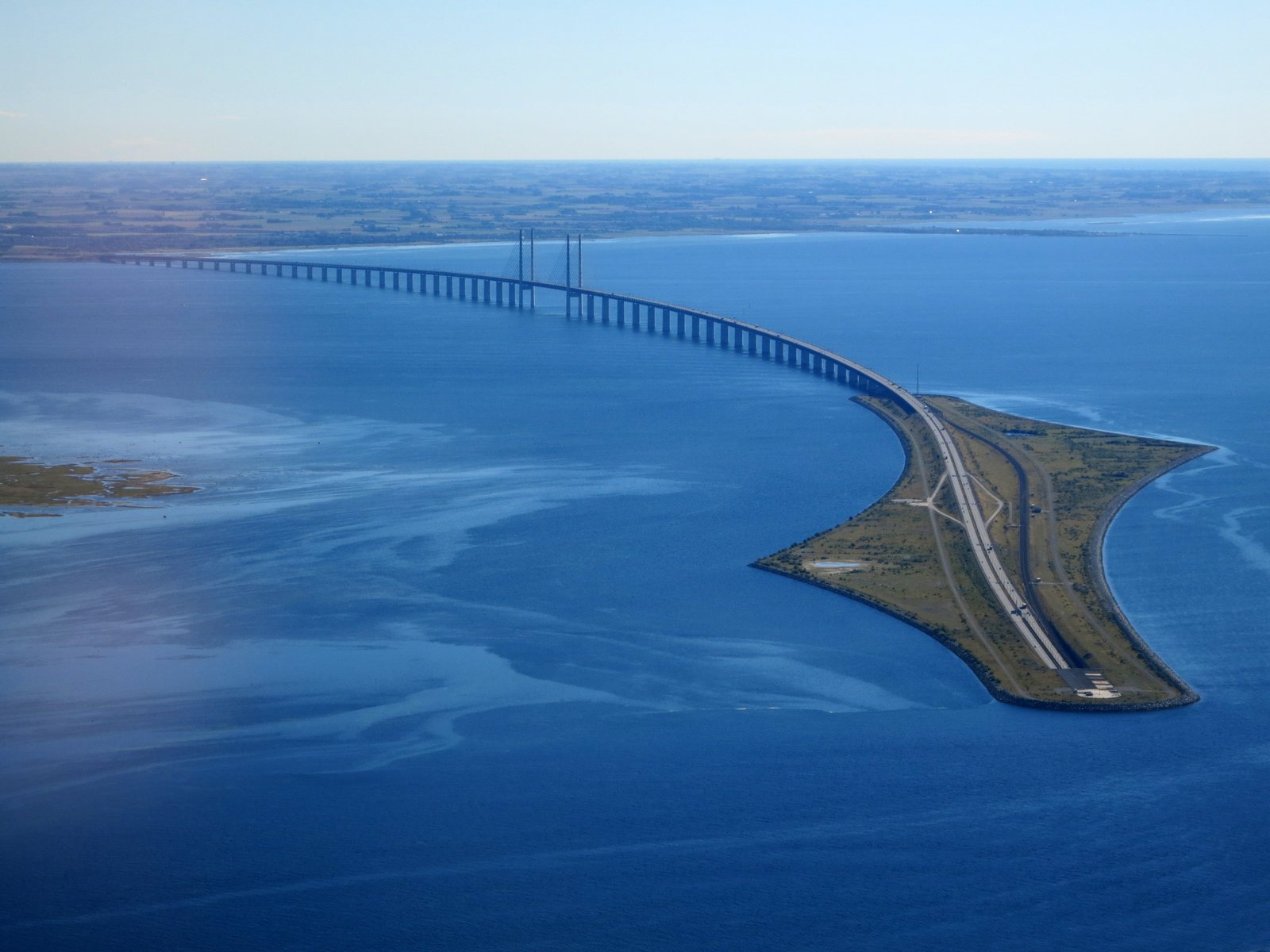
The Øresund Ticket & Malmö Cross-border day trip — one ticket, two countries
Strengths
- One official cross-border product: the Øresund Ticket runs from Greater Copenhagen to stations across southern Sweden, valid on trains, S-trains, the Metro and buses — the Copenhagen end is already inside it
- Trains leave from Copenhagen Central and the airport alike, so Malmö works as a day trip on any day of the stay
- Groups change the product, not just the total: the Øresund Family Ticket is built for two or more adults travelling together, related or not
Watch out
- The child rule changes at the water: free accompanied children on the Swedish crossing are the under-sevens — Denmark's more generous domestic rule does not cross the bridge with you
- Buy on the Danish side: the ticket is sold at DSB machines and station shops in Greater Copenhagen, not improvised in Malmö
- On Rejsekort, Malmö C, Hyllie and Triangeln are the only Swedish stations where you can check out — beyond them the journey has no clean end
Best for: the two-country day — Malmö as Copenhagen's eastern suburb, on a ticket bought before breakfast.
See Øresundsbron →Official siteCopenhagen itself — harbour, gardens and design
The capital's core is walkable and bikeable, with the Metro and S-trains as backup. DSB's own visitor framing gives the shape: canal tours, the museums, Amalienborg, the amusement gardens — and a city bike, in real Copenhagen style.
The harbour & old town Base layer — Nyhavn, canals and the royal quarter
Strengths
- Nyhavn's coloured harbourfront is the city's postcard and its walking hub — Kongens Nytorv and the Metro at one end, the harbour and Amalienborg a short walk beyond it
- Canal tours are on the national railway's own list of what Copenhagen is for — the city reads best once from the water
- The bicycle is not a tour product here but the local default: bike counters tick past on ordinary streets, and DSB itself suggests exploring by city bike
Watch out
- The postcard blocks carry the crowds: Nyhavn at midday and Nyhavn early are different places — walk it early, eat elsewhere
- We state no season-proof reservation rule for the old town's individual sights: check each sight's own page before fixing a day around it
Best for: the first day — harbour, canals and the royal quarter on foot, with one paid sight at most.
See Visit Copenhagen →Official site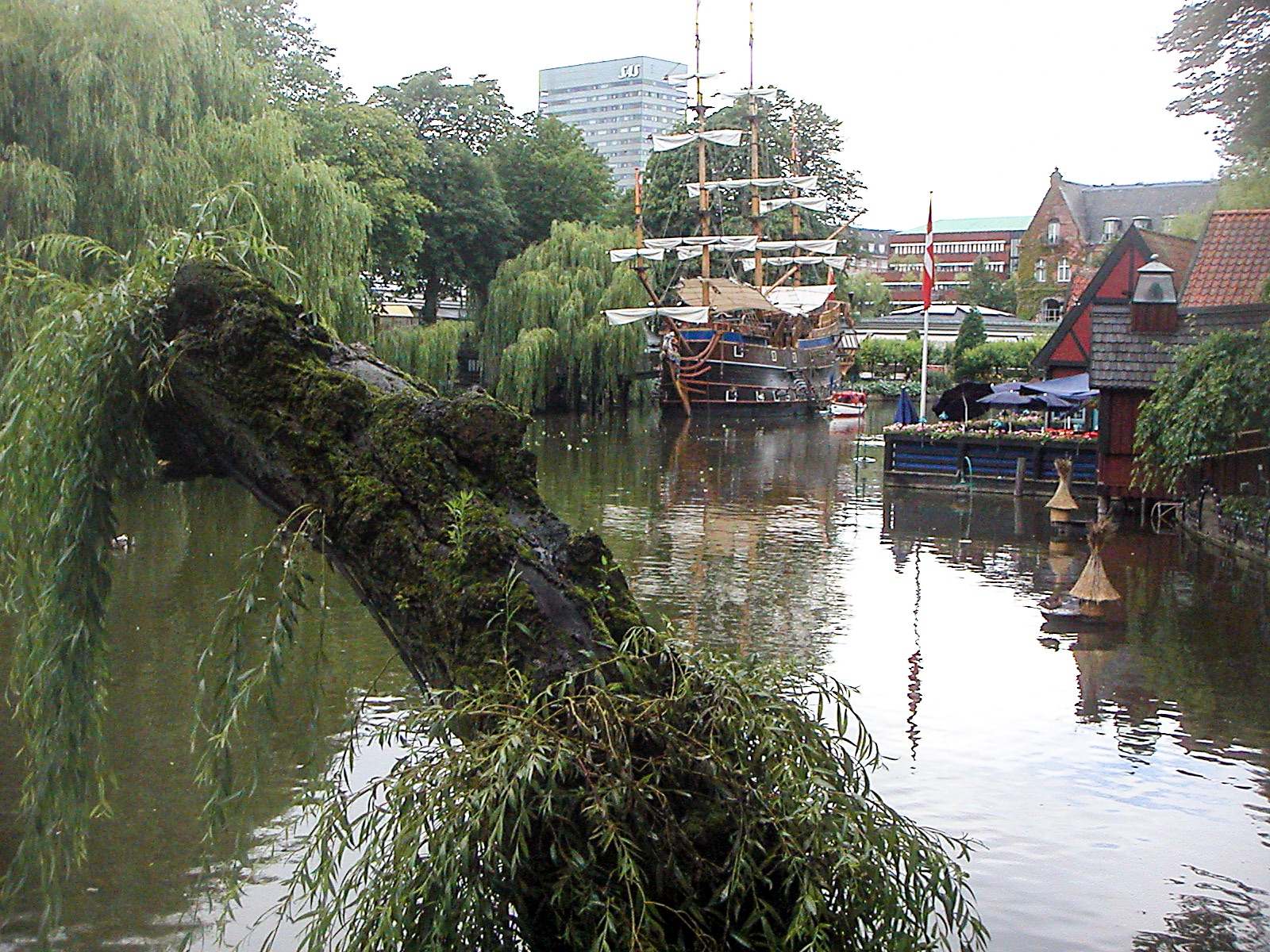
Tivoli Gardens Timed sight — entrance and rides are separate decisions
Strengths
- The pleasure garden opposite Central Station is Copenhagen's evening institution: gardens, stages and restaurants first, rides as the layer on top — a visit works even if you never board one
- Tivoli entry is among the attractions the Copenhagen Card covers, folding the garden into the card arithmetic below
Watch out
- Entrance and rides are separate products: the entrance ticket opens the Gardens but no rides, the ride pass covers the rides but not entry — the package is the both-at-once version, and buying the wrong half is the standard mistake
- Tickets are tied to a chosen date, the price varies by date and entry time, and bought tickets are not refundable — check the opening calendar on Tivoli's own site before fixing the date around flights
Best for: one planned evening — gardens and dinner on an entrance ticket, rides only if they are the point.
See Tivoli Gardens →Official site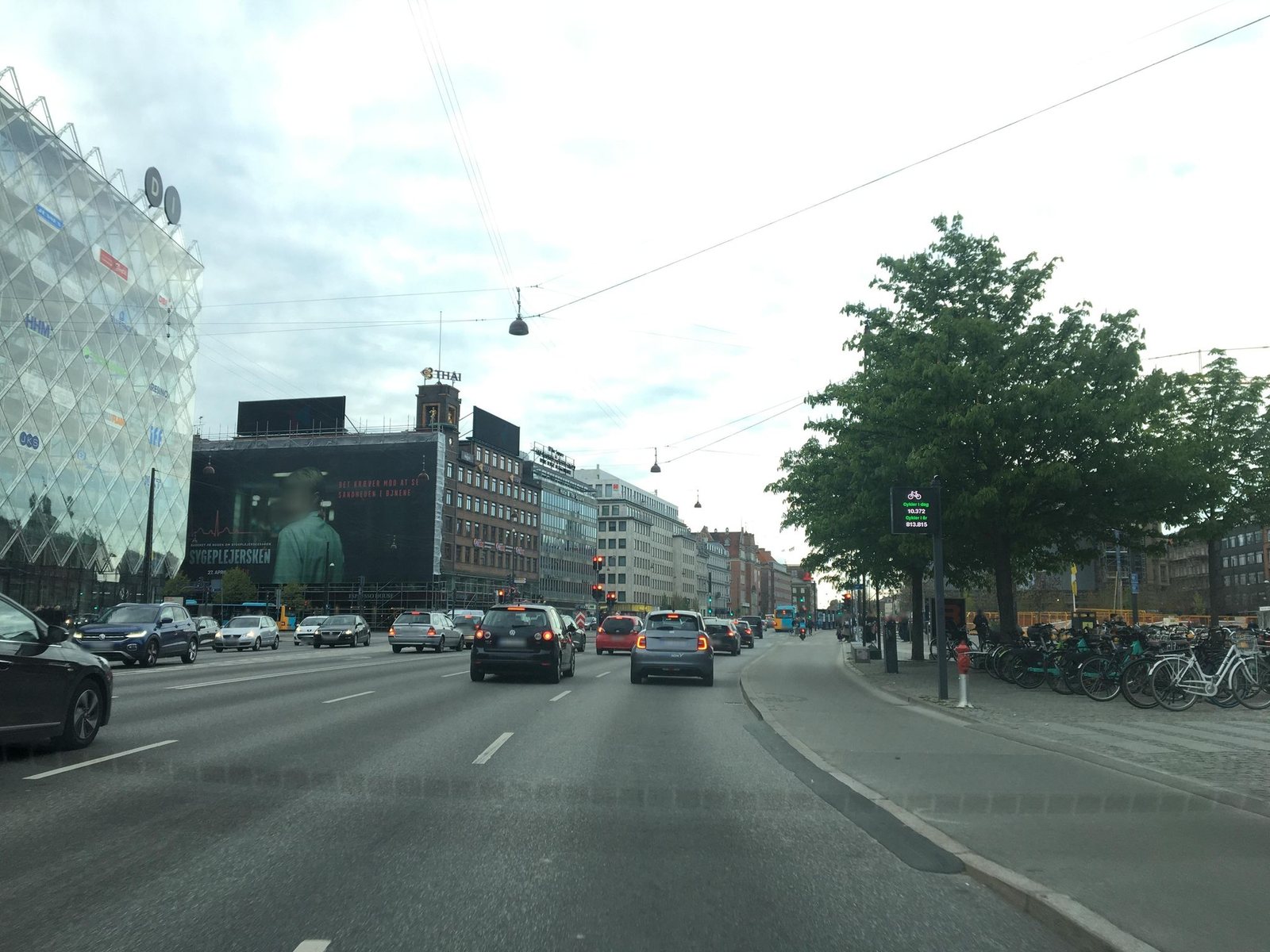
Danish design — the city's second museum layer Sights — design as the local speciality
Strengths
- Design is the Copenhagen subject no other capital teaches the same way: Designmuseum Danmark, the national design museum, sits in Frederiksstaden a walk from Amalienborg and the harbour
- The design layer pairs naturally with the royal quarter — museum, palace square and Nyhavn chain in one walkable morning
Watch out
- It rewards the interested and bores the indifferent fast — include it because design is a reason you came, not because it is famous
- Opening patterns and any timed arrangements belong to the museum's own page in your week — we state no season-proof rule here
Best for: the design-first traveller — and the rainy morning needing one indoor anchor.
See Visit Copenhagen →Official siteThe pass judgement — Copenhagen Card against City Pass
Copenhagen sells two different answers that visitors constantly confuse. The City Pass is transport only, in a Small version for the centre and airport zones and a Large version for the whole capital region. The Copenhagen Card DISCOVER is transport across the same wide zones plus entry to more than eighty attractions. Both run in consecutive hours from activation — the clock starts at first use, not at midnight.
Guided tours of the same city are a different product from the trains and tickets above. Judge a listing on what it actually includes — your own pass or ticket may already cover the journey it bundles.
Browse Denmark tours on Viator →Affiliate link — you pay the same Browse Denmark tours on GetYourGuide →Affiliate link — you pay the sameBeyond Copenhagen — the line west
Aarhus Second base — Denmark's second city
Strengths
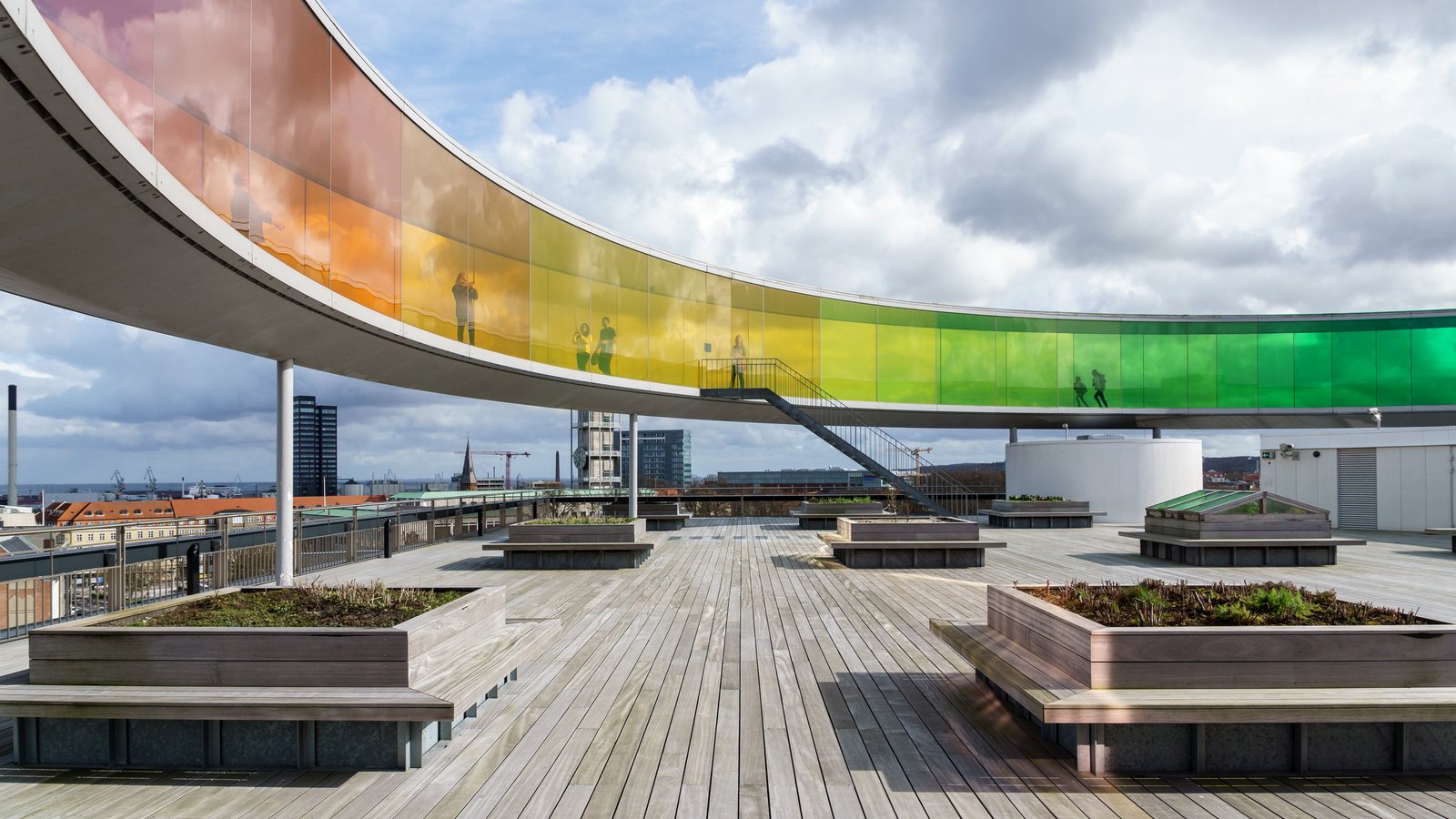
- A real second city, not a satellite: ARoS crowned by its rainbow panorama walkway, the Den Gamle By open-air town museum and the Moesgaard Museum give it museum weight of its own
- A university city on the Jutland coast — its evenings belong to residents and students, the contrast a second base should offer
- Odense, Hans Christian Andersen's home town, sits on the same line at about half the journey — the natural break
Watch out
- At roughly three hours from Copenhagen it is a base or a deliberate overnight, not a casual day trip — the day-trip version spends its best hours on the train
- Crossing to Jutland is exactly where the Standard-versus-Orange and seat-reservation decisions stop being theoretical: fix the departure or pay for flexibility, and reserve the seat on busy trains
Best for: the five-day-plus trip — Copenhagen first, then a slower second city.
See Visit Aarhus →Official siteWhere to sleep — one base, or end in Jutland
The practical layer — how Denmark differs from a US trip
Which Denmark is yours?
Decisions that actually matter
Should I buy a Rejsekort when I land?
Not the card you are imagining: the physical Rejsekort has been discontinued, and no anonymous plastic card waits at the airport. The system now lives in the Rejsekort app, with Basiskort as the physical successor and Rejsebillet selling prepaid tickets. For a short stay, Rejsebillet singles or a City Pass usually serve best — the check-in apps earn their place on longer, wider travel.
Copenhagen Card or City Pass?
Decide what you are buying: the City Pass is unlimited transport only — Small for the centre and airport, Large for the whole region — while the Copenhagen Card adds entry to more than eighty attractions on the same wide transport. Count the included sights you will truly enter inside one consecutive-hours window, check the child rules, and let the official calculator arbitrate. Walk-and-cycle trips should buy neither.
Is Malmö worth a day of a Copenhagen trip?
Yes — in effort terms it is Europe's easiest second country: direct trains from Central Station and the airport, one Øresund Ticket bought on the Danish side, a walkable Swedish city at the other end. Two warnings travel with it: free accompanied children are the under-sevens here, not Denmark's under-twelves, and on Rejsekort you can only check out at Malmö C, Hyllie or Triangeln.
Orange or Standard for Aarhus?
Standard unless the departure is set in stone. It is DSB's recommended ticket — flexible across the day and refundable — while Orange trades that freedom for an advance saving and binds any seat reservation bought with it. On the longest domestic leg, flexibility is usually the point; reserve a seat either way on busy departures.
Do I need cash in Denmark?
Plan as if you do not. The currency is the krone, but payment runs on cards — the airport's ticket machines take cards and coins and no banknotes at all. Bring a contactless card that works abroad, treat any kroner as small backup, and pay in the local currency when a terminal offers the choice.
Prices and terms change often — the booking site is the final word. Timetables, fare conditions and the timed sights' rules change by season and by day; check the operator's own page for your date. Facts on this page checked against providers' official pages, November 2026.


