
🇸🇰 Slovakia, planned as Vienna's twin — and the Tatras
Slovakia is really two trips wearing one name. In the west, Bratislava sits about an hour from Vienna by train — so close, and in the same currency, that the honest way to plan it is as one twin-city route with two capitals. In the north, the real subject of the country begins: the High Tatras, a compact wall of alpine peaks served by its own little electric railway, reached through Poprad from the Bratislava–Košice rail spine that ZSSK runs the length of the country. Most Slovakia mistakes are category mistakes — treating Bratislava as a Vienna substitute instead of its partner, or the Tatras as a photo stop instead of the destination the train exists to reach.
The lay of the land — a twin, a spine and a mountain railway
Four layers build almost every Slovak itinerary: the Vienna link, the ZSSK spine, the Tatra railways where the main line ends, and the cable cars that finish the climb. The table is the map; the cards carry the detail.
| Layer | What it is | How booking works | Watch out |
|---|---|---|---|
| Vienna ↔ Bratislava | The twin-city link — REX regional trains, frequent buses and a Danube catamaran between two capitals in two countries, one currency | Trains via ÖBB or ZSSK; the bus and boat operators sell their own tickets on their own sites | Bratislava has two Vienna-facing stations — Hlavná stanica and Petržalka — and they are not the same place |
| ZSSK — the national spine | Slovakia's state railway: the Bratislava–Košice main line across the country, with Poprad-Tatry as the Tatra gateway on the way | One official shopfront: the ZSSK e-shop, the Ideme vlakom app and station counters | Long-distance trains call at Poprad-Tatry and Štrba for the mountains — the gateway is a change of train, not a destination station in the peaks |
| TEŽ & the cog railway | The Tatra Electric Railway and the Štrba cog line — the mountain network linking Poprad-Tatry, Starý Smokovec, Tatranská Lomnica and Štrbské Pleso | ZSSK tickets, sold at only some Tatra stations, in the e-shop and the app — buy before you board and validate on board | A closed, self-service system: an unvalidated ticket is treated as no ticket at inspection |
| Cable cars (TMR / vt.sk) | The lift layer in the three Tatra resorts — Lomnický štít above Tatranská Lomnica, Solisko above Štrbské Pleso, the Hrebienok funicular at Starý Smokovec | Sold by the resort operator on vt.sk and its sales channels | The top sections are capacity-limited mountain lifts, not city transport — their day runs on weather and the operator's current notice |
The spine — ZSSK across the whole country
ZSSK — Bratislava to Košice Domestic rail — one line, west to east
Strengths
- One railway draws the whole itinerary: hourly long-distance expresses on the Bratislava–Košice spine pass the Tatra gateways on the way to the second city at the far end, so a Slovakia trip can be a single line read west to east — with the mountain changes built in, Poprad-Tatry for the TEŽ and Štrba for the cog railway
- One official shopfront for the country: the fare logic and the app learned on the first leg hold for every leg after it
Watch out
- It is a long spine: Bratislava and Košice are the two ends of the country, and the Tatras sit in the northern middle — a trip that tries to sleep in all three moves house a lot
- Station names are Slovak: the main station is hlavná stanica, Poprad's gateway station is Poprad-Tatry, and the board will not translate them for you — and the spine is also the works corridor, so check live information in ZSSK's channels on the day
Best for: the shape of the whole trip — in from Vienna, east along the spine, up into the Tatras at Poprad, Košice as the far anchor.
The twin link — Vienna and Bratislava as one route
REX trains & the Bratislava Ticket (ÖBB / ZSSK) Cross-border rail — the default twin link
Strengths
- ÖBB describes the link plainly: REX regional trains run twice an hour and take about an hour, to your choice of Bratislava hlavná stanica, the main station, or Bratislava-Petržalka in the south of the city
- The Bratislava Ticket is built for exactly this trip — a return on cross-border local transport between Vienna and Bratislava which, on its first day of validity, also works as a day ticket on Bratislava's city transport, per ÖBB
- Both ends are stations, not terminals: Vienna Hauptbahnhof connects into the Austrian network we cover on our Austria page, and Bratislava's main station connects straight onto the ZSSK spine east
Watch out
- Two Bratislava stations serve Vienna and they sit in different parts of the city — Petržalka is across the Danube from the Old Town, with a bus leg still to go; choose by where you sleep, not by the first departure you see
- These are regional trains: no seat reservation layer to hide behind, and the cross-border ticket types have their own validity rules — read the one you bought
- The ease hides the border: it is still an international journey, so carry the travel document your nationality needs
Best for: almost every twin-city plan — the day trip from a Vienna base, and the arrival that continues east into Slovakia.
Buses — FlixBus on the same corridor Cross-border bus — the frequent alternative
Strengths
- FlixBus runs the Vienna–Bratislava route as one of its dense short cross-border services — its own route page puts the road distance at just over seventy kilometres and its fastest journeys at under an hour
- Multiple stops at both ends, including Bratislava's Mlynské Nivy bus station and Vienna's Erdberg terminal — and the airport geometry can favour the bus, since Vienna Airport sits on the Bratislava side of Vienna and bus routes serve it directly
Watch out
- A bus journey time is a road journey time — the corridor is short, but traffic at the city ends is part of the product in a way it never is on the REX
- Stop names are the whole game: "Vienna" and "Bratislava" each hide several stops, and the wrong one adds the cross-town leg you were trying to avoid
Best for: airport-linked arrivals, and stays near Mlynské Nivy or Erdberg rather than near a station.
Twin City Liner — the Danube between the capitals River link — city centre to city centre
Strengths
- The operator's own framing is the honest one: a high-speed catamaran between the two capitals, city centre to city centre, in 75 minutes by its published timing — the one version of this link that is also a sight in itself
- It lands at Bratislava's Old Town waterfront — the walk to the castle hill and the old streets starts at the pier, with no station leg at either end
Watch out
- It is a seasonal river service, not an all-year utility: outside its operating pattern there is no boat, river conditions can change a day's sailings, and a guaranteed seat is still a fixed departure — the least flexible of the three links, which matters when it is your ride back
Best for: the twin-city day done once, memorably — one direction by river, the other by train, rather than the boat as a commute.
Into the mountains — Poprad, the TEŽ and the cog line
Poprad-Tatry & the Tatra Electric Railway (TEŽ) Mountain rail — where the trip changes character
Strengths
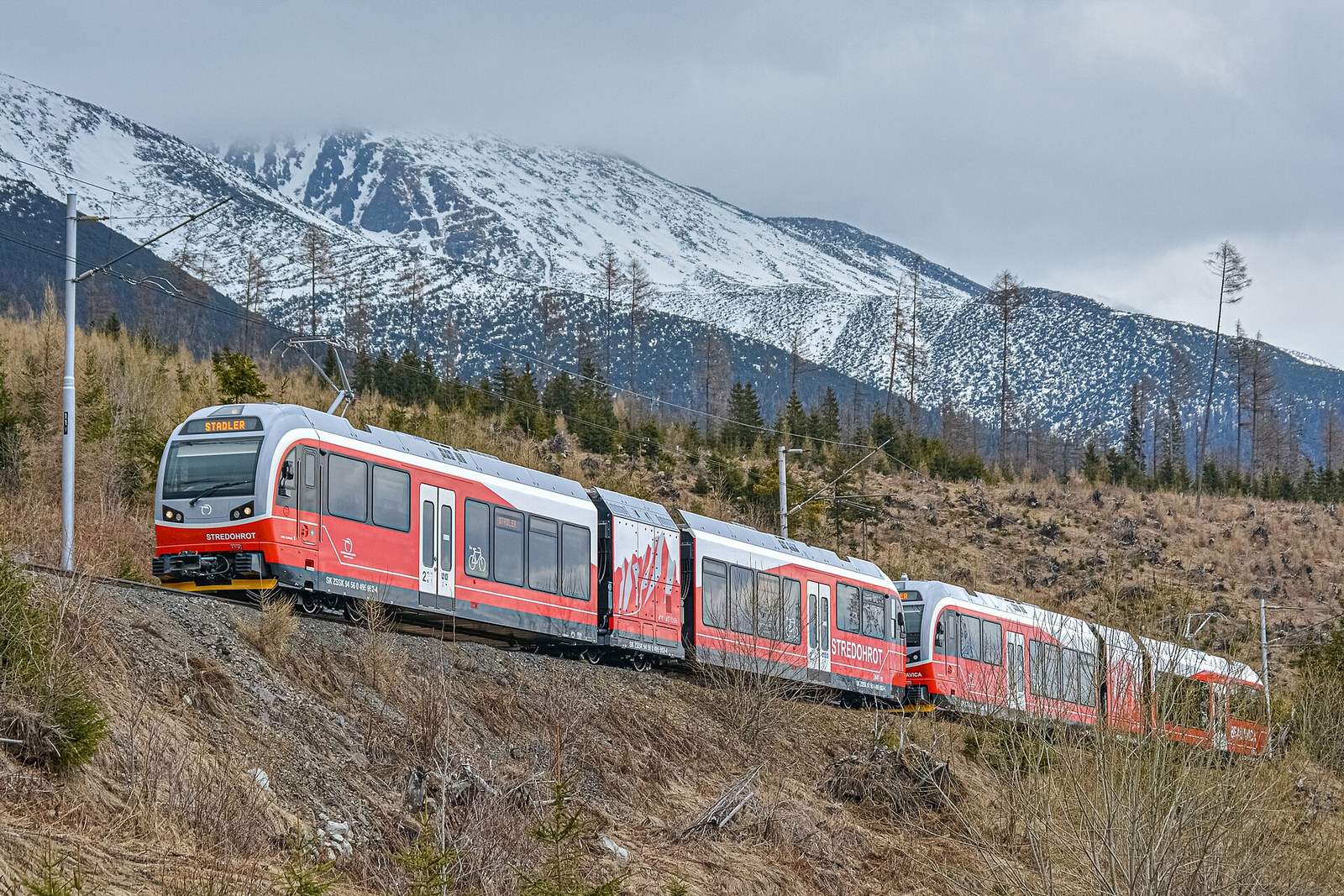
- The structure is beautifully simple, per the High Tatras' own regional pages: the TEŽ runs Poprad-Tatry – Starý Smokovec – Štrbské Pleso, with a branch from Starý Smokovec to Tatranská Lomnica — the three resorts and the main-line gateway on one small network
- Štrbské Pleso is a genuine junction, not just a terminus: the cog railway from Štrba — itself a stop on the Bratislava–Košice spine — climbs to the same station, so the mountains have two rail doors
- The resorts chain without backtracking: sleep in one, ride to the next, walk between them — the railway is the resorts' street, not just their access
Watch out
- Buy before you board, validate when you board: the Tatra lines run a closed, self-service system, tickets are sold at only some stations — Štrbské Pleso, Starý Smokovec, Tatranská Lomnica and Poprad-Tatry among them — and an unvalidated ticket fails at inspection, per the regional operator pages
- These are mountain trams, not main-line trains: no toilets on board, a regional rhythm rather than a metro one — and Poprad-Tatry is the gateway, not the mountains, so the TEŽ leg is still to come after your express arrives
Best for: the Tatra days themselves — one resort as your base, the TEŽ as your local transport, and walks that end at a different station from the one you started at.
See the High Tatras regional site →Official siteRail passes (Eurail) Pass — read the structure first
Strengths
- One pass across many trains and borders — the natural shape for a multi-country rail trip where the Vienna–Bratislava link and the Slovak spine are legs of a longer route
- Sold by Eurail itself; we link the official site and label it as such
Watch out
- For Slovakia alone, judge the pass against ZSSK's own fares on your actual legs first: one cross-border hop plus one spine journey is a short list, and a pass earns its keep on longer ones
- How any pass treats the Tatra mountain lines is a term of the pass — check it in Eurail's own conditions before building a Tatra plan around it
Best for: trips where Slovakia is one country among several — judge it on the whole route.
Two cities and a mountain wall — Bratislava, the Tatras, Košice
Bratislava earns its day as Vienna's smaller, calmer twin. The High Tatras earn several days as themselves. And Košice, at the spine's far end, is Slovakia's second city around its largest cathedral.
Bratislava Old Town & the Castle Base or twin day — the capital at walking scale
Strengths
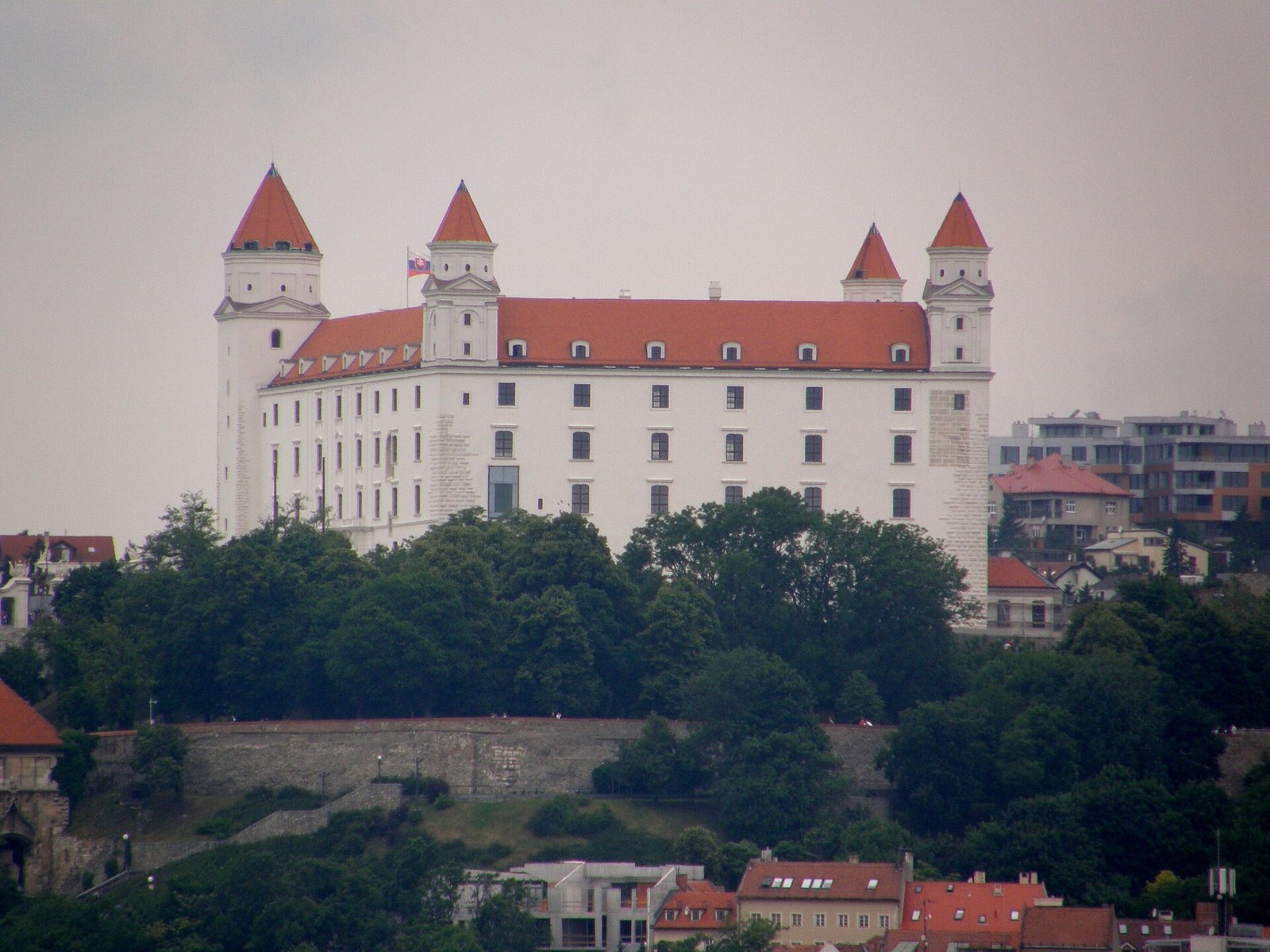
- Bratislava Castle rises some eighty metres above the Danube, per the city's own visitor pages — the seat of the Historical Museum today, its terraces the city's viewpoint; the castle grounds keep longer hours than the museum inside
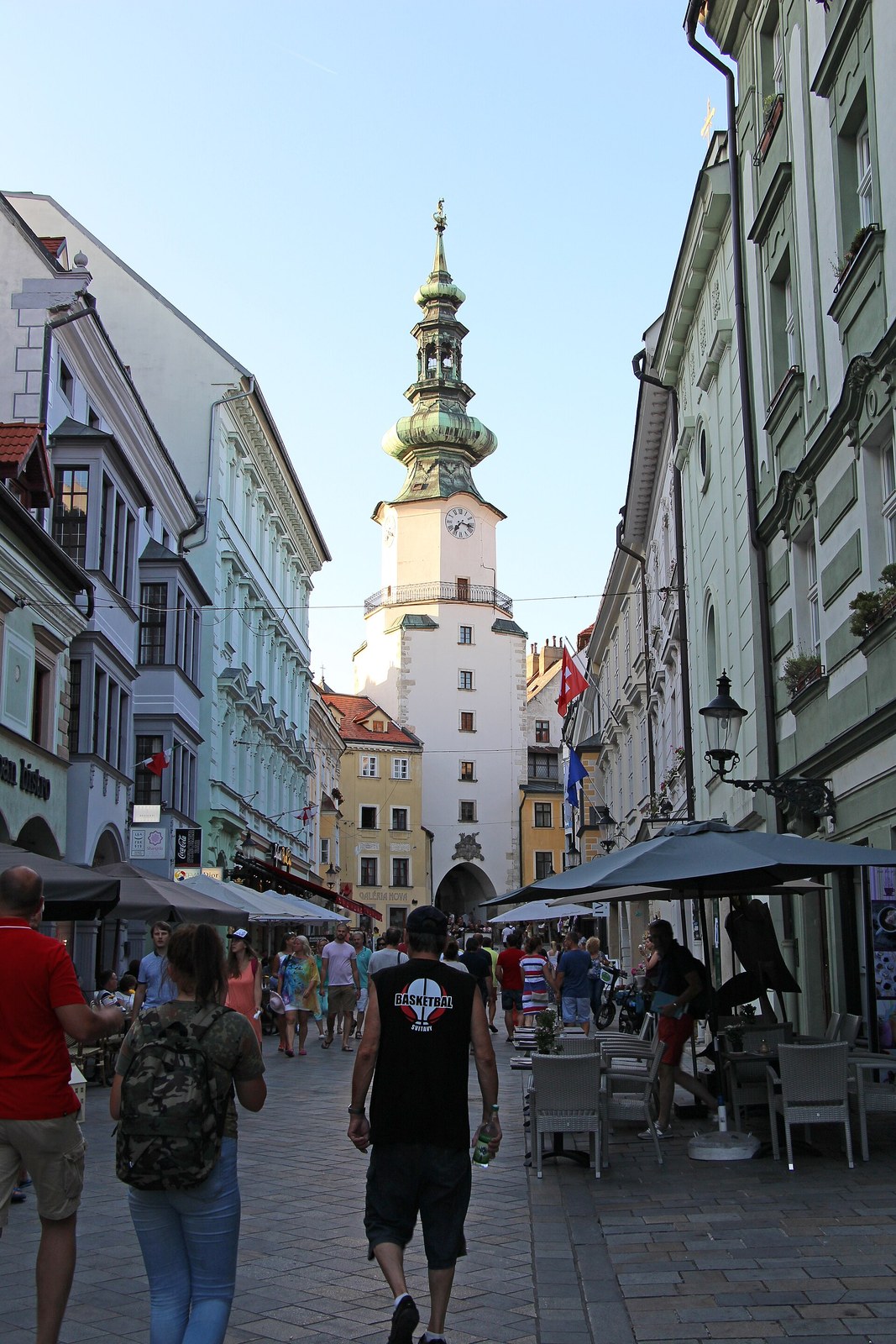
- The Old Town below is compact and layered: Michael's Gate, the only one of the original city gates still standing, St Martin's coronation cathedral at the castle's foot, and the main square's café streets all inside one walk
- It pairs with Vienna without friction: same currency, an hourly rhythm of trains, and a scale that rewards the day Vienna's size can overwhelm
Watch out
- The castle museum closes on Tuesdays while the grounds stay open — a Tuesday visit is terraces and gardens, not interiors; plan the museum for another day of the week
- As a day trip it can feel complete by evening, which is exactly the trap: Bratislava's evenings — the lit castle, the Danube promenade, the Old Town at local pace — are the argument for sleeping here at least once
Best for: the twin day with Vienna, or the first and last nights of a Slovak trip — and travellers who like a capital they can cross on foot.
See Visit Bratislava →Official site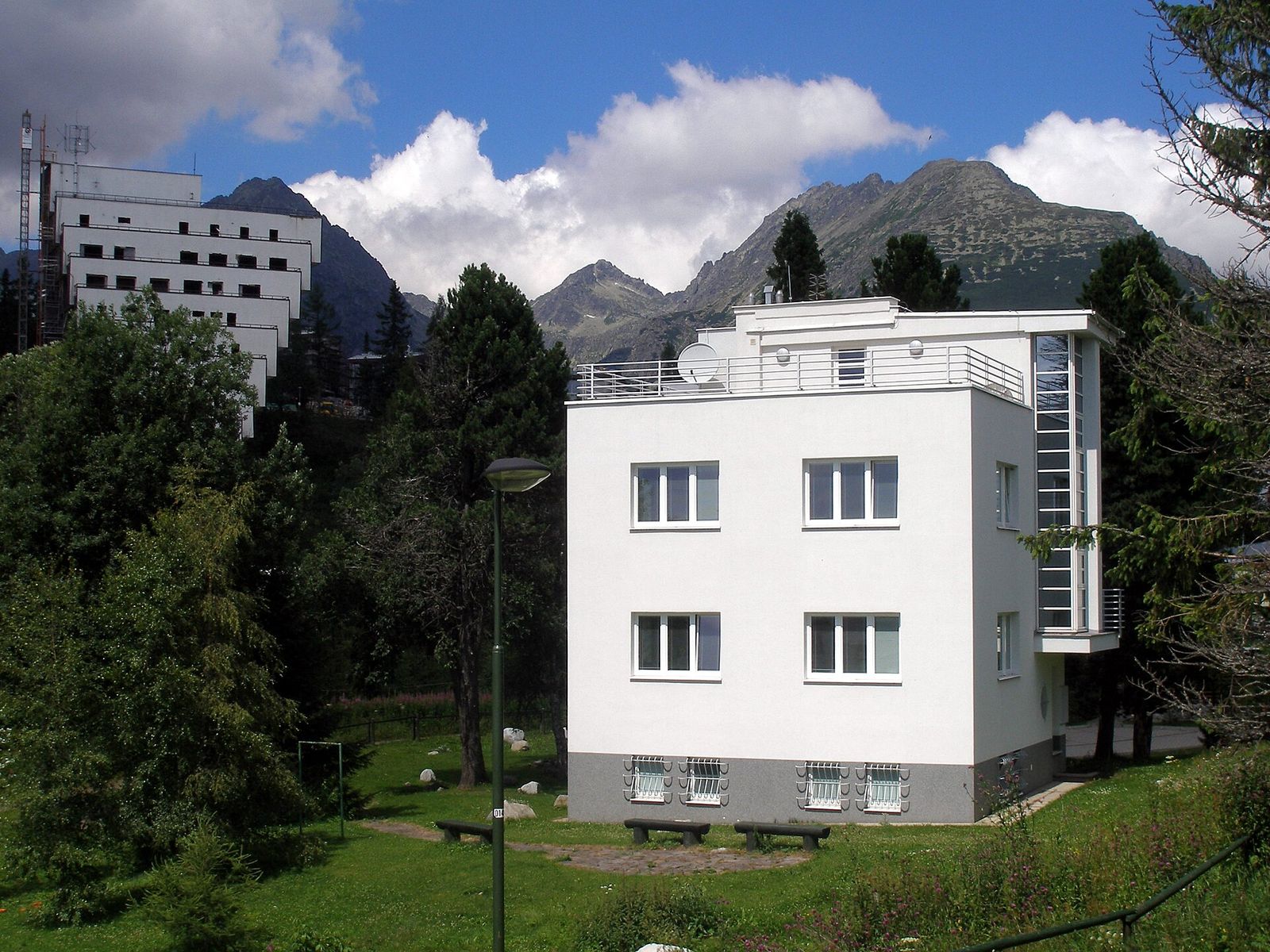
The High Tatras — three resorts, one ridge The main event — alpine Slovakia
Strengths
- A real alpine wall at small-country scale: three resort villages — Štrbské Pleso, Starý Smokovec and Tatranská Lomnica — strung along one electric railway under the ridge, each a different base with its own lift
- The lift layer completes what the railway starts, per the resort operator: the cable car from Tatranská Lomnica toward Lomnický štít, the funicular from Starý Smokovec to Hrebienok, the chairlift from Štrbské Pleso toward Solisko
- Summer and winter are both first-class seasons here — hiking the marked trails in one, skiing the same slopes in the other
Watch out
- Mountain weather is the itinerary variable: the high day is a forecast decision made the day before at the earliest, and top lift sections are capacity-limited — check the operator's current notice for your date. And the resorts are villages, not a city: evenings are quiet, and one valley's base commutes to the others by tram
Best for: the reason to cross the country — give the Tatras the nights that Bratislava's day-trippers give Vienna.
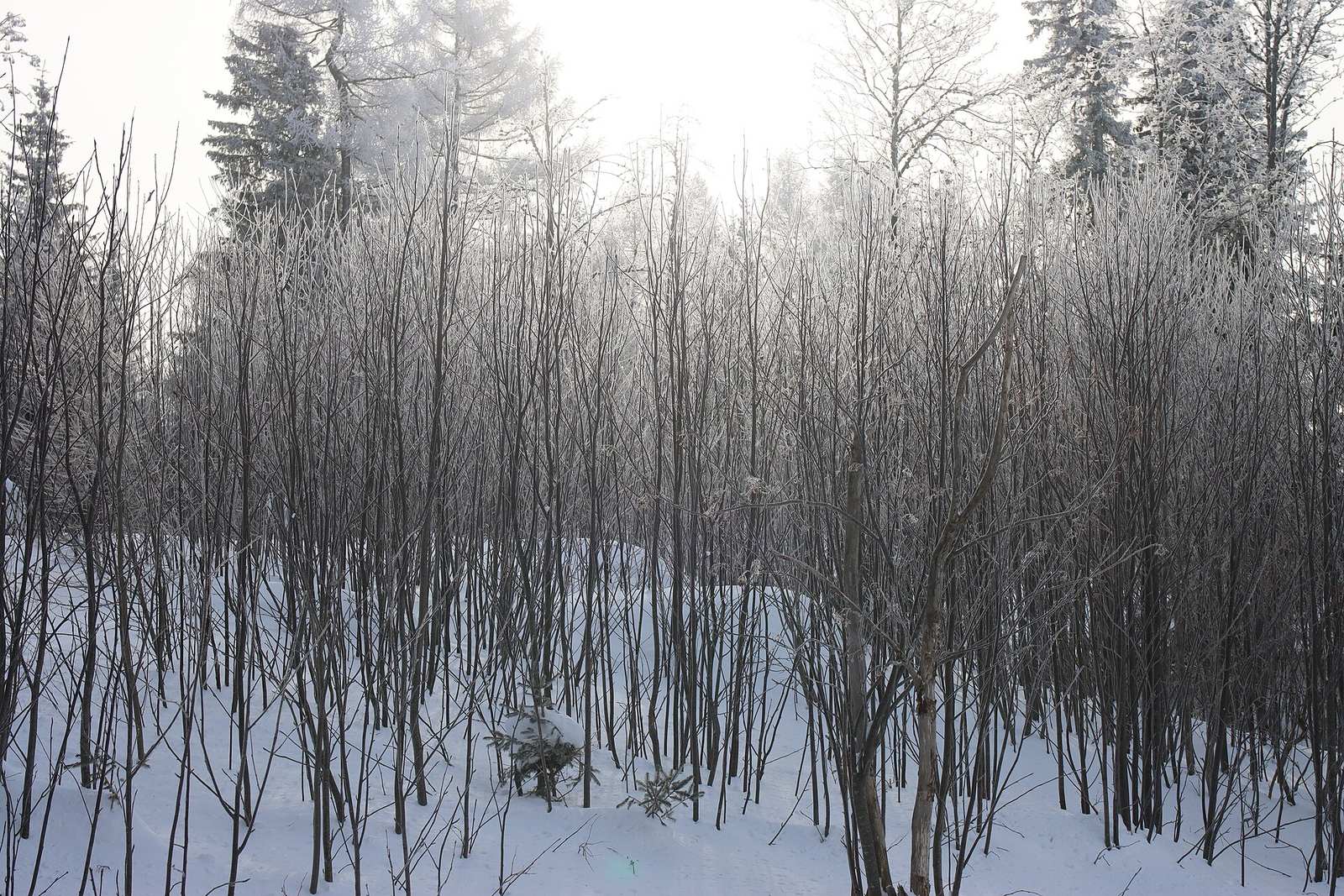
Štrbské Pleso Resort — the lake at the end of both railways
Strengths
- The highest of the classic Tatra bases, built around its glacial lake: the walk around the water is the gentle day, the chairlift toward Solisko and the trails into the valleys behind it are the bigger ones
- It is the one resort with two rail doors — TEŽ from Poprad on one side, the cog railway down to Štrba and the main line on the other — which makes it the easiest Tatra base to reach and to leave in different directions
Watch out
- Its beauty is famous, so its lakeshore carries the Tatras' day-trip peak at midday — the lake at early morning or evening is a different, quieter place. And at this altitude the season is written on the lake itself: it freezes for a long stretch of the year
Best for: the Tatra base for most first trips — the lake, the junction station, and a lift of its own.
See the High Tatras regional site →Official site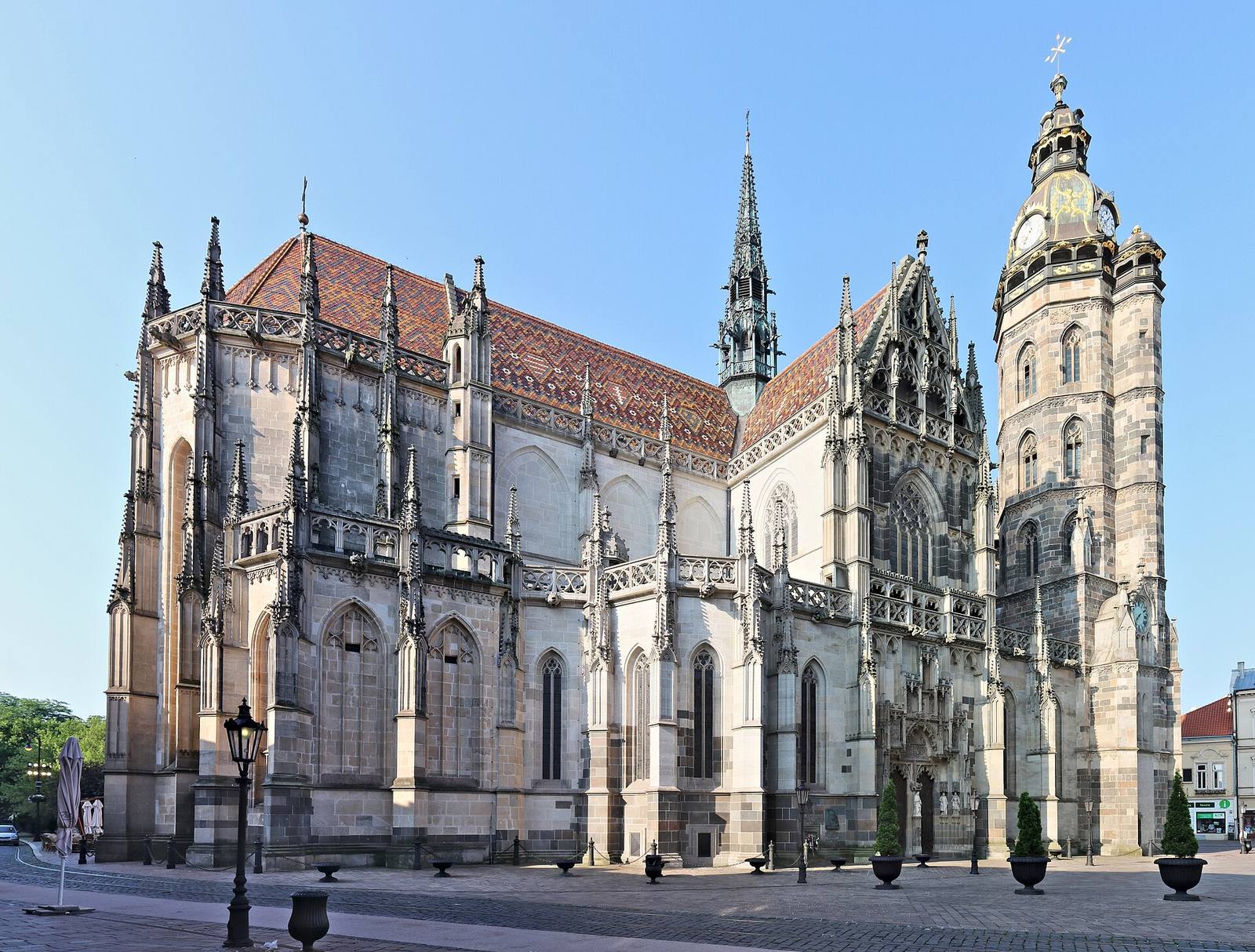
Košice Far anchor — the second city
Strengths
- St Elisabeth Cathedral — the largest church in Slovakia and among Europe's easternmost Gothic cathedrals, as the city's own visitor pages present it — thrones over a lens-shaped historic centre built for strolling, tower climb included
- It completes the country's story: the spine's eastern end is a lived-in regional capital, not an outpost
Watch out
- Košice is a commitment in distance: it sits at the far end of the spine from Bratislava and Vienna, so it earns a night, not a there-and-back day
- Many itineraries meet Slovakia only in the west — adding Košice means planning the route as a line with an exit at the far end, not a loop back to Vienna
Best for: the full-country trip — and travellers continuing east or flying out rather than retracing the spine.
See Visit Košice →Official siteThe pass judgements — two cards, two different trips
Slovakia has no single national visitor pass to agonise over. It has two local cards, one per trip: the Bratislava CARD in the capital and the TATRY Card in the mountains. Each pays or doesn't on its own arithmetic — and neither does the other card's job.
Guided tours of the same places are a different product from the trains, cards and tickets above. Judge a listing on what it actually includes — your own rail ticket may already cover the journey it bundles.
Browse Slovakia tours on Viator →Affiliate link — you pay the same Browse Slovakia tours on GetYourGuide →Affiliate link — you pay the sameWhere to sleep — Vienna, Bratislava, or the mountains
The practical layer — how Slovakia differs from a US trip
Which Slovakia is yours?
Decisions that actually matter
Is Bratislava a day trip from Vienna, or worth its own nights?
Both work. As a Vienna add-on, the REX rhythm makes it an easy, complete day — castle, Old Town, cathedral, riverfront. As a Slovakia trip, sleep there: the evenings are the city's best argument, and its station is your door onto the spine east.
Which Bratislava station do I want for Vienna trains?
Choose by where you sleep. Hlavná stanica, the main station, serves the centre and the Old Town side of the river. Petržalka serves the southern districts across the Danube, with a bus leg to the centre. ÖBB sells the link to both; the mistake is boarding whichever departure comes first without noticing which station it names.
How do I actually get to the High Tatras without a car?
By the spine, then the tram: a ZSSK express from Bratislava to Poprad-Tatry, then the Tatra Electric Railway from the same station up to Starý Smokovec, Štrbské Pleso or, by the branch, Tatranská Lomnica. The alternative door is Štrba, where spine trains meet the cog railway up to Štrbské Pleso. Buy the mountain ticket before boarding and validate it on the tram — the Tatra system is self-service.
Bratislava CARD or TATRY Card — or neither?
They answer different trips. The Bratislava CARD is judged on counted museum entries inside one continuous window in the capital, with its transport version chosen deliberately. The TATRY Card is judged on mountain movement: days of riding the TEŽ, the cog line and the Poprad link across several resorts. A capital-only trip never needs the second; a resorts-based week is where the second does its work; and a light trip through either place may need neither.
Can I do Slovakia without a car?
For the trip on this page, yes — it is the design, not a compromise. The twin link, the spine, the Tatra railways and the resort lifts cover every leg above. A car earns consideration only for rural regions between the rail lines.
Prices and terms change often — the booking site is the final word. Timetables, fare conditions and the mountain services' rules change by season and by day; check the operator's own page for your date. Facts on this page checked against providers' official pages, November 2026.


