
🇧🇬 Bulgaria, after the euro — Sofia, the slow railway and the Black Sea
Bulgaria rewards the traveller who stops assuming the train is the default. The capital, Sofia, is a genuine hub — a metro that reaches the airport, a central station and a central bus station standing side by side — but beyond it the country runs on a comparison: the national railway, BDZ, covers the map slowly and thinly, intercity buses are often the practical line, and for the long jump to the Black Sea a short domestic flight enters the argument. Layered over all of it is a currency change still fresh enough to plan around: Bulgaria adopted the euro at the start of 2026, and older guides, older price habits and leftover lev in a drawer all need updating. This page is built around those judgements — Sofia as the base, Plovdiv as the easy second city, Rila Monastery as the mountain excursion, and Varna and Burgas as the two doors onto the Black Sea.
The lay of the land — one capital, three ways onward
Almost every Bulgarian itinerary starts at the same forecourt in Sofia, where the central railway station and the central bus station stand beside each other. From there the country offers three different onward logics — rail, road and air — and choosing between them, route by route, is the Bulgarian skill.
| Layer | What it is | How booking works | Watch out |
|---|---|---|---|
| BDZ trains | The national railway — Bulgarian State Railways — radiating from Sofia toward Plovdiv and onward, and toward the Black Sea cities of Varna and Burgas | One official home: bdz.bg, with its timetable portal and online sales, plus station counters | Coverage is not speed: on many routes the train is the slow, scenic option rather than the fastest one — compare before you commit |
| Intercity buses | The layer that often wins in practice — coaches from Sofia's central bus station and the other cities' bus stations, run by a range of companies rather than one national operator | Sold through the bus stations and each company's own channels; there is no single national bus shop | The fragmentation is the catch: the right move is to check the departure station's own listings for your date, not a remembered timetable |
| Sofia metro & city transport | The capital's own system — a multi-line metro run by Metropolitan, with trams, buses and trolleybuses coordinated by the Sofia Urban Mobility Centre | Metro and city tickets through the official city channels; the metro is the spine, the surface network fills around it | Sofia is the exception, not the model: no other Bulgarian city has a metro, so do not export capital habits to Plovdiv or the coast |
| Domestic flights | A small internal air layer: the national carrier Bulgaria Air links Sofia with Varna and with Burgas, the two Black Sea gateways | Booked on the airline's own site, air.bg | Schedules are seasonal in character — a flight that suits a summer coast trip may not exist in the same shape in winter |
The railway — full coverage, honest limits
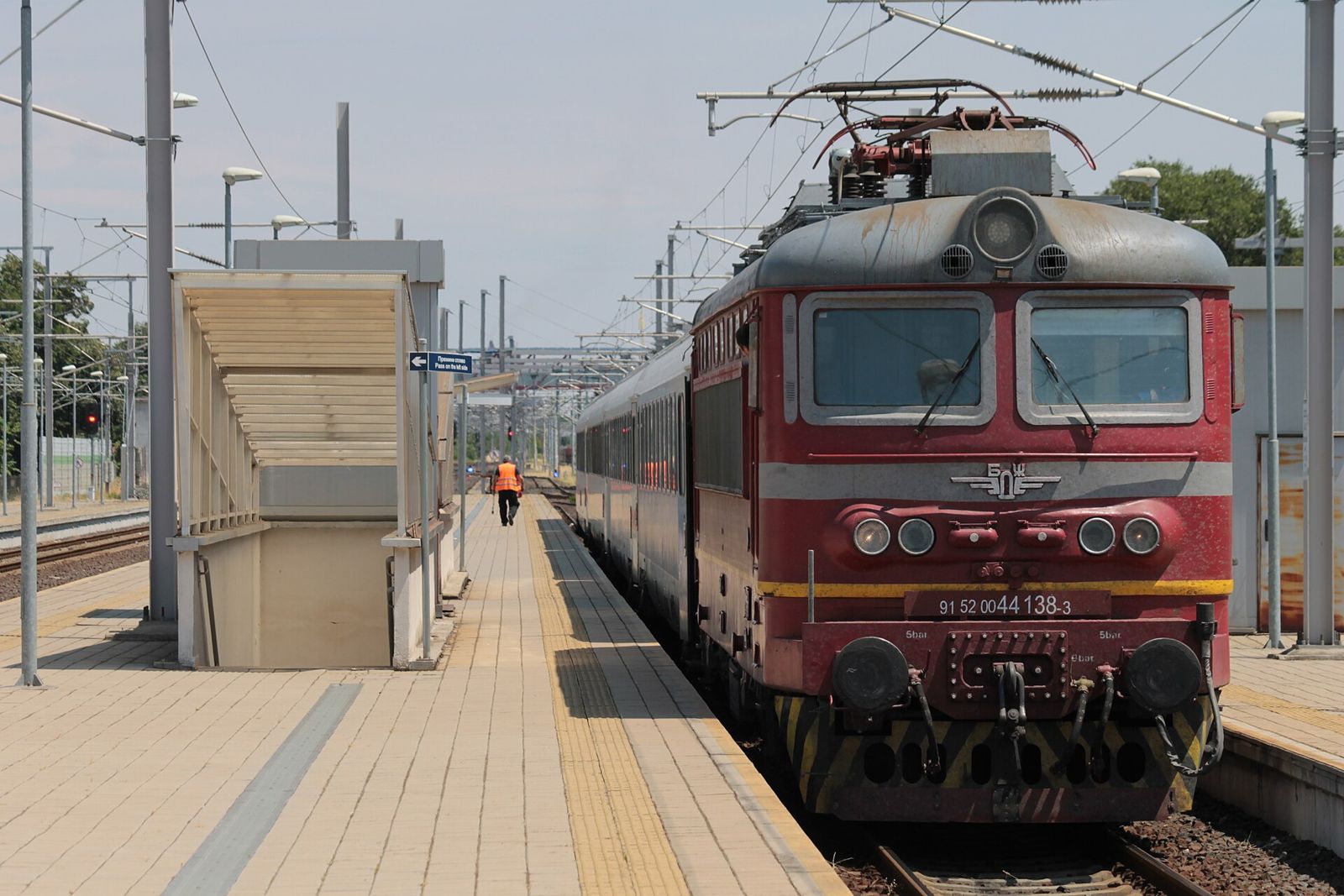
BDZ — Bulgarian State Railways National rail — one operator, one portal
Strengths
- One operator and one official portal for the whole country: timetables, online tickets and passenger information all live under bdz.bg, in Bulgarian and English
- The network reaches the places this page is about — Plovdiv and the road onward, and the Black Sea cities — from the same Sofia central station
- Trains give you the country at window height: the Sofia to Plovdiv line and the long runs east cross the plain and the Balkan range in a way no motorway lay-by shows you
Watch out
- Slowness is structural, not an anecdote: Bulgarian trains are widely the leisurely option on their own routes, and a tight connection built on rail alone is a fragile plan
- Frequencies are thinner than in western Europe — missing a departure can mean a long wait, which is why the bus station beside the railway station matters
- Train categories mix faster and stopping services on the same line; the official timetable's category for your specific departure is part of the booking, not a detail
Best for: unhurried legs, scenic crossings and travellers who plan around one good departure — with the bus checked alongside, every time.
Rail passes (Eurail) Pass — read the structure first
Strengths
- One pass across many trains and borders — the natural shape for a Balkan rail trip that passes through Bulgaria on its way somewhere else
- Sold by Eurail itself; we link the official site and label it as such
Watch out
- For Bulgaria alone, judge the pass against ordinary BDZ singles first: a slow, inexpensive railway is exactly the shape a pass finds hardest to beat
- We have no affiliate arrangement here and do not summarise pass prices or terms we have not verified — the official terms are the comparison
Best for: trips where Bulgaria is one country among several — judge it on the whole route.
Sofia — the base, and a layered capital
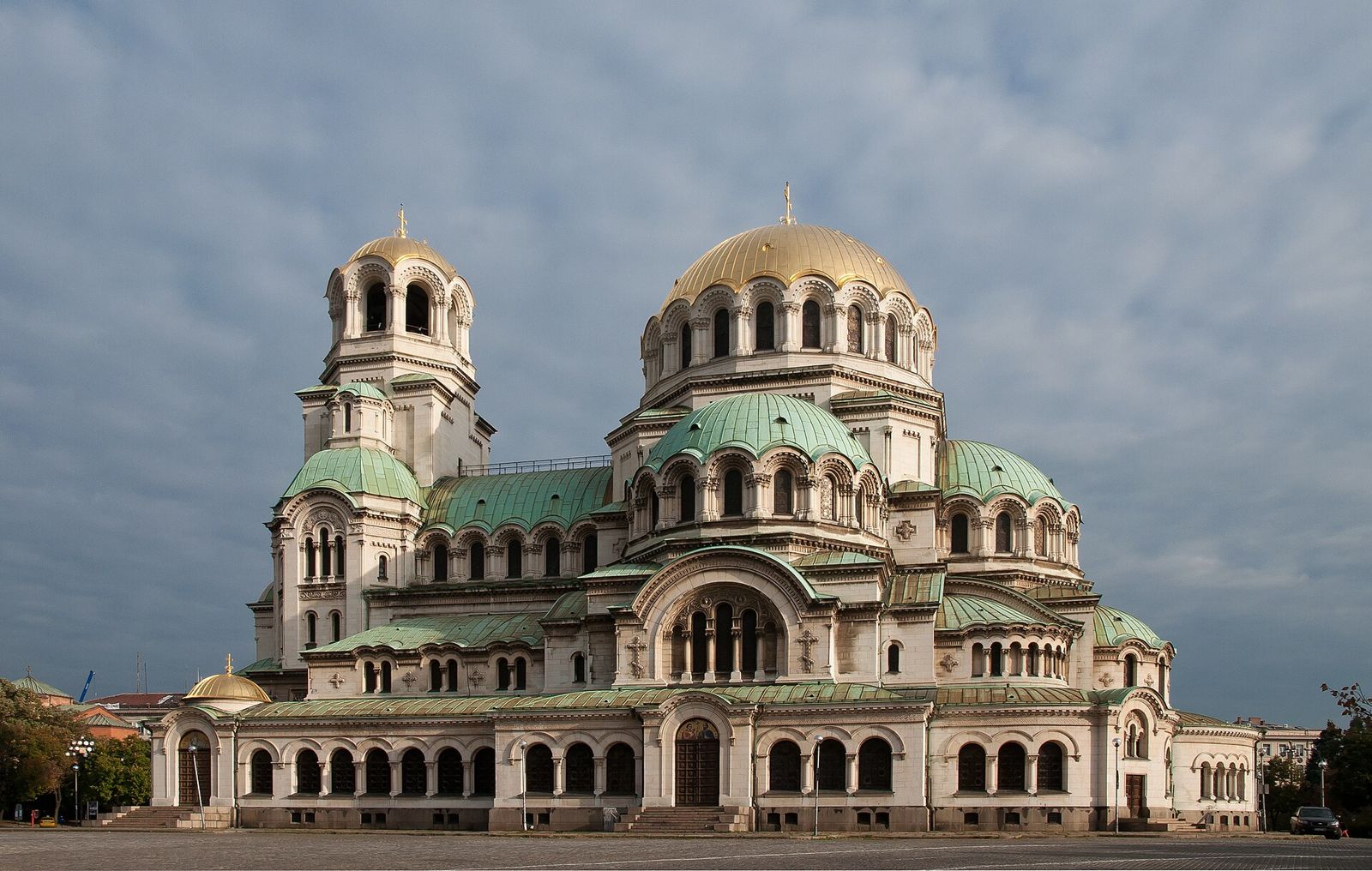
Sofia sits in a plain under Vitosha mountain, and its centre compresses the country's whole history into walking distance: Roman remains under the modern streets, Ottoman and Revival layers, and the great golden-domed cathedral that has become the city's portrait.
Sofia centre & Alexander Nevsky Cathedral Base — the capital & the hub
Strengths
- The Alexander Nevsky Cathedral anchors the centre — the memorial cathedral whose domes appear on every image of the city, standing by the older church of St Sofia that gives the capital its name
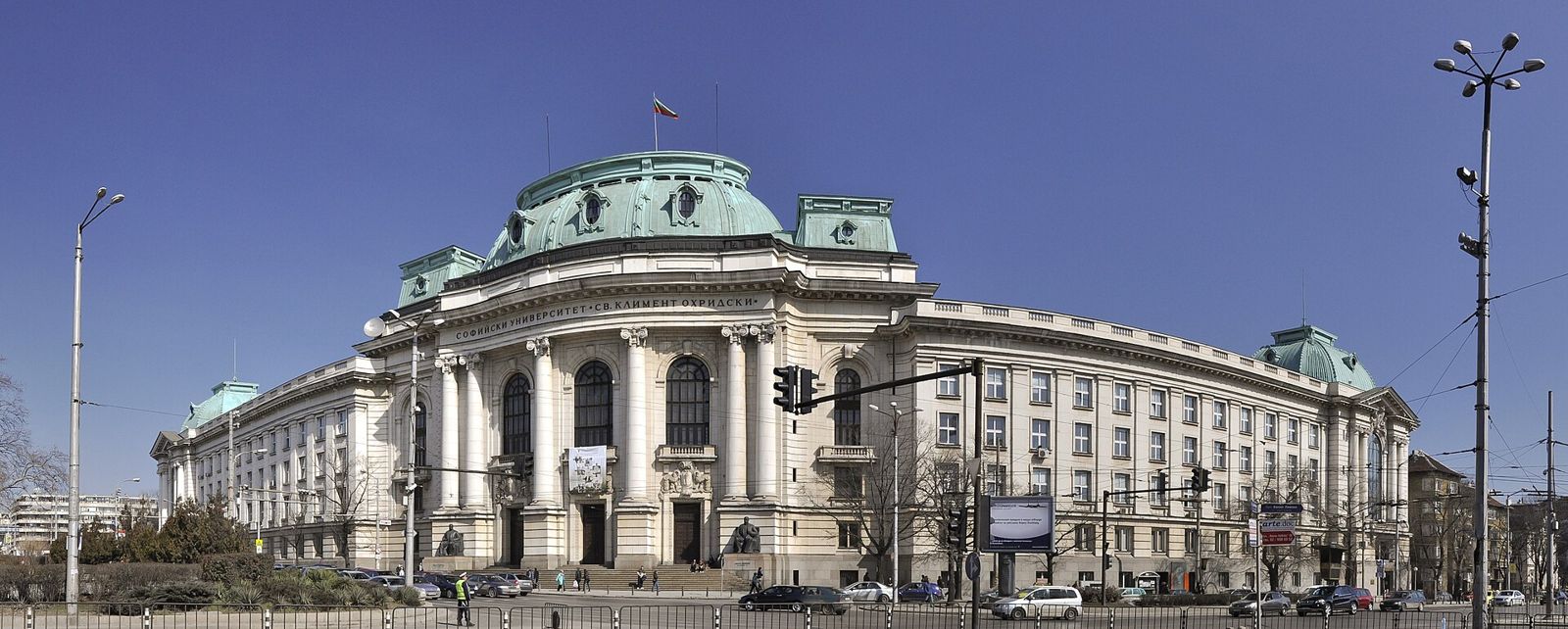
- The layers are walkable: the cathedral quarter, the university and parliament area, Vitosha Boulevard's pedestrian run toward the mountain and the excavated Roman streets around the Serdika metro interchange all sit within one compact core
- As a base it is unmatched in Bulgaria: metro, central station, central bus station and the airport line in one city, with Plovdiv and Rila both reachable as excursions
Watch out
- Sofia's ease can hide the country's distances: the coast is a long leg by any ground mode, so a Sofia-only base suits a city-and-Plovdiv trip better than a beach trip
- The centre rewards walking and the metro, not a car — plan to arrive by rail, bus or metro and keep the driving for the days you leave the capital
Best for: the first base of almost every Bulgarian trip, and a full sightseeing day in its own right before the spokes begin.
See Visit Bulgaria →Official siteRila Monastery — the mountain excursion
Rila Monastery Day trip or overnight — the World Heritage monastery
Strengths
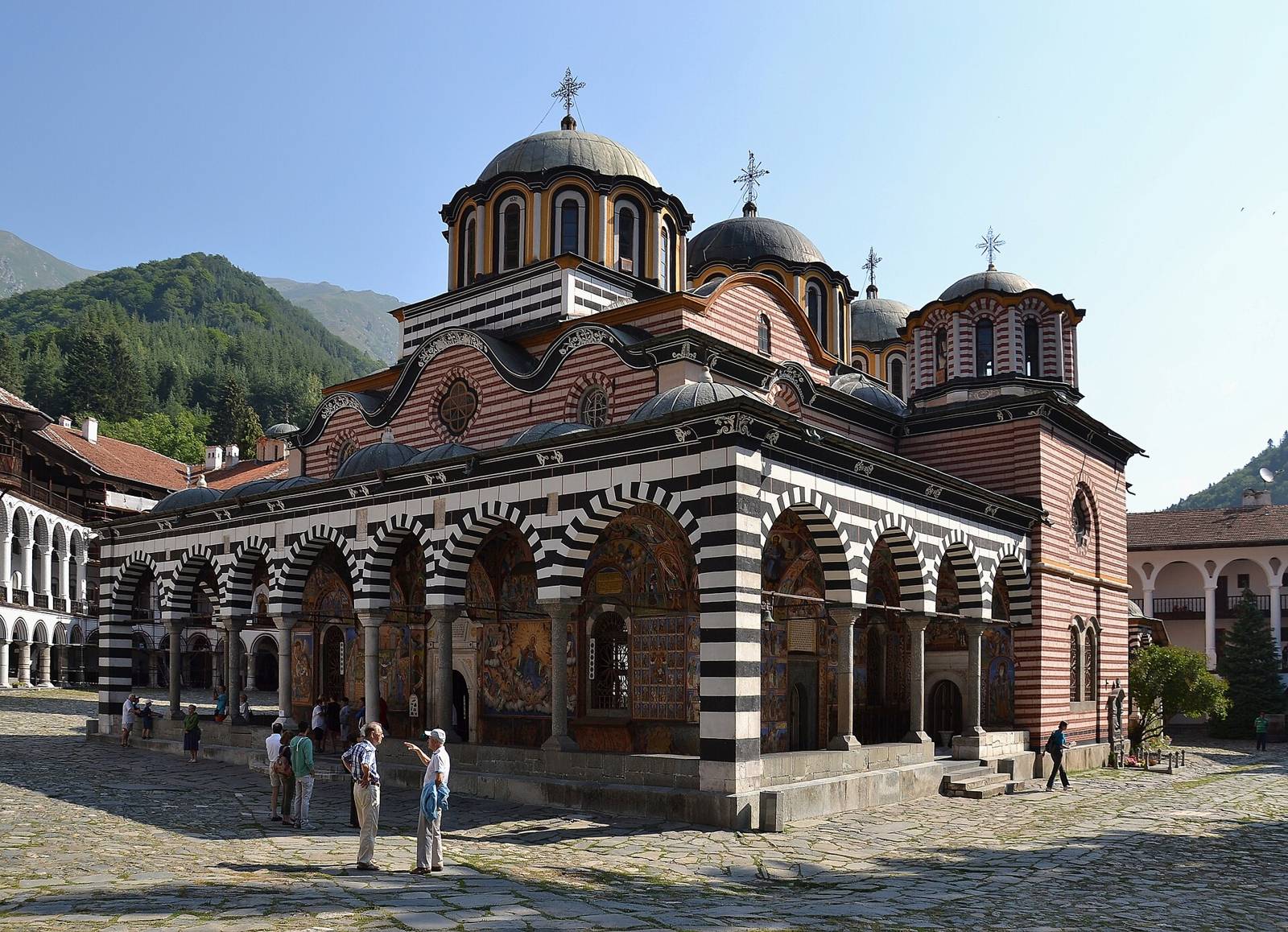
- Bulgaria's defining monastery: a fortified courtyard of striped arcades and frescoes in a high valley of the Rila mountains, inscribed on UNESCO's World Heritage List
- It is the classic Sofia excursion — far enough to feel like another Bulgaria, close enough to be done as a long day with an early start
- The mountain setting is half the visit: the monastery sits in forested high country, a complete change of air from the capital's plain
Watch out
- There is no railway to Rila: the last part of every version of this trip is by road, so the real decision is which road product — public bus connections, an organised tour or your own car — not whether to take a train
- As a working monastery it asks for the usual respect in dress and behaviour; treat the visit as a guest's visit, not a museum stop
Best for: the one excursion almost every first Bulgarian trip should contain — taken early, and unhurried once there.
See Visit Bulgaria →Official sitePlovdiv — the second city that earns its night
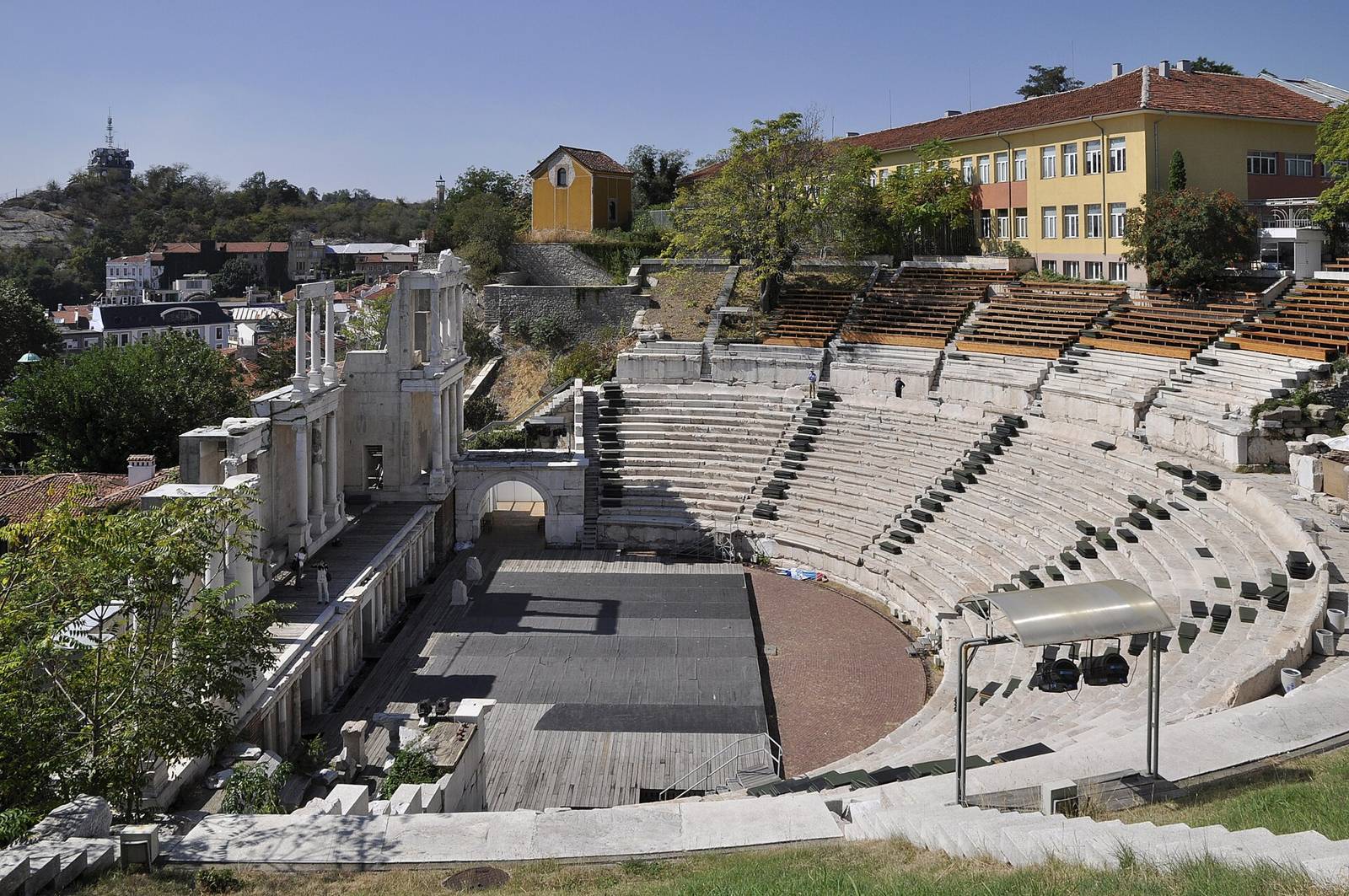
Plovdiv old town & the Roman Theatre Second city — Roman layers & the old town hills
Strengths
- A Roman theatre still in use, set into the old town's hills above a pedestrian centre — Plovdiv wears its antiquity in the middle of daily life rather than behind a fence
- The old town's Revival-era houses, cobbled lanes and viewpoints reward slow wandering, and the Kapana creative quarter gives the evenings somewhere to go
- It is the easiest onward move in Bulgaria: a direct rail and bus corridor from Sofia, short enough for a day trip, rich enough to justify the overnight
Watch out
- Day-tripping Plovdiv is possible and still a squeeze: the old town climbs, the theatre and houses take time, and the city is better with a night in it
- Plovdiv has no metro and no reason to want one — it is a walking city with buses around it, so arrive centrally and explore on foot
Best for: the natural second stop — Roman, Ottoman and Revival layers in one walkable hill town.
See Visit Bulgaria →Official siteThe Black Sea — Varna, Burgas and the coast between
Bulgaria's east is a different trip wearing the same flag: a long Black Sea coast with two gateway cities — Varna in the north, Burgas in the south — historic Nesebar on its peninsula between them, and resort strips whose character changes with the season.
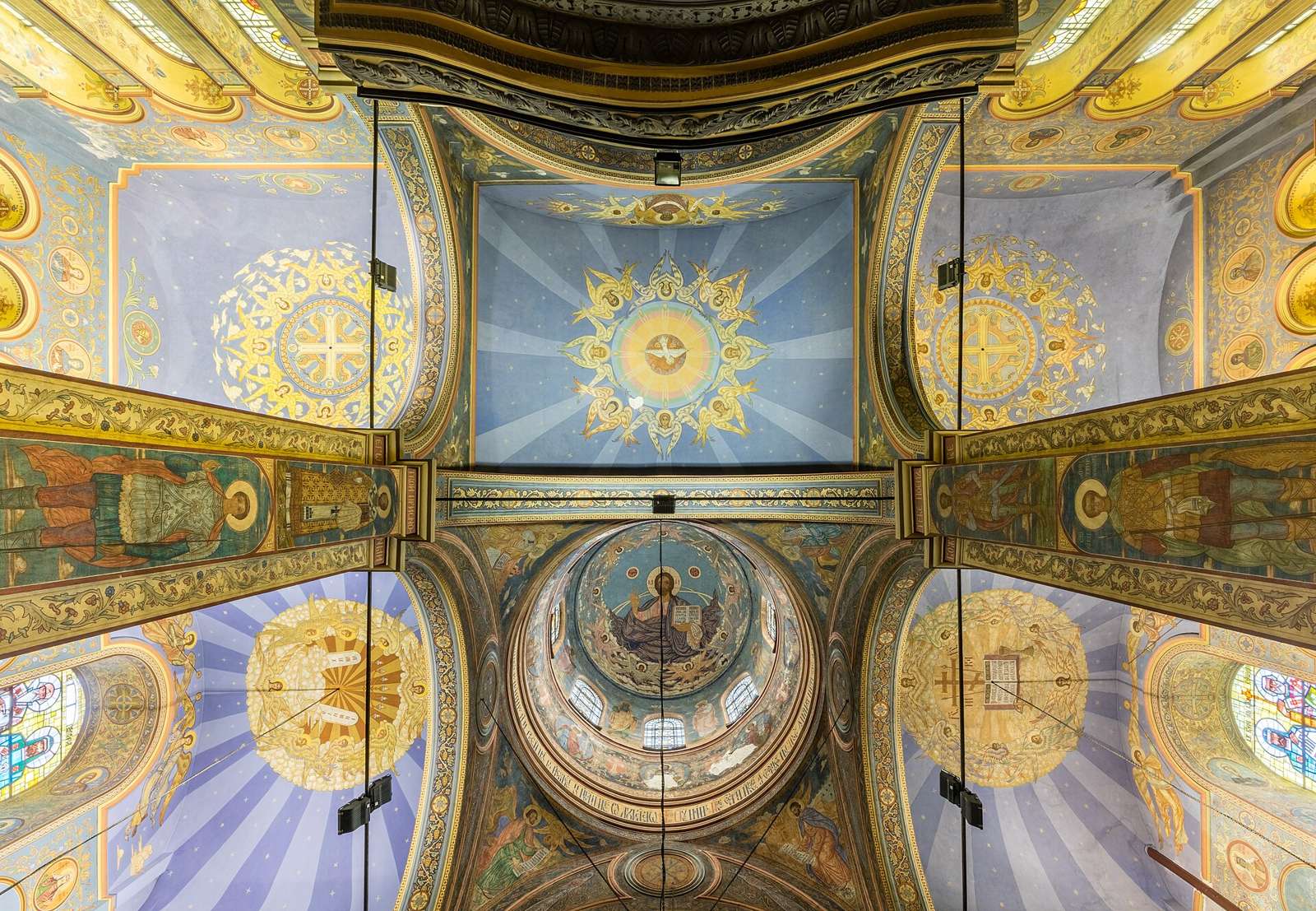
Varna & the northern coast Black Sea gateway — the sea capital
Strengths
- Varna is a real city that happens to face the sea: a cathedral at its centre, a great seaside garden running down to the beaches, and museums holding the region's deep past
- It is the coast's transport equal of Sofia: its own airport with the domestic link from the capital, a railway terminus and a bus station — every mode on this page reaches it
- As a base it splits the northern coast's resorts and day trips without surrendering city life in the evenings
Watch out
- Season shapes everything on this coast: the resort strips near Varna are built for summer, and a winter coast trip is a city trip with sea air, not a beach holiday
- The ground journey from Sofia is the country's longest standard leg — this is where the domestic flight comparison genuinely belongs
Best for: the Black Sea base with a city attached — and the natural pairing with Burgas for a coast worked from both ends.
See Visit Bulgaria →Official siteGuided tours are a different product from the trains, buses and flights above — in Bulgaria they often are the transport, above all for Rila Monastery, where every version of the trip ends on the road anyway. Judge a listing on what it actually includes: the drive, the guiding, or both.
Browse Bulgaria tours on Viator →Affiliate link — you pay the same Browse Bulgaria tours on GetYourGuide →Affiliate link — you pay the sameWhere to sleep — bases, honestly held
The practical layer — how Bulgaria differs from a US trip
Which Bulgaria is yours?
Decisions that actually matter
Do I still need lev for Bulgaria?
No — not for spending. Bulgaria joined the euro area on 1 January 2026 and the euro has been the sole legal tender since February 2026, as the status box at the top of this page sets out with its sources. If an old trip left you holding lev, the Bulgarian National Bank exchanges banknotes and coins indefinitely and free of charge; banks and post offices may now charge, so the central bank is the reliable route.
Train, bus or plane to the Black Sea?
By what the day is for. The train is the journey — slow, scenic and single-operator simple. Buses are the frequency play, run by several companies out of the central bus stations. The Bulgaria Air flights from Sofia to Varna and Burgas are the time play, most valuable on a short trip in season. Many good itineraries deliberately mix them: fly one way, return by ground.
Can I do Rila Monastery from Sofia in a day?
Yes, and most visitors do — but every version ends on the road, because no railway reaches the monastery. Your real choices are the public bus connections, an organised tour that makes the drive the product, or a rental car. Start early in all three versions; the monastery and its mountain valley deserve the unhurried middle of the day.
Is Plovdiv a day trip or an overnight?
Both work, and the honest answer is that the overnight is better. The corridor from Sofia makes the day trip easy, but Plovdiv's old town climbs its hills, the Roman Theatre and the Revival houses take their time, and the city in the evening is a different pleasure from the city at midday. If your nights are scarce, spend one here rather than adding a third Sofia day.
How do I get from Sofia Airport into the city?
By metro, in most cases: the airport station stands at Terminal 2 and the line runs into the centre, crossing the network at Serdika. If your flight uses the other terminal, the airport's free shuttle links it to Terminal 2. Buses and taxis cover the road versions, and a pre-booked transfer removes the thinking for very early or late arrivals.
Prices and terms change often — the booking site is the final word. Timetables, fare conditions and seasonal schedules change by season and by day; check the operator's own page for your date. Facts on this page checked against providers' official pages, November 2026.


