
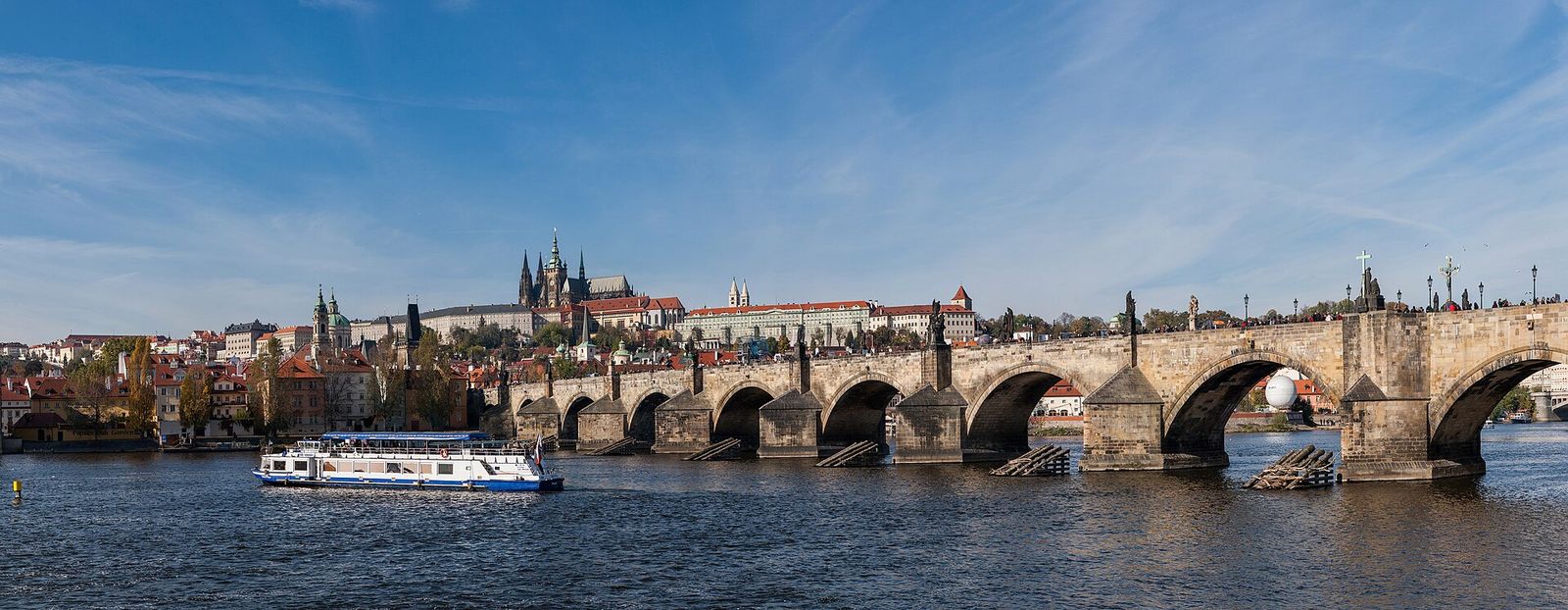
🇨🇿 Czechia, planned around Prague
Most countries on this site spread their sights across several bases. Czechia does the opposite: one capital carries the country. Prague is the hub the trains radiate from, the place almost every sightseer comes for, and — in its compact historic core — the crowd problem as well, all inside a centre you can cross on foot. So a Czech trip has one base to get right, one castle to understand before you pay for it, one city pass to judge honestly — and a genuinely unusual bonus: out of that single hub, three railways compete for your seat. The state railway České dráhy (ČD) runs the full map from night trains to village stops, while two private operators, RegioJet and Leo Express, run their own trains, tickets and rules on the busiest corridors.
The lay of the land — one hub, three railways competing out of it
In France, one railway sells four layers of train in one shop. In Czechia, the corridors out of Prague are a market: three companies run trains over the same tracks to the same cities, and a ticket from one is not a ticket on another. The state railway is the only one that runs everywhere; the two private operators are narrower, competing on service and conditions as much as timetable. The table is the map; the cards carry the detail — including the cons.
| Railway | What it is | How booking works | Watch out |
|---|---|---|---|
| České dráhy (ČD) | The state railway — the full network: premium long-distance, night trains, and regional trains to the smallest towns | Its own site and app sell the whole ČD map | One company, many layers — the category on your ticket (Railjet, InterCity, fast, regional) decides what you are riding |
| RegioJet | A private operator running its own long-distance trains and buses out of Prague on the busy corridors | Its own site and app only — free seat choice, and online tickets cancellable free up to 15 minutes before departure | A separate shop and a separate ticket: your ČD ticket does not board a RegioJet train, or the reverse |
| Leo Express | A private international operator, running since 2012, linking Czechia with Slovakia and Poland | Its own site and app, with a class ladder up to a six-seat Premium cabin | Narrower network, and cancellations run into Leo credits rather than back to your card |
The state railway — every layer in one shop
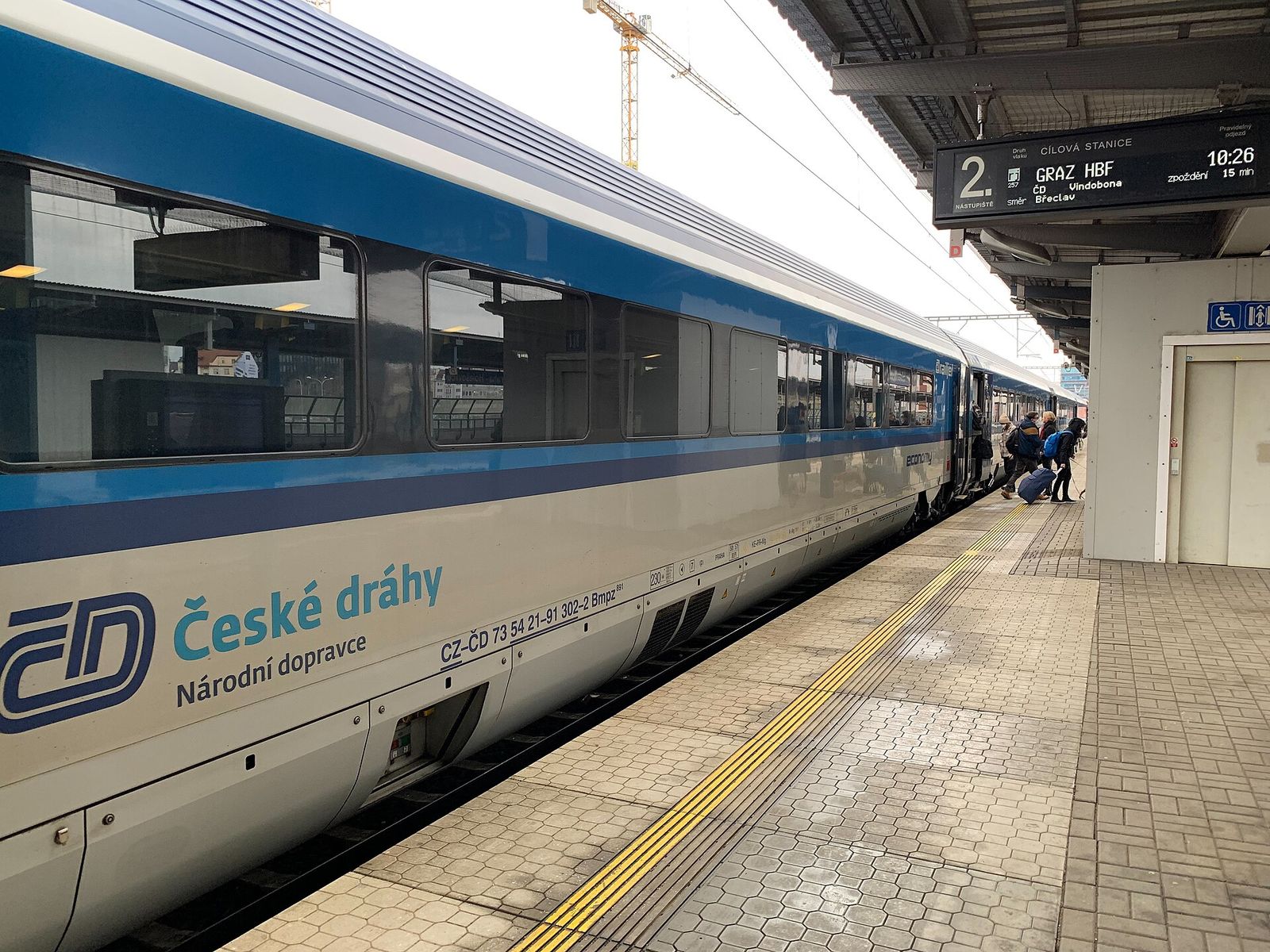
České dráhy (ČD) State railway — the full network
Strengths
- The only operator that runs the whole country: its layers run from Railjet (the Brno–Prague flagship, on to Austria) and the SC Pendolino (its fastest cross-country service) through EuroCity and EuroNight trains to regional services reaching the smallest towns
- International depth the private operators do not match: EuroCity towards Dresden, and night trains that move you while you sleep
- One official shop for all of it — a mixed itinerary of fast and regional legs books in a single place
Watch out
- "A ČD train" tells you nothing by itself: a Railjet, an InterCity, a fast train (R) and a regional train (Os) are different products at different speeds with different stopping patterns — read the category on the specific departure, not the brand
- With this many layers, the booking screen for your date is the only honest source for what a departure includes
Best for: almost everything beyond the headline corridors — regional Czechia, night trains, and mixed fast-and-local itineraries.
The challengers — narrower networks, sharper offers
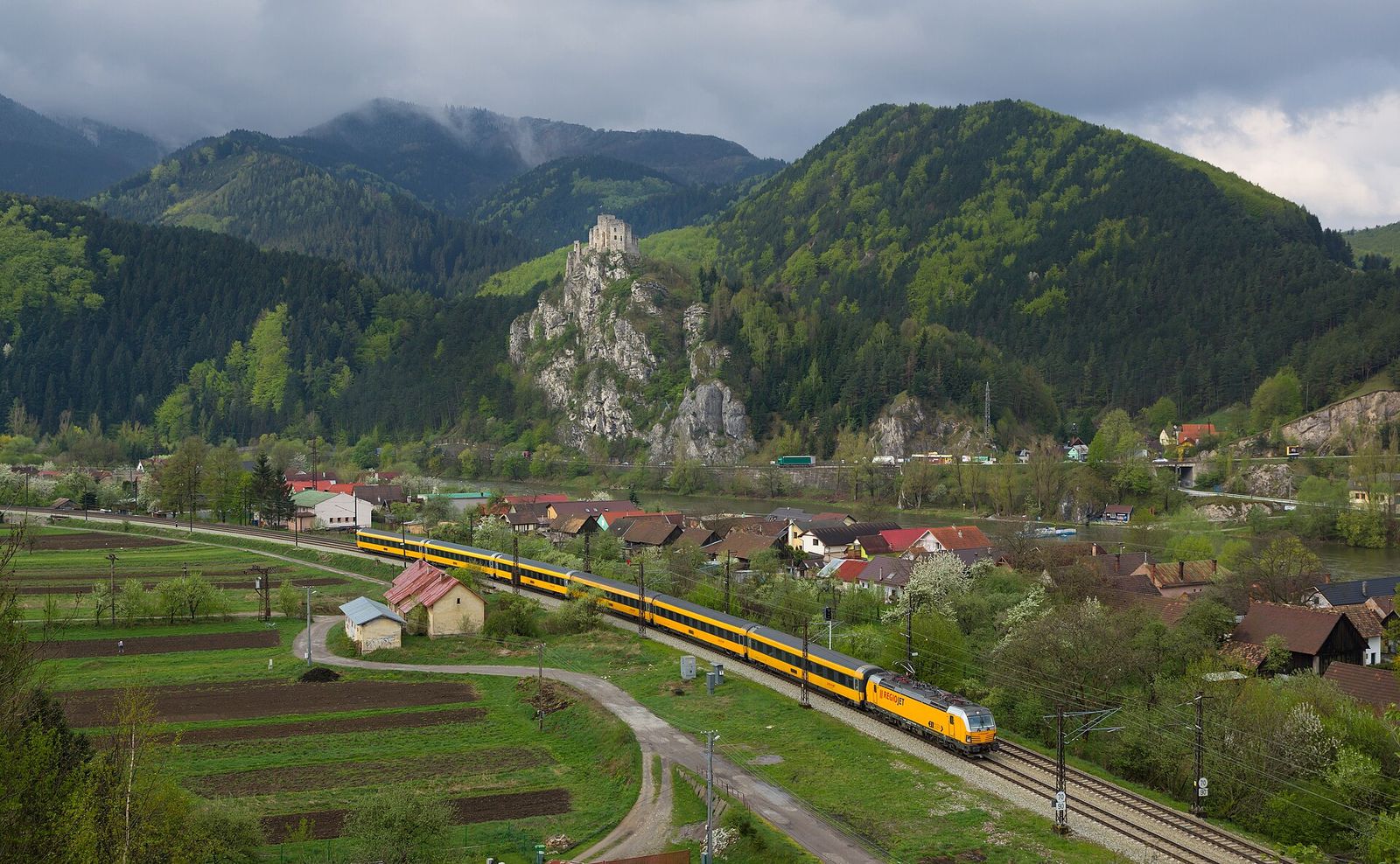
RegioJet Private operator — trains & buses
Strengths
- The most flexible condition on this page, from its own site: online tickets can be cancelled free of charge up to 15 minutes before departure, refunded to credit immediately or to your card within a few business days
- Free seat selection, an on-board Wi-Fi entertainment portal, newspapers — and on trains, complimentary coffee and bottled water, with a paid menu served at your seat
- An on-time arrival guarantee is part of its published offer
Watch out
- It runs where the demand is, not where the map is: beyond its chosen corridors there is no RegioJet — regional Czechia belongs to ČD
- Trains and buses share one brand and one shop — check which vehicle your departure actually is
- Its ticket lives in its own system: changes and refunds follow RegioJet's rules, not the state railway's
Best for: the busy corridors when your plans might still move — the cancellation window is the product.
Leo Express Private operator — international
Strengths
- A cross-border specialist by its own description: a private international operator since 2012, connecting Czechia with Slovakia and Poland — Prague to Kraków and Warsaw headline, with feeder buses onward
- The clearest class ladder of the three: Economy, then Economy Plus and Business with more legroom and included refreshments, up to a Premium class of just six adjustable seats in a quiet section
- Modern low-floor, air-conditioned units with Wi-Fi on its flagship routes — the product is the train itself
- Still expanding: its announcements add international routes through Prague, including a Prague–Pilsen–Regensburg–Munich connection — check what is actually on sale for your dates
Watch out
- The smallest network of the three: a handful of corridors, so for most Czech journeys it simply does not appear as an option
- Cancellation runs into Leo credits, not back to your card — that belongs in the buying decision
- An announced route is not a bookable route until its own booking system says so — timetables shift with infrastructure works
Best for: Prague to Poland and Slovakia in one company's hands — and travellers who pay for the quiet end of the train.
Prague Castle — you don't buy a ticket to "the castle"
Prague Castle is not a single building with a gate price: it is a walled district above the river — the official site calls it the largest coherent castle complex in the world, some 70,000 square metres built over more than a thousand years, and a UNESCO site. You walk its courtyards without a ticket. What you pay for is the interiors, sold as a circuit: one main circuit bundling St Vitus Cathedral, the Old Royal Palace, St George's Basilica and Golden Lane with the Daliborka Tower, with the permanent exhibitions as a separate ticket. Tickets are sold at the castle's information centres, and the main circuit also through the online channel the official site points to. Its most useful detail: the buildings can be split across two consecutive days, one entry per building — exactly how a crowded site should be visited.
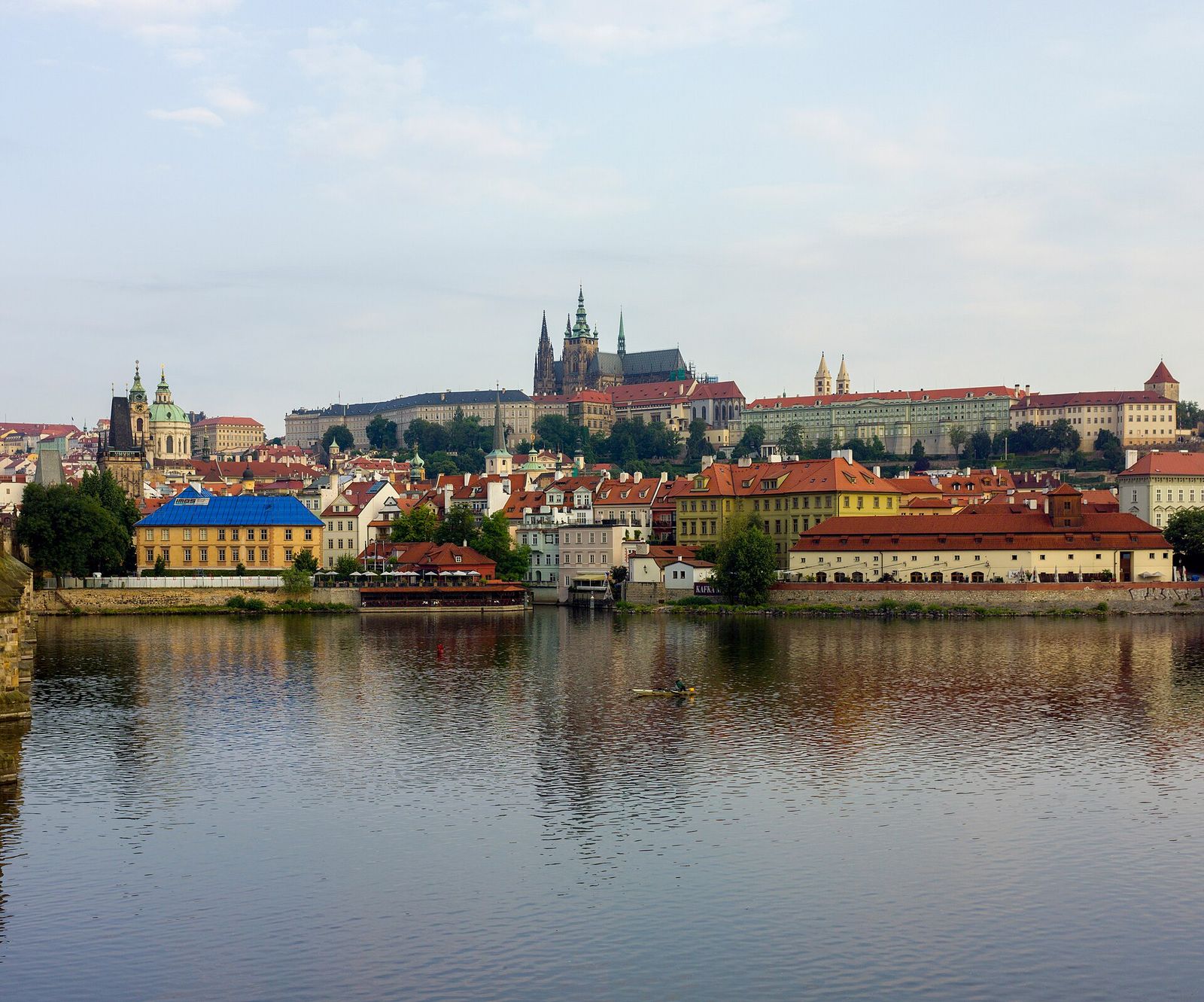
Guided tours are a different product from the castle's own tickets; judge any "castle tour" listing by which buildings it enters and whether the circuit ticket is included or still to buy.
Browse Czechia tours →Affiliate link — you pay the sameThe old core — one walkable loop, one crowd to plan around
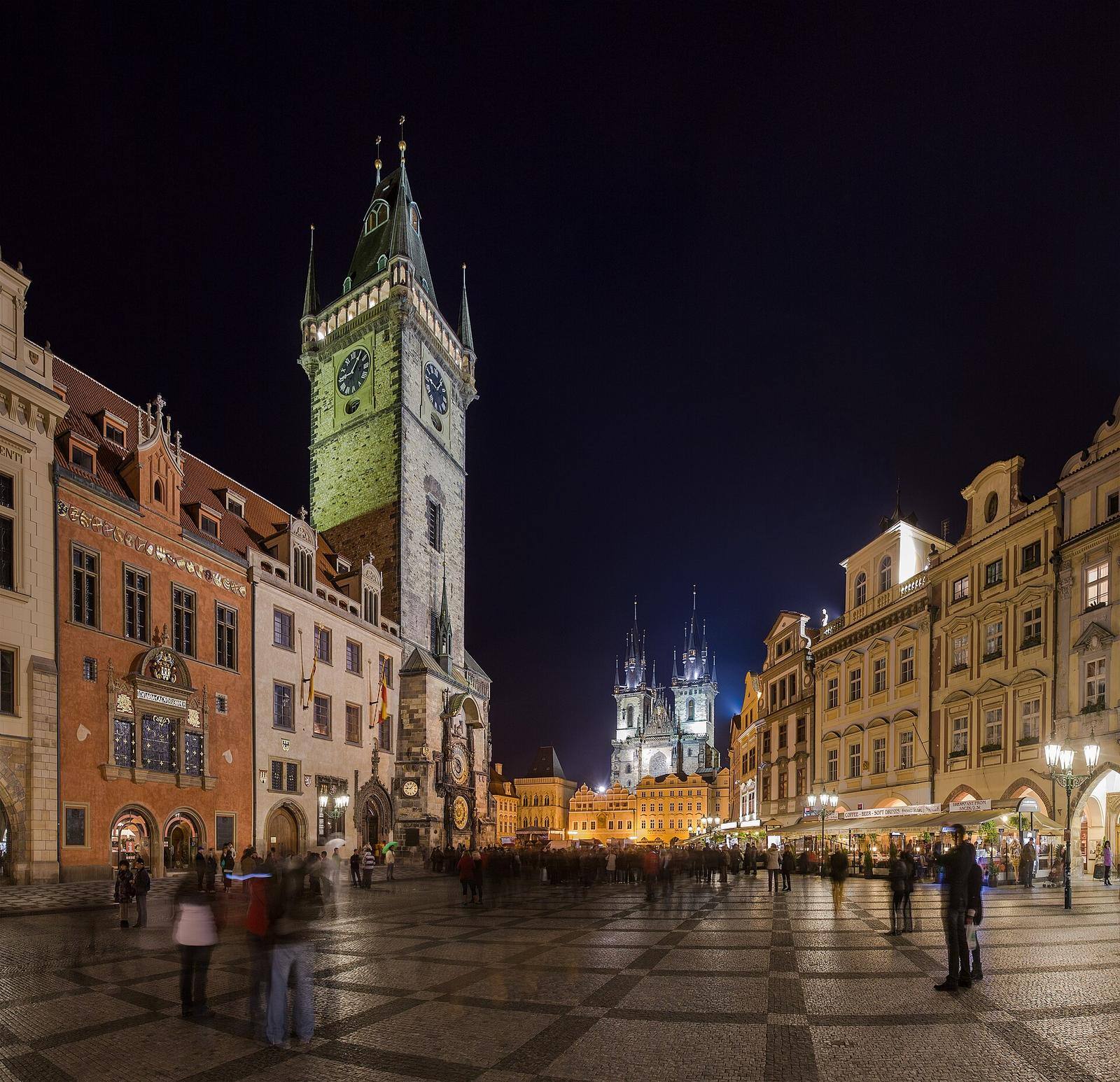
Prague's historic centre is a single walkable loop: the castle district on the hill, Charles Bridge across the Vltava — the bridge of thirty statues, in the tourism board's own description — and the Old Town on the far bank. That compactness is the joy and the whole problem: nearly every visitor walks the same loop on the same days. Nothing can empty those streets, and any site promising a "secret uncrowded Prague" at midday in the core is selling something. What planning can do is change when and in what order you meet the crowds.
The Prague Visitor Pass — the judgement that runs the capital
One pass matters in Prague as the Paris Museum Pass does in Paris: the Prague Visitor Pass, which the city calls the only official city card. Its structure is generous and precise — more than seventy experiences with free admission or discounts, including the Old Town Hall, Prague Castle, the Zoo, seven Prague towers, Vyšehrad and the Jewish Quarter, plus guided tours and a Vltava cruise — with unlimited public transport across Prague, including to and from the airport. It runs not in calendar days but in consecutive hours — 48, 72 and 120-hour versions, as a physical card or a phone e-Pass. No limit on attractions per day; each site once. Whether it pays is arithmetic only you can finish.
Getting around Prague — one integrated system underneath it all
Under the pass, and under the city, sits PID — Prague Integrated Transport: the system binding metro, trams, buses and the rest of the city's transport into one whole with one ticketing logic, run through its official app, PID Lítačka. You hold time on the whole system, and the Visitor Pass simply makes that time unlimited for its window. Prague's core is walkable enough that many visitors ride less than they expect — the transport inclusion is worth most to those staying outside the centre or arriving by air.
Beyond Prague — the bases the official map actually offers
Czechia beyond the capital is a set of spokes, and CzechTourism's own writing frames them by effort. Some are genuine day trips, one is honestly an overnight, and one — Český Krumlov — is the country's second great crowd in miniature.
Kutná Hora Day base — the closest spoke
Strengths
- The official board frames it as the easy day trip: under an hour east of Prague by train in its own telling
- A concentrated trio does the work — the Sedlec Ossuary, the Church of the Assumption and St Barbara's Cathedral
Watch out
- It is the closest spoke, so it draws the capital's day-trip crowds — and small rooms fill faster than big ones
Best for: the one day out of Prague on a short trip.
See VisitCzechia →Official site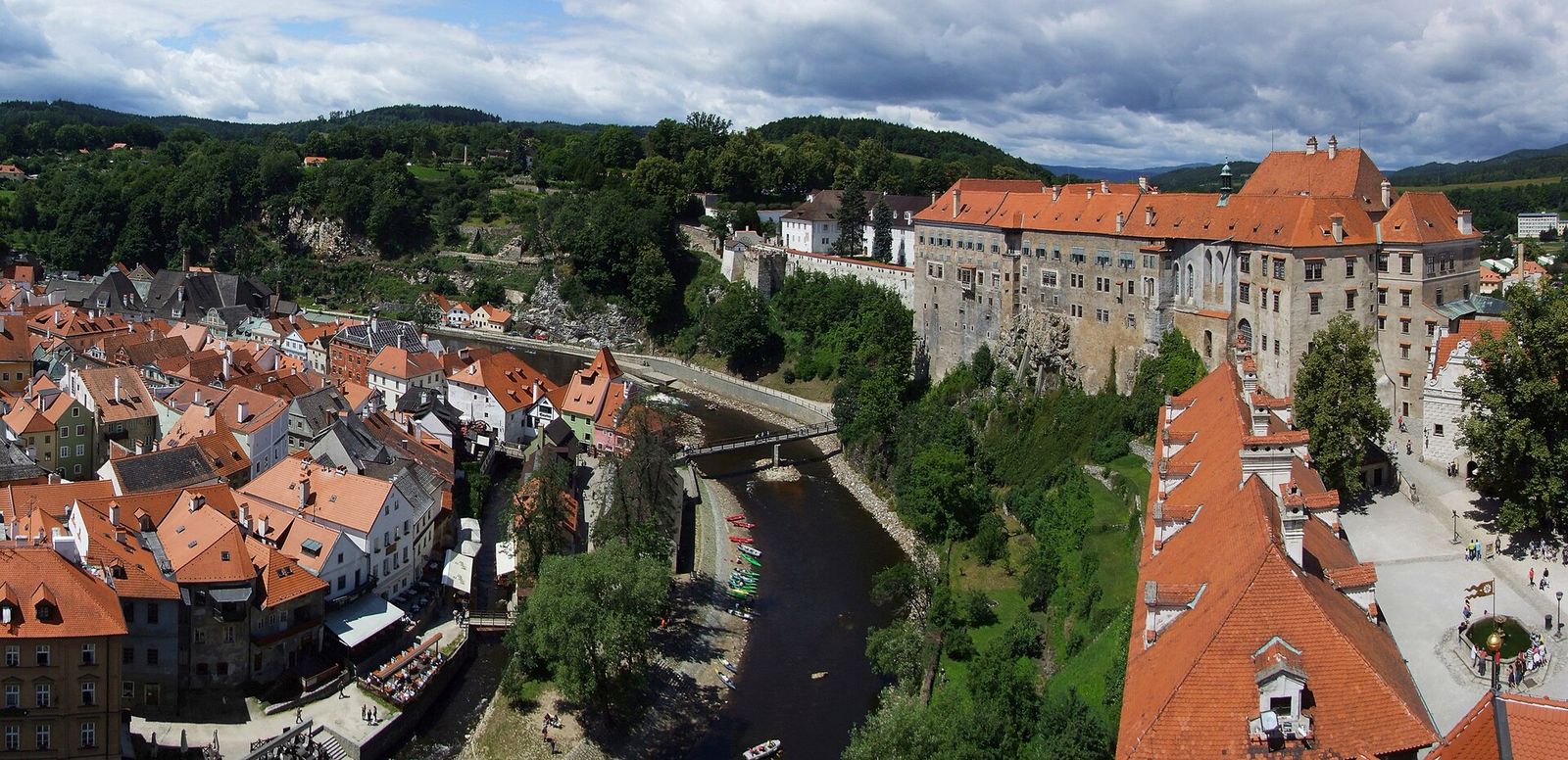
Český Krumlov Overnight-leaning — the second crowd
Strengths
- A small-town version of the Prague formula: a vast castle above a bend of the same Vltava, and a UNESCO-listed historic centre folded inside the bend
- Compact enough that the whole town is the sight — castle, old town and river in one walk
Watch out
- It sits in South Bohemia, a real journey south — as a day trip it is mostly transport with a town in the middle, at its most crowded exactly when day-trippers are there
- The town's scale is the constraint: the same lanes that make it charming set a hard limit on how many visitors it absorbs comfortably
Best for: an overnight, not a dash — arrive as the day crowds leave.
See VisitCzechia →Official siteBrno Base — Moravia's capital
Strengths
- The country's second city and Moravia's capital: a working university city rather than a resort — the board's list runs from the St James ossuary to a food and cocktail scene it happily argues for
Watch out
- CzechTourism's own framing is blunt: at roughly two and a half hours each way in its telling, Brno deserves at least one night
- Its pleasures are a city's — eating, drinking, neighbourhoods — not a monument checklist; monument-counters will underrate it
Best for: the second half of a longer trip — a Czech city that is not performing for you.
See VisitCzechia →Official siteWhere to sleep — one base, chosen well
The practical layer — how Czechia differs from a eurozone trip
Which Czechia is yours?
Decisions that actually matter
ČD, RegioJet or Leo Express — how do I choose?
Start from coverage, then conditions. Regional destination? ČD by default — the only full network. On shared corridors, compare the actual offer: RegioJet's headline is flexibility (free cancellation up to 15 minutes before departure) plus included on-board service; Leo Express sells its train and class ladder, with cancellations returning as Leo credits; ČD sells the deepest timetable. There is no permanent winner, and each company's own site holds its prices.
Is the Prague Visitor Pass worth it?
Count, don't vibe. List the included sights you will genuinely enter inside one 48, 72 or 120-hour window — castle, Old Town Hall, towers, Jewish Quarter, a tour, a cruise — and add the transport you would otherwise buy, airport included. Dense list: the pass is the honest saving. Mostly free streets and one interior a day: pay as you go.
Do I need to book Prague Castle in advance?
The circuit is sold at the castle's information centres, and the main circuit also through the online channel the official site points to — it does not demand advance planning the way a Paris museum slot does. What needs booking is the limited guided access to normally closed spaces such as the Royal Crypt and St Wenceslas Chapel, in small slots on the castle's reservation calendar. And use the two-day shape: splitting it is the castle's best queue strategy.
Do I need ETIAS for Czechia now?
Not as we checked in November 2026: ETIAS was not in operation and no applications were being collected, with the EU to announce the start date several months in advance. The EES border registration, by contrast, has been operating since October 2025. Verify both on the EU's official travel site — and never buy an "ETIAS application" from a third-party site.
Prices and terms change often — the booking site is the final word. Timetables, castle opening patterns and fare structures change by season and day; check the operator's own page for your date. Facts checked against providers' official pages, November 2026.


