
🇩🇪 Germany, planned around the pass maths
Germany runs on one of Europe's densest rail networks, with a logic that is almost the mirror image of its neighbours. In France, the high-speed ticket is a reserved seat on one named train. In Germany, an ICE ticket buys the journey — the seat is a separate, optional decision. Underneath sits a nationwide layer of regional trains and city transport that one monthly subscription, the Deutschlandticket, covers end to end — except that it stops, absolutely, at the door of every long-distance train. So a German itinerary is planned by arithmetic, not distance: which layer each leg belongs to, whether the pass maths beats point-to-point fares, and which few sights — a castle, a parliament dome — still run on fixed entry times.
The lay of the land — two networks wearing one timetable
Almost every German itinerary is built from the same split. Deutsche Bahn (DB) sells both halves in one official place — bahn.de and the DB Navigator app — but they obey different rules: long-distance trains (ICE, IC, EC) run on their own fare system, and regional and city transport (RE, RB, IRE, S-Bahn, U-Bahn, tram, bus) runs on the local system the Deutschlandticket covers.
| Layer | What it is | How booking works | Watch out |
|---|---|---|---|
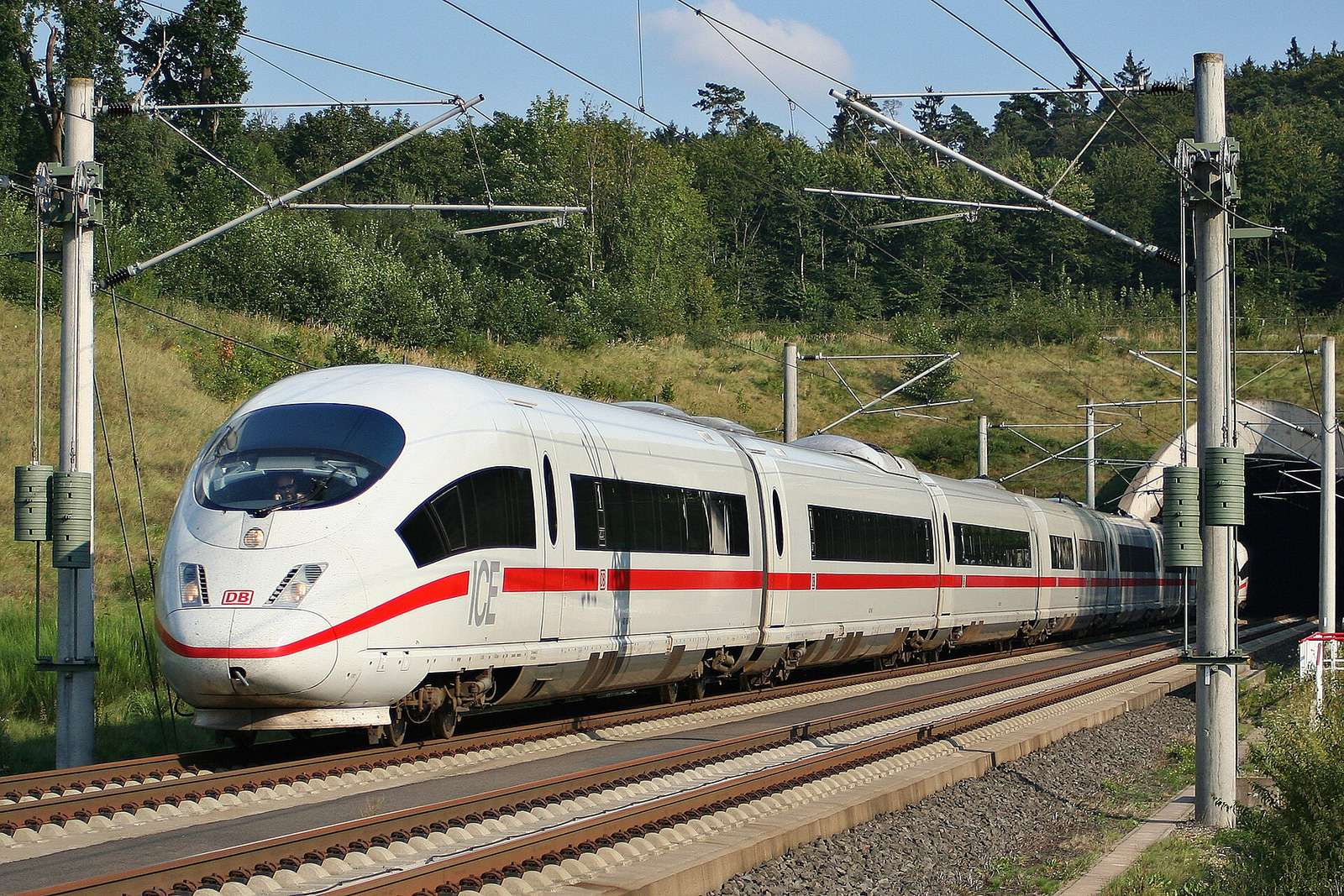
| ICE | The flagship high-speed layer between the major cities | A ticket buys the journey; a seat reservation is a separate, optional add-on | No reservation can mean no seat on a busy train — the ticket stays valid, the seat does not |
| IC / EC | InterCity within Germany, EuroCity across borders | Same fare system and channels as ICE; reservation likewise optional on most services | Slower than ICE by design — plan these legs as conventional long-distance |
| Regional — RE · RB · IRE · S-Bahn | Trains connecting a base city to the towns around it | No seat reservations; covered by the Deutschlandticket | Slower, with more stops, than the long-distance layer over the same tracks |
| Deutschlandticket | A monthly subscription covering local and regional transport nationwide | A subscription via DB and many transport companies; second class only | Not valid on ICE, IC or EC — the wrong layer means travelling without a valid ticket |
The long-distance layers — a ticket for the journey, a choice about the seat
ICE (InterCity Express) Long-distance — high-speed
Strengths
- The backbone of a German itinerary: the major cities linked centre to centre, no airport at either end
- The reservation is optional — a flexible ticket means boarding the train that suits you, not a seat booked weeks ago
- Sold alongside every other DB layer on bahn.de and in DB Navigator
Watch out
- Optional cuts both ways: without a reservation there is no promised seat, and on a full train unreserved seats go first — if where you sit matters, reserve it separately
- A seat taken unreserved belongs to whoever reserved it; expect to move if they board
- Fares move with demand like air fares; the booking page holds the number for your date
Best for: the long jumps between bases — Berlin to Munich, Hamburg to Cologne.
IC & EC (InterCity & EuroCity) Long-distance — classic lines & borders
Strengths
- Reaches the mid-size cities and classic lines the high-speed network skips — for many towns, this is the long-distance train
- EC services are the cross-border form of the same layer, with the same fares and optional-reservation logic as ICE
Watch out
- Journey times are conventional-line times — do not plan an IC leg with ICE expectations
- Some international services carry their own reservation rules; "optional" is a domestic logic, so read your train's conditions
The fare layers — what you are actually choosing
Sparpreis, Super Sparpreis & Flexpreis Long-distance fares — bound vs flexible
Strengths
- The advance-purchase layers: bookable up to twelve months ahead, subject to the June and December timetable changeovers
- Regional legs in the same booking are not tied to a specific train — only the long-distance leg is
- A City-Ticket add-on can extend the fare onto city transport at either end, where your connection qualifies
- At the other end sits Flexpreis, the flexible layer — in first class it carries the seat reservation with it, the one case where ticket and seat arrive as one product
Watch out
- Train-bound means train-bound: a saver ticket is valid on the service printed on it, and Super Sparpreis cannot be exchanged or cancelled — a missed train is a new ticket
- Conditions differ layer by layer — read the exact terms of the fare in front of you
- Flexibility is priced like what it is: outside the first-class case, even the flexible fare leaves the seat reservation as a separate decision
Best for: saver layers for fixed dates; Flexpreis when the return leg is undecided.
DB Navigator The official channel — app
Strengths
- DB's own app covers the whole system in one search: long-distance, regional, S-Bahn, U-Bahn, tram and bus, tickets held in the app
- The live layer is the point: real-time information, platform details, your train's coach sequence and a demand indicator on many services
Watch out
- It is the official channel, not a discount channel — the same fares are on bahn.de
Rail passes (Eurail) Pass — read the structure first
Strengths
- The official pass conditions state that reservations are not compulsory on most German trains, so a pass here behaves like the flexible ticket it promises to be
- One pass across many trains and borders — the natural shape for a multi-country trip that includes Germany
Watch out
- Night trains are the exception: reservations there are mandatory, on top of the pass
- We do not summarise pass prices or terms we have not verified for the current season — the official terms are the comparison
The Deutschlandticket — the pass maths that plans the trip
One product matters in Germany the way the Paris Museum Pass matters in Paris: the Deutschlandticket, a monthly subscription for local and regional transport nationwide. Its structure is precise — regional trains (RB, RE, S-Bahn) plus participating buses, trams and underground networks, any number of journeys, bought as a subscription, second class only, personal to the holder. A ticket bought in Munich works in Frankfurt. What it never covers is the long-distance layer: no ICE, no IC, no EC. Whether it pays is not a slogan but a sum — and the sum depends on how much of your trip lives below the long-distance line.
We put no monthly figure on this page: the price is set politically, has changed before, and was under a further announced change as we checked — the official page above holds the current figure.
Four bases — and the shape of the country between them
Germany's tourism board builds its city story around four metropolises of over a million people — Berlin, Hamburg, Munich and Cologne — each a major rail hub, each a different Germany. Cologne, the Rhine base, is the fourth — its cathedral rises beside the main station, anchoring the river corridor. Add the timed castle in Bavaria, covered below, and these bases carry most first trips.
Berlin Base — the capital
Strengths
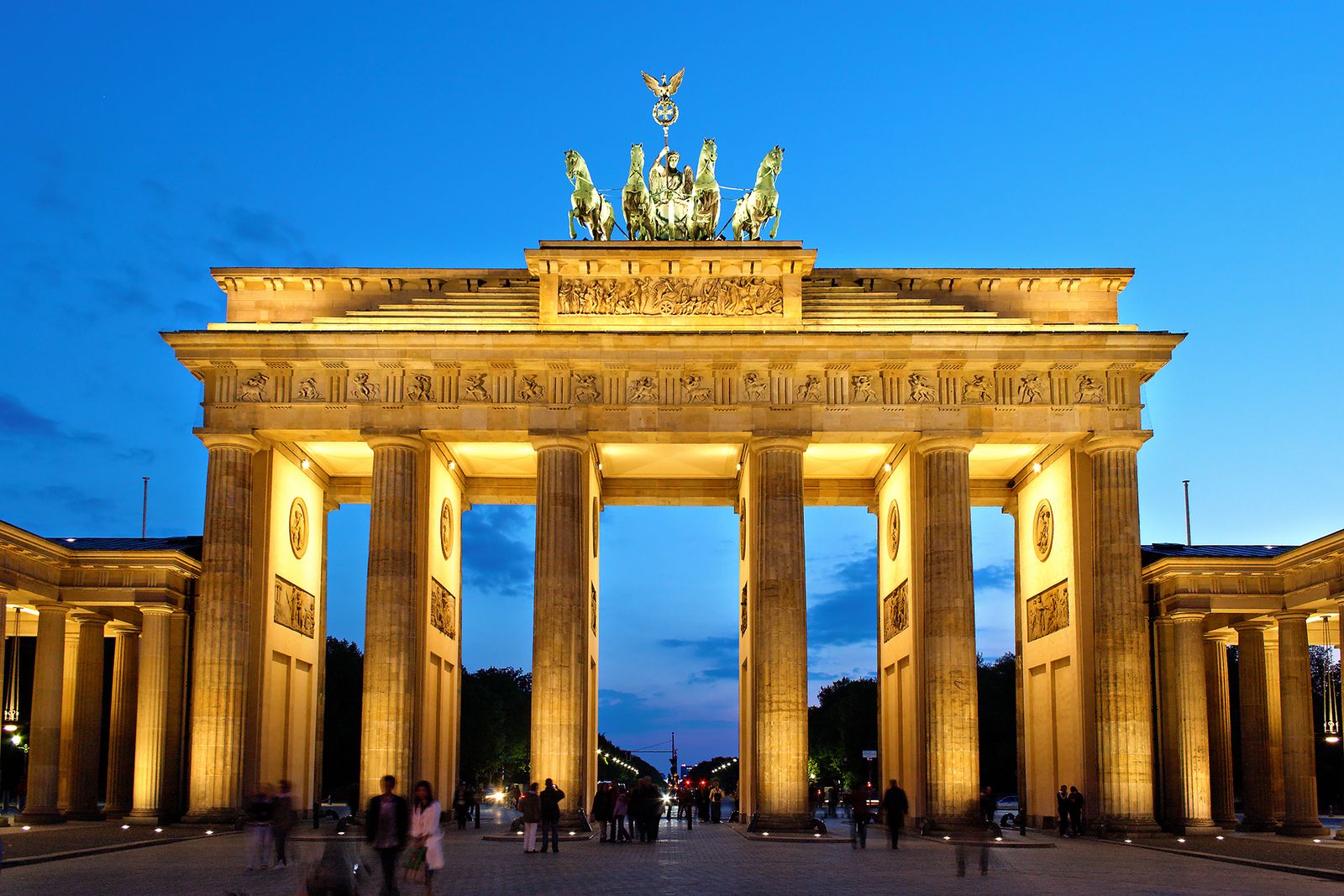
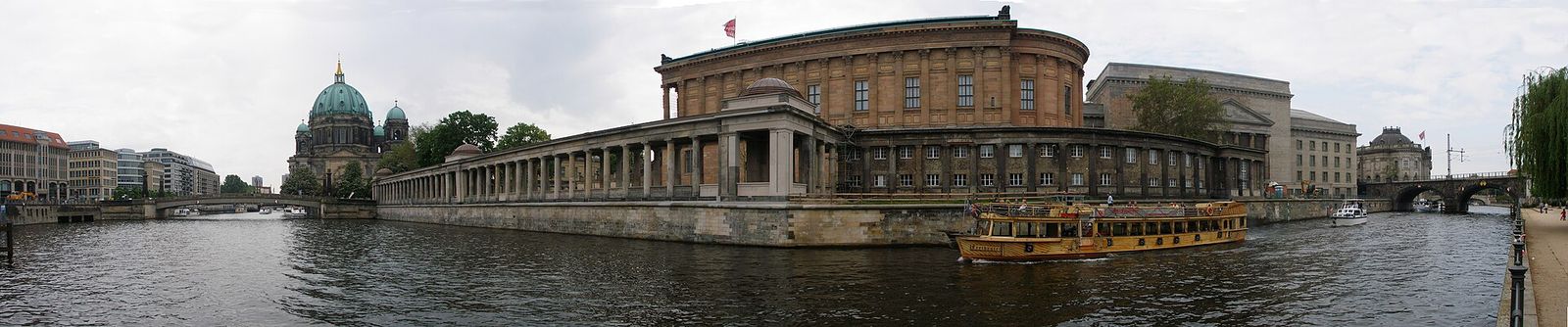
- The capital and largest city: Reichstag dome, Brandenburg Gate and Museum Island anchor a city where division and reunification are still legible in the streets
- The tourism board calls it the capital of creativity too — the first German city in UNESCO's Creative Cities Network
Watch out
- Berlin sprawls: sights sit in clusters across a wide city, so the transport layer plans the day as much as the sight list does
- Its most famous free sight, the Reichstag dome, is free but not walk-up — it runs on advance registration, covered below
Best for: the history-and-museums trip, and the eastern anchor of a cross-country route.
See Germany.travel →Official site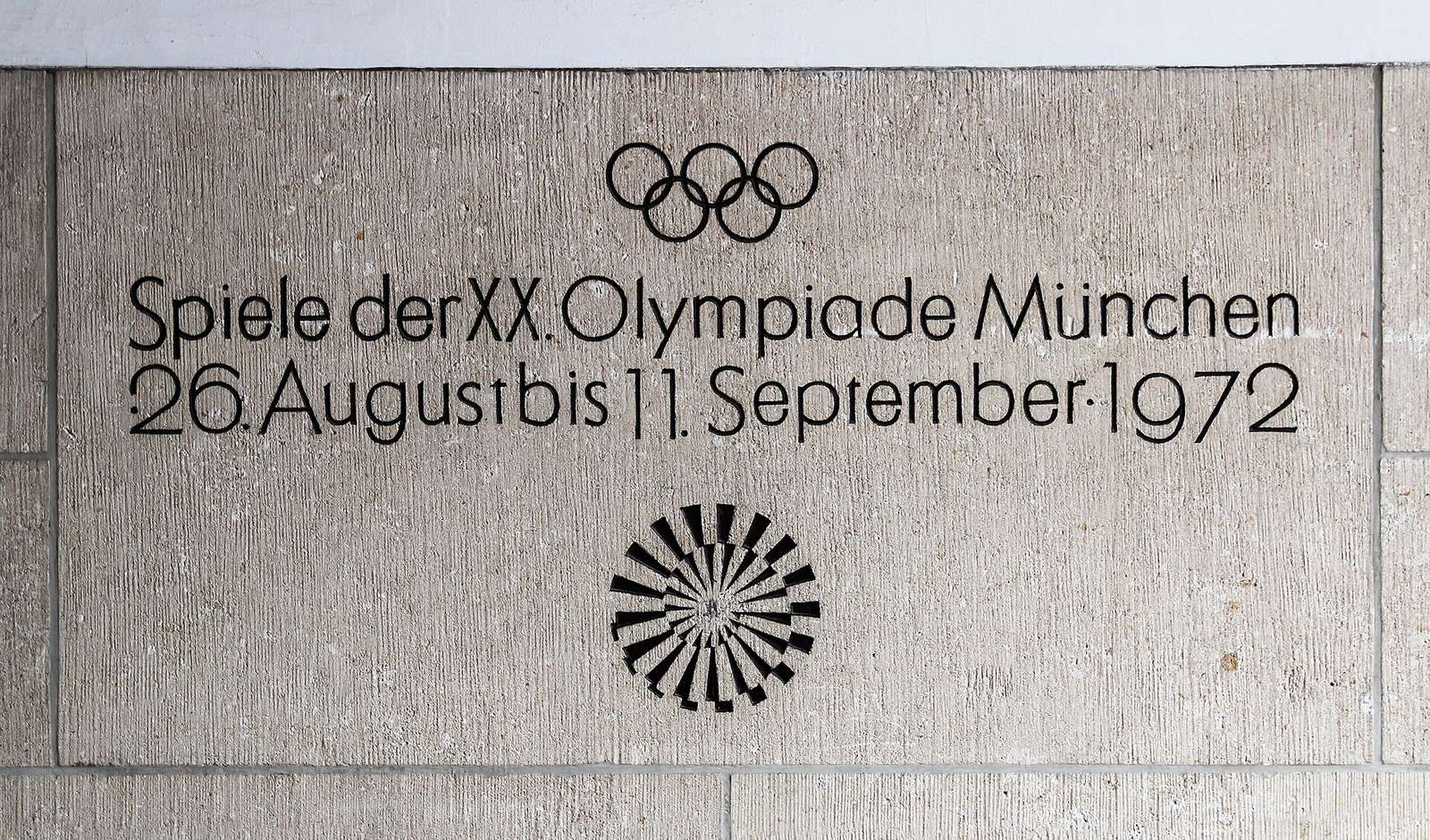
Munich Base — Bavaria & the Alps gateway
Strengths
- The Bavarian capital: Marienplatz, the Pinakothek galleries, the Residenz and Nymphenburg, and the Deutsches Museum — billed by the tourism board as the largest technology museum in the world
- The gateway base for Bavaria: the Alps and lakes sit in regional-train reach, and Neuschwanstein is planned from here
Watch out
- Oktoberfest — the world's largest folk festival, in the tourism board's own words — bends the city's availability around its dates; check the official calendar before fixing yours
- Munich rewards being a base, not a stopover: the day trips each need their own day
Best for: the Bavaria trip — palaces and galleries in the city, mountains and castles out of it.
See Germany.travel →Official site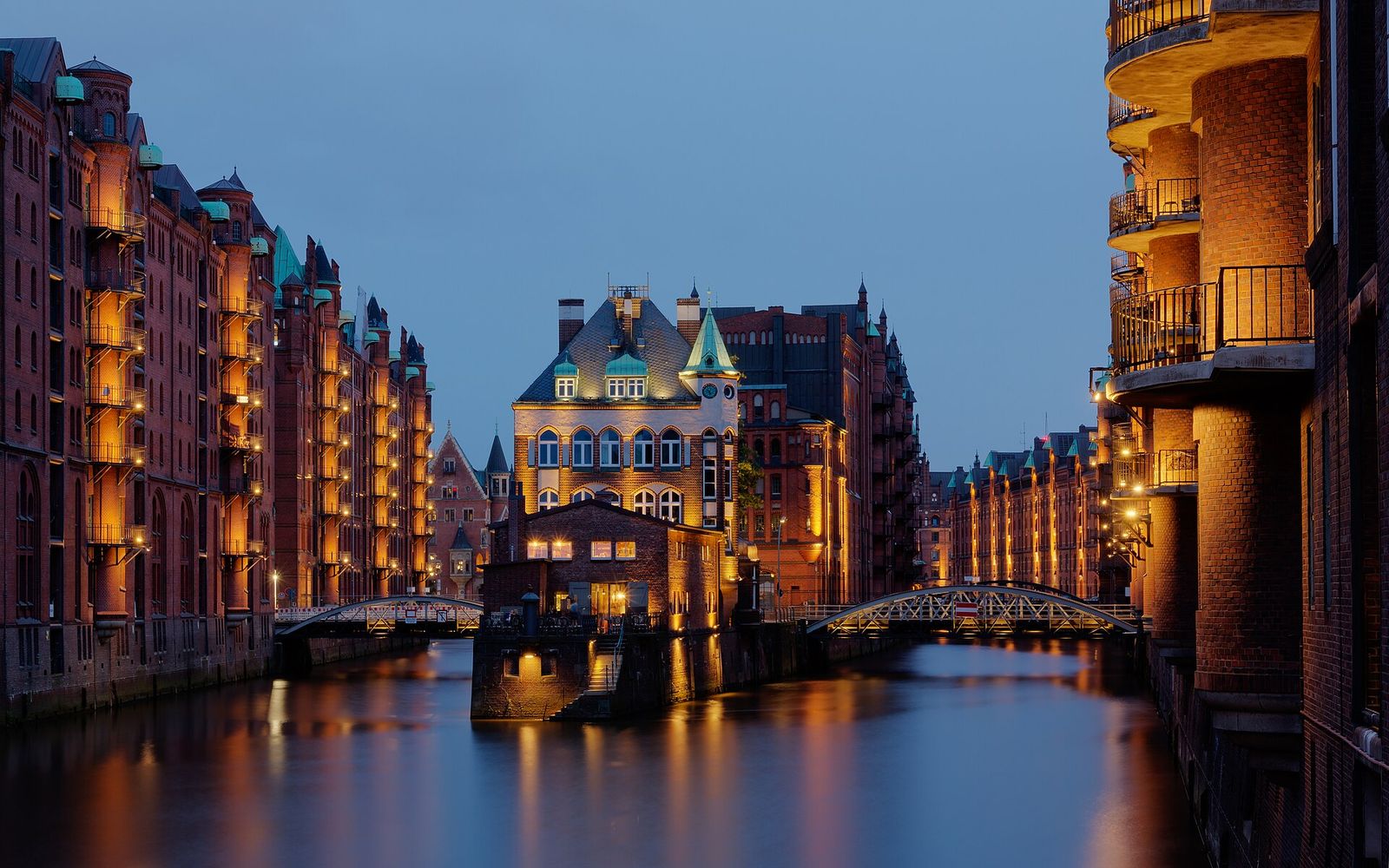
Hamburg Base — the harbour city
Strengths
- A city built on water: the Elbe and Alster, the harbour landings, and the Speicherstadt warehouse district — a UNESCO World Heritage site — beside the HafenCity and its Elbphilharmonie
- Miniatur Wunderland, the world's largest model railway in the tourism board's description, sits inside the Speicherstadt
Watch out
- A working port city with a party district attached — the Reeperbahn is part of the official pitch, and of judging whether a neighbourhood suits you
Best for: the north — harbour atmosphere and warehouse brick, on the way to or from Berlin.
See Germany.travel →Official siteThe timed doors — Neuschwanstein and the Reichstag dome
Germany's default is walk-up flexibility. Which makes its two most famous exceptions worth planning around: the castle that admits visitors only on a guided tour at a fixed time, and the parliament dome that admits them only by name, in advance.
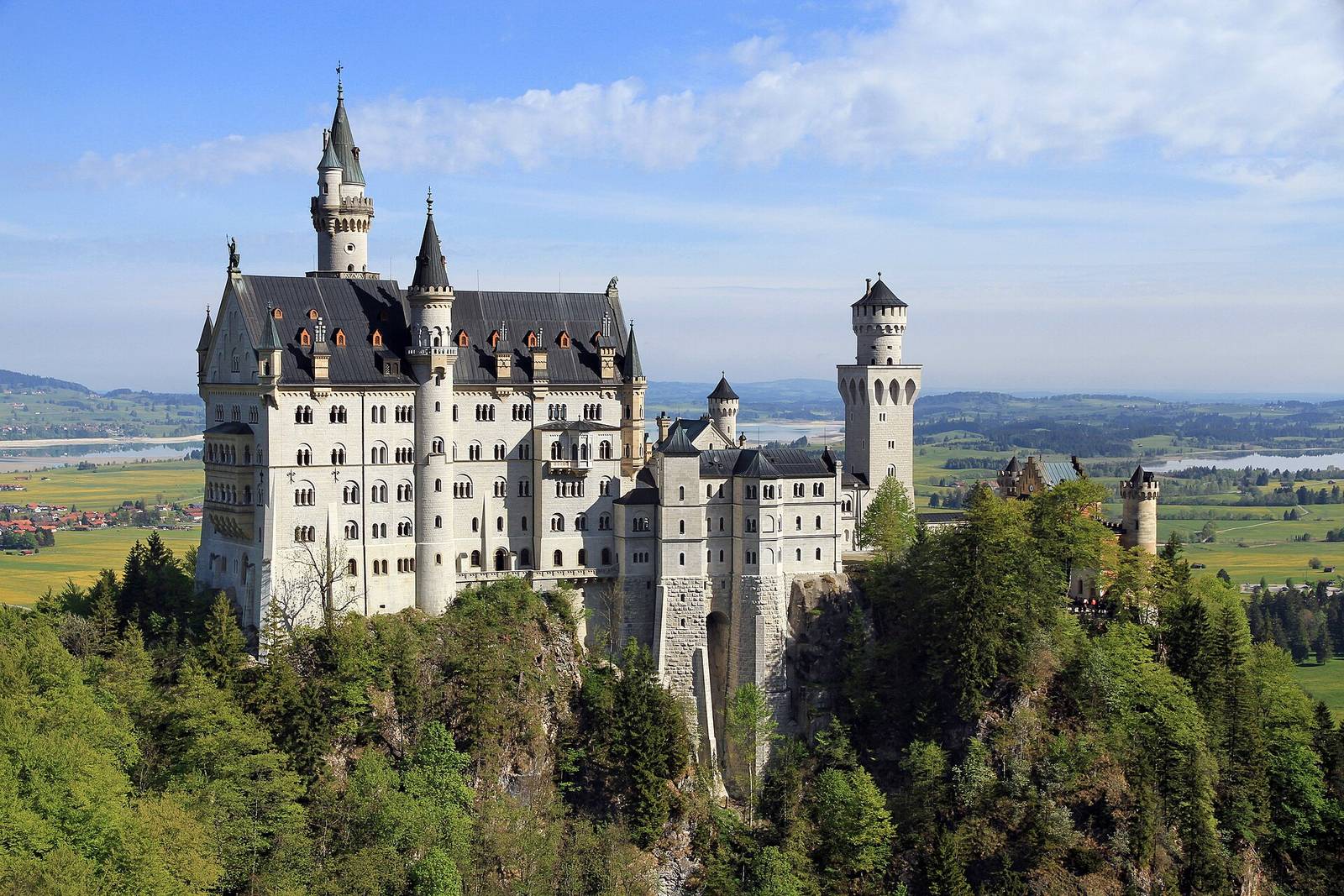
Neuschwanstein Castle Timed sight — guided tour only
Strengths
- The Bavarian Palace Administration states that a visit is only possible as part of a guided tour, sold online and through the official ticket centre in Hohenschwangau below the castle
- Tours run in German and English, with audio guides in further languages, at fixed times with limited capacity
- The exterior needs no ticket: the gorge and the Marienbrücke viewpoint carry much of the visit before the tour
Watch out
- Remaining tickets are sold on site for the same day only, subject to availability — in season, the online allocation is the visit, and the walk-up queue is the gamble
- The fixed time is fixed: a tour ticket is a moment, not a day pass
- Inside, photography is not permitted even for private purposes, and bulky bags cannot be taken in
Best for: a planned day out of Munich or Füssen — booked first, the day built around the tour time.
See the official Ticket Center →Official siteReichstag Dome, Berlin Timed sight — registration, not tickets
Strengths
- Admission is free — the barrier is administrative, not financial: prior registration with the Bundestag's Visitors' Service, participants' names supplied
- The view: over the parliamentary district and the sights of Berlin, from inside a working parliament
Watch out
- Registration is genuinely required — telephone registration is not possible, and a request without the complete list of participants cannot be processed
- The fallback is narrow: the service centre in front of the building registers unbooked visitors only if places remain, and at least two hours before the visit
Guided tours and day trips to the same sights are a different product from the official tickets above — including Munich-to-Neuschwanstein days — and the castle's timed-entry rules apply however you arrive.
Browse Germany tours →Affiliate link — you pay the sameWhere to sleep — bases, not just cities
The practical layer — how Germany differs from a US trip
Which Germany is yours?
Decisions that actually matter
Do I need to reserve a seat on an ICE train?
On domestic German services, no — reservations are not compulsory on most German trains, and your ticket is valid without one. The honest question is whether you want a promised seat: on a busy service, unreserved passengers take unclaimed seats, and a reserved seat's holder can ask you to move. Reserve the legs where sitting matters — first-class flexible fares include the reservation; other fares add it separately.
Deutschlandticket or point-to-point tickets — how do I choose?
Sort your journeys by layer. Everything regional and local, inside one calendar month, is the Deutschlandticket's territory; every ICE, IC or EC leg needs its own ticket. If the regional side is long — daily city transport, several RE day trips — the subscription usually earns its place. If the trip is two or three long-distance jumps with light city days between, point-to-point tickets are cleaner. And never split a tight connection across the two systems: DB's conditions leave that seam unprotected.
Sparpreis or Flexpreis — how do I choose?
Start from how fixed the plan is. The saver layers are cheaper in structure because they bind you to the train printed on the ticket — Super Sparpreis cannot be exchanged or cancelled at all. The flexible layer costs more because it buys you out of that binding. Compare both for your train on bahn.de — that screen holds the prices.
Is a rail pass worth it for Germany alone?
Germany is where a pass behaves best: because reservations are not compulsory on most trains, a pass day can be spent spontaneously in a way reservation-heavy networks do not allow. It earns its consideration when your trip strings many long-distance days together or crosses borders; a two-base trip on fixed saver fares is the shape it struggles to beat.
Can I do Germany without a car?
For the trip on this page, yes — that is what the two networks are for, and the bases are all major rail hubs. The honest exception is the deep countryside between regional stations, where the last stretch is the weak link: judge it leg by leg, with a regional bus or a single organised day tour.
Prices and terms change often — the booking site is the final word. Timetables, Deutschlandticket terms and the timed sights' rules change by season and year; check the operator's own page for your date. Facts checked against providers' official pages, November 2026.


