
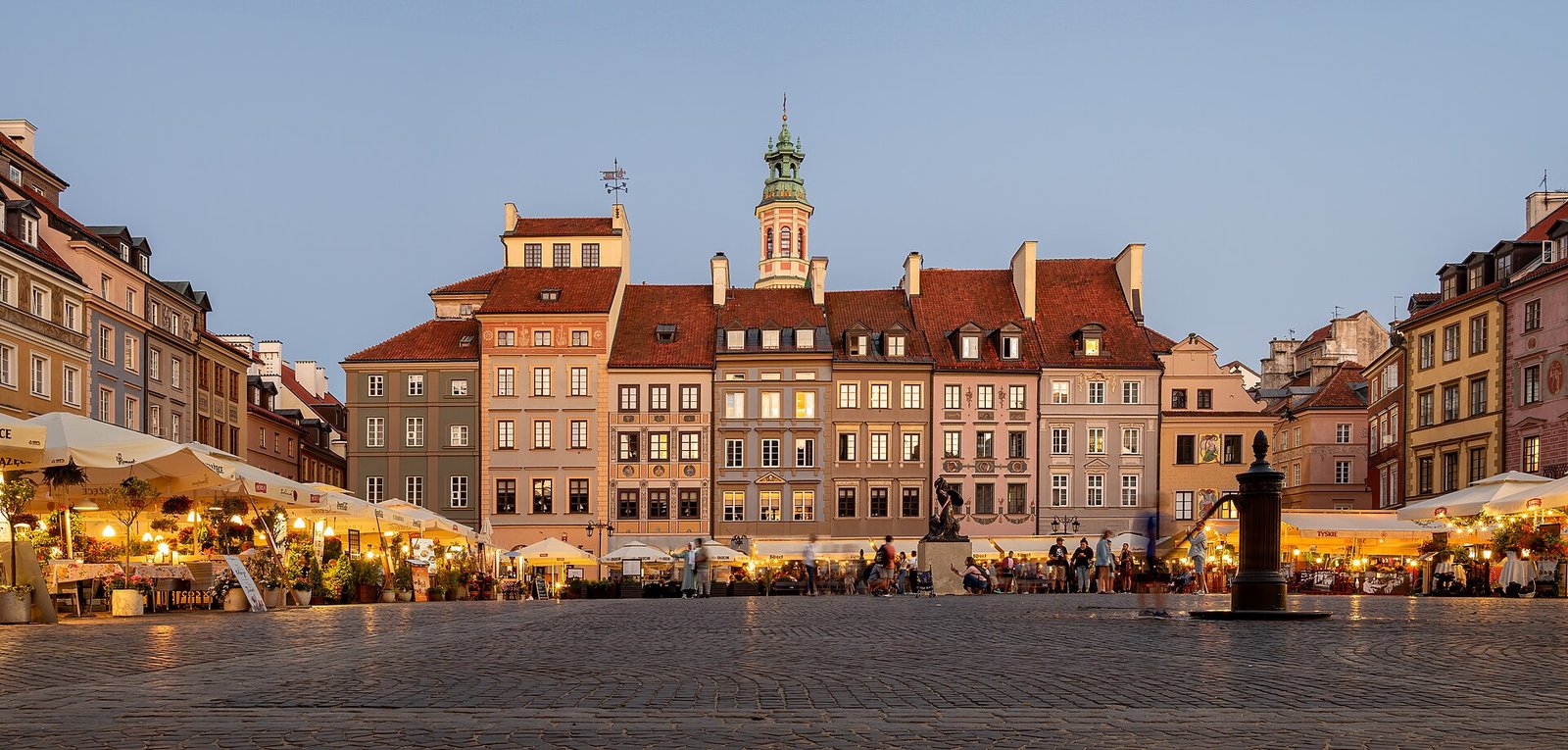
🇵🇱 Poland, planned base by base
Most countries on this site have a centre of gravity. Poland has three, and they do not resemble each other. Warsaw is the capital — a rebuilt Old Town the national tourist board introduces through its UNESCO listing, and the country's air and rail hub. Kraków, in the south, is the former royal capital: Wawel, the great market square, and the two heaviest day trips in the country, Wieliczka and Auschwitz-Birkenau, planned from its station. Gdańsk, on the Baltic, is the port — Hanseatic streets, the shipyard story, and two of Europe's most serious history museums. So a Polish trip is planned around moving between bases, and the machine that moves you is one railway, PKP Intercity, whose four categories and seat-reservation rules decide how smooth that moving is. Poland prices in złoty (PLN), not euros.
The lay of the land — three bases, three different Polands
In Czechia, one capital carries the country. In Poland, the sights are spread, and each base answers a different question: what a capital rebuilt from rubble looks like, what the older royal Poland was, and what the sea and the twentieth century did to a port city. The table is the map; the cards carry the detail — including the cons.
| Base | Its Poland | What plans the stay | Watch out |
|---|---|---|---|
| Warsaw | The capital — UNESCO-listed rebuilt Old Town, the national museums, the country's main air and rail hub | Arrival and departure logistics: where most trips enter and leave Poland | Treating it as a transit stop wastes the one base that explains how Poland rebuilt itself |
| Kraków | The royal south — Wawel, the Main Market Square, Kazimierz, and the railhead for Wieliczka and Oświęcim | Reservations: Wawel exhibitions, the salt mine's routes and, above all, the Memorial's entry passes are booked before the Old Town is walked | The day trips are the schedule, not an add-on — an unbooked Auschwitz day is usually a lost one |
| Gdańsk | The Baltic port — Long Market and the Main Town, the shipyard, Westerplatte, and the museums of war and Solidarity | Two heavyweight museums that each deserve their own half of a day | It is the far end of the country from Kraków: the north–south move is a travel day to plan, not a hop |
Moving between bases — one railway, four categories
Long-distance Poland runs on one operator, PKP Intercity, and the category printed on your departure is the product you are buying. The four categories differ less in branding than in one practical question: how the seat reservation works. On the premium layer it is compulsory; further down it is recommended, or compulsory only on marked trains. And a detail that matters for pass holders: an ordinary single ticket is always sold with a seat reservation included — only pass travel adds the reservation separately. Sales windows differ by category too, so one leg of a trip can be bookable while another is not yet on sale.
| Category | What it is | Seat reservation | Sales open |
|---|---|---|---|
| EIP | Express InterCity Premium — the Pendolino layer, the flagship trains on the main inter-base axes, Warsaw to Kraków and Warsaw to Gdańsk among them | Always mandatory | Up to ninety days ahead |
| EIC | Express InterCity — the express layer between major cities and popular destinations | Recommended | Up to ninety days ahead |
| IC | InterCity — the wide network layer reaching beyond the flagship corridors | Mandatory on selected trains, marked in the timetable; recommended on the rest | Up to thirty days ahead |
| TLK | Twoje Linie Kolejowe — the remaining long-distance layer, including night services with couchette and sleeper cars | Recommended for seats; always mandatory in sleeper and couchette cars | Up to thirty days ahead |
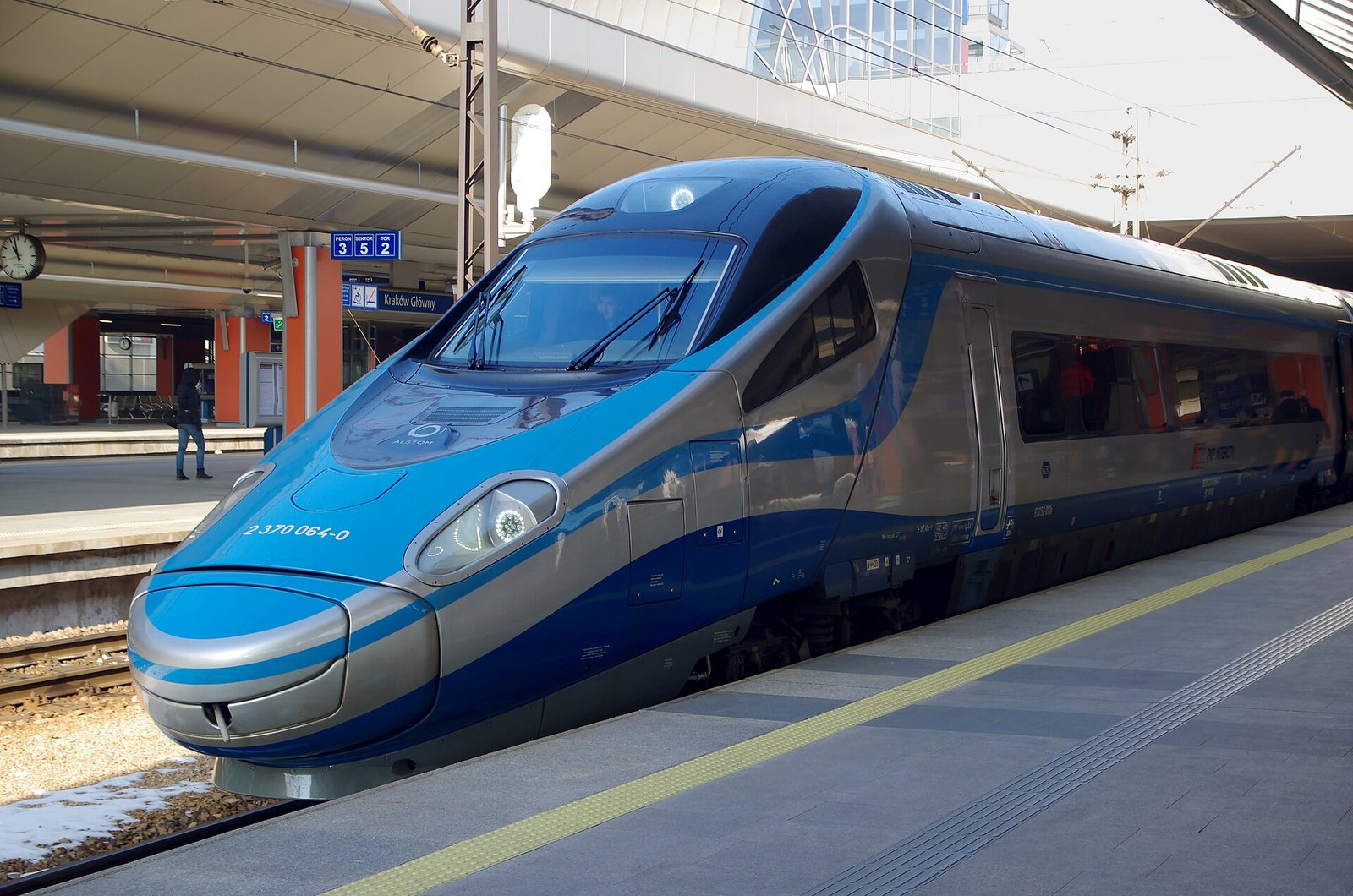
PKP Intercity State long-distance railway — one shop, four layers
Strengths
- One official shop for the whole inter-base map: the same site and app sell EIP, EIC, IC and TLK, and a normal ticket always arrives with its seat reservation already in it
- You can accept an automatically assigned seat, choose from the seating plan, or state a preference — the reservation is part of the booking flow, not an afterthought
- The category system is honest signalling: EIP on the departure board tells you the premium layer and a compulsory reservation before you pay
Watch out
- The categories are not interchangeable: a ticket is for a specific train, and the reservation rules of that train's category travel with it — on EIP, boarding without the mandatory reservation is not a grey area
- Sales windows split by category — EIP and EIC open up to ninety days ahead, IC and TLK only up to thirty — so a mixed itinerary cannot always be bought in one sitting
- Regional trains are a different world run by other operators, where seat reservations are generally not available at all; the Intercity logic does not extend to them
Best for: every base-to-base move on this page — Warsaw to Kraków, Warsaw to Gdańsk, Kraków onward south.
The three bases — each one a different trip
None of these bases is a day trip from another in any honest plan. Each deserves its own nights, and most routes take the order of the country itself: in through Warsaw, south to Kraków, north to the sea — or the reverse, ending in the capital.
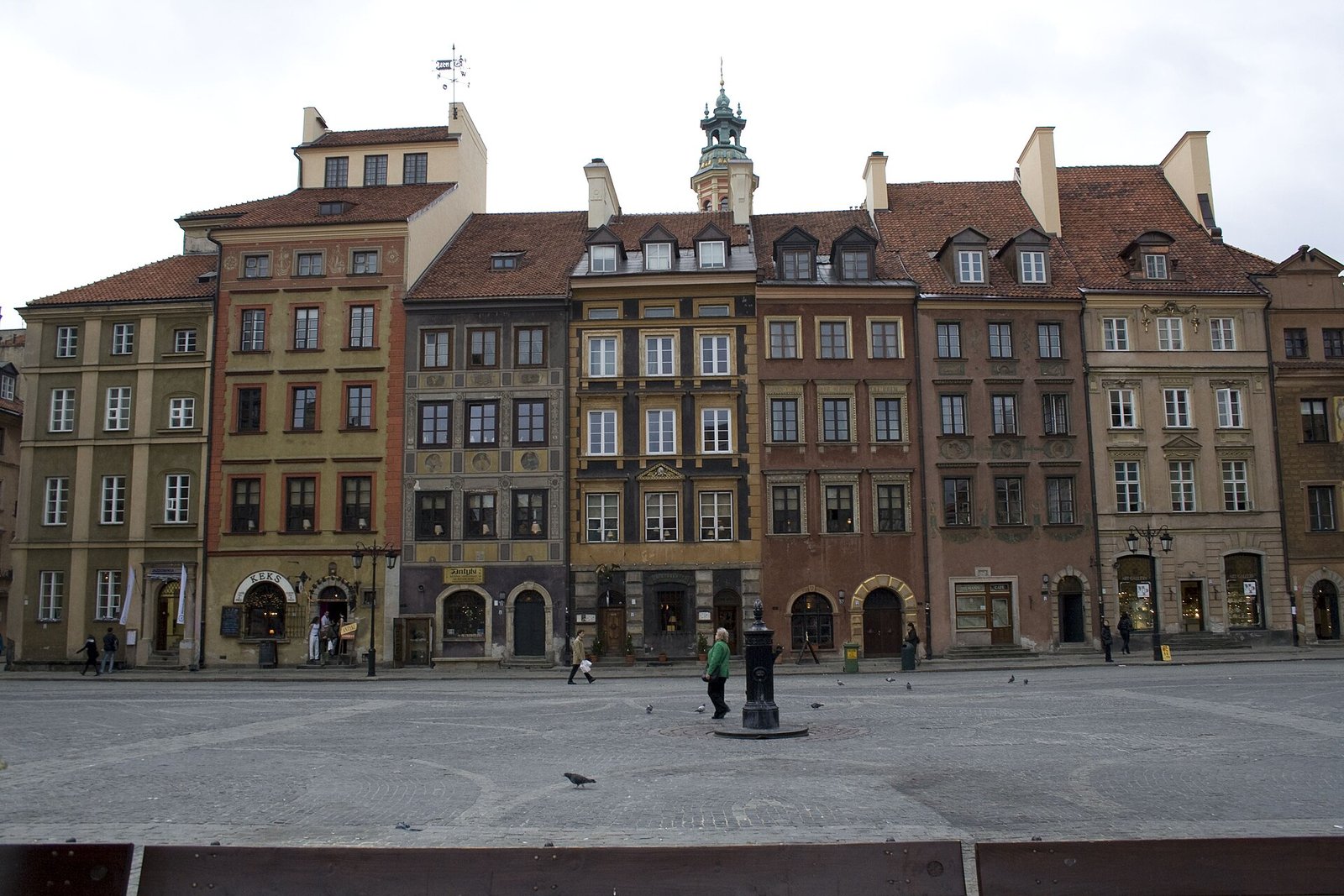
Warsaw Base — the capital & the hub
Strengths
- The story no other Polish city can tell: an Old Town destroyed in the war and rebuilt, which the tourist board presents through its UNESCO listing — the reconstruction itself is the sight
- The country's natural front door: its main airport has its own underground rail station, and its central stations are where the inter-base trains begin
- Depth beyond the Old Town: the Royal Route, Łazienki, and the big national museums give the capital days of its own
Watch out
- Warsaw is a working capital spread along a river, not a compact old town — sights sit in districts, and the day is planned by neighbourhood
- It has more than one airport name in booking systems and more than one main station; check which airport and which station your ticket actually names before you plan the transfer
Best for: the entry and exit base — and the Poland of capitals, museums and reconstruction.
See Poland Travel →Official site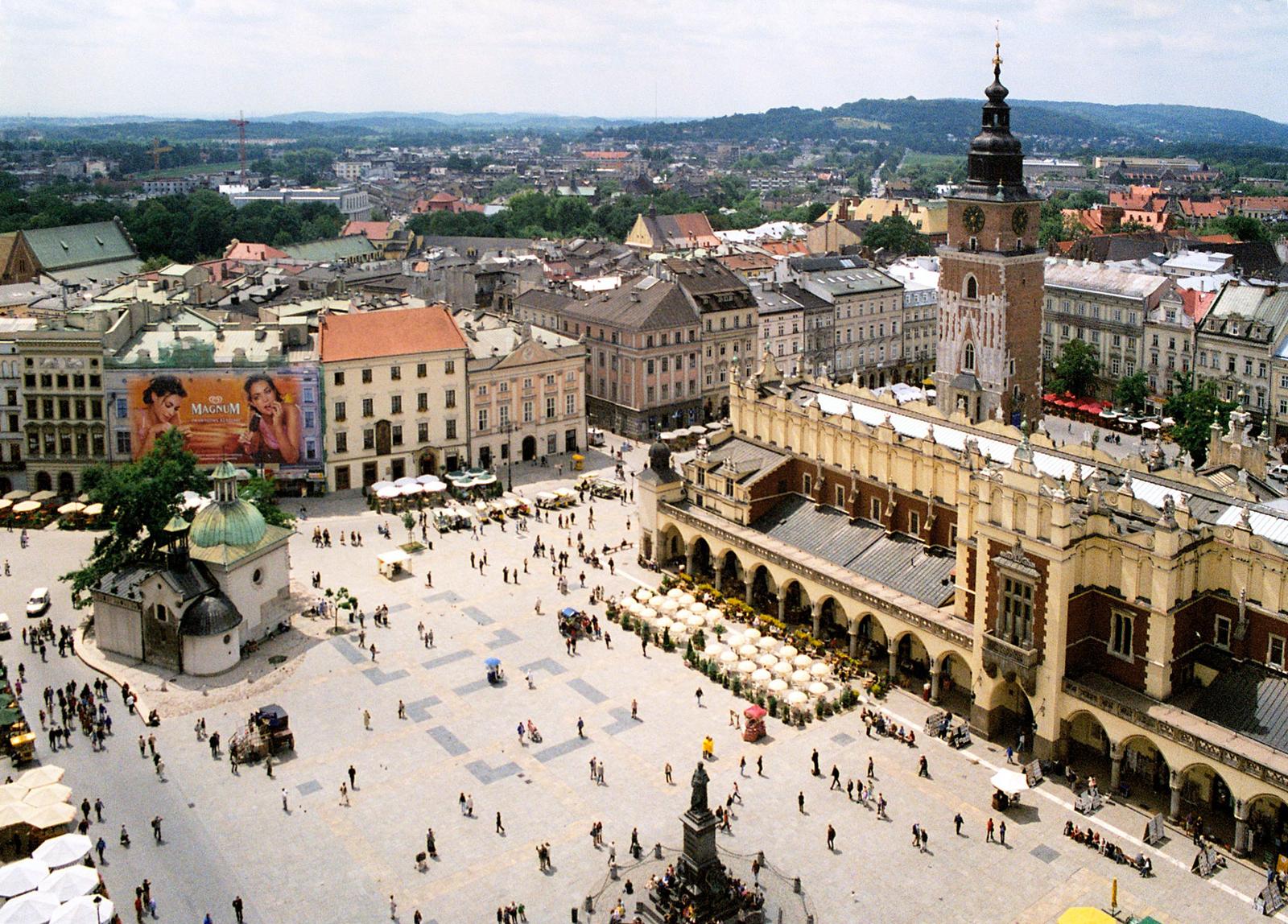
Kraków Base — the royal south & the reservation capital
Strengths
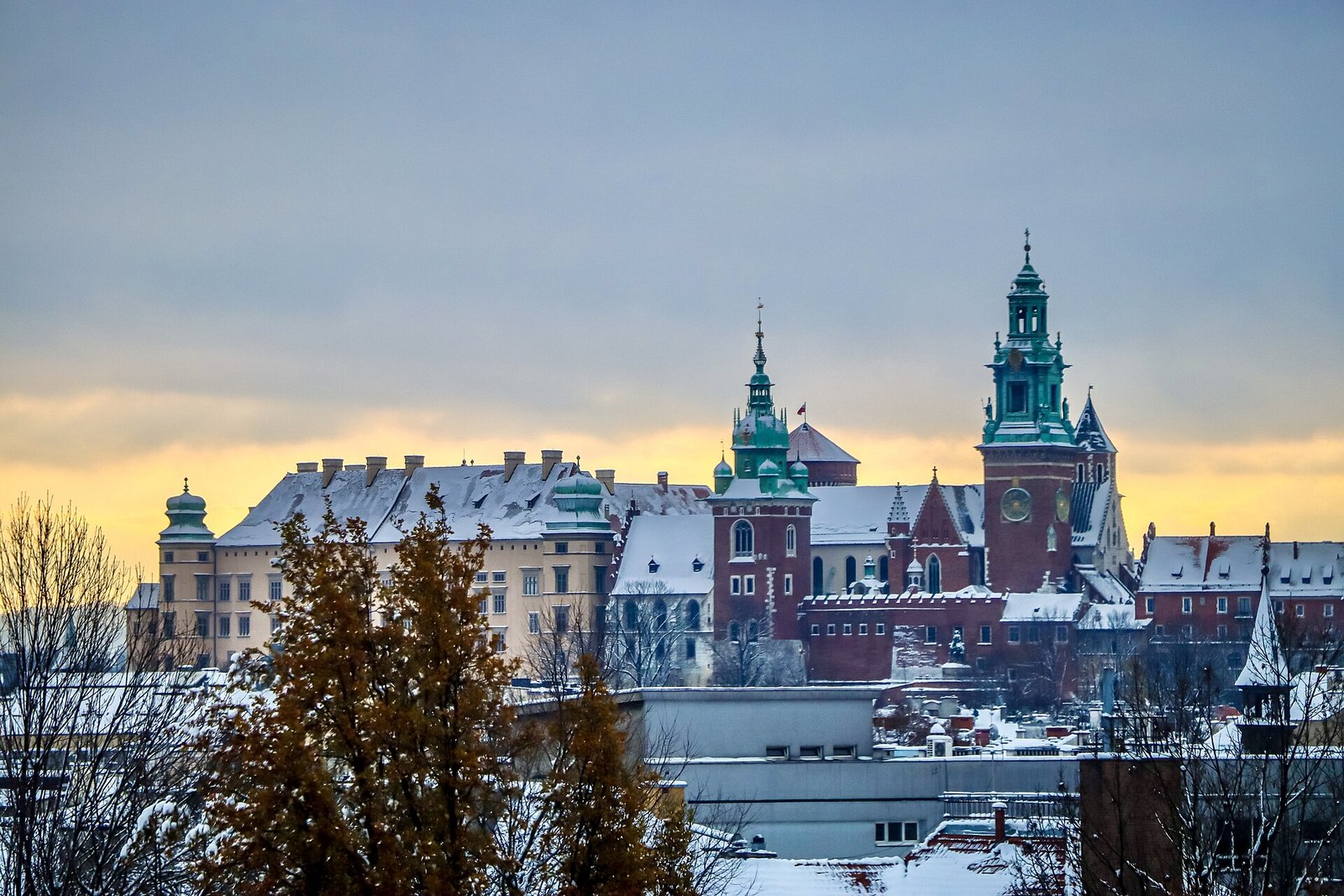
- The most concentrated historic core in the country: the Main Market Square and Cloth Hall, Wawel above the river, and Kazimierz across the old town, all walkable from one base
- The tourist board frames its region as holding some of Poland's most visited sites — the city is built for the role of main base
- Its station is a genuine railhead: the airport line runs through the main station and continues to Wieliczka, and the Memorial at Oświęcim is planned from here
Watch out
- Kraków is where Poland's booking rules bite hardest: Wawel's exhibitions, the salt mine's timed routes and the Memorial's passes are all finite, and all reward booking before arrival
- The Old Town's popularity concentrates in the same square and the same streets — early starts are the local answer, there is no secret uncrowded midday
Best for: the centre of most first trips — the base the reservations are planned around.
See Poland Travel →Official site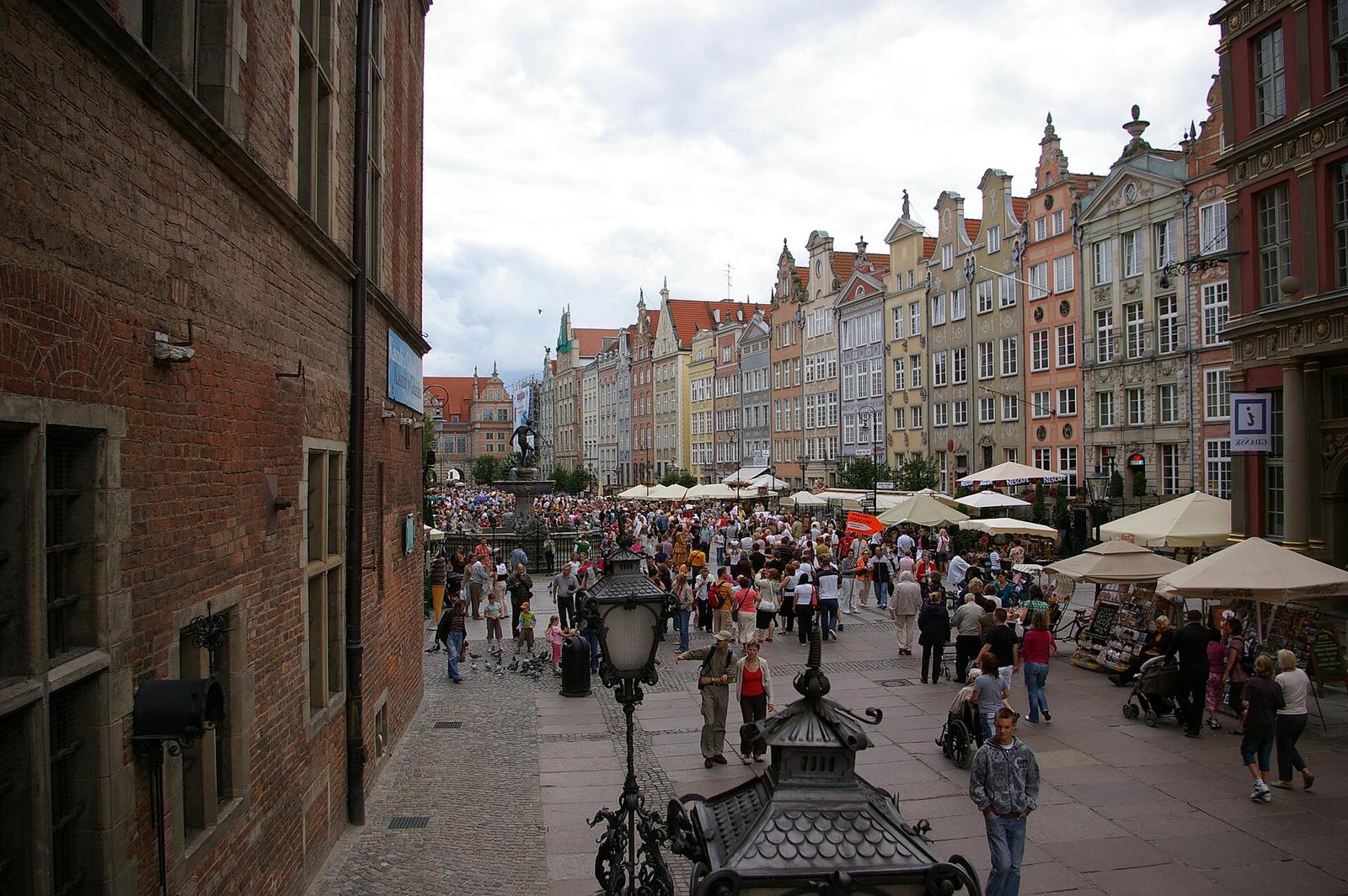
Gdańsk Base — the Baltic port
Strengths
- A third, distinct Poland: the merchant houses of Long Market and the Main Town, the Motława waterfront and the great crane — a Hanseatic port, not a royal capital
- The twentieth century told in one city: Westerplatte, where the war began; the Museum of the Second World War; and the shipyard story of Solidarity
- The centre of a coastal trio — Sopot and Gdynia ride on the same local rail spine, so the base stretches along the bay
Watch out
- Distance is the honest cost: Gdańsk sits at the opposite end of the country from Kraków, and moving between them is a leg to schedule, not a connection to improvise
- Its two big museums are heavy, in content and in hours — stacking both into one rushed day serves neither
Best for: the history-and-sea trip, and the natural end (or start) of a north–south route.
See Poland Travel →Official siteKraków's anchors — the sights that must be booked, not found
Kraków rewards the traveller who books before arrival more than any other base on this page. Its three anchors run on three different reservation logics, and confusing them is the classic Kraków mistake.
Organised day tours from Kraków that include transport are a different product from the Memorial's own entry passes — the passes themselves exist only in the Memorial's system above. If a tour listing cannot tell you exactly how the entry pass is secured, that is the answer. Tour platforms sell the transport-and-guide layer; judge those listings on our tours comparison logic, and never let one substitute for the official reservation.
Browse Poland tours on Viator →Affiliate link — you pay the same Browse on GetYourGuide →Affiliate link — you pay the sameGdańsk's anchors — two museums, one castle, no rushing
Arriving — three airports, three different first hours
A pre-booked transfer earns its place at the far ends of the day — a late arrival into Gdańsk, or a group landing together in Warsaw. For a standard daytime arrival, the official structures above are the honest default.
Where to sleep — bases, not just cities
The practical layer — how Poland differs from a eurozone trip
Which Poland is yours?
Decisions that actually matter
EIP, EIC, IC or TLK — how do I choose?
Start from the reservation, not the badge. EIP is the premium Pendolino layer and its seat reservation is always mandatory — book it as you would a flight, for a specific train. EIC and TLK ask only for a recommended reservation, and IC sits between: mandatory on the trains the timetable marks, recommended elsewhere. And on every category, a normal single ticket already includes its reservation — only pass travel adds the step.
Do I need a rail pass for Poland?
For a two- or three-base trip, point-to-point PKP Intercity tickets are the clean default. A pass earns its consideration when Poland is one country on a longer rail route — and then read the Polish rule first: the pass does not carry the seat, reservations are a separate purchase through the railway's own system, and on EIP they are compulsory. We make no claim about pass prices; Eurail's own terms are the comparison.
Can I just turn up at Auschwitz-Birkenau?
No — and this is the Memorial's own rule, not our caution. Entry is only with a personalised pass, passes are limited, reservations are made only online in the Memorial's own system, and no entry cards are available at the entrance. Admission itself is free; what you reserve is the right to enter at all, and, if you choose one, the guided tour with a Memorial educator. Book it before the rest of the Kraków stay, and arrive at least half an hour early for security.
Is Wawel one ticket?
It is several. The castle sells its exhibitions individually, through its own ticket offices, booking office and official online shop, subject to availability — and it disowns tickets bought through intermediaries. Decide which exhibitions you actually want, buy those, and treat the grounds and the hill as the unhurried part of the visit around them.
Do I need ETIAS for Poland now?
Not as we checked in November 2026: ETIAS was not in operation and no applications were being collected, with the EU to announce the start date several months in advance. The EES border registration, by contrast, has been operating since October 2025. Verify both on the EU's official travel site — and never buy an "ETIAS application" from a third-party site.
Prices and terms change often — the booking site is the final word. Timetables, reservation windows and museum ticket allocations change by season and by day; check the operator's own page for your date. Facts on this page checked against providers' official pages, November 2026.


