
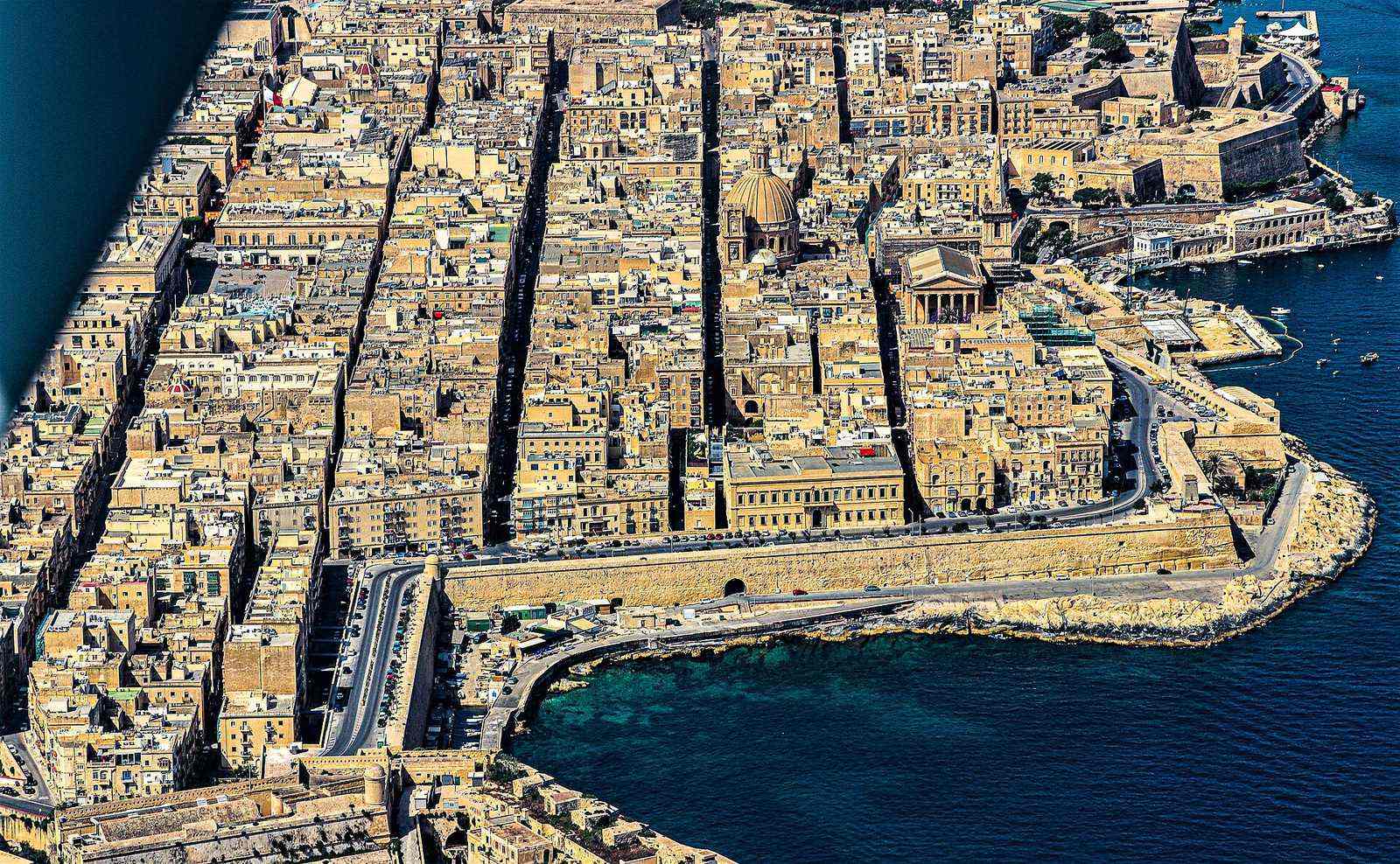
🇲🇹 Malta, planned from one base
Malta is an island country small enough that the transport question answers itself — and that is exactly the trap. There is no railway, no metro and no second network hiding behind the first: one bus system, run by Malta Public Transport under the Tallinja name, reaches from the Valletta terminus to the Gozo ferry pier, and everything else is a boat. The Maltese problem is never which network to learn. It is what the Tallinja card actually does for a short-stay visitor as opposed to a resident, which of the two very different Gozo crossings your day needs, and why the capital — a walled UNESCO city standing between two harbours — works as the single bed for the whole archipelago.
The lay of the land — one terminus, one bus network, two crossings
Almost every Maltese itinerary is built from the same pieces. Valletta's bus terminus stands just outside City Gate, the island's routes fan out from it, the harbour ferries leave from the waterfronts below the walls, and the country's second island waits at the end of the northern road.
| Layer | What it is | How booking works | Watch out |
|---|---|---|---|
| Tallinja buses | The whole system — Malta Public Transport's bus network across Malta and Gozo, radiating from the Valletta terminus outside City Gate | One official portal: publictransport.com.mt, plus the Tallinja app for live tracking and journey planning | The famous free travel belongs to holders of a personalised Tallinja card — read the card section before assuming it covers a holiday |
| Gozo Channel ferry | The car-and-foot ferry between Ċirkewwa at Malta's northern tip and Mġarr harbour on Gozo | The operator's own site, gozochannel.com, shows the next sailings live; this is the crossing that takes vehicles | Getting to Ċirkewwa is itself a bus journey across Malta — the crossing is short, the road to it is the real leg |
| Fast ferry from Valletta | A foot-passenger fast ferry between Valletta's Grand Harbour waterfront and Mġarr on Gozo | Sold by its own operator on its own timetable — check the live schedule for your date | Foot passengers only, and a harbour boat feels the weather differently from the big channel ferry — rough days change plans |
| Malta Airport (MLA) | The archipelago's only airport, at Luqa, south of the capital | No station and no rail link: the connection is by road — airport buses, taxi or pre-booked transfer | Do not plan an airport train. Malta has no trains at all, however natural one would feel |
The bus network — the only network there is
Malta Public Transport — Tallinja National bus network — one operator, one terminus
Strengths
- One operator and one official portal for both islands: the route logic you learn at the Valletta terminus is the logic of Gozo's buses too
- The Tallinja app is a genuine planning tool — journey planner, live bus tracking and service alerts from the operator itself, not a third-party scrape
- The fan shape matches the trip: Mdina inland, the beaches and Ċirkewwa up the northern road, the fishing coast down the southern one, all from the same forecourt
Watch out
- A bus island is a road island: the same narrow roads carry the cars, so a route's paper time and its lived time part company at busy hours — build slack into ferry and flight days
- Seasonal timetables are real: the network that runs in August is not the network that runs in January, and the changeover catches out guides and visitors alike
- There is no rail fallback anywhere in the country — when a bus is missed, the alternative is the next bus, a taxi or a transfer, in that order of patience
Best for: everything on the main island — which is the point. Learn this one system and Malta's transport is learned.
See Malta Public Transport →Official siteValletta — the base that is also the sight
The capital earns its place twice: as the bed every spoke returns to, and as a fortified peninsula city in its own right — a UNESCO World Heritage site built by the Knights of St John, with a co-cathedral whose plain stone face hides one of Europe's great church interiors, and gardens on the bastions above the Grand Harbour.
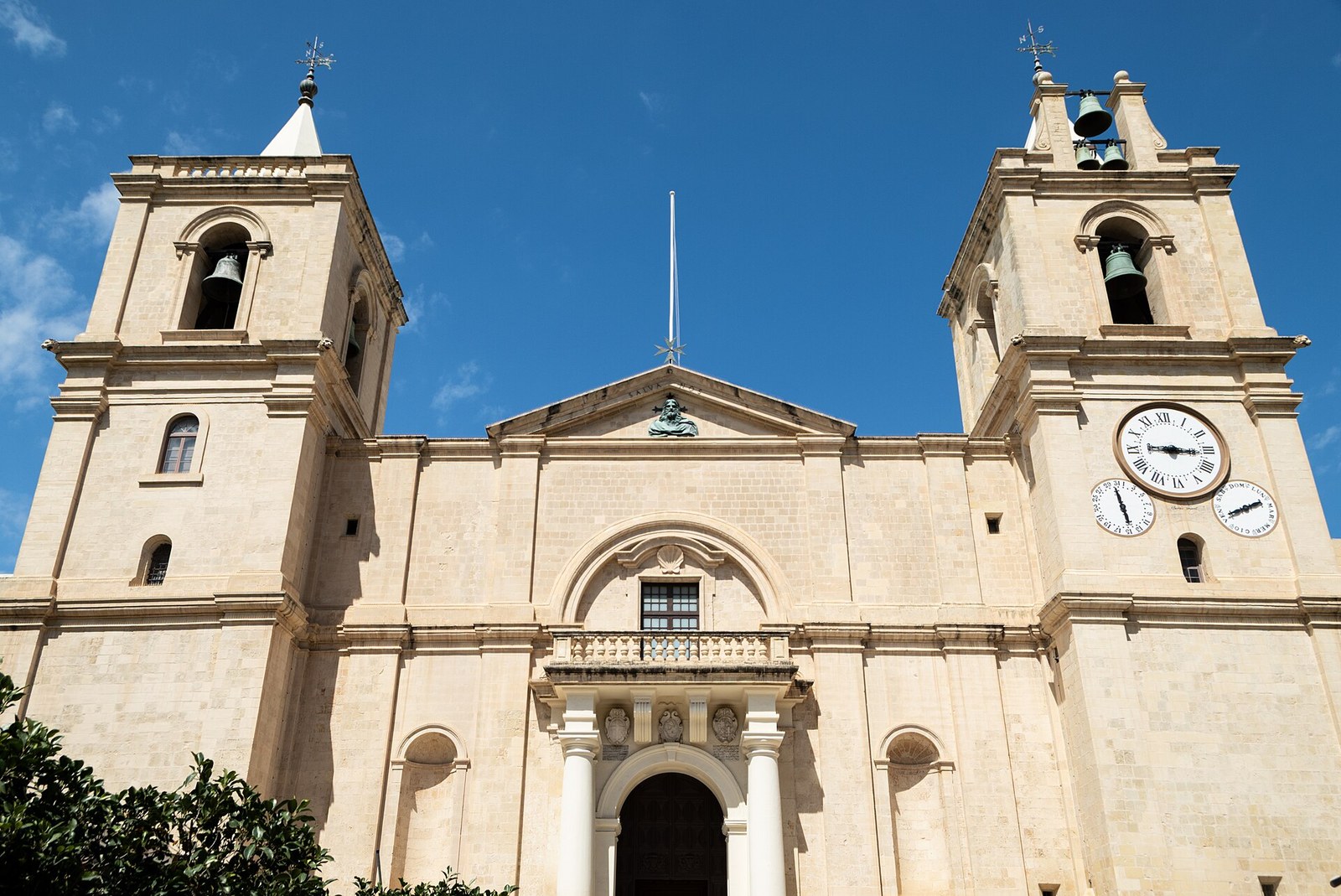
Valletta old town & St John's Co-Cathedral Base — the capital & the hub
Strengths
- The city is a grid on a ridge between two harbours: Republic Street as the spine, the City Gate and terminus at one end, Fort St Elmo at the other — a capital you can learn in an hour and spend days inside
- St John's Co-Cathedral is the interior that justifies the trip on its own terms — the Knights' church, its austere facade giving no warning of the gilded, painted vault within
- The Upper Barrakka Gardens hold the harbour panorama: the Grand Harbour spread below, the Three Cities on the far shore, and the saluting battery on the terrace beneath the gardens
Watch out
- The co-cathedral is a working church as well as a sight: visitor entry runs on the church's own published arrangements, which change around services and seasons — check the official pages for your day rather than a guide's hours, this one included
- Valletta's streets climb: the grid looks flat on a map and is not, and the midday sun on limestone is a physical fact of the place — give the city its mornings and evenings
Best for: the single base of this whole page, and the first and last days around the spokes.
See Visit Malta →Official siteMdina — the silent city, inland
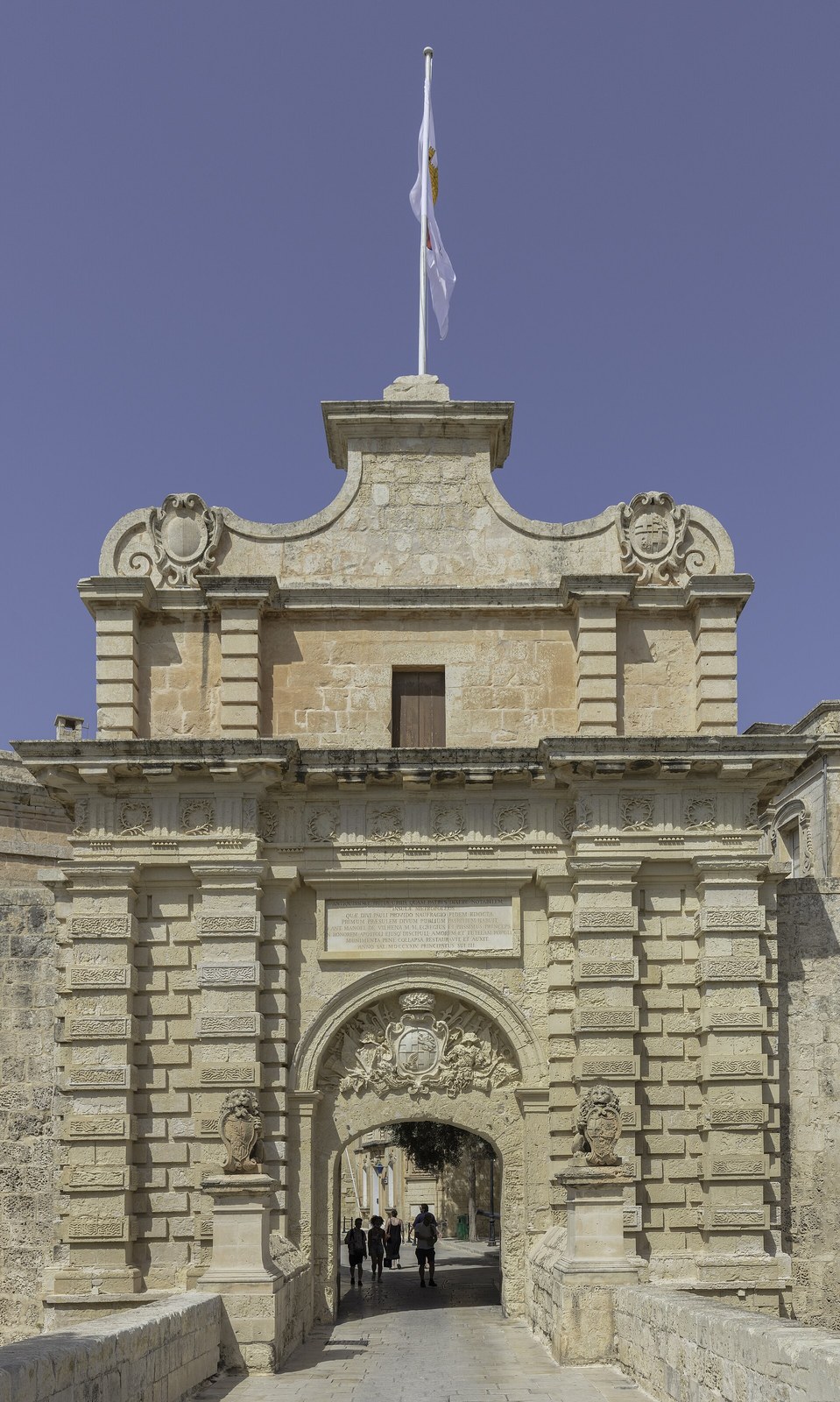
Mdina & Rabat Day trip — the old capital on its hill
Strengths
- Malta's old capital is a walled hill town of car-free lanes — the "Silent City" name is earned in its side streets, a few steps from its gate
- The cathedral stands at its heart and the bastions hold the island panorama: from Mdina's walls the whole of Malta reads as one small, densely built island, which is the geography lesson the trip teaches everywhere else
- Rabat, just outside the walls, completes the day — the town that grew at the old capital's gate, with its own churches and catacombs tradition
Watch out
- Mdina is small: its pleasure is slowness, and a rushed hour between buses wastes the one thing it offers that Valletta cannot — quiet
- It is the classic combined day with the west coast or the Dingli side of the island; combined days live and die by the bus timetable, so fix the return leg before you set out
Best for: the inland half-day or day — taken slowly, ideally with the evening light on the bastions.
See Visit Malta →Official siteGozo — the second island, and the crossing that decides it
Gozo is Malta's greener, quieter second island — its own harbour town at Mġarr, its citadel-crowned capital Victoria inland, and a coastline of bays and salt pans. Every Gozo plan begins with the same fork: the big channel ferry from the north of Malta, or the fast ferry from the capital's waterfront.
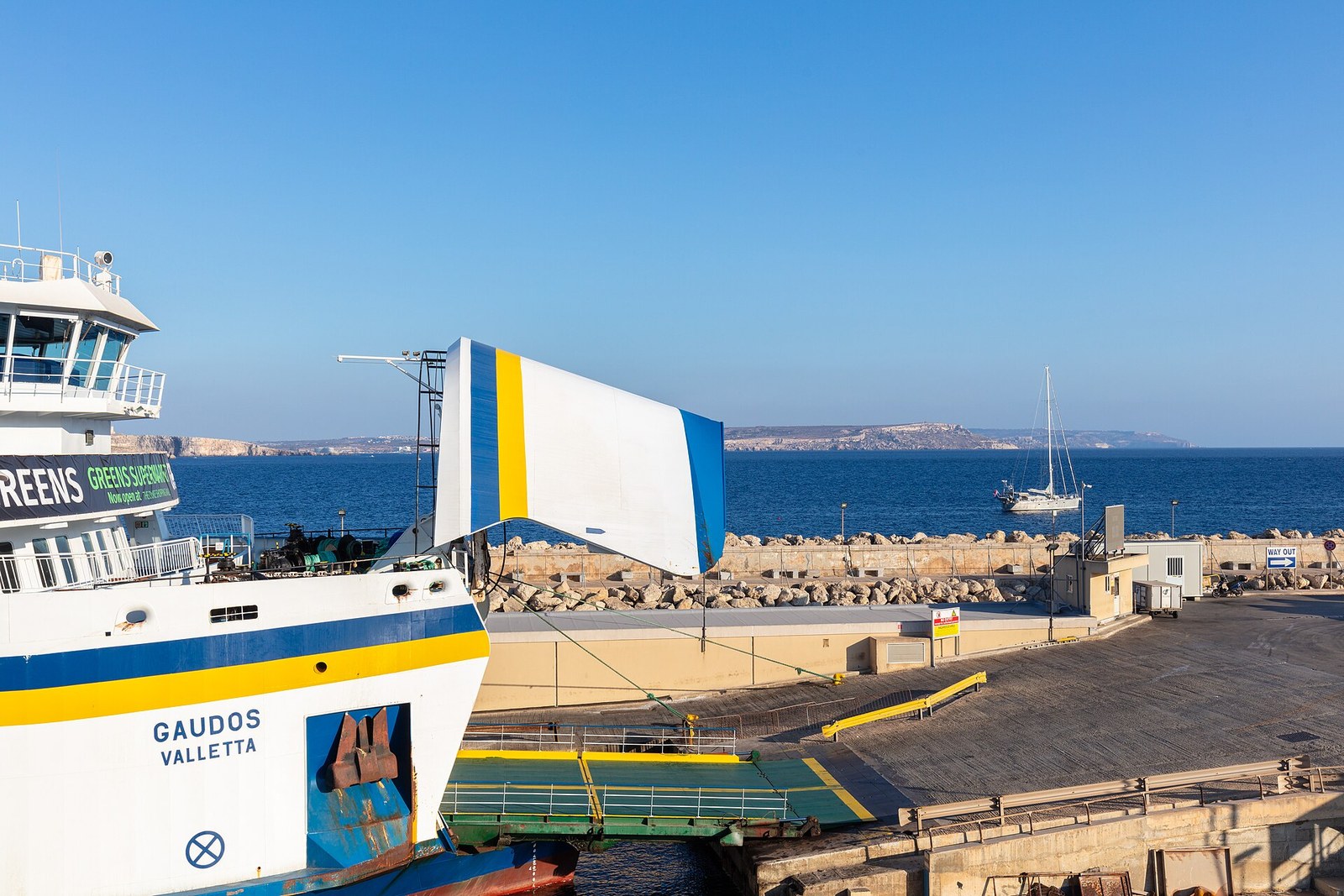
Gozo Channel — Ċirkewwa to Mġarr Ferry — the car crossing & the lifeline
Strengths
- It is the islands' lifeline, not a tourist boat: a working car ferry between Ċirkewwa and Mġarr, with the operator's own site showing the next sailings live
- It is the only crossing that takes vehicles — with a rental car, the decision makes itself
- Mġarr is a proper arrival: Gozo's buses meet the harbour, and the island's whole day fans out from the same quay
Watch out
- The journey to Ċirkewwa is the hidden half of the trip: from Valletta you cross most of Malta by bus before you see the ferry, so a "short crossing" is not a short morning
- Vehicle queues are a seasonal fact at Ċirkewwa — foot passengers sail past problems that drivers queue inside; in high season, the car decision is also a time decision
Best for: drivers, Gozo overnights and anyone whose day starts in the north of Malta.
Comino & the fishing coast — Malta by boat and by bus
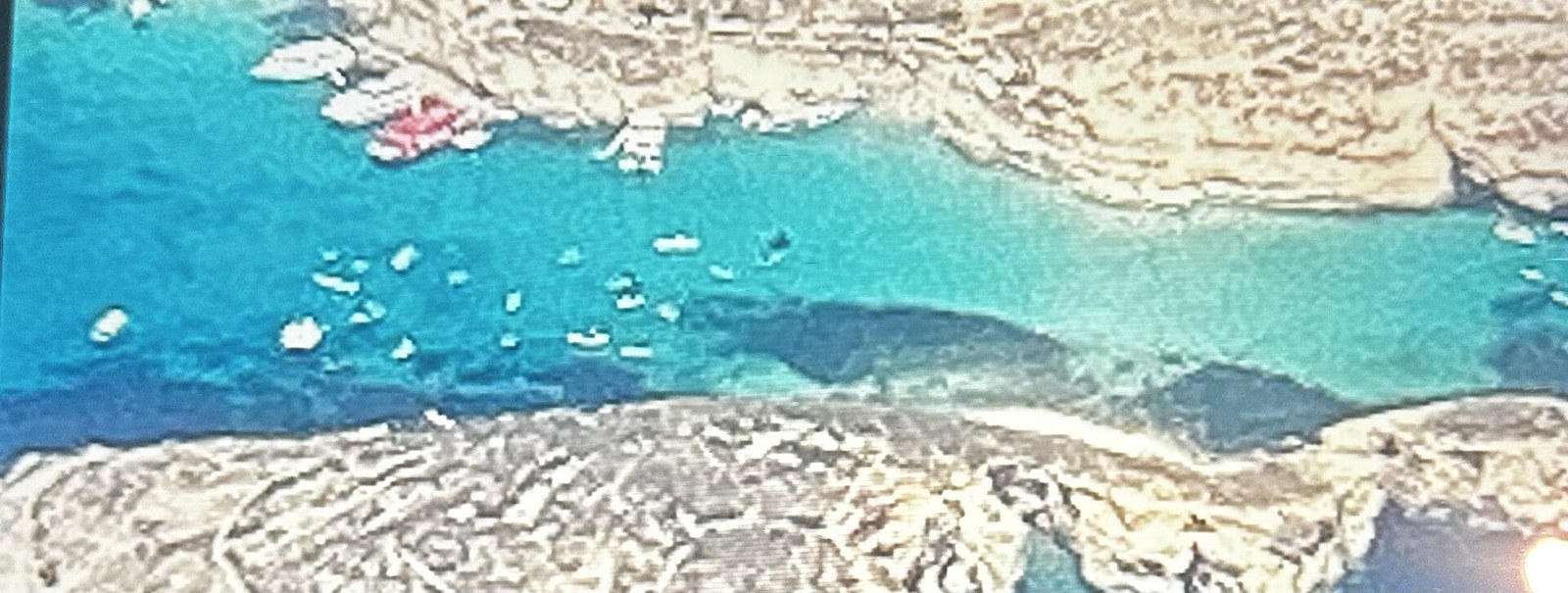
Comino & the Blue Lagoon Boat day — the third island
Strengths
- The Blue Lagoon's water is the archipelago's postcard for a reason — a shallow, luminous channel between Comino and its islet, reached by boat from Malta or Gozo
- Comino itself is the near-empty island between the two inhabited ones: no bus network, no town day — the lagoon and the walking are the visit
Watch out
- There is no scheduled public ferry system to plan around in the way the Gozo crossing can be planned: boats are commercial day services whose departures, landings and very operation bend with season and sea — confirm the operator and the day, and treat a windy forecast as a cancellation warning
- In season the lagoon's fame arrives with it: the early boat is not a tip, it is the difference between the lagoon and the crowd at the lagoon
Best for: the swimming day — booked around the weather, taken early.
See Visit Malta →Official site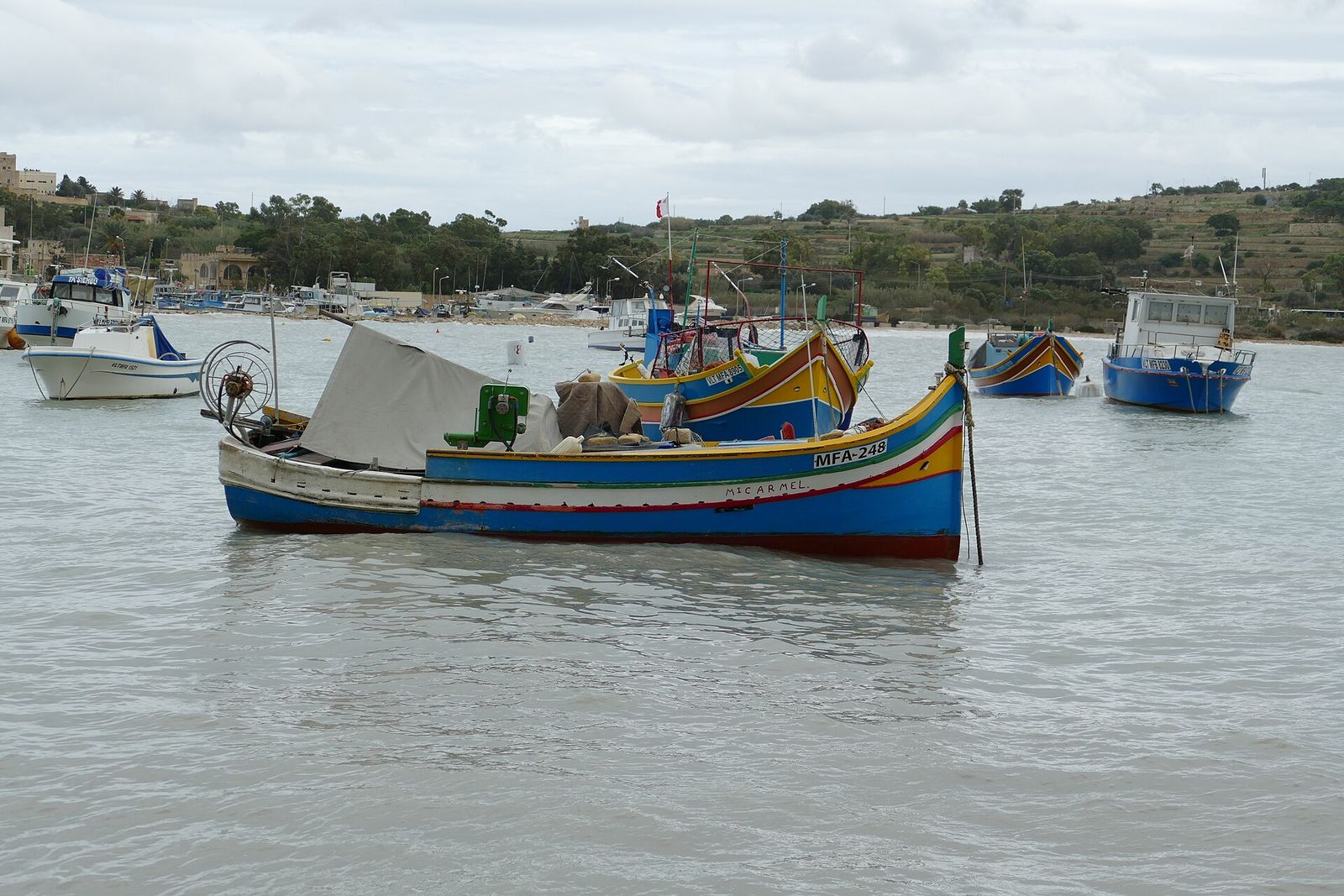
Marsaxlokk & the south coast Day trip — the fishing harbour
Strengths
- Marsaxlokk is Malta's working fishing harbour: a bay full of luzzu, the painted traditional boats with the eye on the prow, and a waterfront that belongs to the fleet before it belongs to the visitors
- It is the south coast's anchor — the day the bus network takes you away from the Valletta–Sliema axis into the island's quieter, older shore
Watch out
- The harbour's market rhythm is a local, changeable thing — do not build the day around any specific market day or hour you have not confirmed close to the date
- The south is a bus spoke, not a cluster: combine it with one other southern sight at most, or the day becomes a tour of bus stops
Best for: the slow harbour day — lunch by the water, the fleet coming and going, and no agenda beyond it.
See Visit Malta →Official siteTours — when the boat or the bus is the product
Most of Malta needs no tour: the bus network and the ferries are the itinerary. What a tour sells here is specific — a boat day to Comino without the harbour logistics, a Gozo day with the crossings and the island's driving folded into one booking, or a guide inside Valletta's layered history. Judge a listing on which of those it actually is.
Guided tours of the same sights are a different product from the buses and ferries above. Judge a listing on what it actually includes — a Gozo tour's crossings may be the part you are paying for, or the part you already have.
Browse Malta tours on Viator →Affiliate link — you pay the same Browse Malta tours on GetYourGuide →Affiliate link — you pay the sameWhere to sleep — one base, honestly held
The practical layer — how Malta differs from a US trip
Which Malta is yours?
Decisions that actually matter
Are Malta's buses really free?
For holders of a personalised Tallinja card, yes — Malta Public Transport says so on its own site, for day, night and special services across Malta and Gozo. That card is the personalised, registered product; a short-stay visitor should expect to travel under the published fares structure and check it on the operator's own fares page. The buses are the same either way; the card is what changes.
Which Gozo ferry should I take?
From Valletta on foot, the fast ferry from the Grand Harbour waterfront is the direct line to Mġarr. With a car, from the north of Malta, or whenever the working crossing matters more than the departure point, the Gozo Channel ferry from Ċirkewwa is the answer — and the only one that takes vehicles. Decide by your base and your luggage, not by the crossing time alone: the bus ride to Ċirkewwa is part of the channel ferry's real duration.
Can I really do Malta from one base?
Yes — that is the country's structural gift. Valletta's terminus is the network's hub, Mdina and both coasts are spokes, and even Gozo is a day trip if the ferry day is planned whole. The base stops being enough only when you want Gozo's evenings more than you want an unpacked suitcase.
Do I need a car in Malta?
For the trip on this page, no: the bus network reaches the sights, the ferries reach the islands, and Valletta itself is a walking city. A car earns its place for Gozo's scattered bays and the far corners of both islands — and costs you Ċirkewwa queues and old-town parking in exchange. It is a tool for a specific trip, not the default.
How do I get from the airport into Valletta?
By road — there is no railway anywhere in Malta. Airport buses run the capital leg, taxis cover the door-to-door version, and a pre-booked transfer removes the thinking for early or late arrivals. Arrange this leg first; it is one of the few parts of a Maltese trip with no alternative waiting behind it.
Prices and terms change often — the booking site is the final word. Timetables, fare conditions and ferry arrangements change by season and by day; check the operator's own page for your date. Facts on this page checked against providers' official pages, November 2026.


