Pilgrimage Routes · Route 7

Francis of Assisi: A Life, Stop by Stop

Umbria and the Casentino, in the order he lived it — a rich cloth-merchant's son who heard a crucifix speak, rebuilt chapels with begged stones, and taught the Church to see creation as family.

How this route works — and its special rule. The stops are in life order, not driving order, and we do not promise distances or travel times. Francis is the first saint's life in this section, and its rule is written for him: the sources for his inner story are the early biographies by his own companions — Thomas of Celano and Bonaventure — and where a stop rests on them, the page says so by name. Miracles are reported as the tradition reports them, attributed, never asserted as our own verified fact and never mocked. The Franciscan sites themselves — chapels, hermitage, basilica — are documented and dated by art history, and that part needs no label. Affiliate note: the “Plan this stop” boxes carry affiliate links (marked; you pay the same) and official links (marked “Official link”) — no provider paid for a stop to be included.
Your pilgrim stamps — 0 of 6 stops

Stamps live only on this device (browser local storage, key pilgrimage_stamps_v1) — never sent to a server, and they work offline. A stamp is your own honest record, nothing more.

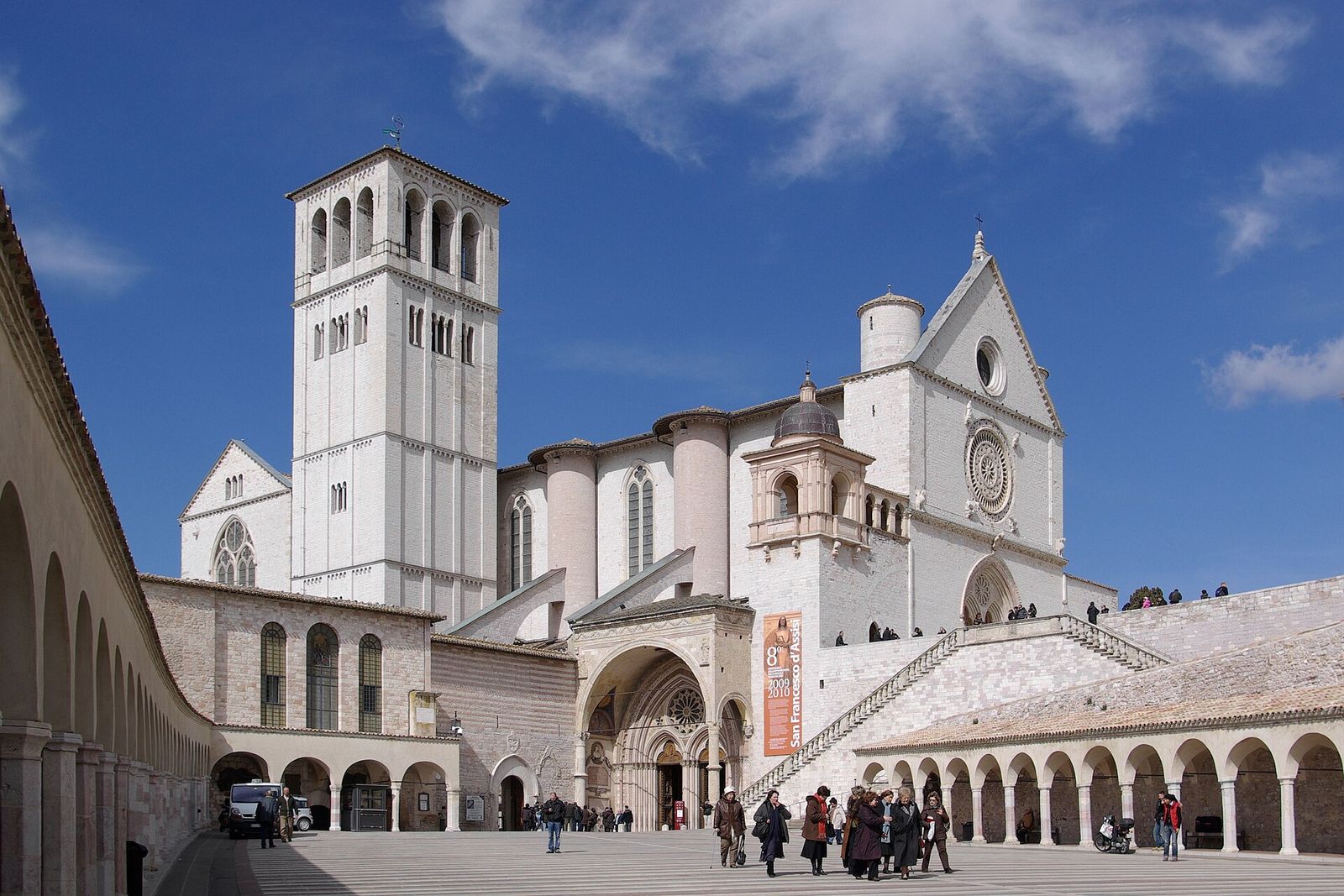
The Basilica of St Francis in Assisi, Italy
STOP 11181/82 – 1226

Assisi — The Merchant's Son and the Basilica

Francis was born in Assisi in 1181 or 1182 — the year itself is uncertain, and we print both — the son of Pietro Bernardone, a prosperous cloth merchant, and named Giovanni, then Francesco, “the Frenchman”. The young man who dreamed of knighthood and went to war against Perugia is the necessary first act of the story: the saint of poverty began as Assisi's most fashionable rich kid. Above the town rises the Basilica of San Francesco in the photograph, begun in 1228, two years after his death, its two stacked churches covered in frescoes that taught his story to centuries of pilgrims who could not read.

A note on how this route is written: Francis is a saint of the Catholic Church, and the early Lives written by his companions are this route's sources for his inner story. Where a stop rests on those Lives, the page says “the early biographies tell…” — devotion and documentation, labelled apart, the way this whole section works.
Why it matters: Assisi holds the whole arc in one hill town: the merchant's house, the renunciation, and the great painted basilica — birth and burial within the same walls.
🏛️ Factual link: Assisi, the Basilica of San Francesco and Other Franciscan Sites are a UNESCO World Heritage listing (inscribed 2000, criteria i, ii, iii, iv and vi) — Stops 1–4 and 6 of this route stand within its named places. See it in the collection →

Plan this stop

Guided toursViator — Assisi tours →Affiliate link — you pay the same
Tours tooGetYourGuide →Affiliate link — you pay the same
Stay nearbyStay22 — places to stay →Affiliate link — you pay the same
CoverSafetyWing travel insurance →Affiliate link — you pay the same
The church of San Damiano below Assisi, Italy
STOP 21205 – 1206

San Damiano — The Voice and the Rebuilding

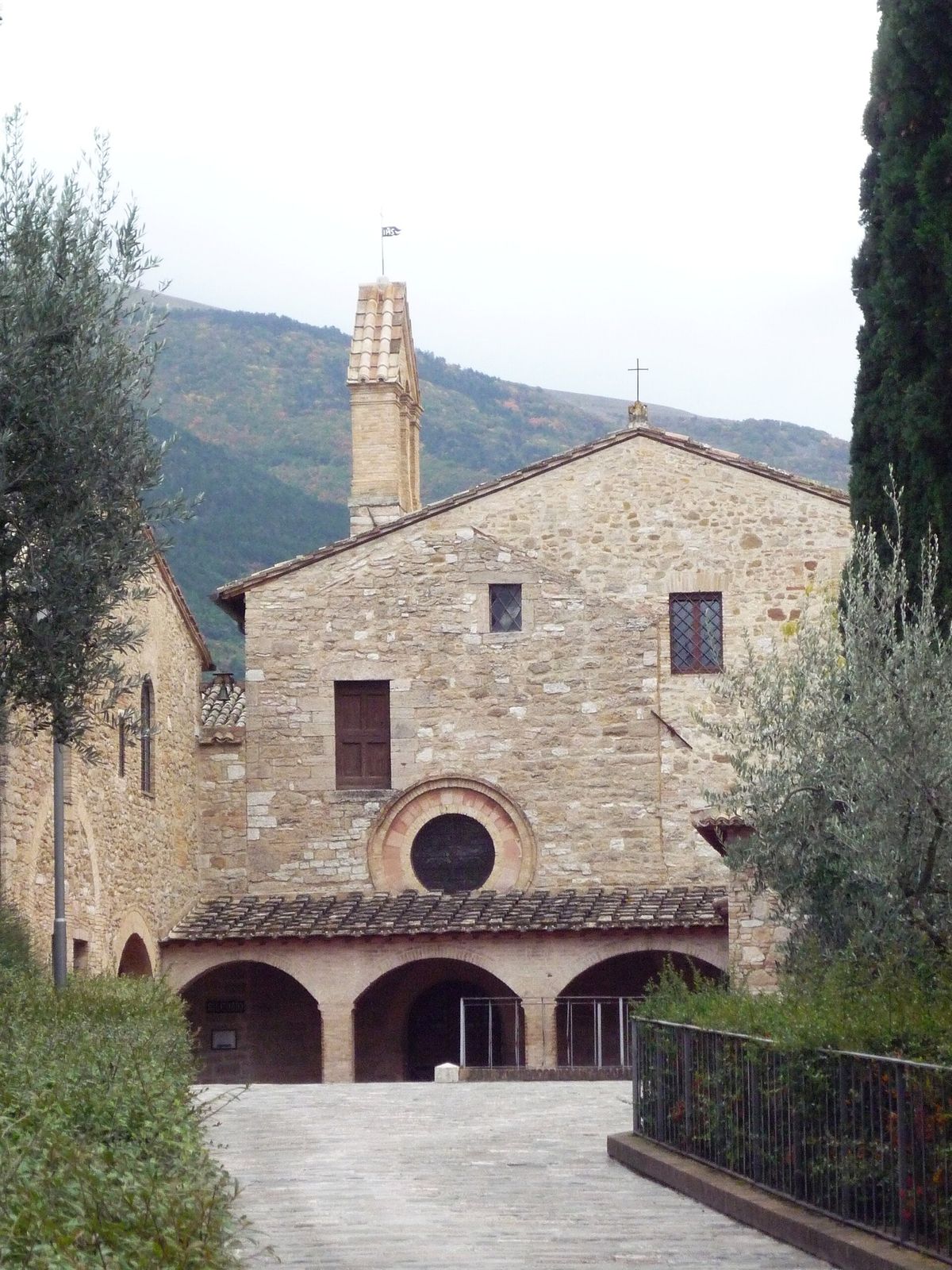
Below Assisi's walls, among olive groves, stands the little ruined-then-restored church of San Damiano. The early biographies tell that Francis, praying before its Byzantine crucifix around 1205, heard the figure speak: “Francis, go and repair my house, which is falling into ruin.” He obeyed literally — begging stones, rebuilding this chapel and others with his hands — before understanding the words wider. The original crucifix now hangs in Assisi's Santa Chiara; a copy keeps this quiet room's focus. Clare and her first sisters later lived here, and tradition holds that Francis wrote much of the Canticle of the Creatures in this place in his last, half-blind years.

Why it matters: San Damiano is the route's listening stop: a misheard-sized obedience — stones first, meaning later — that rebuilt far more than a chapel.

Plan this stop

Guided toursViator — San Damiano Assisi tours →Affiliate link — you pay the same
Tours tooGetYourGuide →Affiliate link — you pay the same
Stay nearbyStay22 — places to stay →Affiliate link — you pay the same
CoverSafetyWing travel insurance →Affiliate link — you pay the same
The Portiuncula chapel inside the Basilica of Santa Maria degli Angeli, Assisi
STOP 31208 – 1226

The Portiuncula — Where It All Began and Ended

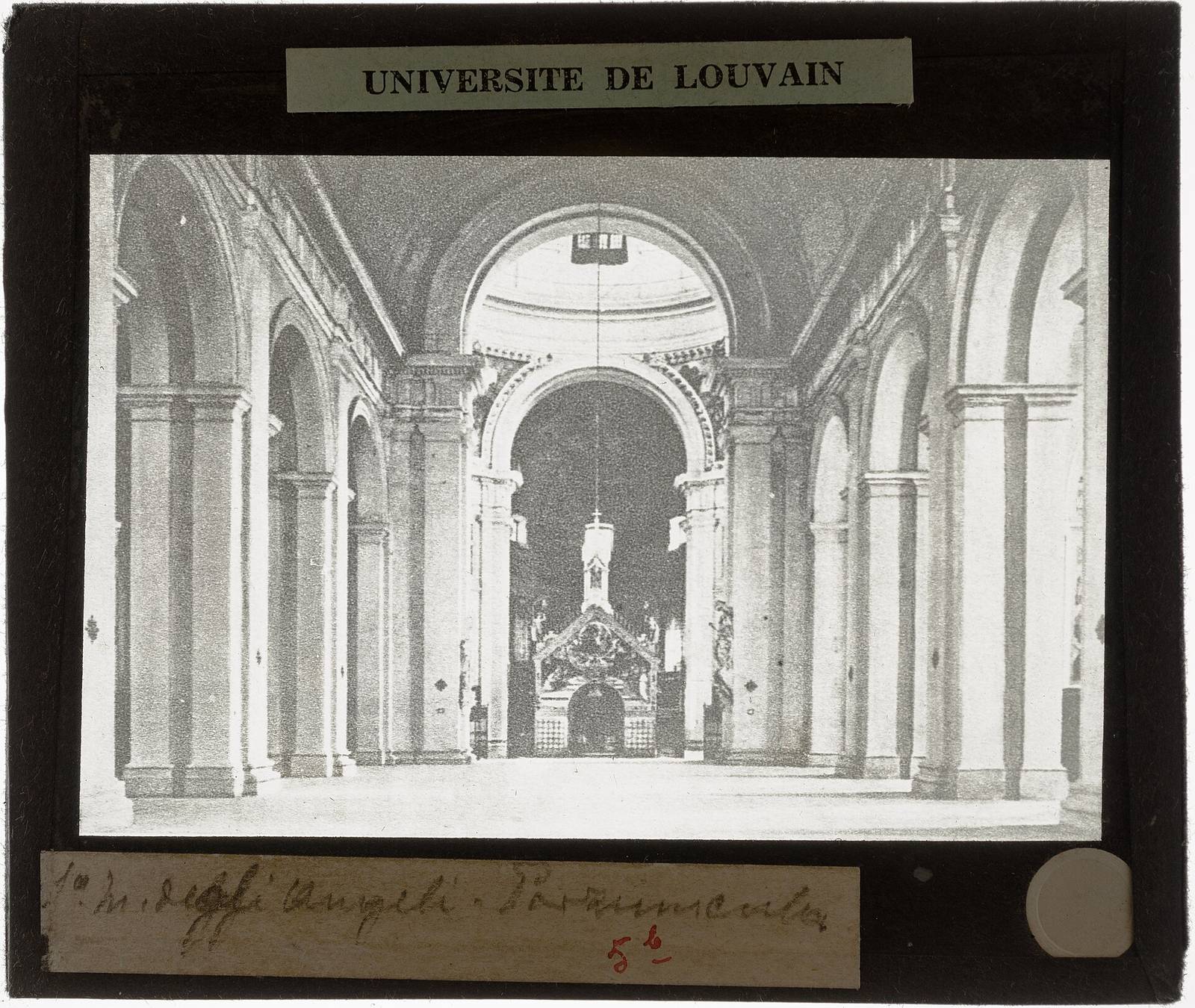
In the plain below Assisi stands an enormous basilica built, astonishingly, around a chapel the size of a room: the Portiuncula, the “little portion”, a tumbledown Benedictine chapel that Francis rebuilt and loved above all places. Here, the tradition tells, the Order truly began — here Clare received the habit in 1212, here the brothers gathered in chapters of thousands under reed mats, and here, on the evening of 3 October 1226, Francis died on the bare earth, asking to be laid naked on the ground. The great basilica of Santa Maria degli Angeli in the photograph protects the little chapel at its centre, visible under the dome. Catholic tradition also attaches to this place the Portiuncula Indulgence of 1216 — a tradition this page attributes, as it should, to the tradition that keeps it.

Why it matters: the route's smallest building is its centre of gravity: an order that shook the Church began, and its founder died, inside one small stone room.

Plan this stop

Guided toursViator — Santa Maria degli Angeli Assisi tours →Affiliate link — you pay the same
Tours tooGetYourGuide →Affiliate link — you pay the same
Stay nearbyStay22 — places to stay →Affiliate link — you pay the same
CoverSafetyWing travel insurance →Affiliate link — you pay the same
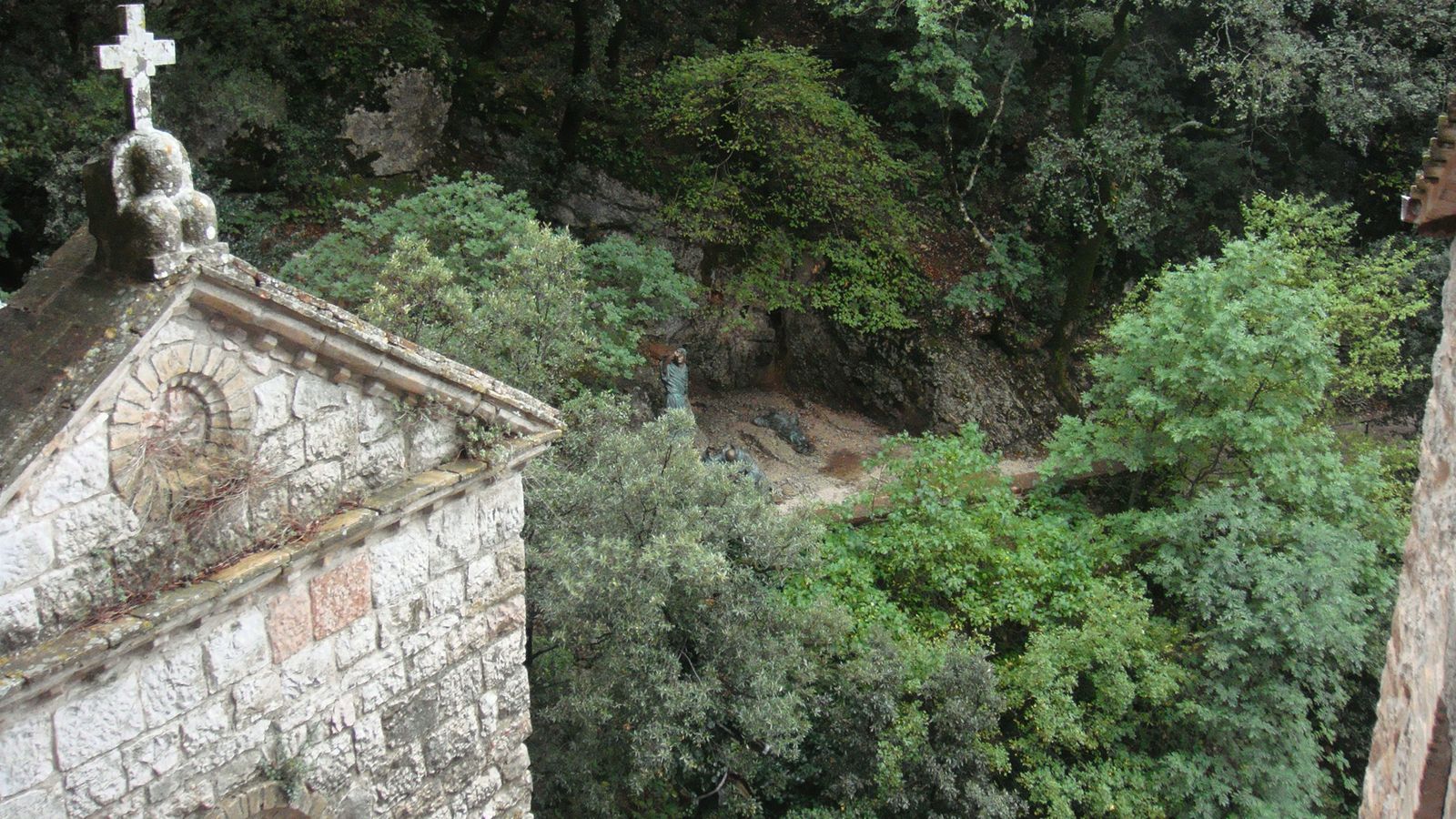
The Eremo delle Carceri hermitage on Monte Subasio, Assisi
STOP 41208 onwards

Eremo delle Carceri — The Hermitage in the Woods

Four kilometres up Monte Subasio's oak woods, the Eremo delle Carceri — the “hermitage of the prison-cells” — was Francis's place of withdrawal: a cave, a tiny chapel, and silence, given to the brothers by Assisi's Benedictines. The early Lives tell of his long retreats here, and of the oak where he preached to the birds — a story the tradition loves and this page labels as the tradition's. The hermitage in the photograph is still a working Franciscan friary, kept deliberately quiet; visitors are asked to walk it in silence, which is the most historically accurate instruction on this whole route.

Why it matters: every life on these routes has a loud chapter; Francis's balance was this wood — the prayer that made the preaching possible.

Plan this stop

Guided toursViator — Eremo delle Carceri Assisi tours →Affiliate link — you pay the same
Tours tooGetYourGuide →Affiliate link — you pay the same
Stay nearbyStay22 — places to stay →Affiliate link — you pay the same
CoverSafetyWing travel insurance →Affiliate link — you pay the same
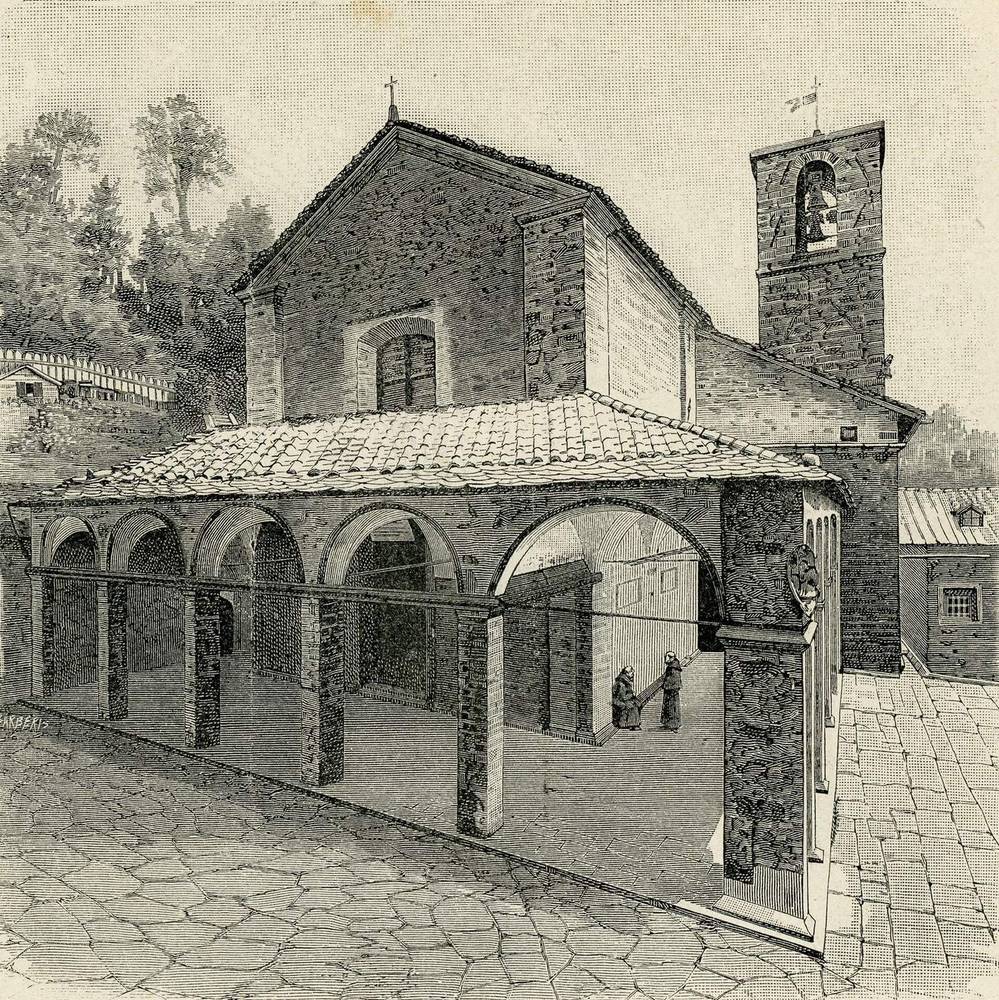
The sanctuary of La Verna, Tuscany, Italy
STOP 51224

La Verna — The Mountain of the Stigmata

In the Casentino forests of Tuscany, on a crag-split mountain given to Francis in 1213, stands the sanctuary of La Verna. Here, during a forty-day retreat in the autumn of 1224, the early biographies — beginning with Brother Leo's own account and Bonaventure's Life — tell that Francis received the stigmata, the wounds of the crucified Christ in his own body: the first recorded case in Christian history, and the most debated. This page reports the tradition in its own terms and in its sources' names, neither asserting the miracle as a verified fact nor reducing it to nothing: what is documented is that his companions testified to the wounds, and that the Church has venerated this mountain ever since. The sanctuary in the photograph still keeps the chapel of the stigmata and the great processional corridor against the mountain weather.

Why it matters: La Verna is the route's mountain of mystery — the stop where our labelling rules matter most, and where we let the sources speak with their names on.

Plan this stop

Guided toursViator — La Verna sanctuary tours →Affiliate link — you pay the same
Tours tooGetYourGuide →Affiliate link — you pay the same
Stay nearbyStay22 — places to stay →Affiliate link — you pay the same
CoverSafetyWing travel insurance →Affiliate link — you pay the same
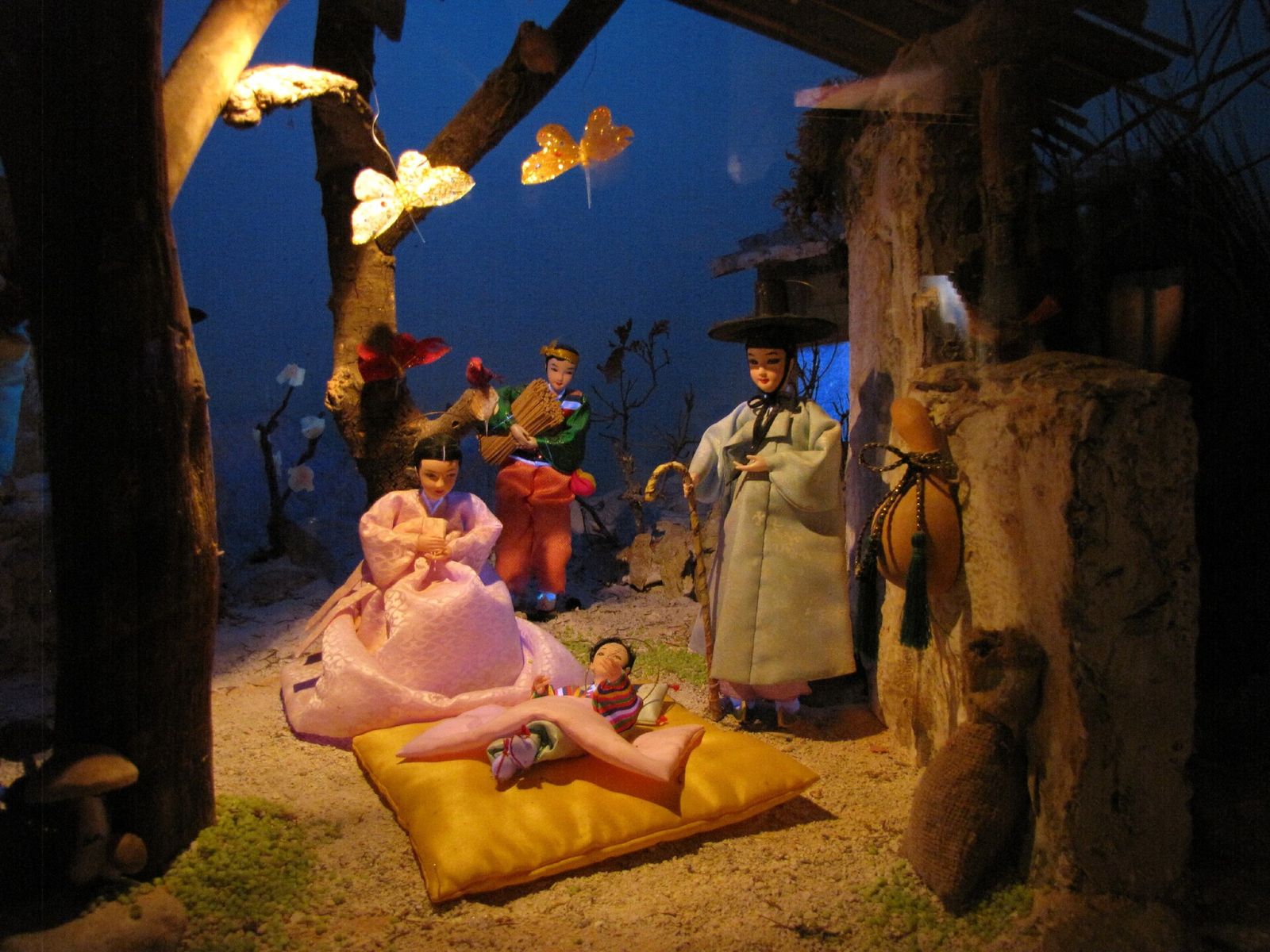
The sanctuary of Greccio, Lazio, Italy
STOP 61223

Greccio — The First Living Crib

The route ends its story three years before the death, at Christmas 1223, in the hill town of Greccio in the Rieti valley. There — the early biographies tell it in detail — Francis staged the first living Nativity: a real manger, real hay, an ox and an ass in a cave chapel, and Mass celebrated over it, so that the villagers could see with their own eyes what Bethlehem meant. Every Christmas crib in every church and home since descends from this night. The sanctuary in the photograph clings to the rock where it happened, an hour's journey from Assisi — an outlying stop, and worth it: Francis's genius was never only renunciation; it was making the invisible visible for ordinary people.

Why it matters: Greccio closes the arc with Francis's gift to everyone who came after: not an argument, but a scene — the faith you could walk into, staged in a cave at Christmas.

Plan this stop

Guided toursViator — Greccio tours →Affiliate link — you pay the same
Tours tooGetYourGuide →Affiliate link — you pay the same
Stay nearbyStay22 — places to stay →Affiliate link — you pay the same
CoverSafetyWing travel insurance →Affiliate link — you pay the same
Route complete? Six stamps, one life — from a merchant's counter to bare earth at the Portiuncula. Francis's Italy is also our richest World Heritage country chapter: begin with our Italy guide and the UNESCO collection. Back to the Pilgrimage Routes hub · Travel Safety · Guide & Trip Record App
Photo credits: Basilica of San Francesco, Assisi by Berthold Werner, Public domain · San Damiano, Assisi by Fczarnowski, CC BY-SA 3.0 · Portiuncula chapel, Santa Maria degli Angeli by Unknown, Public domain · Eremo delle Carceri, Monte Subasio by CC BY-SA 3.0 · Sanctuary of La Verna by Giuseppe Barberis, Public domain · Sanctuary of Greccio by Christopher John SSF from, CC BY 2.0 — all via Wikimedia Commons.