Pilgrimage Routes · Route 2

The Journeys of Paul: Port by Port

The Mediterranean, in the order the book of Acts travels it — from the church that sent him out at Antioch to a rented house in Rome, by ship, on foot, and, once, by shipwreck.

How this route works. The stops follow the journey order in Acts, not driving order, and we do not promise distances or travel times between stops. This route is built on a written text: where we report what Paul did and said, the source is Acts, and we say so. Archaeology confirms many of the places — theatres, temples, courts — and where a place is only carried by tradition, the stop says so plainly. Some stops also belong to our UNESCO World Heritage collection; where that is a fact, it is marked as one. Affiliate note: the “Plan this stop” boxes carry affiliate links (marked as such; you pay the same) and official links (marked “Official link”) — no provider paid for a stop to be included.
Your pilgrim stamps — 0 of 15 stops

Stamps live only on this device (browser local storage, key pilgrimage_stamps_v1) — never sent to a server, and they work offline. A stamp is your own honest record, nothing more.

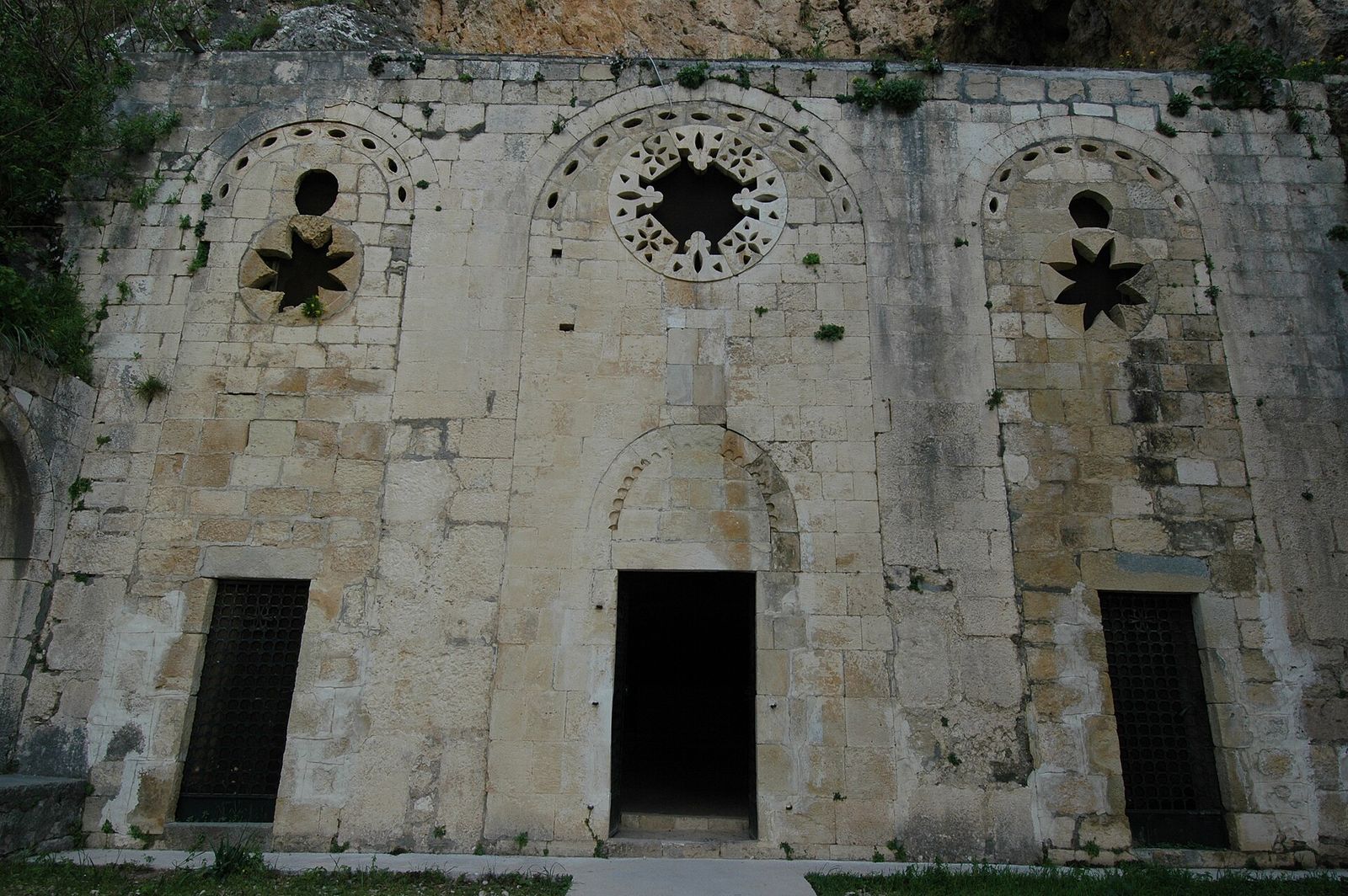
The Cave Church of St Peter in Antakya (ancient Antioch)
STOP 1c. AD 45

Antioch (Antakya) — Where the Journeys Begin

Every journey on this route starts in the same place: Antioch on the Orontes, in what is now Antakya, Türkiye. Acts records that the followers of Jesus were first called Christians here (Acts 11:26), that the church here sent Barnabas and Saul out on the first journey (Acts 13:1–3), and that Paul returned here between journeys. The cave church in the photograph, dedicated to St Peter, is honoured by local tradition as one of the earliest Christian meeting places; the building you see carries Crusader-era work on a far older veneration.

A labelling note we keep on this whole route: the story comes from the book of Acts; the stones are dated by archaeologists. Where the two meet, we say so; where only tradition speaks, we say that instead.

Why it matters: Antioch is the route's home port — the church that sent Paul out and received him back. Stand here first, and the rest of the route reads as departures and returns.
🏛️ Factual link: Antakya's Hatay Archaeology Museum holds one of the world's great Roman mosaic collections — a plain fact worth the stop on its own. (Antioch itself is not a UNESCO listing, and we won't pretend otherwise.)
Plan this stop

Guided toursViator — Antioch Antakya tours →Affiliate link — you pay the same
Tours tooGetYourGuide →Affiliate link — you pay the same
Stay nearbyStay22 — places to stay →Affiliate link — you pay the same
CoverSafetyWing travel insurance →Affiliate link — you pay the same
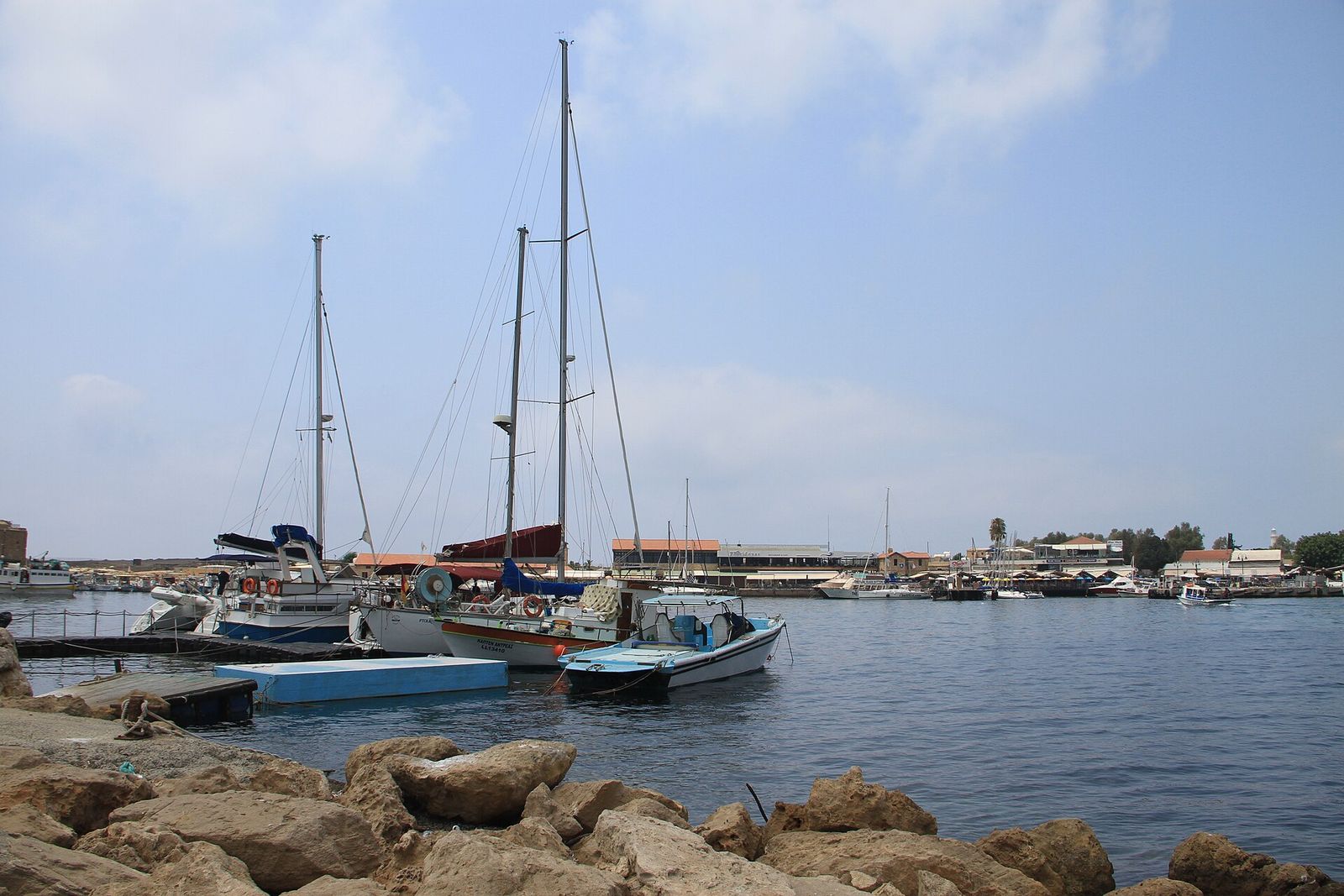
Paphos harbour, Cyprus
STOP 2c. AD 45 – 46

Cyprus — Salamis and Paphos

The first journey landed on Cyprus, Barnabas's home island. Acts follows the pair across the island to Paphos, the Roman capital, where the proconsul Sergius Paulus — a Roman official whose name archaeology also knows — listened, and believed (Acts 13:12). It is also from this chapter onward that Saul is called Paul (Acts 13:9). The harbour in the photograph is modern Paphos; the Roman city lies in the archaeological park nearby, famous for its mosaics.

Why it matters: the route's first crossing: a synagogue-to-synagogue journey becomes a hearing before a Roman governor — the pattern of Paul's whole career in one island.

Plan this stop

Guided toursViator — Paphos tours →Affiliate link — you pay the same
Tours tooGetYourGuide →Affiliate link — you pay the same
Stay nearbyStay22 — places to stay →Affiliate link — you pay the same
CoverSafetyWing travel insurance →Affiliate link — you pay the same
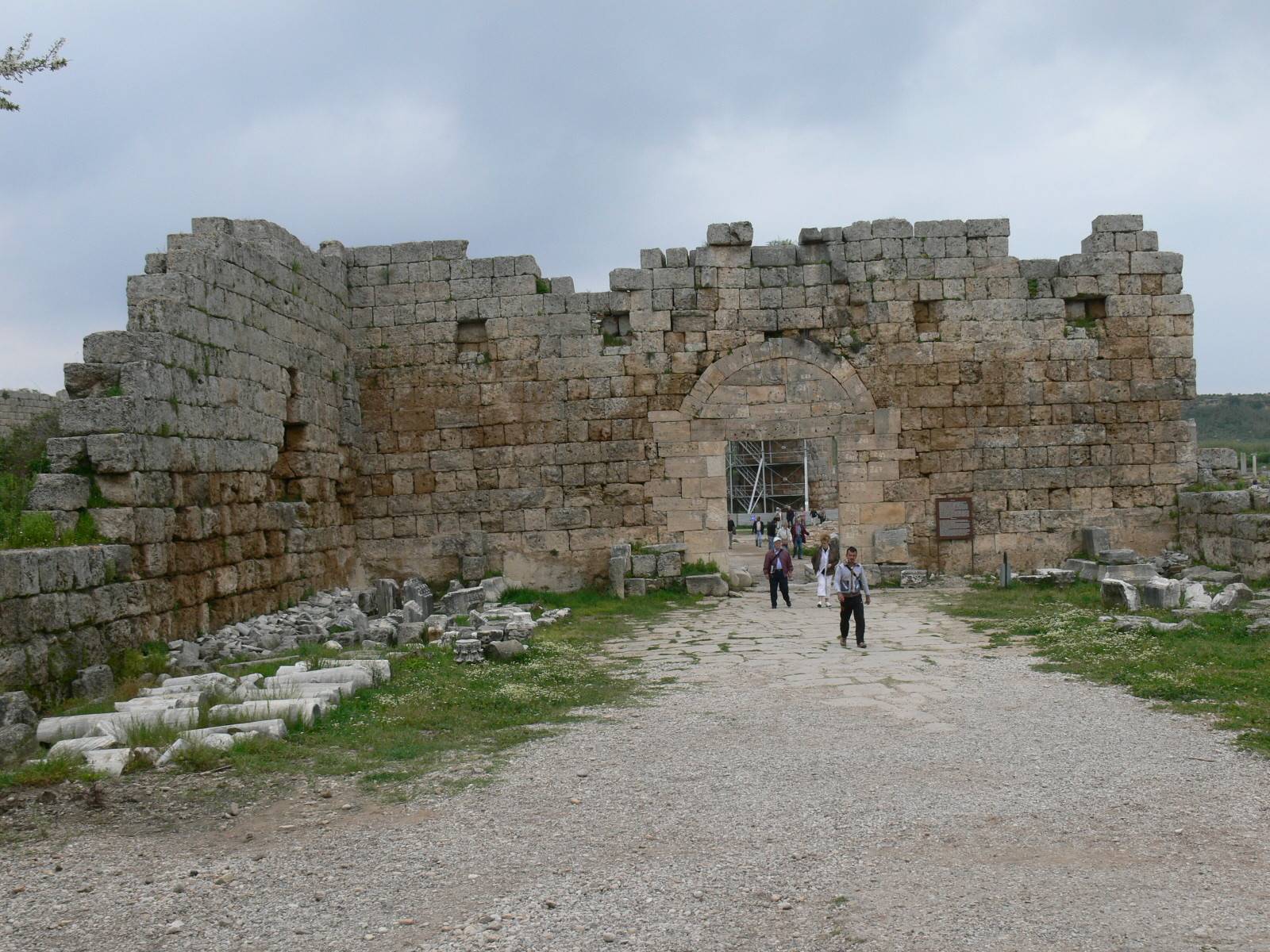
The Roman gate at Perga, Türkiye
STOP 3c. AD 46

Perga in Pamphylia — Through the Gate

From Cyprus the team sailed to Perga in Pamphylia, on Türkiye's southern coast (Acts 13:13–14). Acts gives Perga only a verse on the way in and a preaching stop on the way back (Acts 14:25) — but the city itself is one of the best-preserved in the region, with its theatre, stadium and the Roman gate in the photograph. John Mark left the team here and returned to Jerusalem, a small verse that later caused the sharpest recorded argument of Paul's life (Acts 15:36–39).

Why it matters: Perga is the route's honest pause: not every stop is a triumph. A companion turned back here — and the story kept going anyway.

Plan this stop

Guided toursViator — Perge Antalya tours →Affiliate link — you pay the same
Tours tooGetYourGuide →Affiliate link — you pay the same
Stay nearbyStay22 — places to stay →Affiliate link — you pay the same
CoverSafetyWing travel insurance →Affiliate link — you pay the same
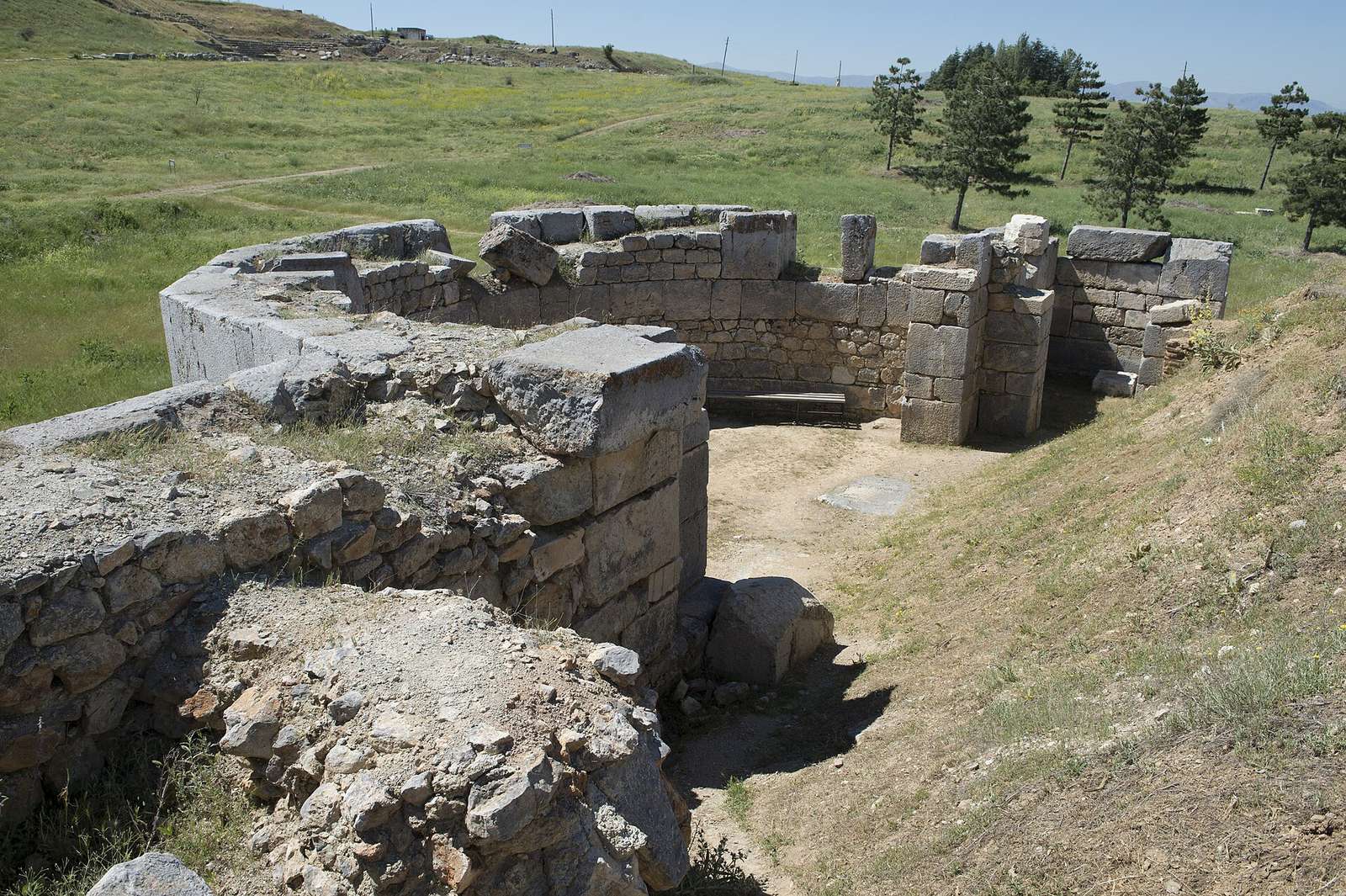
Ruins of Pisidian Antioch near Yalvaç, Türkiye
STOP 4c. AD 46 – 47

Pisidian Antioch — The Sermon in the Synagogue

Inland and uphill from Perga stood another Antioch — Pisidian Antioch, a Roman colony near modern Yalvaç. Here Acts gives Paul his longest recorded sermon (Acts 13:16–41), preached in the synagogue, and the turning point of the journey: a crowd the following week, opposition, and the team's declaration that they would turn to the Gentiles (Acts 13:46). The excavated ruins in the photograph — including the Temple of Augustus platform — are real and visitable; the synagogue of Paul's sermon has not been identified, and we label it that way.

Why it matters: if one stop carries the first journey's thesis, it is this one: the message moved outward, and a travelling tentmaker's sermon became a world movement's template.

Plan this stop

Guided toursViator — Pisidian Antioch Yalvac tours →Affiliate link — you pay the same
Tours tooGetYourGuide →Affiliate link — you pay the same
Stay nearbyStay22 — places to stay →Affiliate link — you pay the same
CoverSafetyWing travel insurance →Affiliate link — you pay the same
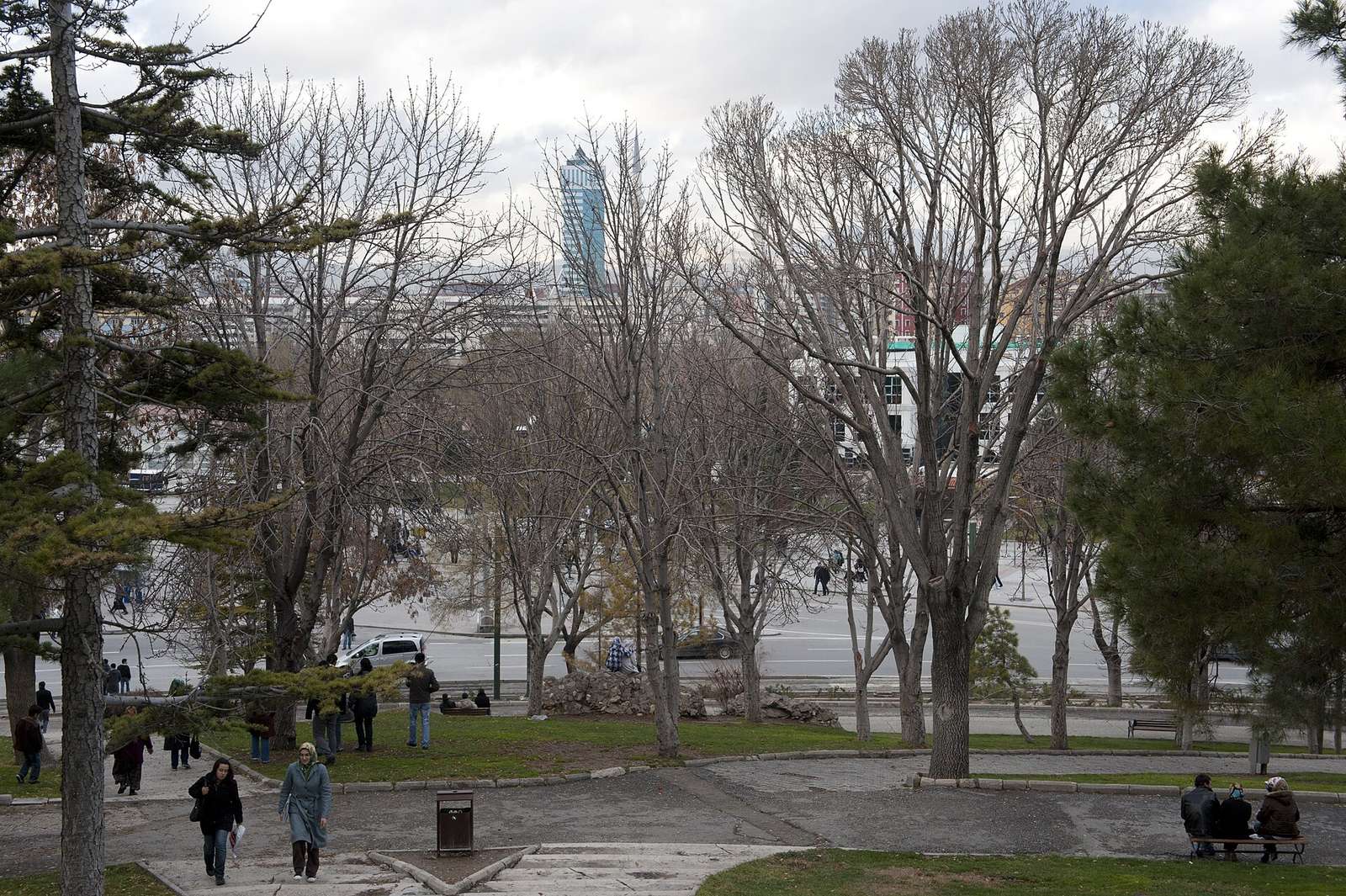
Alaaddin Hill and the old city of Konya (ancient Iconium), Türkiye
STOP 5c. AD 47

Iconium (Konya) — A Divided City

East across the Anatolian plateau, Paul and Barnabas reached Iconium — modern Konya. Acts says they spoke in the synagogue, that a large number believed, and that the city divided (Acts 14:1–4) — belief and hostility in the same streets, before a planned stoning sent them on. Almost nothing of Roman Iconium survives above ground in today's Konya; this stop is honestly about the city itself — now far better known for the Mevlana Museum and Rumi, whose city this also is. Layers of faith share these streets, and we say so plainly.

Why it matters: Iconium is the route's divided-city stop: the same message, two responses, one street. It is also a reminder that holy ground in Anatolia is layered, not owned.

Plan this stop

Guided toursViator — Konya tours →Affiliate link — you pay the same
Tours tooGetYourGuide →Affiliate link — you pay the same
Stay nearbyStay22 — places to stay →Affiliate link — you pay the same
CoverSafetyWing travel insurance →Affiliate link — you pay the same
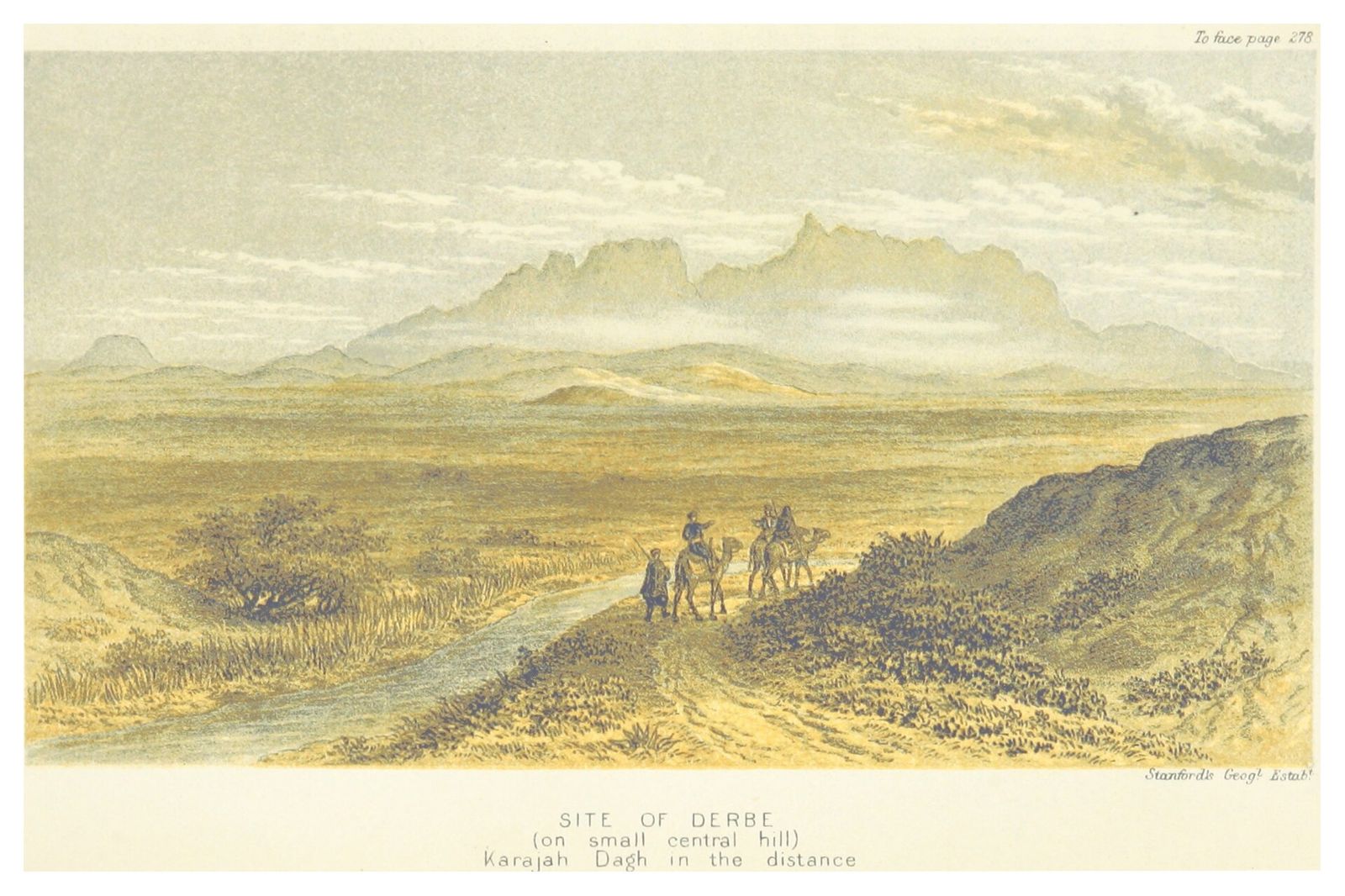
Nineteenth-century engraving of the site of Derbe in the Lycaonian plain
STOP 6c. AD 47 – 48

Lystra and Derbe — 'We Are Only Human'

In Lystra, Acts records the healing of a man lame from birth — and the crowd's attempt to sacrifice to Barnabas as Zeus and Paul as Hermes, which Paul tore his clothes to stop: “We too are only human, like you” (Acts 14:8–15). Days later, stoned and left for dead outside the same city, he got up and walked to Derbe, where the journey's inland leg ended (Acts 14:19–20). Neither Lystra nor Derbe is a developed visitor site today — Derbe is a mound in the Lycaonian plain, identified by inscription finds — so this photograph is an 1879 engraving of Derbe's site, labelled as such. Some stops on a pilgrimage are a field and a text; we think that is worth saying out loud.

Why it matters: the route's most human stop: worship refused, violence endured, and the quiet sentence that defines the whole journey — “we are only human.”

Plan this stop

Guided toursViator — Karaman Konya tours →Affiliate link — you pay the same
Tours tooGetYourGuide →Affiliate link — you pay the same
Stay nearbyStay22 — places to stay →Affiliate link — you pay the same
CoverSafetyWing travel insurance →Affiliate link — you pay the same
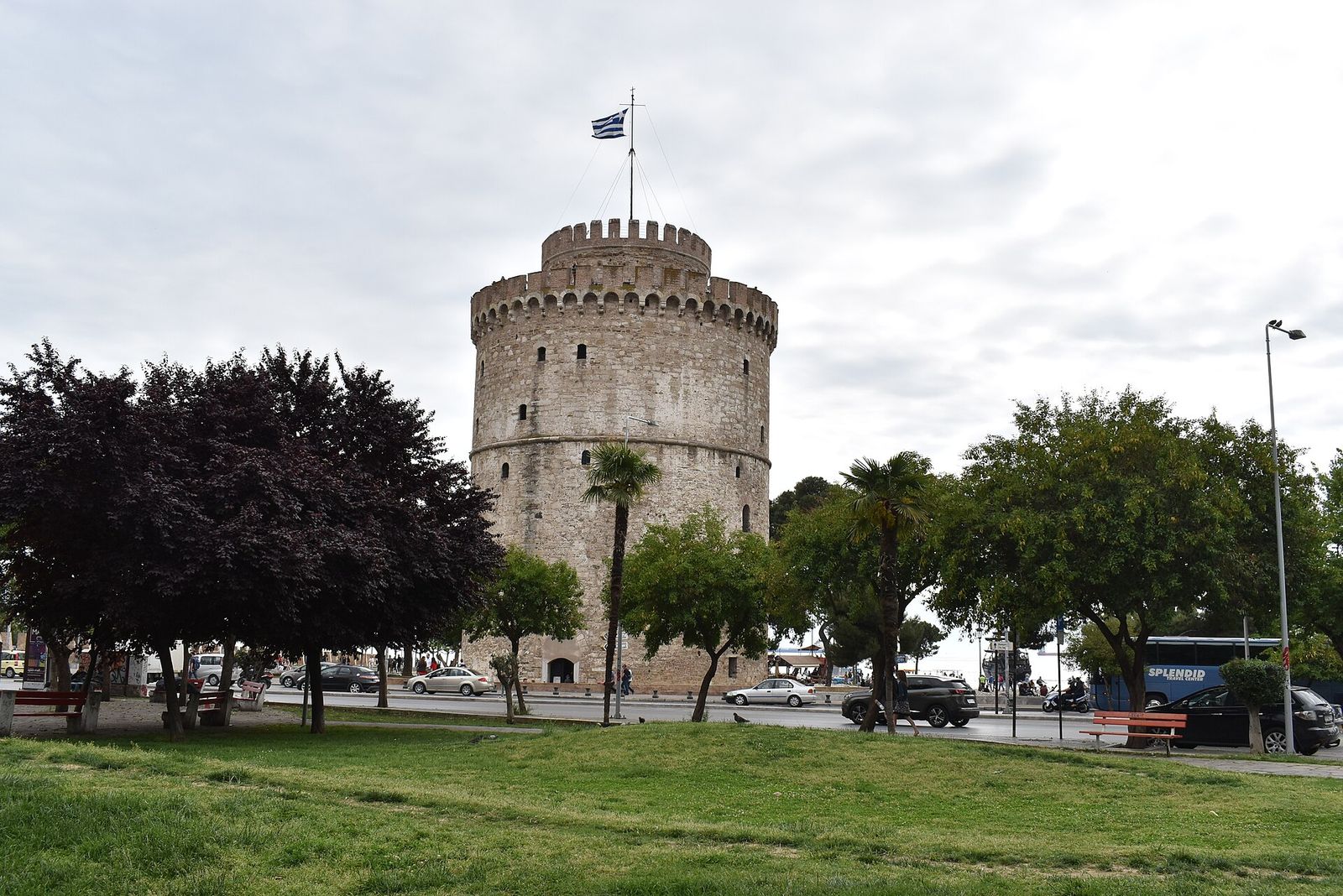
The White Tower of Thessaloniki, Greece
STOP 7c. AD 50

Thessalonica (Thessaloniki) — A Working Church

The second journey crossed into Europe. At Thessalonica, a working port city then as now, Paul argued in the synagogue for three Sabbaths (Acts 17:1–4); some believed, a riot followed, and the believers sent him away by night. His two letters to this church are among the earliest Christian writings that survive. The White Tower in the photograph is Ottoman-era, not Paul's — the city itself, Greece's second city with its early Byzantine churches, is the stop.

Why it matters: Thessalonica is where the route's letters begin: a small community in a busy port that Paul kept writing to for years.
🏛️ Factual link: Thessaloniki's Paleochristian and Byzantine Monuments are a UNESCO World Heritage listing (inscribed 1988). See the collection →

Plan this stop

Guided toursViator — Thessaloniki tours →Affiliate link — you pay the same
Tours tooGetYourGuide →Affiliate link — you pay the same
Stay nearbyStay22 — places to stay →Affiliate link — you pay the same
CoverSafetyWing travel insurance →Affiliate link — you pay the same
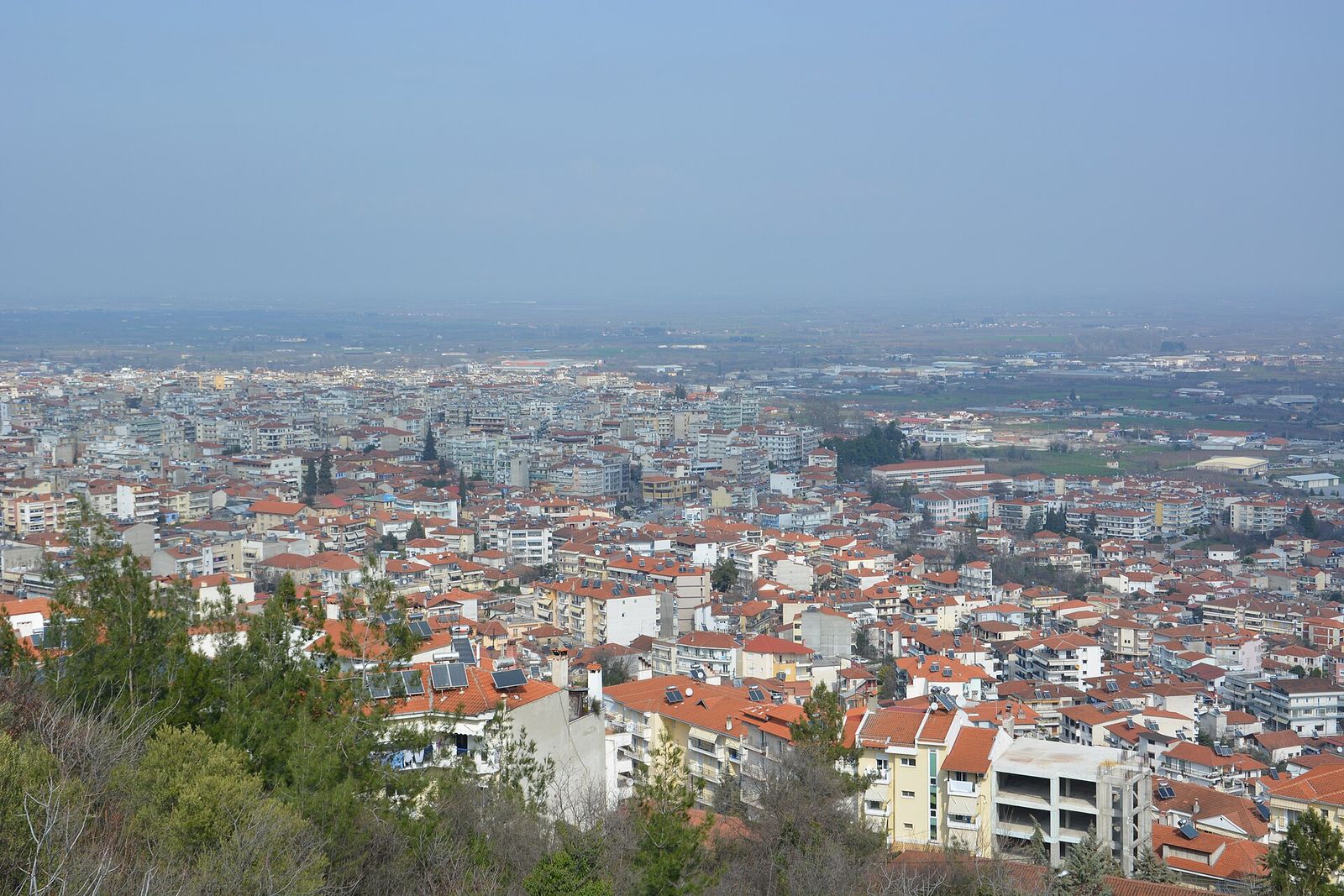
Panoramic view of Veria (ancient Berea), Greece
STOP 8c. AD 50 – 51

Berea (Veria) — The Fair-Minded Listeners

Fifty miles west, Berea received the travellers differently. Acts gives this small city the most quoted compliment in the book: its people “examined the Scriptures every day to see if what Paul said was true” (Acts 17:11). A monument in modern Veria marks Paul's preaching — tradition's marker, labelled as such. The town in the photograph is today's Veria, with its Byzantine churches and old quarters.

Why it matters: Berea is the route's reader's stop — the place that checked the message against the text before believing it. Pilgrims who love footnotes feel at home here.

Plan this stop

Guided toursViator — Veria Berea tours →Affiliate link — you pay the same
Tours tooGetYourGuide →Affiliate link — you pay the same
Stay nearbyStay22 — places to stay →Affiliate link — you pay the same
CoverSafetyWing travel insurance →Affiliate link — you pay the same
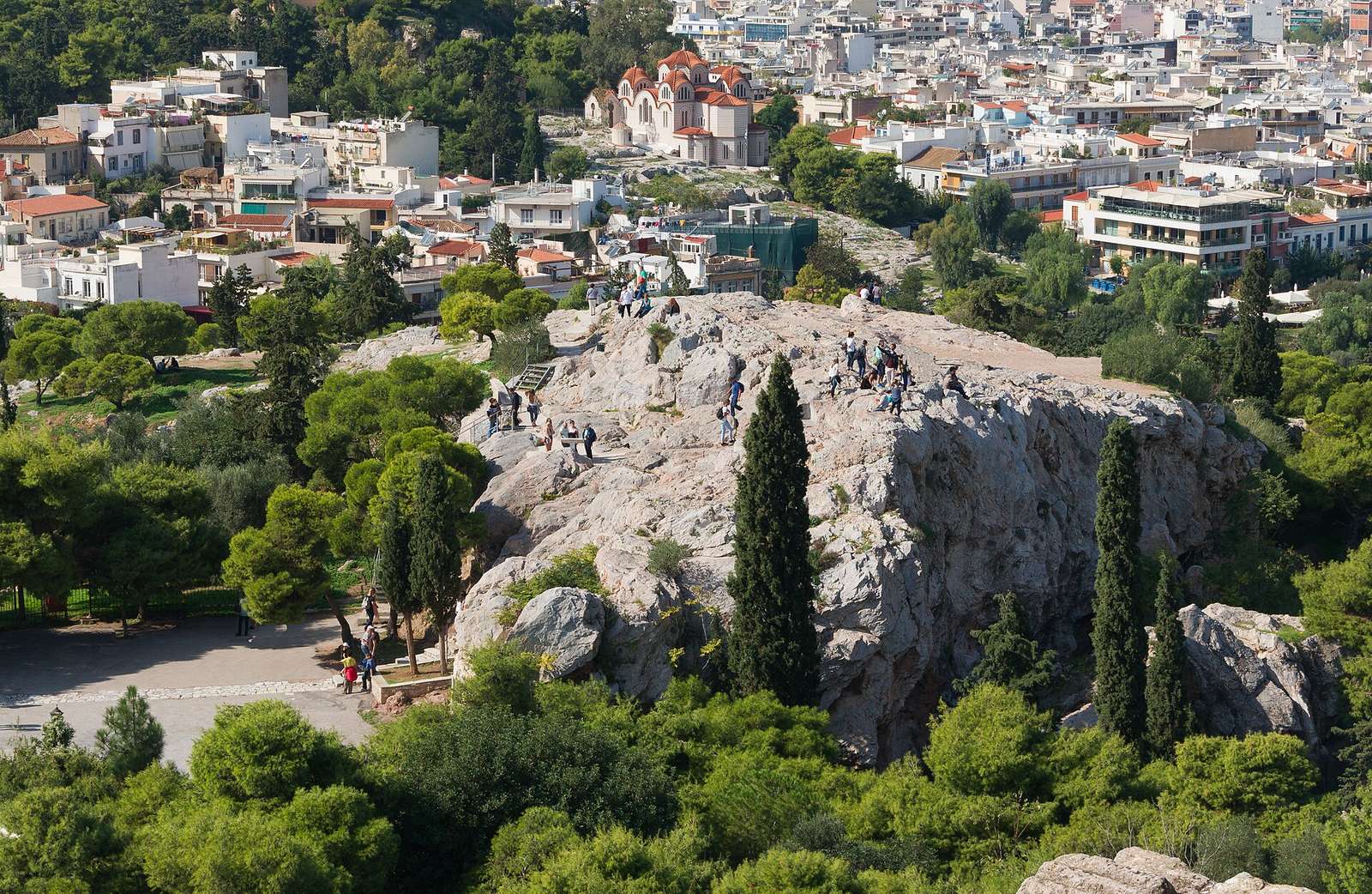
The Acropolis of Athens seen from the Areopagus hill
STOP 9AD 51

Athens — The Speech on the Areopagus

Alone in Athens, waiting for his companions, Paul walked a city full of idols and was invited to explain himself on the Areopagus — the rocky hill in this photograph, below the Acropolis. His speech there (Acts 17:22–31) begins from an altar he had seen, “to an unknown god”, and argues with Greek philosophy on its own ground. Some mocked, some believed. The hill is still open rock above the agora; you can stand on it freely, exactly where the argument happened — the site identification here is as solid as ancient topography gets.

Why it matters: Athens is the route's public-square stop: a faith making its case in the open, in the language of its listeners, without a synagogue to start from.
🏛️ Factual link: the Acropolis of Athens, in view from this stop, is a UNESCO World Heritage site (inscribed 1987). See it in the collection →

Plan this stop

Guided toursViator — Athens tours →Affiliate link — you pay the same
Tours tooGetYourGuide →Affiliate link — you pay the same
Stay nearbyStay22 — places to stay →Affiliate link — you pay the same
CoverSafetyWing travel insurance →Affiliate link — you pay the same
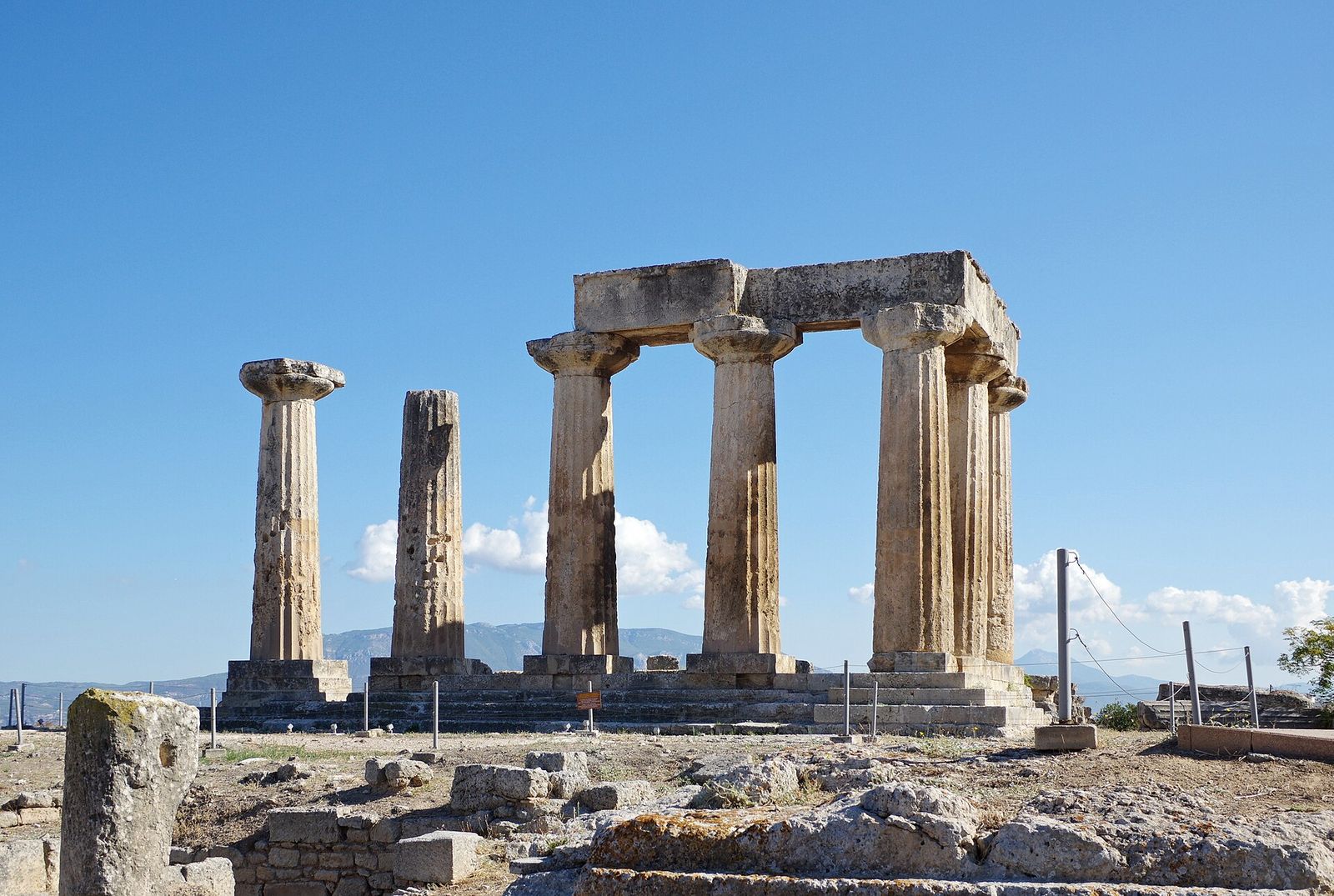
The Temple of Apollo at ancient Corinth, Greece
STOP 10AD 51 – 52

Corinth — Eighteen Months and a Courtroom

Paul stayed in Corinth a year and a half (Acts 18:11) — his longest settled ministry on the second journey — working as a tentmaker alongside Aquila and Priscilla, recent refugees from Rome. Here he was hauled before the proconsul Gallio, who threw the case out (Acts 18:12–17); scholars date Gallio's term from a Delphi inscription to about AD 51–52, which is how the whole chronology of this route is pinned — an estimate, labelled as one. The Temple of Apollo in the photograph still stands over the excavated forum and the bema, the platform of Gallio's hearing.

Why it matters: Corinth is the route's workshop stop: a year and a half of ordinary work, ordinary conflict, and two of the most-read letters ever written coming out of it later.

Plan this stop

Guided toursViator — Ancient Corinth tours →Affiliate link — you pay the same
Tours tooGetYourGuide →Affiliate link — you pay the same
Stay nearbyStay22 — places to stay →Affiliate link — you pay the same
CoverSafetyWing travel insurance →Affiliate link — you pay the same
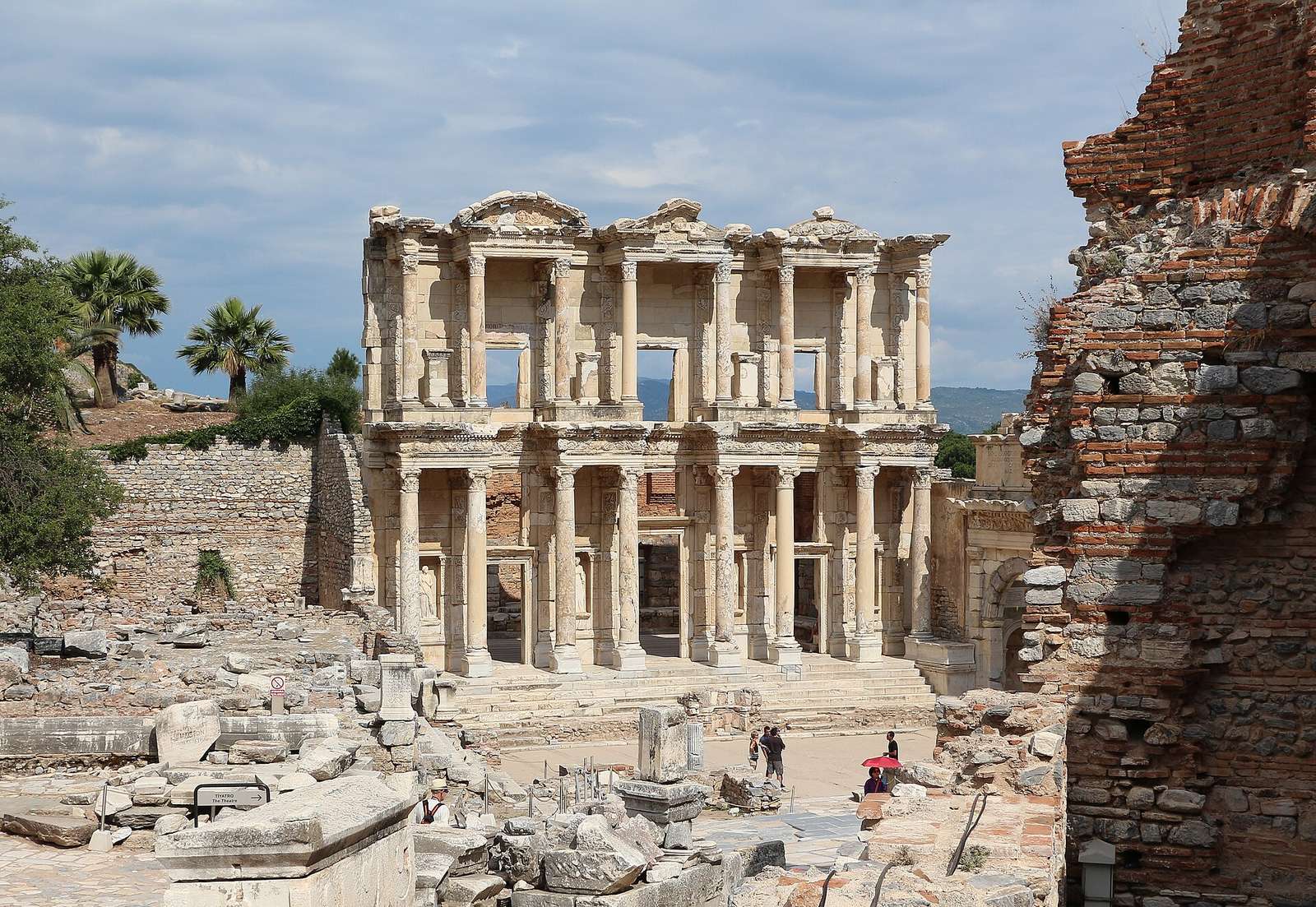
The Library of Celsus at Ephesus, Türkiye
STOP 11c. AD 54 – 57

Ephesus — The Long Stay and the Riot

The third journey's centre was Ephesus, where Paul stayed over two years (Acts 19:10) — teaching daily, by his own later account in tears and trials. Acts ends the stay with economics: Demetrius the silversmith, whose trade in Artemis shrines was threatened, filled the great theatre with a riot that chanted for two hours. The theatre, the Library of Celsus in the photograph, and the ruined Temple of Artemis nearby are all real, excavated and visitable — Ephesus is one of the great ancient cities of the Mediterranean.

Why it matters: Ephesus is the route's cost-counting stop: the message collided with a religious economy, in a theatre you can still sit in.
🏛️ Factual link: Ephesus is a UNESCO World Heritage site (inscribed 2015, criteria iii, iv and vi). See it in the collection →

Plan this stop

Guided toursViator — Ephesus Selcuk tours →Affiliate link — you pay the same
Tours tooGetYourGuide →Affiliate link — you pay the same
Stay nearbyStay22 — places to stay →Affiliate link — you pay the same
CoverSafetyWing travel insurance →Affiliate link — you pay the same
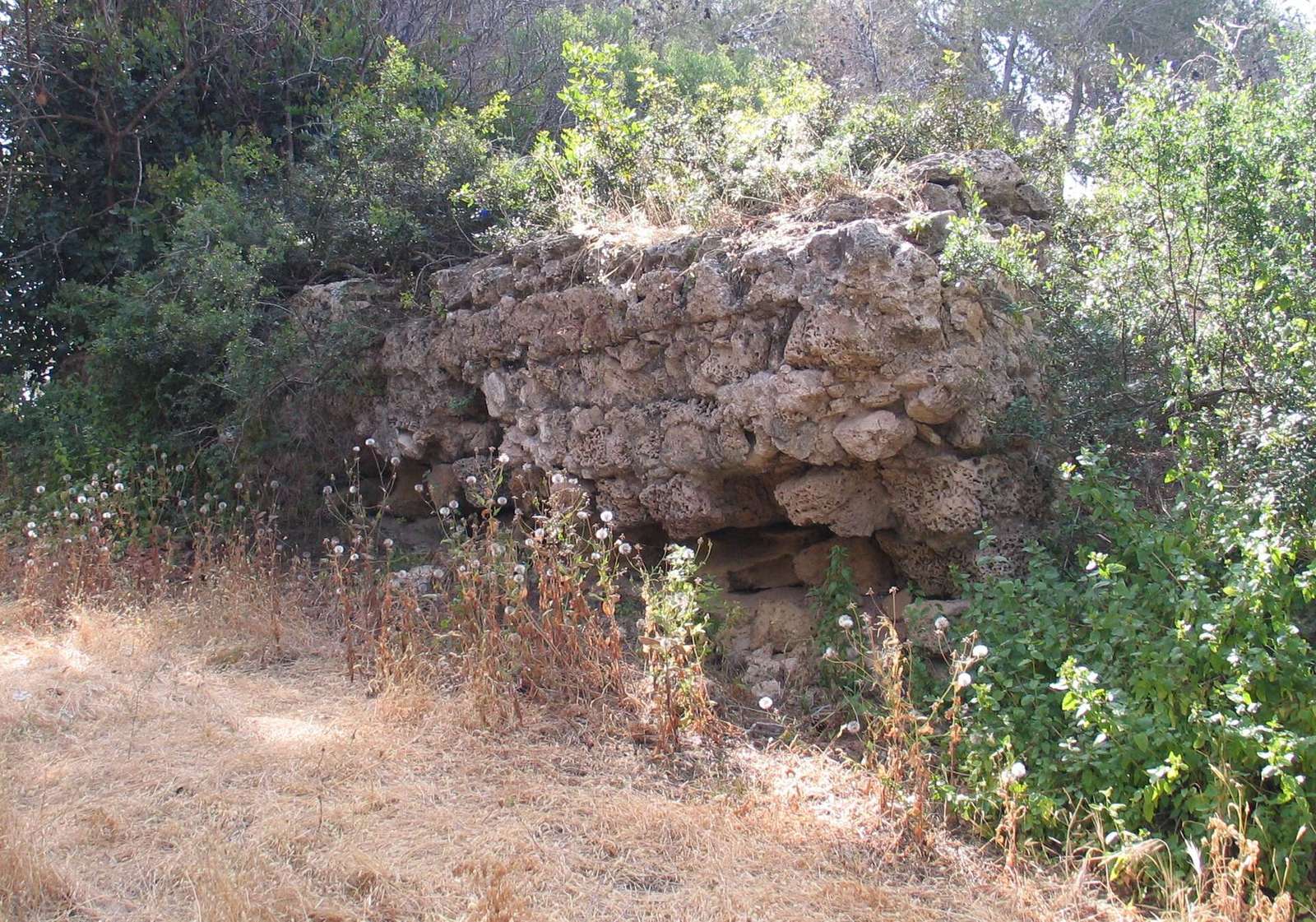
The ruins of Caesarea Maritima, Israel
STOP 12AD 57 – 59

Caesarea Maritima — Two Years a Prisoner

Arrested in Jerusalem after the third journey, Paul was held for two years in Caesarea, Herod's port city on the Mediterranean (Acts 23–26) — heard by two Roman governors and a Herodian king, before appealing to Caesar and being put on a ship for Rome. The theatre, harbour works and aqueduct in the ruins are excavated and open. A stone found here bearing Pontius Pilate's name — the Pilate Stone — is the most famous single find of the site; the original is in the Israel Museum.

Why it matters: Caesarea is the route's waiting stop: two years of custody that turned a prisoner into an appellant, and a regional trial into a voyage to the capital of the world.

Plan this stop

Guided toursViator — Caesarea tours →Affiliate link — you pay the same
Tours tooGetYourGuide →Affiliate link — you pay the same
Stay nearbyStay22 — places to stay →Affiliate link — you pay the same
CoverSafetyWing travel insurance →Affiliate link — you pay the same
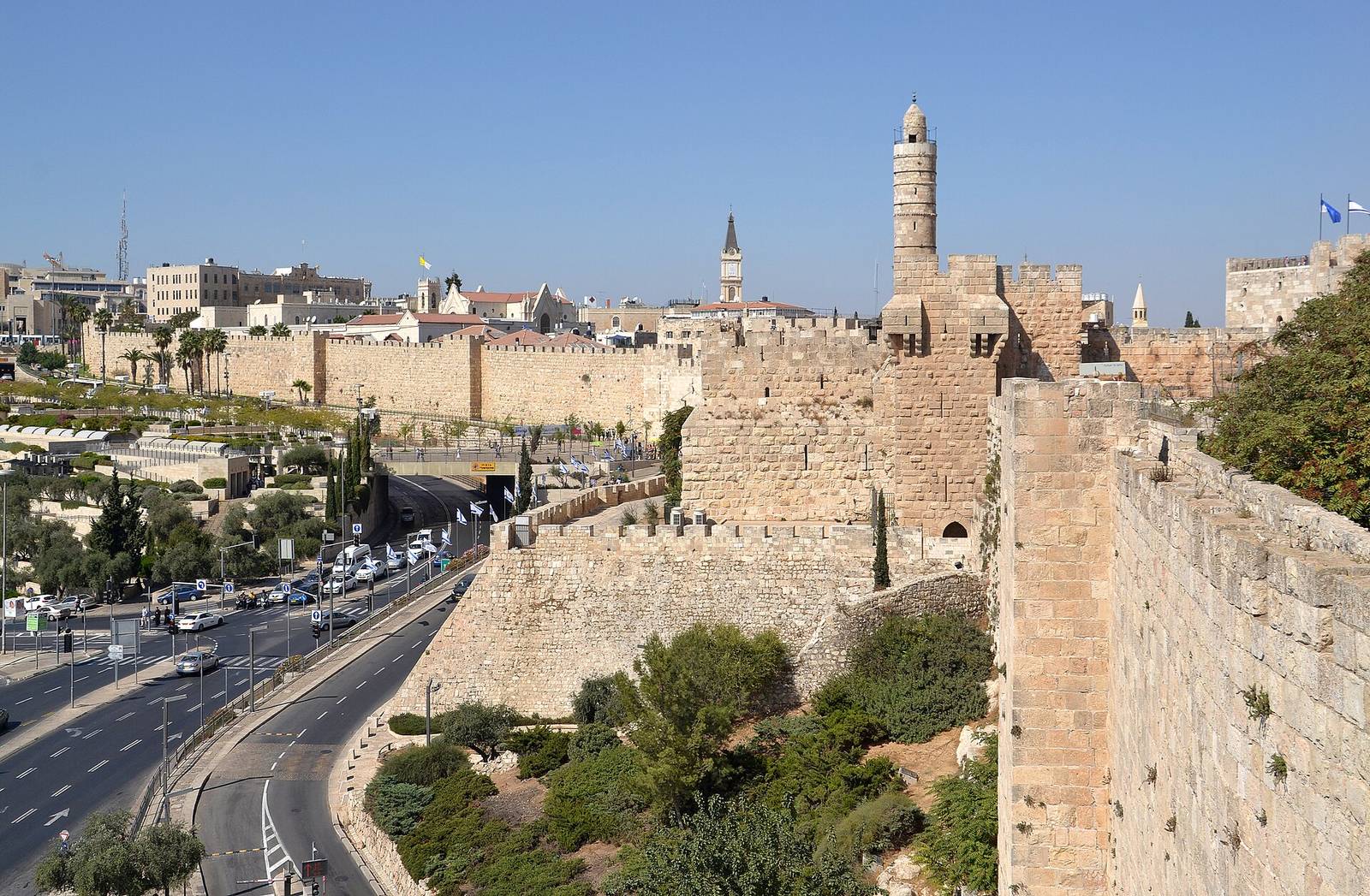
The Old City walls of Jerusalem
STOP 13AD 57

Jerusalem — The Arrest

Paul's last recorded arrival in Jerusalem ended in the Temple courts: a riot, a rescue-arrest by the Roman garrison, and a speech from the fortress steps (Acts 21–22). He never left custody again. This stop is the doorway to our separate Holy Land route, which walks Jerusalem's sites in the order of Jesus' life — including the Old City and its walls, a World Heritage listing since 1981. We keep the two routes' stories distinct: his arrest here is told on this page; the city's own holy places are told on theirs.

Why it matters: Jerusalem is where every journey of this route converges — and where Paul's travelling ended and his testifying changed address.
🏛️ Factual link: the Old City of Jerusalem and its Walls are a UNESCO World Heritage listing (inscribed 1981). See the collection → · This stop overlaps our Holy Land route — two different stories at the same stones.

Plan this stop

Guided toursViator — Jerusalem tours →Affiliate link — you pay the same
Tours tooGetYourGuide →Affiliate link — you pay the same
Stay nearbyStay22 — places to stay →Affiliate link — you pay the same
CoverSafetyWing travel insurance →Affiliate link — you pay the same
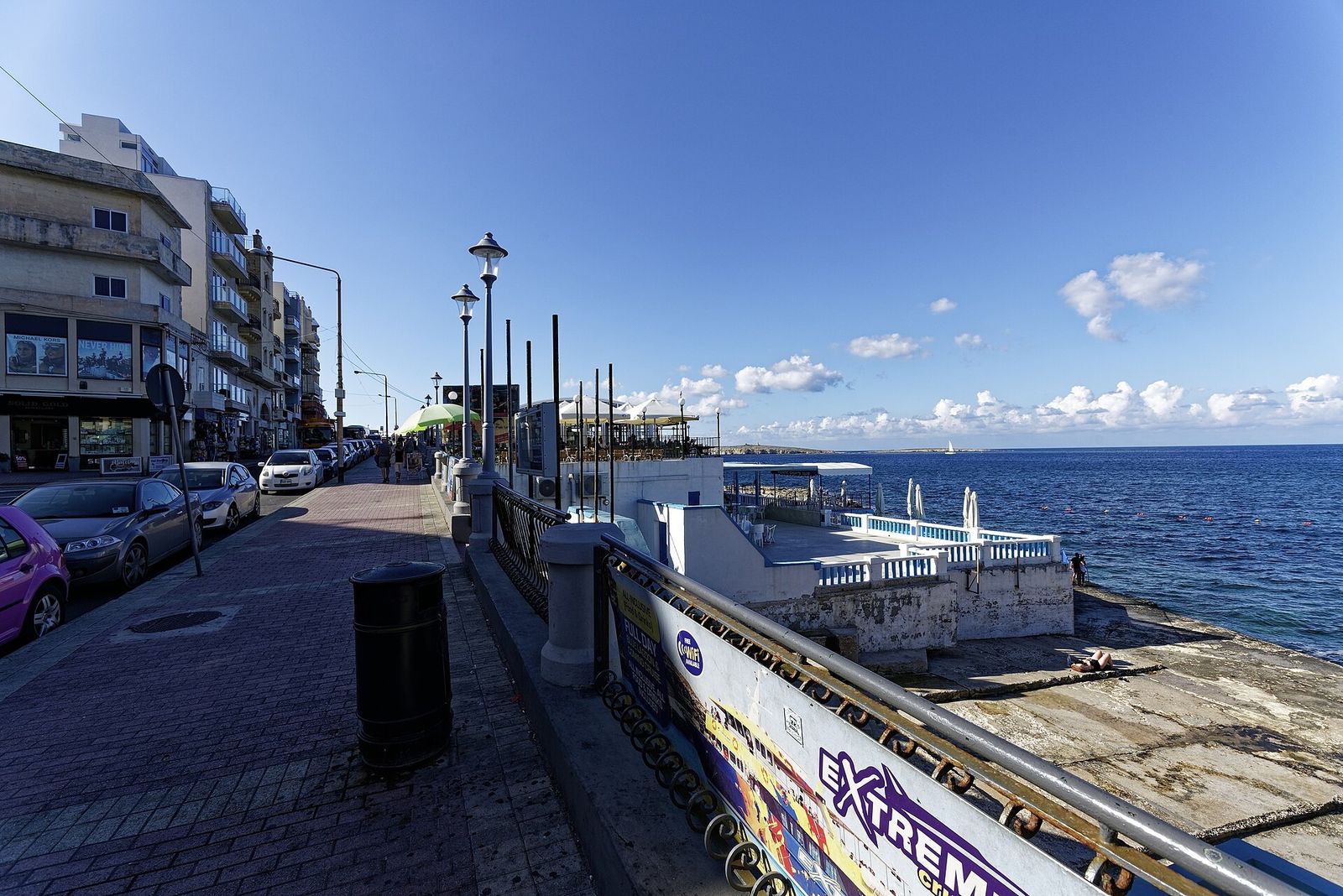
St Paul's Bay, Malta
STOP 14AD 60

Malta — Shipwreck and Winter

The voyage to Rome wrecked on Malta. Acts 27–28 tells the story in sailor's detail — the storm, the ship breaking up, everyone ashore alive, a winter of three months on the island, and kindness from the islanders that Paul never forgot to record. The bay in the photograph carries his name by tradition; Maltese tradition has honoured the wreck here since early centuries, and the identification of the exact bay is traditional, labelled as such. Either way, the island's welcome is the recorded fact at the heart of the stop.

Why it matters: Malta is the route's mercy stop: a disaster that became three months of shelter — the journey resumed because strangers were kind.

Plan this stop

Guided toursViator — Malta St Pauls Bay tours →Affiliate link — you pay the same
Tours tooGetYourGuide →Affiliate link — you pay the same
Stay nearbyStay22 — places to stay →Affiliate link — you pay the same
CoverSafetyWing travel insurance →Affiliate link — you pay the same
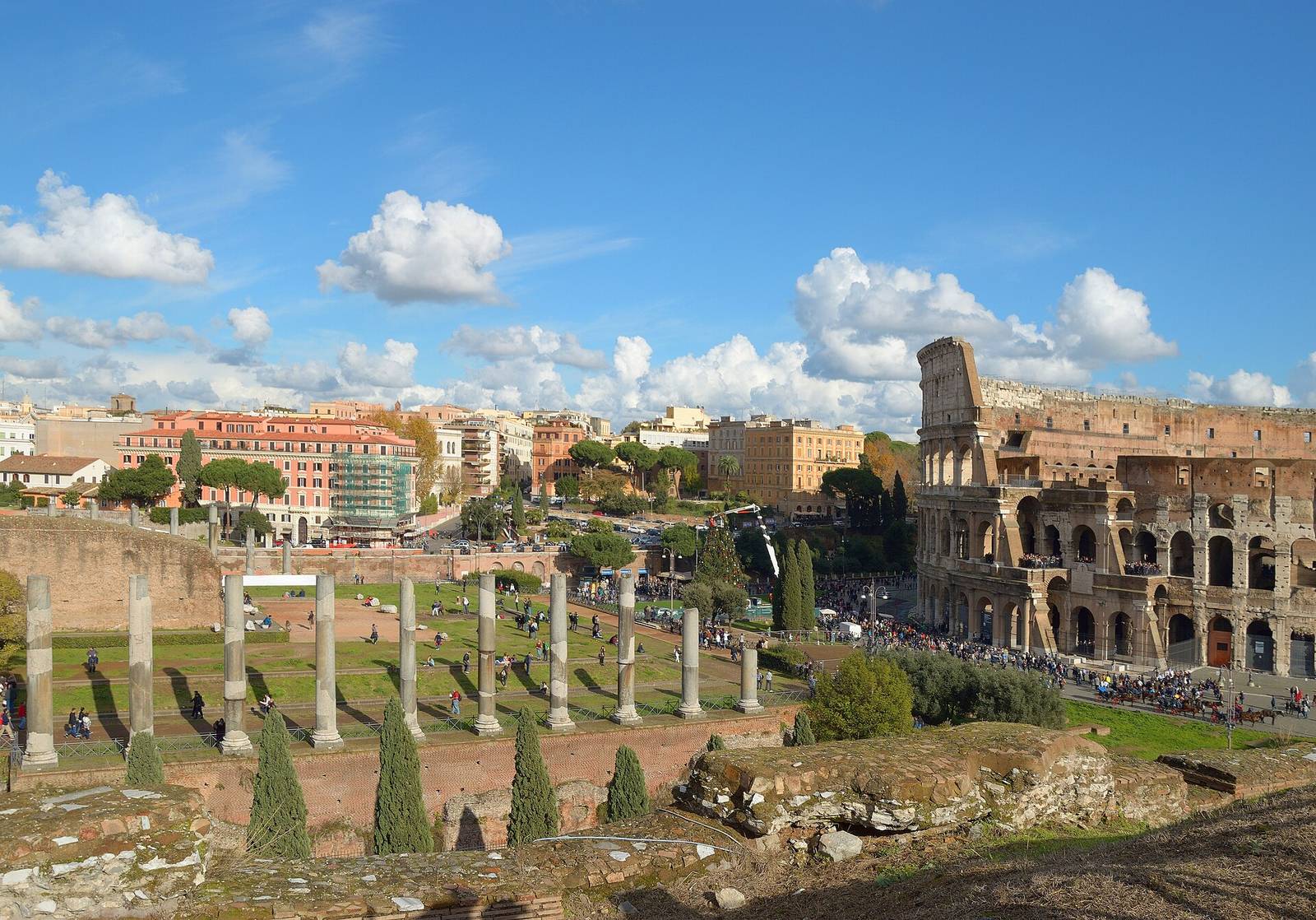
The Colosseum, Rome
STOP 15AD 60 – 62

Rome — The End of the Record

Acts ends in Rome — not with a verdict, but with two years of Paul in his own rented house, “proclaiming the kingdom of God… with all boldness and without hindrance” (Acts 28:30–31). The written record stops there, mid-sentence, as if the story were meant to continue in the reader. What came after belongs to Roman tradition: that Paul was executed in Rome under Nero, traditionally placed on the Ostian Way, where the basilica of St Paul Outside the Walls now stands — a tradition held by the Roman church for as long as records run, and labelled here as tradition. The Colosseum in the photograph was built a decade after his death; the Rome he knew was the Forum's, and both are within the same historic centre listing.

Why it matters: Rome is the route's open ending: a prisoner under guard, an unfinished book, and a tradition that carried the story the remaining miles. The route ends the way Acts does — pointing forward.
🏛️ Factual link: the Historic Centre of Rome is a UNESCO World Heritage site (inscribed 1980, extended 1990). See it in the collection →

Plan this stop

Guided toursViator — Rome tours →Affiliate link — you pay the same
Tours tooGetYourGuide →Affiliate link — you pay the same
Stay nearbyStay22 — places to stay →Affiliate link — you pay the same
CoverSafetyWing travel insurance →Affiliate link — you pay the same
Route complete? Fifteen stamps mean you have followed the journeys from the sending church to Rome. The story continues in two of our other routes: Paul's arrest city gets its own walk in the Holy Land route, and the churches he founded in Asia Minor sit beside the seven churches country route in Türkiye. Back to the Pilgrimage Routes hub · UNESCO World Heritage collection · Our Greece guide · Our Türkiye guide
Photo credits: Cave Church of St Peter, Antakya by Dosseman, CC BY-SA 4.0 · Paphos harbour, Cyprus by Anatoliy Smaga, CC BY-SA 4.0 · Roman gate, Perga by Wolfgang Sauber, CC BY-SA 3.0 · Pisidian Antioch ruins, Yalvaç by Dosseman, CC BY-SA 4.0 · Alaaddin Hill, Konya (Iconium) by Dosseman, CC BY-SA 4.0 · Site of Derbe, Lycaonian plain (1879 engraving after Davis) by —, Public domain · White Tower, Thessaloniki by Annatsach, CC BY-SA 4.0 · Veria (Berea) panorama by CC BY-SA 3.0 · View from the Areopagus, Athens by Jebulon, CC0 · Temple of Apollo, ancient Corinth by Berthold Werner, CC BY-SA 3.0 · Library of Celsus, Ephesus by Bernard Gagnon, CC BY-SA 3.0 · Caesarea Maritima ruins by Bukvoed, CC BY 3.0 · Old City walls, Jerusalem by Pudelek, CC BY-SA 4.0 · St Paul's Bay, Malta by Txllxt TxllxT, CC BY-SA 4.0 · Colosseum, Rome by Livioandronico2013, CC BY-SA 4.0 — all via Wikimedia Commons.