
🏛️ Washington, DC — the free layer, mapped honestly
Washington is a federal city, and it plans like one. Its core is a single ceremonial axis — the Capitol at one end, the Lincoln Memorial at the other, the Washington Monument between them — lined on both sides by the Smithsonian museums. The Smithsonian's own fact sheet states it plainly: admission to all Smithsonian museums in Washington is free. That makes DC the strongest free-museum city in this hub — and also the easiest to misdescribe, because free does not always mean walk-in, the Smithsonian is not the only museum system in town, and some of the city's most famous rooms are reached by timed passes, guided tours or tickets booked through the Park Service. This page maps the free layer precisely — what is free, what needs a pass, what is not Smithsonian at all — then covers the memorials, the Capitol, the neighbourhoods beyond the Mall, and how the Metro and the two airports actually work. No prices are stated; where a fee exists at all, it belongs to the operator's page.
The lay of the land — one axis, three layers
DC rewards being understood as a diagram. The Mall is the diagram's spine; the Smithsonian row is its museum layer; the memorials form its western end; and the federal buildings — Capitol, White House, the departments — are not backdrop but working institutions with their own visiting rules. Beyond the axis sit the neighbourhoods where the city actually lives. The table is the map; the cards below carry the booking detail.
| Layer | What is in it | How it works | Watch out |
|---|---|---|---|
| The Smithsonian row | Natural History · American History · African American History & Culture · Air and Space · American Indian · African Art · Asian Art · Hirshhorn — along the Mall, plus American Art & Portrait Gallery downtown | Admission free (Smithsonian, in Washington); most are walk-in, three DC sites need free timed passes | Each museum is a separate building with its own hours — there is no single Smithsonian ticket, desk or closing time |
| The memorial west end | Washington Monument · WWII Memorial · Reflecting Pool · Lincoln · Vietnam · Korean War · MLK Jr. · FDR · Jefferson at the Tidal Basin | Outdoor memorial spaces, open to walk at any hour of the visit; the Monument's interior is the ticketed exception | The distances are deceptive — the Mall is long, and the memorials are a walk, not a cluster of doorways |
| The federal layer | U.S. Capitol & Visitor Center · White House (exterior) · National Archives · Library of Congress | Working institutions: the Capitol is entered on free guided tours only; each building sets its own visiting system | Do not assume a museum pattern — security, reservations and closed days follow the institution, not the visitor |
| The lived city | Georgetown · Dupont Circle · U Street · Capitol Hill & Eastern Market · the National Zoo in Woodley Park | Where DC eats, shops and lives; the Zoo is the Smithsonian's second campus | Georgetown has no Metro station of its own — the lived city takes a little more transport planning than the Mall |
The Smithsonian — free, with three pass-shaped exceptions
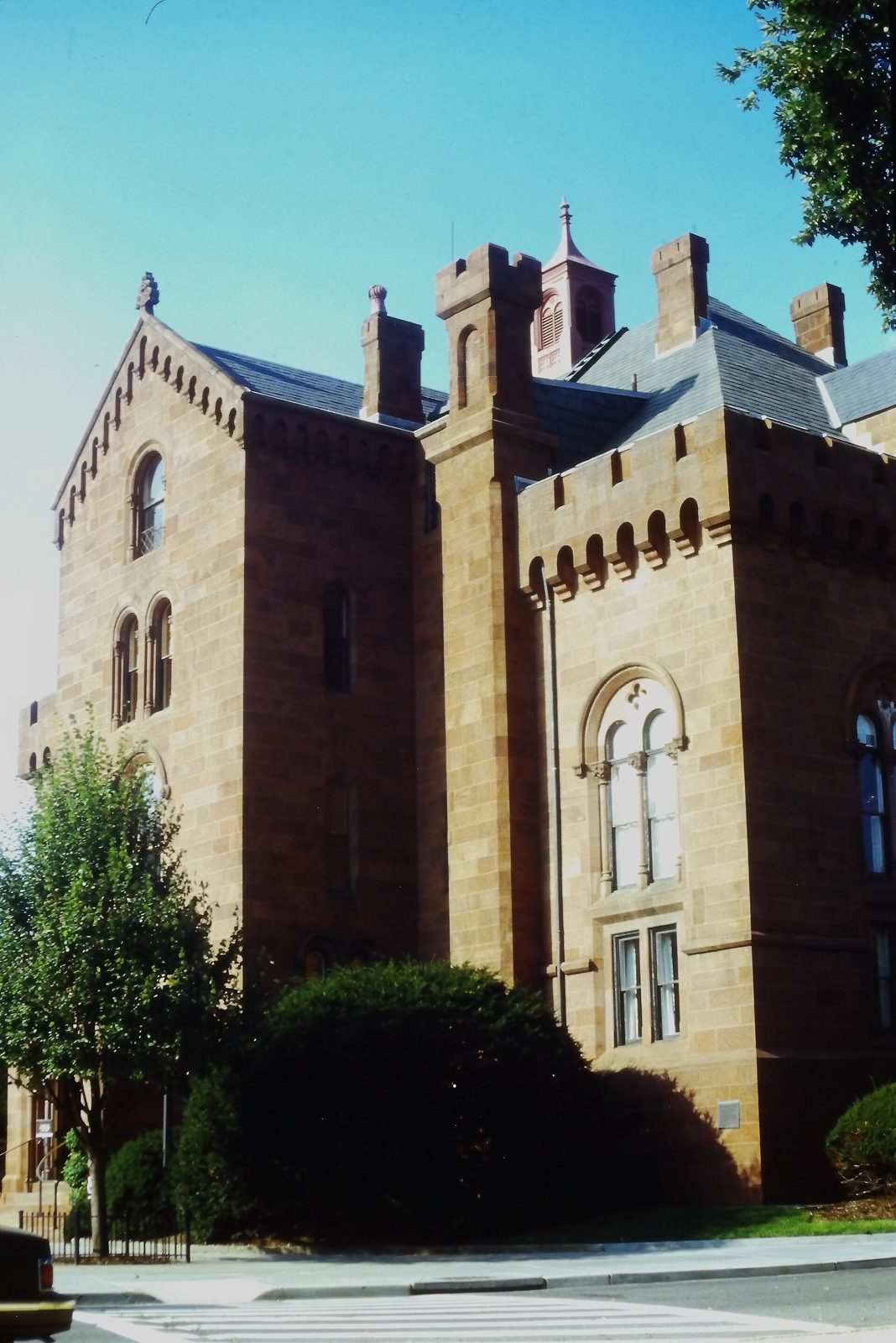
The Smithsonian museums on the Mall Museum system — admission free
Strengths
- The strongest free layer of any city in this hub, in the institution's own words: "Admission to all Smithsonian museums in Washington is free" — natural history, American history, African art, Asian art, the American Indian museum, the Hirshhorn and more, in separate buildings along one walkable axis
- Most of them are simply walk-in: no ticket, no pass, no combined booking — you choose by interest and energy, museum by museum, which makes rainy-day and tired-feet replanning painless
- The downtown pair — the Smithsonian American Art Museum and the National Portrait Gallery, sharing a building a few blocks north of the Mall — extends the same free layer into the city's commercial centre
Watch out
- "Free" is scoped, and this page keeps the scope: it is the Smithsonian's statement about its museums in Washington. The Smithsonian's own design museum, Cooper Hewitt, is in New York and charges admission — and DC's non-Smithsonian museums each set their own terms
- Free is not the same as walk-in everywhere: two Mall museums and the Zoo run on free timed-entry passes (next card) — the pass costs nothing, but arriving without one can end the visit at the door
- Each building keeps its own hours and its own last-entry rhythm; a plan that treats "the Smithsonian" as one place with one closing time will strand you
Best for: the daytime spine of the trip — two museums a day, chosen by appetite, is the pace the row rewards.
See the Smithsonian →Official site Browse Washington tours →Affiliate link — you pay the sameThe pass three — NMAAHC, Air and Space, the Zoo Free timed-entry passes
Strengths
- The National Museum of African American History and Culture and the National Air and Space Museum are, for many visitors, the two essential Smithsonian buildings — and their passes are free, released in advance with same-day availability in the pattern each museum publishes
- The National Zoo — the Smithsonian's living collection, giant pandas included in the general entry pass structure — is likewise free with its entry pass, turning DC's best family half-day into a transit ride, not a ticket purchase
- The pass system is a capacity tool, not a paywall: inside, the visit is unhurried, and the pass does not time your exit
Watch out
- Passes are per museum, per day, and they go: peak seasons and weekends are claimed early, and same-day releases are a morning scramble, not a strategy. Book the anchors first, then build walk-in museums around them
- The Air and Space Museum's second campus — the Steven F. Udvar-Hazy Center near Dulles, in Virginia — is a different visit from the Mall building: no pass pattern, but its own trip, and parking there is the operator's own arrangement
- Release timings change; any guide (including older versions of official roundups) quoting exact release hours is describing a pattern that may already have moved. The museum's own visit page is the only safe source
Best for: the bookings that organise the whole trip — secure these first, on the Smithsonian's own pages, before anything else is planned.
See the Smithsonian museums →Official site See the National Zoo →Official siteThe Mall, the memorials and the federal layer
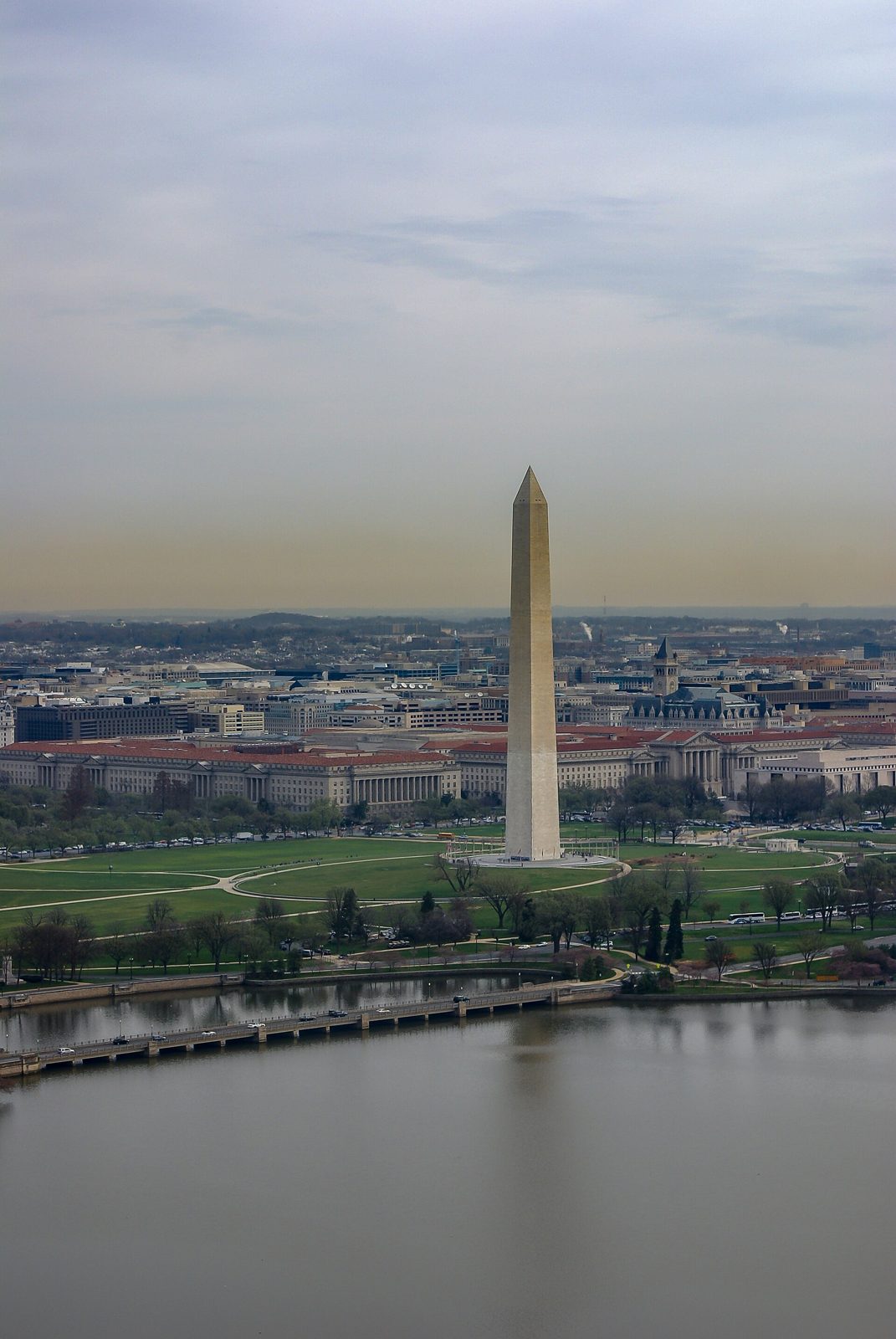
The Washington Monument & the memorials National Park Service — National Mall
Strengths
- The memorial landscape is the city's great open-air museum: Lincoln, Jefferson, World War II, Vietnam, Korean War, Martin Luther King Jr. and FDR, arranged along the Mall's west end and the Tidal Basin, walkable as one long, free, unhurried circuit
- The Washington Monument's observation level is the one true overview of the federal city — the axis, the White House and the Capitol in a single sightline
Watch out
- The Monument's interior is ticketed: timed-entry tickets through Recreation.gov, released in advance, with a limited same-day distribution at the Washington Monument Lodge in the morning — and the Park Service notes a small fee attaches to advance tickets even though admission itself is free. The grounds need no ticket; the elevator does
- The memorials are far apart in walking terms and entirely exposed to weather; the circuit is a half-day on foot, and summer heat on the Mall is a real planning factor, not a footnote
Best for: early morning or evening — the memorials in low light, with the Monument ticket, if you secured one, as the day's fixed point.
See National Mall & Memorial Parks →Official site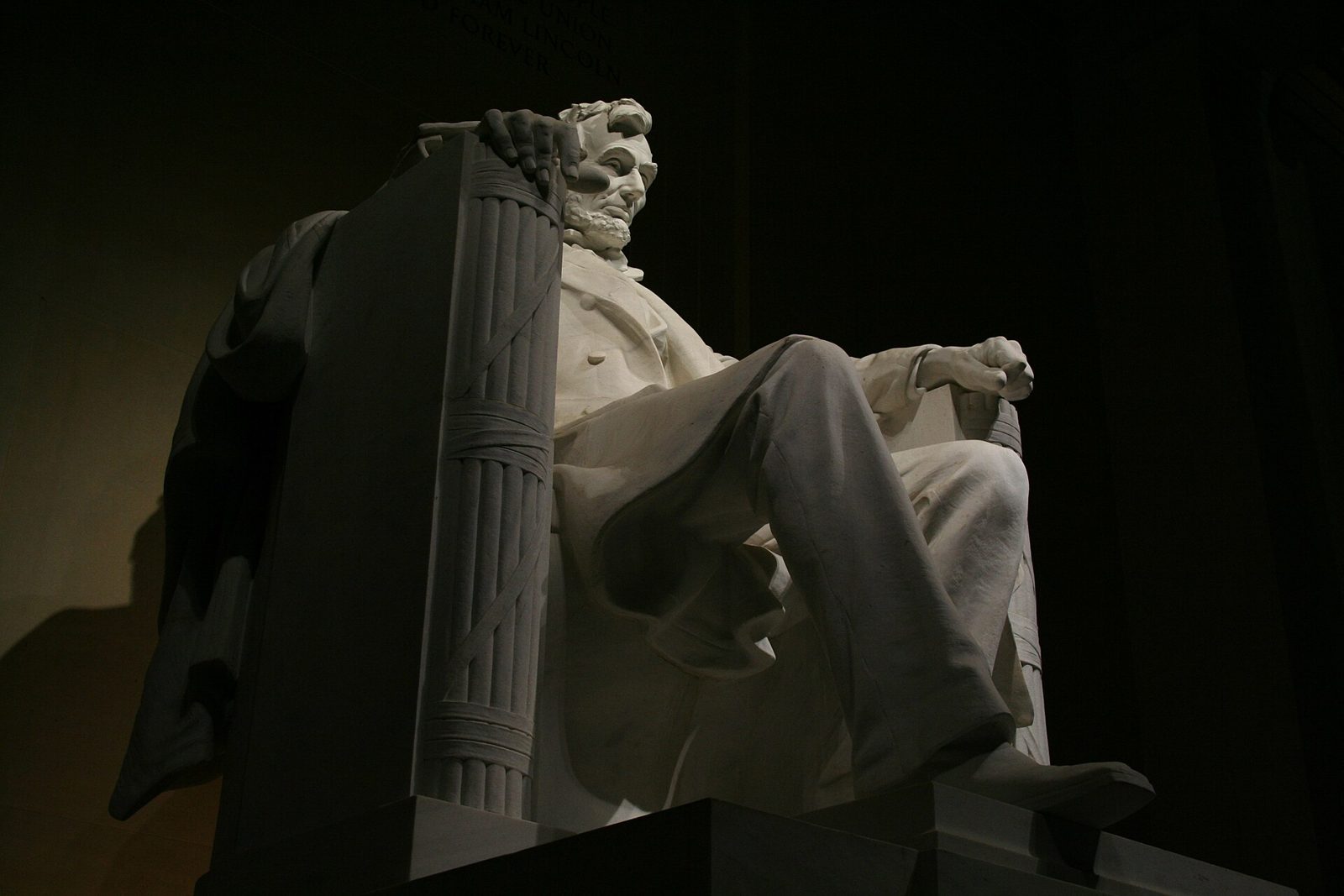
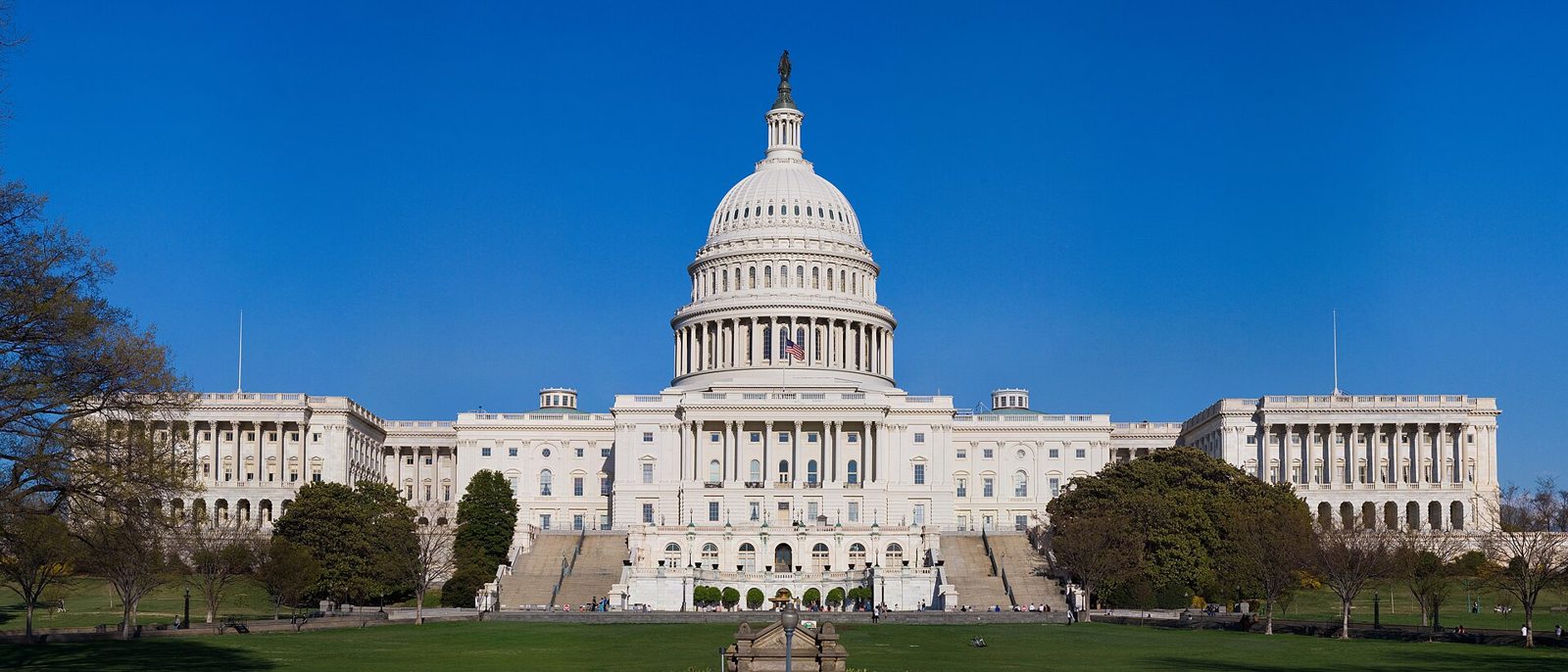
The U.S. Capitol Guided tours — free of charge
Strengths
- The federal layer's essential interior: the Capitol Visitor Center's own statement is that all tours, programmes and activities are free of charge — professional guides lead every tour through the Crypt, the Rotunda and National Statuary Hall
- The Visitor Center sits underground on the Capitol's east side, with its exhibition hall as the orientation the Mall itself never quite gives you
Watch out
- There are no self-guided tours: the historic Capitol is seen on a guided tour or not at all, reservations are recommended even though walk-up visitors are welcomed, and the tour does not include the Senate and House galleries
- It is a working seat of government — security screening is airport-like, and the building's calendar, not the visitor's, can close or reroute a day
Best for: the morning anchor of an east-Mall day — Capitol first, then the museums westward as the day loosens.
See the Capitol Visitor Center →Official site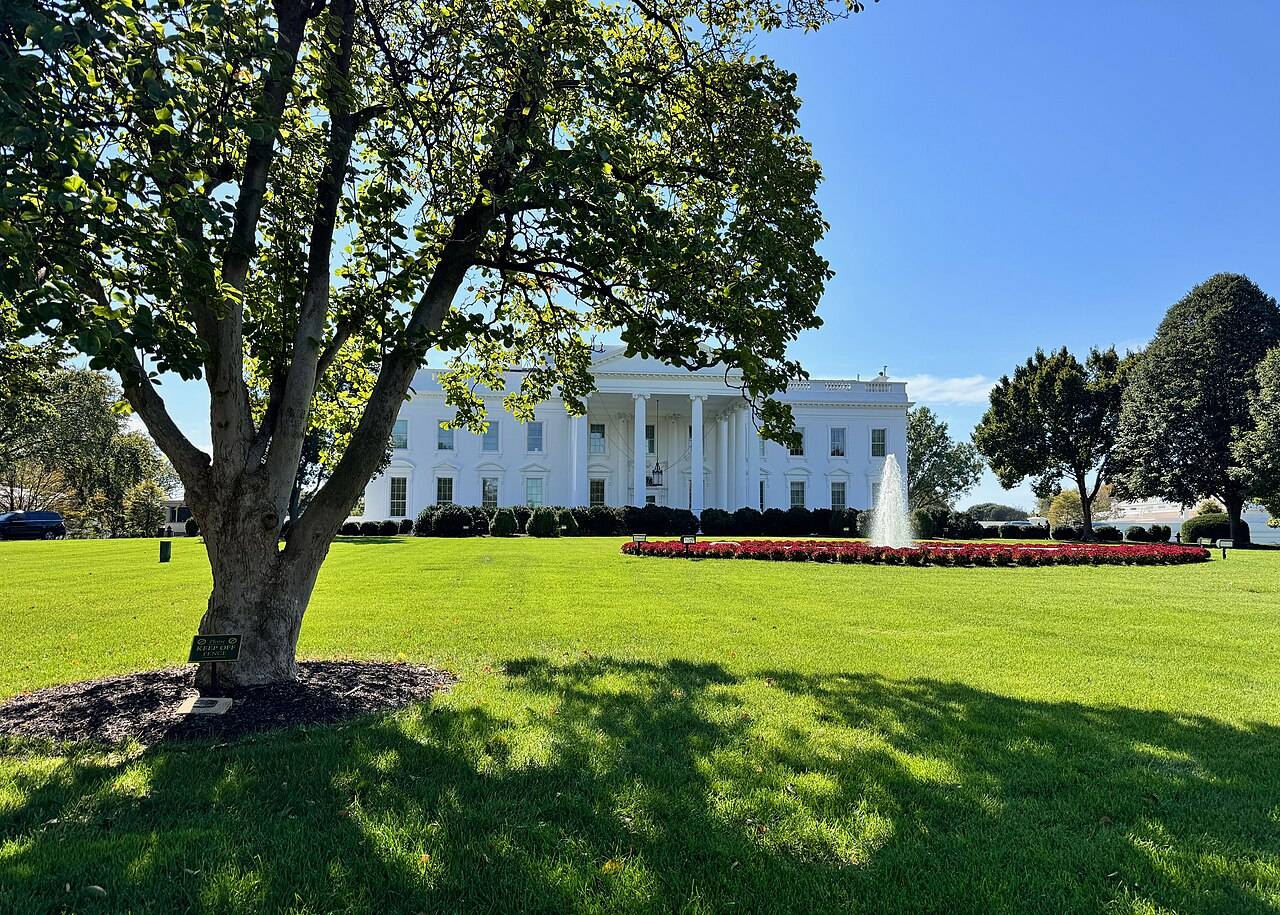
The White House & the National Gallery The two famous neighbours
Strengths
- The National Gallery of Art — a separate institution from the Smithsonian, in two buildings on the Mall's north side with its sculpture garden — is free as a matter of its own policy, and belongs on any art day beside the Hirshhorn and the American Art Museum
- The White House exterior, seen from Lafayette Square and the Ellipse side, completes the federal diagram: Capitol, Mall, Monument, and the president's house on its own north axis
Watch out
- The White House is an exterior visit for the ordinary traveller: interior tours run on a request system with eligibility rules that are outside this page's scope — plan the photograph, not the interior, and let the official White House pages state the current rules
- The Gallery is routinely misfiled as "another Smithsonian" — it is not, which matters only because its hours and exhibition ticketing are its own, not the Smithsonian's pattern
Best for: the art day's core (Gallery) and the diagram-completing walk (White House) — paired with Lafayette Square and the downtown Smithsonian pair.
See Washington.org →Official siteBeyond the Mall — the lived city
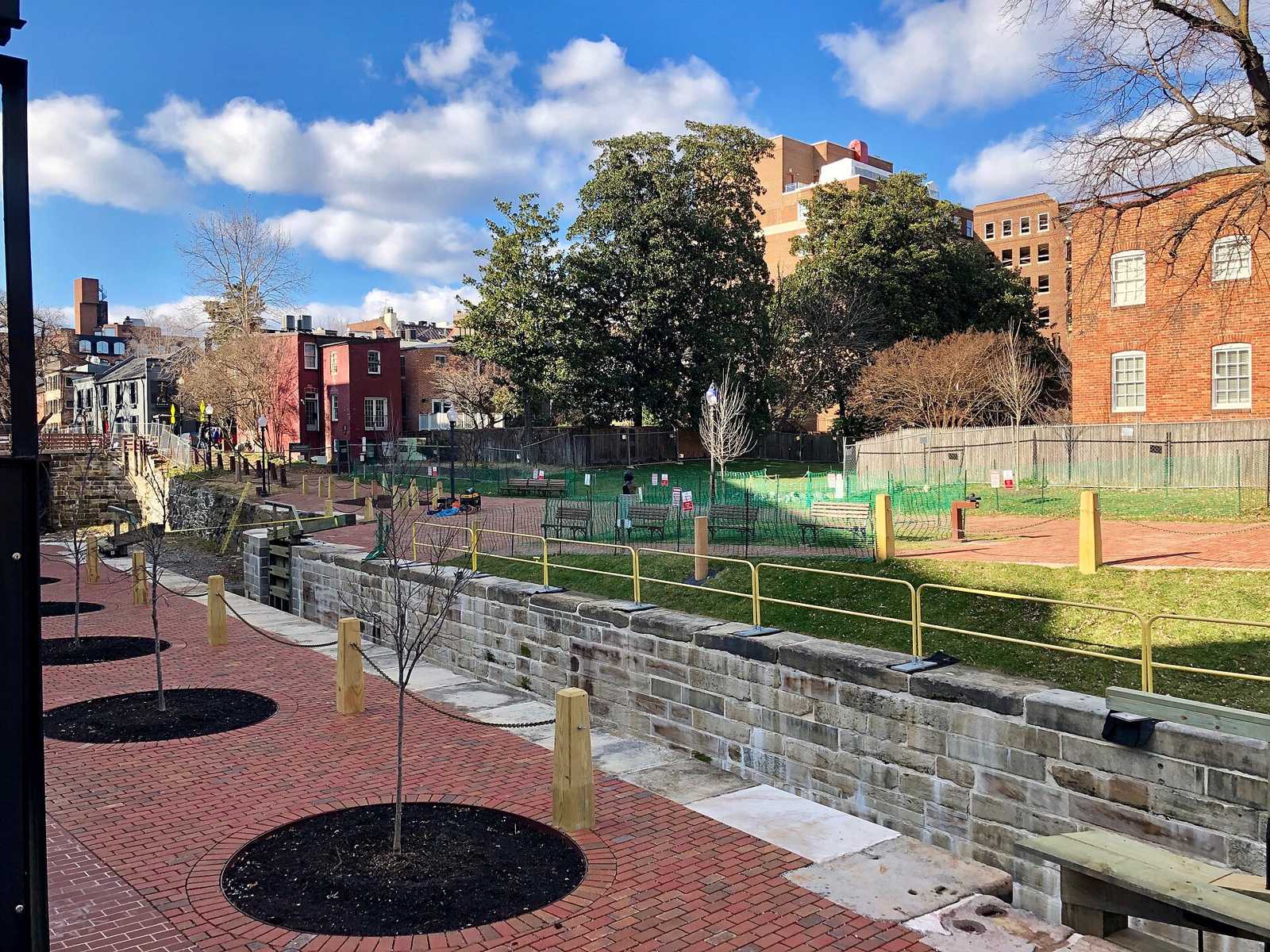
Georgetown & the neighbourhoods The residential layer
Strengths
- Georgetown is the counterweight the Mall needs: a historic port neighbourhood of brick rowhouses, the C&O Canal towpath, university streets and the city's most storied shopping blocks — federal DC's human scale
- The wider ring rewards choosing: Dupont Circle for the embassy-and-bookshop city, U Street for Black Broadway's music history, Capitol Hill and Eastern Market for the residential east side, Woodley Park as the Zoo's front porch
Watch out
- Georgetown has no Metro station of its own — the nearest rail stops are across the river in Rosslyn or east at Foggy Bottom, with buses and a walk completing the trip. It is the one DC cluster where transport is a decision, not a reflex
- Neighbourhood DC runs on neighbourhood hours: markets, small museums and historic houses here keep shorter, more local calendars than the Mall's — check the day, not the assumption
Best for: the second half of the trip — one neighbourhood done properly beats four done as drive-bys.
See Washington.org neighbourhoods →Official siteWhich Washington day is yours?
The city course in this hub's sense: half-day modules first, then the one-day build, then what extra days honestly add. Slots, not timetables — the pass museums set the fixed points, and everything else flexes around them.
Getting around — a Metro city with two rail-served airports
What about money?
Deliberately, this page carries no budget table and no stated prices — that is this hub's standing rule for city courses. DC's honest structure is unusual: the headline layer costs nothing at the door — Smithsonian museums in Washington are free by the institution's own statement, Capitol tours are free of charge, the memorials are open ground — and the trip's real costs concentrate in sleep, food, transit and the non-Smithsonian extras a traveller chooses to add. Free admission is not a free trip, and this page won't pretend otherwise. For worked numbers, our budget calculator builds example budgets for US trips — treat every figure there as an example to adjust, not a quote — and our travel cards comparison covers paying without foreign-transaction surprises.
Decisions that actually matter
Are all the museums in Washington, DC free?
Not all — and the precise version matters. The Smithsonian states that admission to all its museums in Washington is free, the National Gallery of Art is free under its own policy, and Capitol tours are free of charge. But DC also has museums outside the Smithsonian with their own admission policies, and the Smithsonian's own Cooper Hewitt design museum — in New York — charges. Plan on the Smithsonian row and the Gallery being free; verify any other museum on its own page.
Which Smithsonian sites need passes?
Three in DC, as of this page's November 2026 check: the National Museum of African American History and Culture, the National Air and Space Museum on the Mall, and the National Zoo — all free, all pass-controlled. The other Smithsonian museums are walk-in. Passes are released in advance with same-day availability in patterns each museum sets; because those patterns change, book through each museum's own visit page and treat any exact release time quoted elsewhere as perishable.
Do I need a ticket for the Washington Monument?
For the grounds, no. For the interior and the observation level, yes — a timed-entry ticket, reserved in advance through Recreation.gov (the Park Service notes a small fee attaches to advance tickets) or collected same-day at the Washington Monument Lodge, where distribution starts in the morning on a first-come basis. It is the one Mall sight to book with the same seriousness as the pass museums.
DCA or Dulles — which airport should I choose?
By structure: Reagan National (DCA) is the close-in airport with its own Blue/Yellow line station connected by covered walkways — the default when the flight pattern allows it. Dulles (IAD) is the long-haul airport, now rail-served by the Silver Line, but the ride in is a real leg of the journey. Choose the flight first and the ground plan follows; our flights comparison covers the air side.
How many days does Washington need?
One day does the diagram — Capitol, two museums, the memorials — honestly but at a march. Two days is the natural unit: both pass anchors, the Gallery, an evening memorial circuit. The third day is for the lived city — the Zoo, Georgetown, a neighbourhood — and is the difference between seeing the federal city and understanding the actual one.
Where should I sleep — downtown, Capitol Hill, or across the river?
By Metro logic, not price: downtown and the Mall's north side put the museum row and both central transfer stations at your door; Capitol Hill suits a Capitol-anchored, residential stay; Arlington across the Potomac trades a short Metro ride for a different price pattern on the same lines. Compare actual properties in our hotels comparison — this page's job is the geography, and geography says stay on the Metro, near the axis.
Prices and terms change often — the booking site is the final word. Museum pass systems, tour patterns and transit timetables all change; check the operator's own page for your date. Facts on this page checked against official sources, November 2026.


