
⚓ Charleston, the harbour city
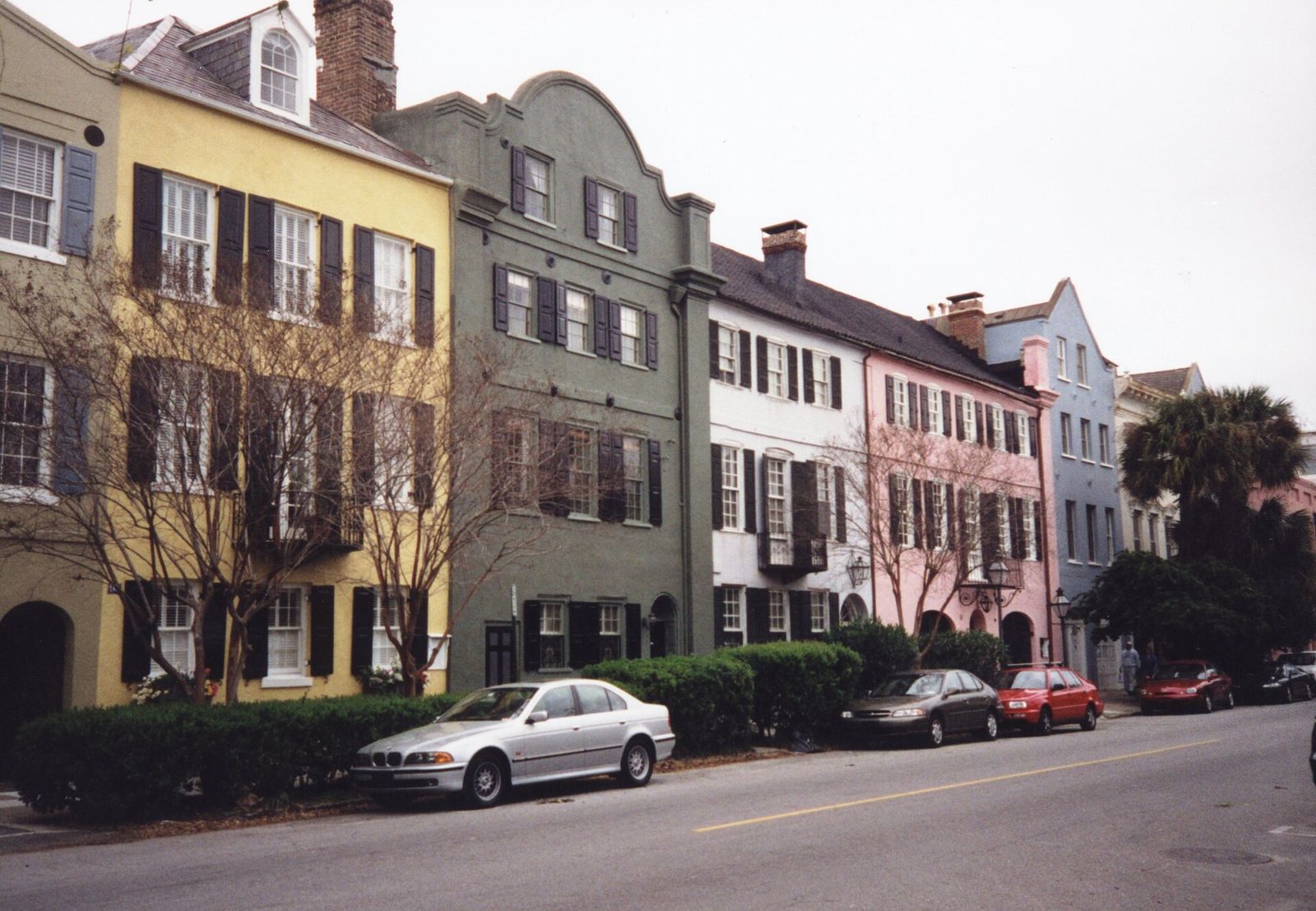
Charleston completes this hub's Southern set — the walking music of Nashville, the river city of New Orleans, and now the harbour city where the Ashley and Cooper rivers meet the Atlantic. Its historic district is a peninsula you take on foot: pastel rows on East Bay, mansions facing the harbour along the Battery, a four-block market running through the middle, church spires above every roofline. But Charleston is also the Southern city where the beautiful surface and the hard history are the same stones. This was one of the principal ports through which enslaved Africans were brought to North America — the International African American Museum now stands on the wharf where many of them landed — and the first shots of the Civil War were fired across this harbour at Fort Sumter. A good Charleston course therefore runs in a deliberate order: the harbour story first, the pretty streets with that story in mind, and the great plantation gardens west of the Ashley River last, chosen by how directly their own telling includes the enslaved community who built them. Ferries, free downtown shuttles and walking do most of the work; no prices are stated anywhere on this page.
The lay of the land — a peninsula, a harbour, and the far bank
Almost everything on the visitor's list sits on the downtown peninsula, walkable end to end: the Fort Sumter visitor centre and the African American Museum on the Cooper River side at the top, the Market through the middle, White Point Garden and the Battery at the harbour-facing tip, and Rainbow Row on the street that runs between them. The car — or a tour — is for the Ashley River side: the plantation gardens west of the river, half-day to full-day commitments by design. The table is the map; the cards below carry the detail.
| Piece | What is in it | How it works | Watch out |
|---|---|---|---|
| The harbour story | Fort Sumter by ferry · International African American Museum on Gadsden's Wharf · the Liberty Square visitor centre | Boat-only for the fort; the museum is a walk from the same waterfront | Ferries are the only way to the island and passes do not cover the boat fare; museum hours shift — check on the day |
| The peninsula walk | Rainbow Row · the Battery & White Point Garden · Waterfront Park & the Pineapple Fountain · the French Quarter streets | Entirely on foot, free, at your own pace | The famous houses are private homes — the street is the exhibit; Battery works proceed in phases |
| The Market | Charleston City Market — four blocks from Meeting Street to East Bay, sweetgrass weavers at its heart | Walk-through in both senses: the route and the browsing are the same act | It sells; it is not a museum — and it was a provisions market, not, as sometimes claimed, where enslaved people were sold |
| Across the Ashley | Magnolia Plantation & Gardens · Middleton Place and the Ashley River plantation country | Car or tour, half-day to full-day each | Choose by the telling: how directly the site's own interpretation carries the enslaved community's story |
The harbour story — read this first
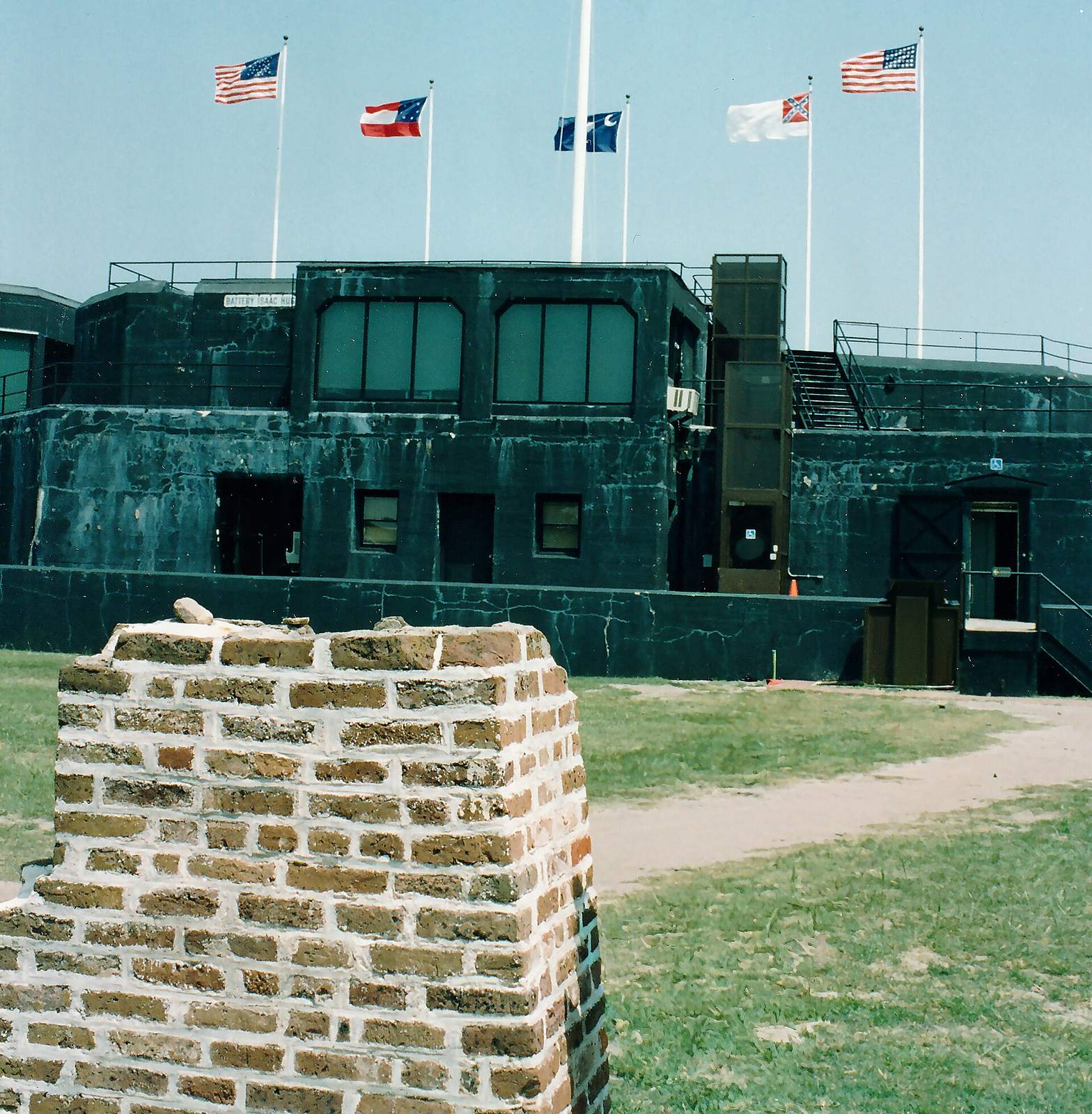
Fort Sumter National park site — island fort, boat only
Strengths
- The harbour's defining sight and the Civil War's opening scene: the island fort where the first shots were fired in April 1861, run by the National Park Service as part of Fort Sumter and Fort Moultrie National Historical Park
- The crossing is part of the exhibit: the authorised ferries run from the NPS Liberty Square Visitor Education Center downtown and from Patriots Point across the harbour, with the harbour story narrated on the way out to the island
- The fort itself carries no NPS entrance fee — what you pay for is the boat, and the park is explicit that national park passes do not cover the ferry; knowing that in advance is the whole ballgame of planning this sight
Watch out
- Boat-only means boat-only: private boats cannot land, and there is no way to fold the fort into a walking day. A missed sailing is a missed fort — this is the one timed commitment on the peninsula, booked against the operator's current timetable
- Do not confuse the pair: Fort Moultrie, the fort's partner site, stands on Sullivan's Island and cannot be reached from Fort Sumter — it is a separate visit with its own longer arc of harbour-defence history
- The park's sites close on New Year, Thanksgiving and Christmas Day, and island weather can rewrite a sailing day; the NPS directions and alerts pages are the check
Best for: the first morning — the harbour read from the water, before the streets. Book the sailing first, then let the rest of the day arrange itself around it.
See NPS Fort Sumter directions →Official siteInternational African American Museum Museum — Gadsden's Wharf, 14 Wharfside Street
Strengths
- The museum the city owed its harbour: opened in June 2023 on Gadsden's Wharf — by the museum's own account, the landing place of almost half of the enslaved Africans brought to North America — with nine galleries and an African Ancestors Memorial Garden on the site itself
- It carries the research home, too: the Center for Family History is a working genealogy resource, which makes this a museum some visitors attend with names in hand, not just history in mind
- Placed exactly where the story happened and paired naturally with the same waterfront as the Fort Sumter boats — the harbour story in both its chapters, within one walk
Watch out
- Hours are the live fact here: the museum has adjusted its weekly schedule more than once since opening, so the museum's own site for your date is the only reliable source — this page deliberately prints none
- Give it the time it asks for: this is the peninsula's heaviest museum, and sandwiching it between the ferry and dinner undersells both. A morning of its own is the honest unit
- Timed entry and special programming run on the museum's calendar; the general galleries and the reservation-level events are different doors
Best for: the conscience of the trip — scheduled early, unhurried, and allowed to colour how you see every grand house after it.
See the IAAM →Official siteThe peninsula walk — the famous surface, honestly framed
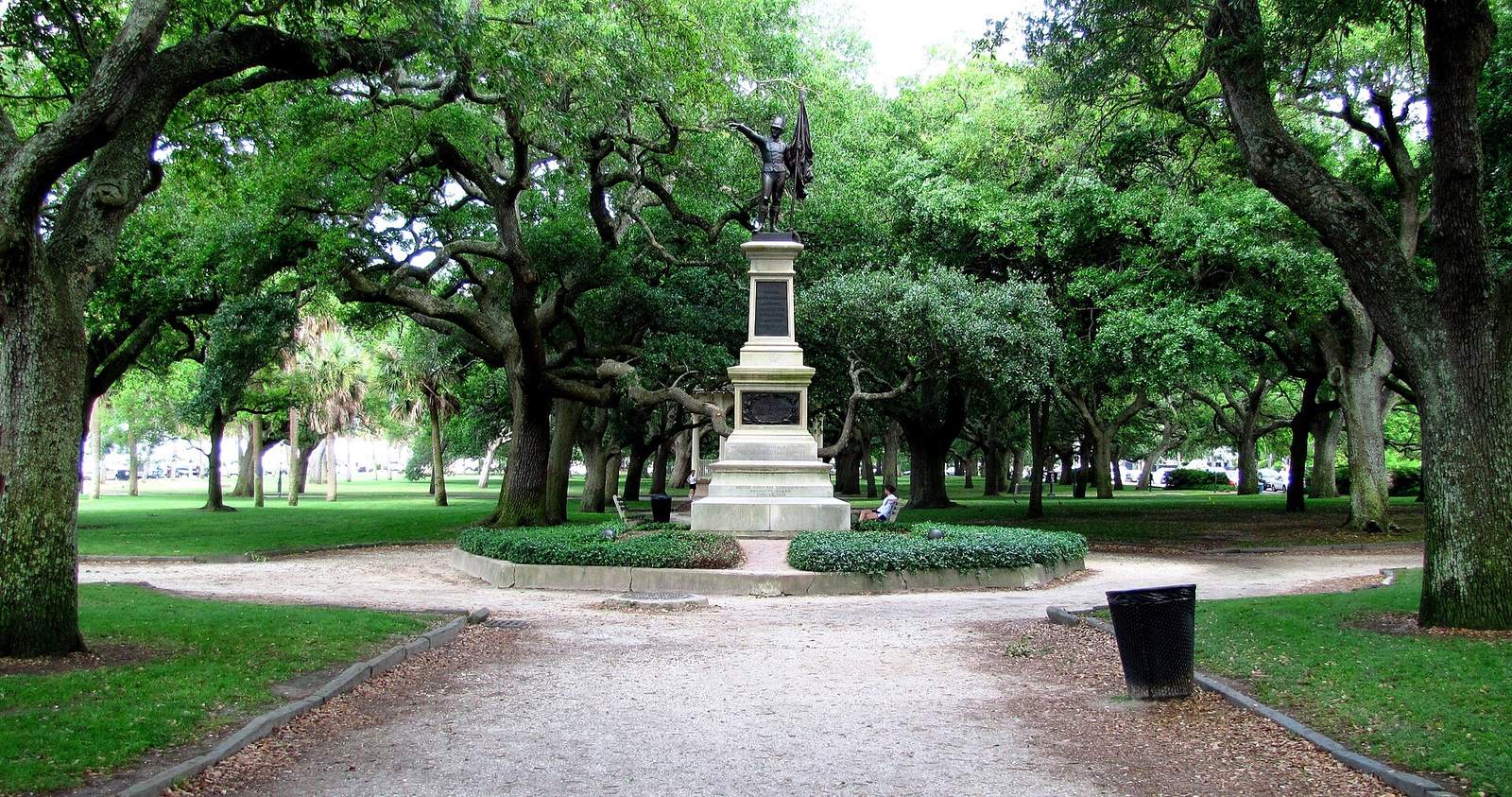
The Battery & White Point Garden City parks — the peninsula tip
Strengths
- The grand promenade: mansions on one side, the harbour on the other, and White Point Garden's oaks and monuments at the point where the two rivers meet the sea — the city's drawing room, free and always open as a walk
- The natural hinge of the peninsula day: Rainbow Row's pastel fronts run along East Bay directly into the Battery, so the two most-photographed streets in Charleston are one continuous walk, with Waterfront Park and its Pineapple Fountain a few streets north as the harbour-side pause
Watch out
- The seawall is being raised in stages against the rising water: phases of the work can fence or narrow sections of the promenade, which is a status to check on the city's project pages — not a reason to skip the walk, but a reason its exact shape varies
- These are front gardens of private houses, viewed from public streets and parks: the photography is from the pavement, the interiors belong to their owners, and the house museums of the district are separate, ticketed doors
Best for: the golden hour — Row first, Battery at the end of the light, dinner in the French Quarter behind you.
Browse Charleston tours →Affiliate link — you pay the same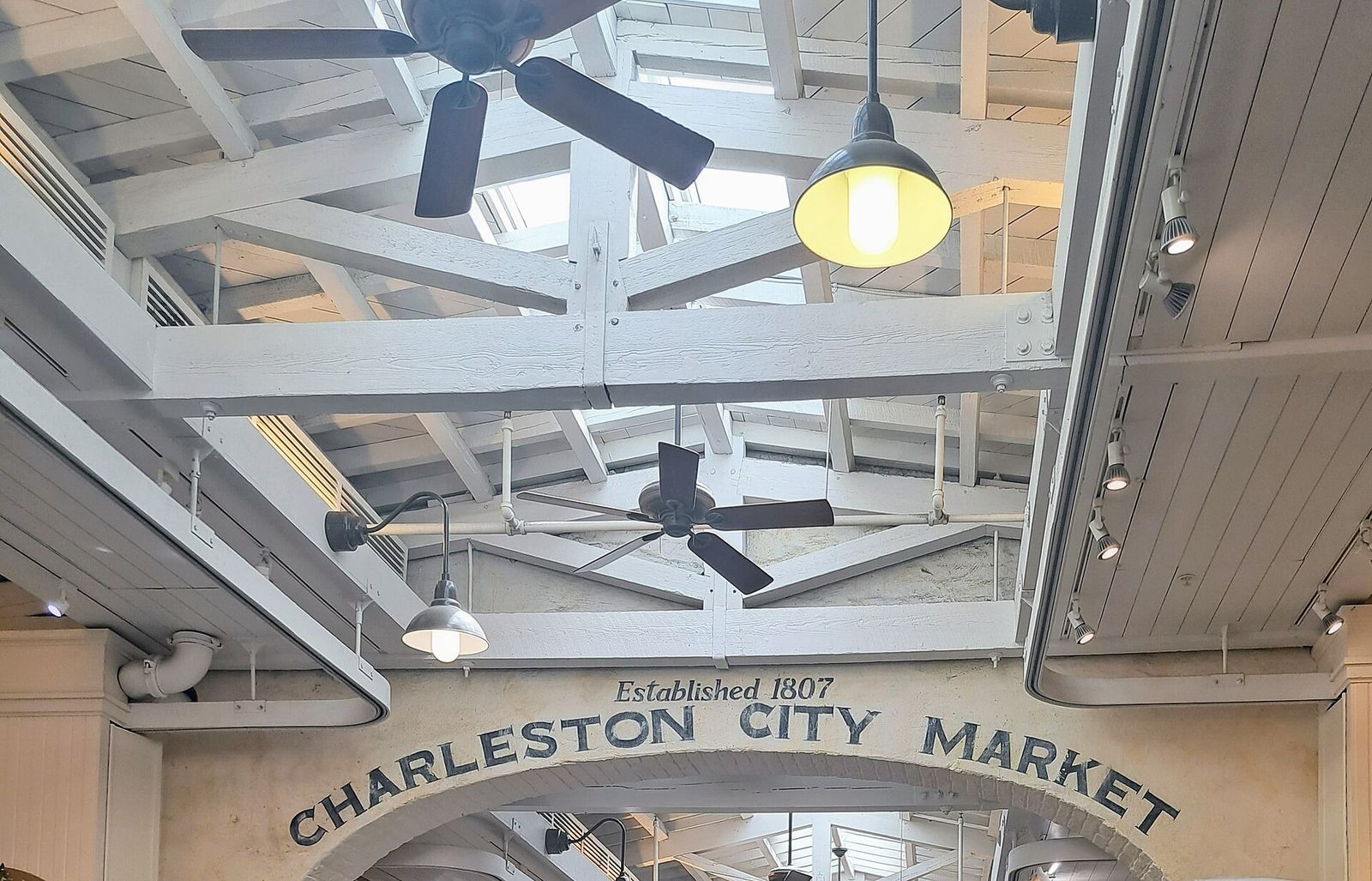
Charleston City Market Historic market — Meeting Street to East Bay
Strengths
- Among the oldest public markets in the country, and still a working one: four blocks of sheds and halls from Market Hall on Meeting Street down to East Bay — the peninsula's east–west spine, so crossing the district means crossing the market
- Its heart is not a souvenir: the sweetgrass basket weavers who work the market are carrying a Gullah Geechee craft tradition with roots in West Africa — the baskets are the peninsula's most meaningful purchase, bought from the hands that made them
Watch out
- Correct the myth when you hear it: despite a claim repeated on some tours, this was a provisions market for meat, vegetables and fish — not a place where enslaved people were sold. Charleston has real sites of that history, the museum above among them; the market's own telling does not need the invention
- The famous Night Market evenings are a seasonal, weekend pattern rather than a nightly institution: the market's own calendar for your dates decides whether an evening visit is on
Best for: the daily crossing — woven into every peninsula day, with one unhurried pass reserved for watching the weavers work.
See the City Market →Official site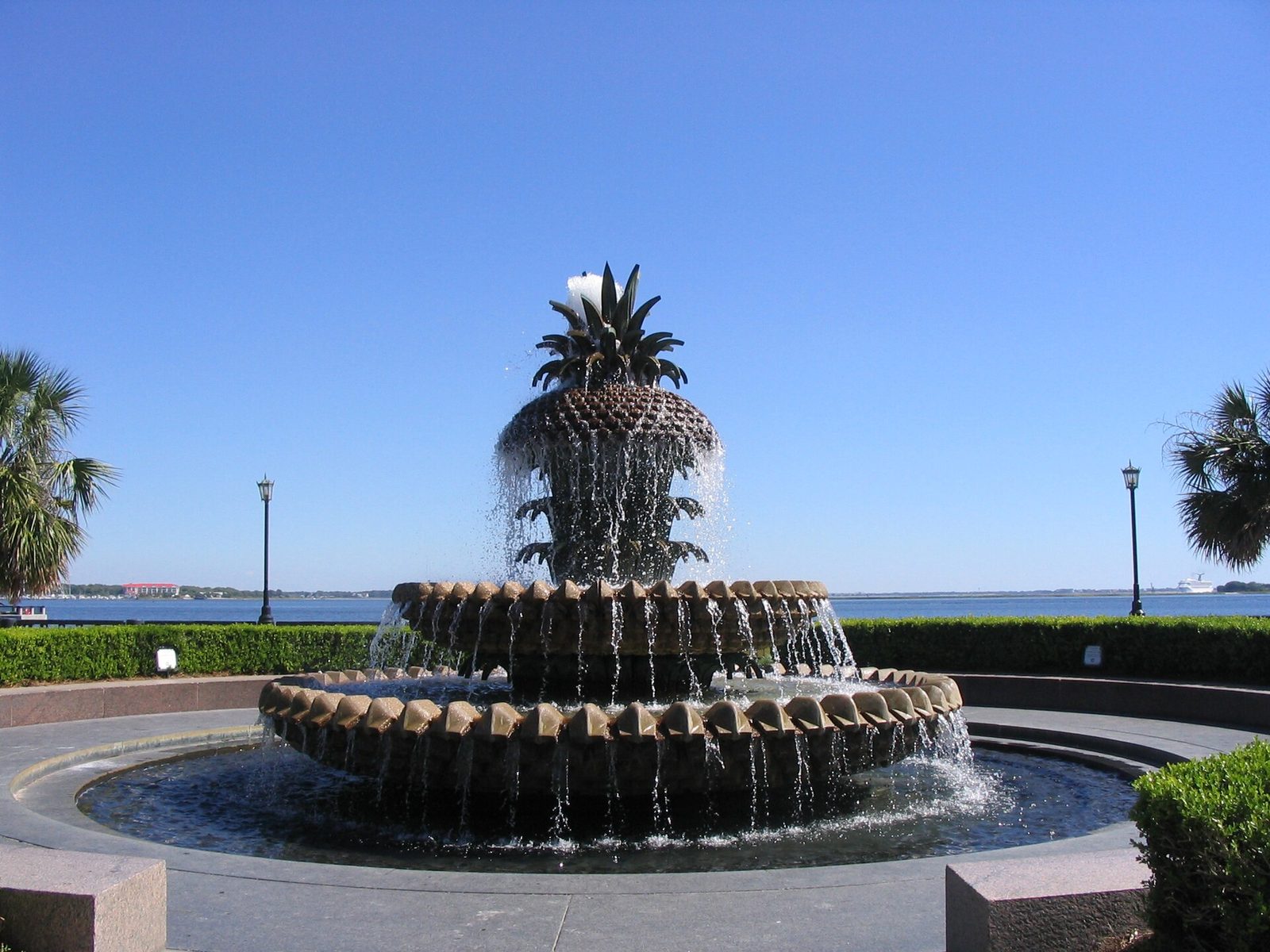
Waterfront Park & the Pineapple Fountain City park — Cooper River waterfront
Strengths
- The peninsula's front porch on the Cooper River: lawns, palmettos and the Pineapple Fountain within a short walk of the Market and the Fort Sumter departure point — the pause that stitches the harbour story and the walking day together
- The fountain doubles as the city's most democratic photo: children in the water on a hot afternoon explain the pineapple's hospitality symbolism faster than any plaque
Watch out
- It is a park, not an attraction with hours and doors: its value is the harbour view and the shade, scheduled as connective tissue — travellers who arrive expecting an exhibit will feel it is "just" a park, which is precisely its virtue
Best for: the between-things hour — after the ferry or the museum, before dinner, feet up facing the harbour.
See the City Market nearby →Official siteAcross the Ashley — the plantation country
Magnolia Plantation & Gardens Plantation site — Ashley River Road
Strengths
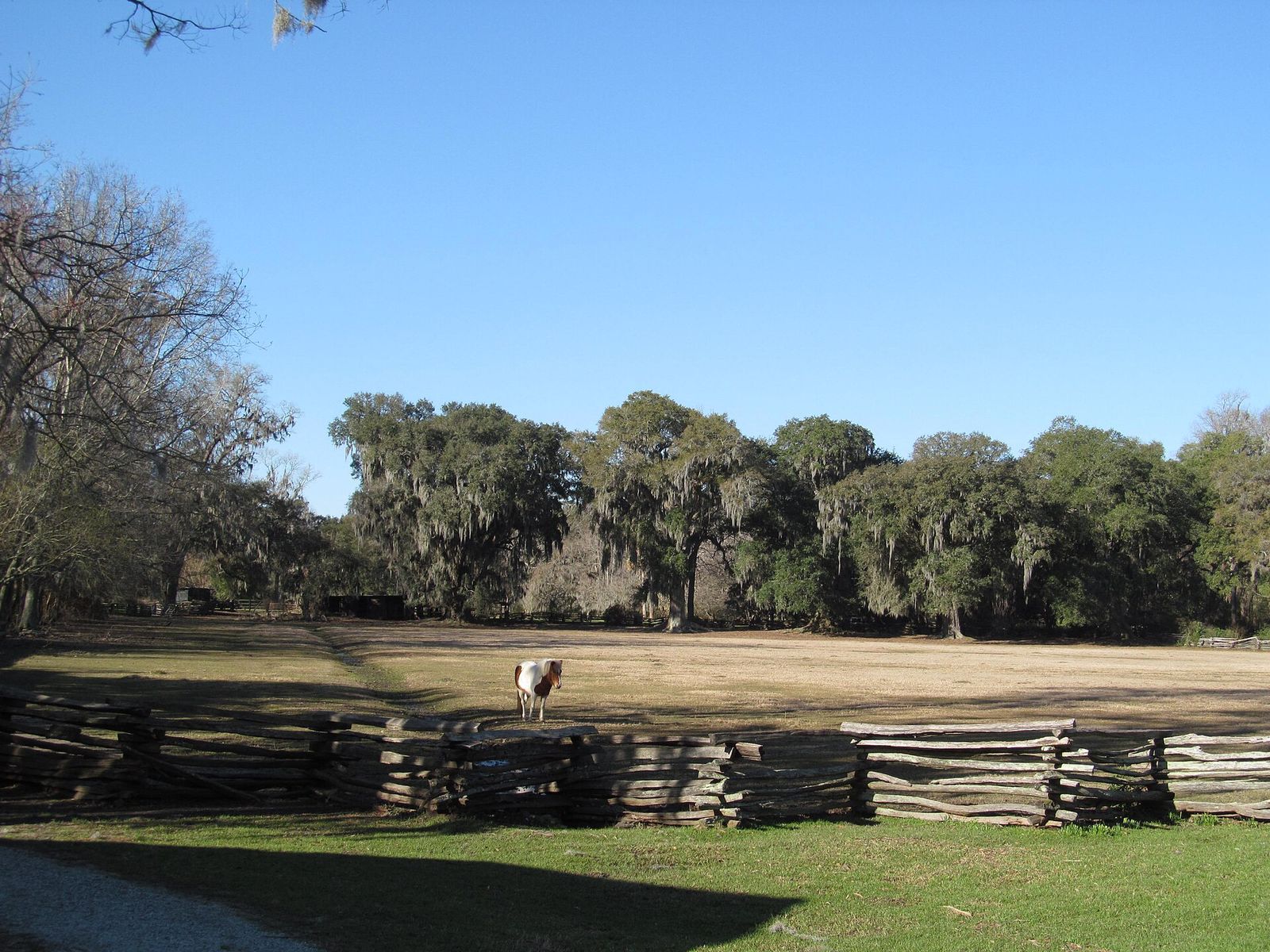
- The gardens are the draw the name promises: romantic-style grounds along the Ashley — azaleas, camellias, live oaks and swamp garden boardwalks — among the most photographed planted landscapes in the South
- The site carries both chapters on its own grounds: the preserved cabins of the enslaved community are part of the visit and its interpretation, which is the standard this page uses for the whole Ashley River side — beauty and its cost, presented in the same place
Watch out
- It is a half-to-full-day commitment west of the river, not a peninsula add-on: drive or tour out, garden time, drive back — travellers who bolt it onto a Fort Sumter morning shortchange both
- The grounds are extensive and the headline experiences are separately arranged on site (tours, train, boat and cabin programme patterns vary by season): the plantation's own page for your date governs what is running
- Garden glory is seasonal by flower: azalea and camellia peaks are spring stories, and the summer version trades blooms for heat — pick the Ashley day with the calendar, not just the map
Best for: the trip's garden day — one plantation done slowly and completely, rather than a windshield row of gates.
See Magnolia Plantation →Official siteMiddleton Place Plantation site — Ashley River Road
Strengths
- The formal counterpart to Magnolia's romance: America's oldest landscaped gardens in the usual telling — terraced lawns, butterfly lakes and camellia allées above the Ashley — plus a working stableyard and house museum that anchor the estate's story
- Its interpretation explicitly includes the enslaved community who built and ran the place, with an exhibit dedicated to their lives beyond the fields — the second of this page's two honest Ashley River choices
Watch out
- Same structural facts as its neighbour: a cross-river day by car or tour, grounds large enough to punish rushing, and a programme whose tours and talks run on the site's own daily calendar
- One plantation per trip is the right dose for most travellers, two for garden devotees: Magnolia (romantic, wilder) and Middleton (formal, architectural) are alternative days, not a checklist pair to compress
Best for: garden-architecture travellers, and as the single Ashley day for visitors who prefer formality and a house museum at the centre.
Browse Charleston plantation tours →Affiliate link — you pay the sameWhich days are yours?
The course in this hub's sense: the harbour story first, the peninsula on foot, the Ashley River as its own day. No drive times are stated anywhere — the far-bank day is measured in commitment, not hours.
Getting around — feet, the free DASH, one ferry, one car day
What about money?
Deliberately, this page carries no budget table and no stated prices — that is this hub's standing rule for city courses, because ferry fares, museum admission and plantation tickets are dated, tiered and revised by the operators themselves. The structure worth knowing: the peninsula's glory is free (Row, Battery, waterfront, Market streets, the DASH), and spending concentrates in the ticketed layer — the ferry, the museums, one plantation day, and the harbour-view rooms. For worked numbers, our budget calculator builds example budgets for US trips — treat every figure there as an example to adjust, not a quote — and our travel cards comparison covers paying without foreign-transaction surprises.
Decisions that actually matter
Can I get to Fort Sumter on my own boat, or from Fort Moultrie?
No on both counts. The Park Service allows access only on its authorised concessioner ferries — private boats cannot land — and Fort Moultrie, on Sullivan's Island, is a separate site that cannot be reached from the island fort. Sailings leave from the Liberty Square visitor centre downtown and from Patriots Point; the fort is free, the ferry is not, and park passes do not cover the boat.
Do I need a car in Charleston?
Not for the peninsula: feet plus the free DASH shuttle cover the historic district, the Market and the waterfront completely, and the fort runs on its ferry. The car earns its keep exactly once — the Ashley River plantation day — which is why so many visitors rent for a single day mid-trip or take a plantation tour. Arrival from CHS is served by CARTA buses, taxis and rentals per the airport's own page.
Was the City Market really not a slave market?
Right — the Market's four blocks were built for provisions: meat, produce and fish, sold from stalls under the sheds. Charleston's history of the slave trade is real and documented elsewhere — above all at Gadsden's Wharf, where the International African American Museum now stands — and the distinction matters precisely because the true sites deserve the weight.
Which plantation should I choose?
Choose on two axes: the garden style (Magnolia's romantic grounds versus Middleton Place's formal, terraced landscape) and — first, on this page — how directly the site tells the story of the enslaved people who created it. Both of our cards pass that test; read the sites' own interpretation pages, give the choice a full day, and don't compress both into one.
Where should I sleep?
On the peninsula, inside the walk: the historic district between the Market and the Battery puts every anchor on this page at your feet and the DASH at the corner. Properties are compared in our hotels comparison — this page's claim is the geography: in Charleston, location is not a luxury feature, it is the itinerary itself.
Prices and terms change often — the booking site is the final word. Ferry timetables, museum hours, market evenings and city works all change; check the operator's own page for your date. Facts on this page checked against official sources, November 2026.


